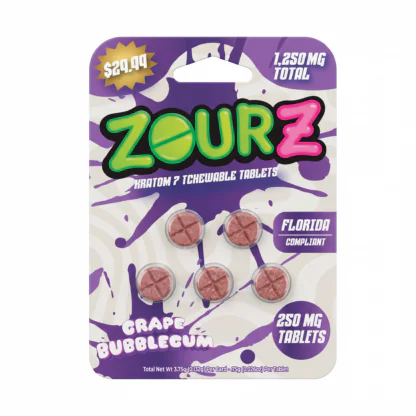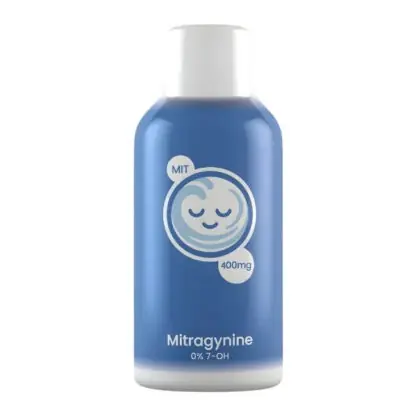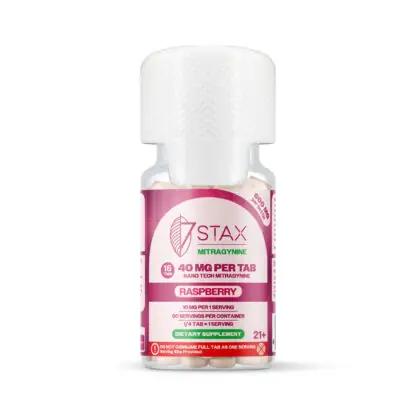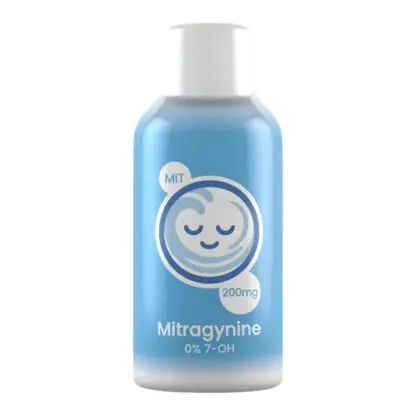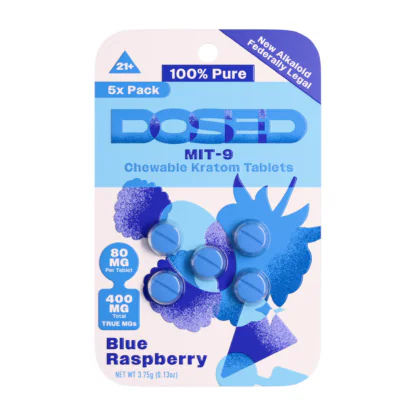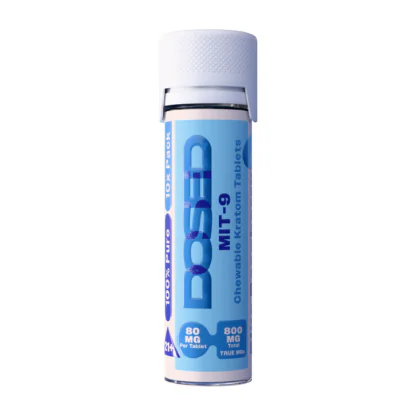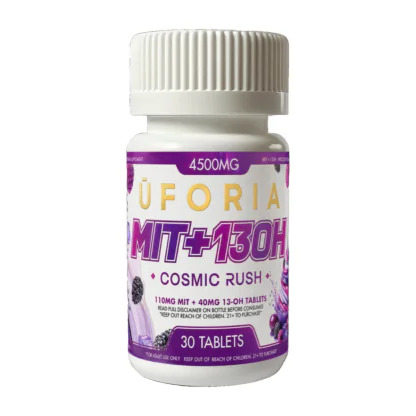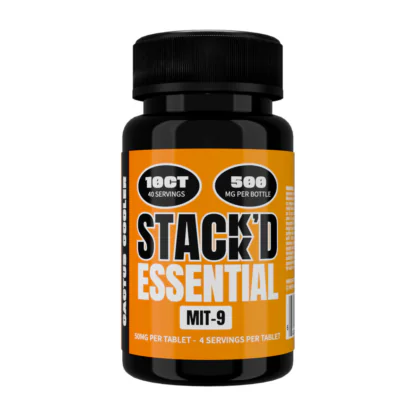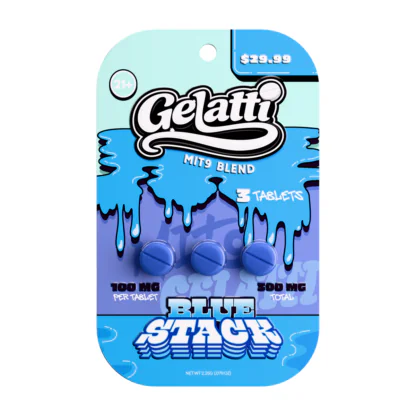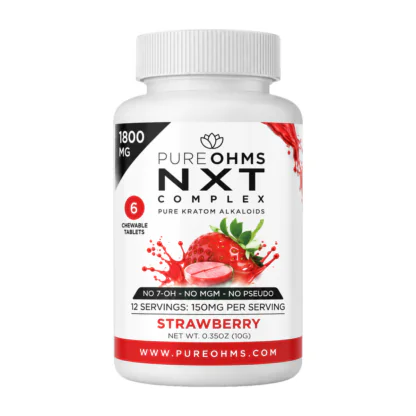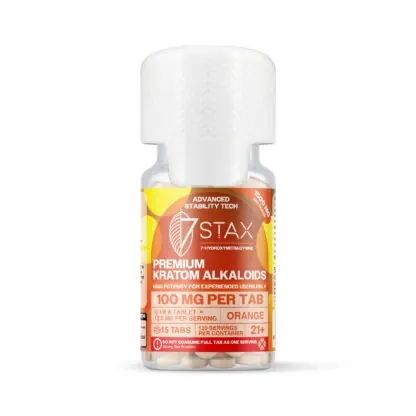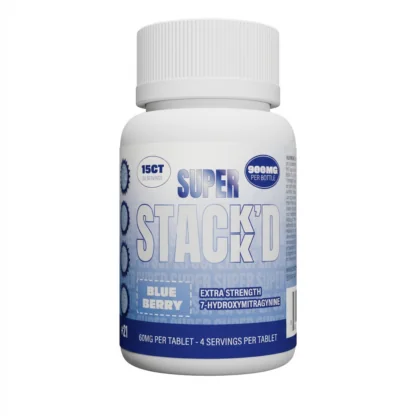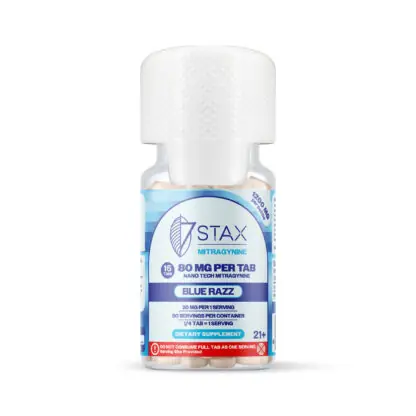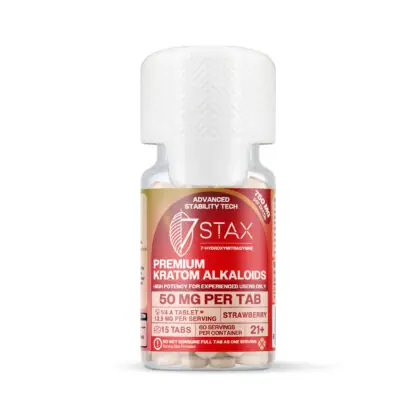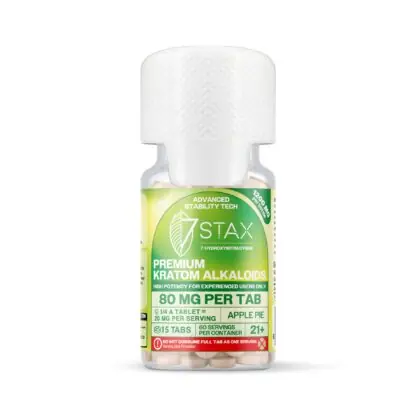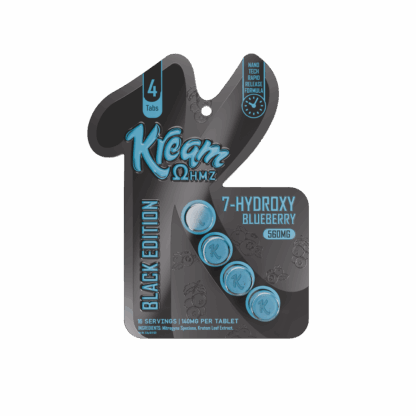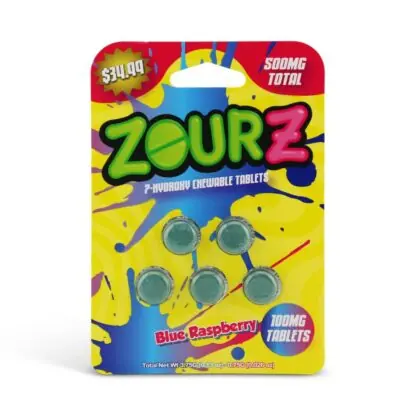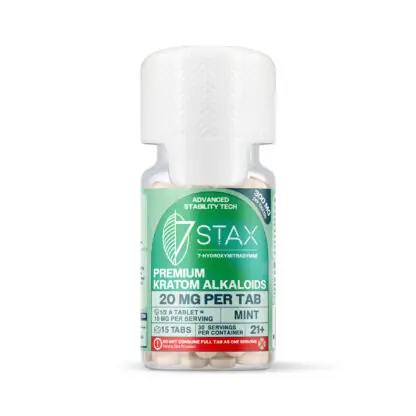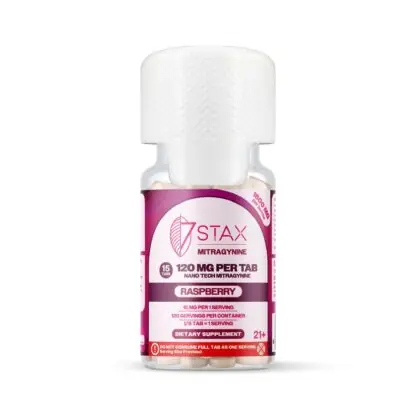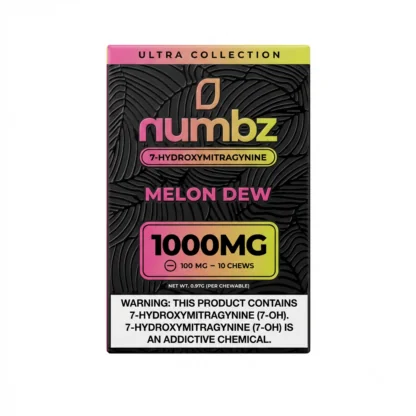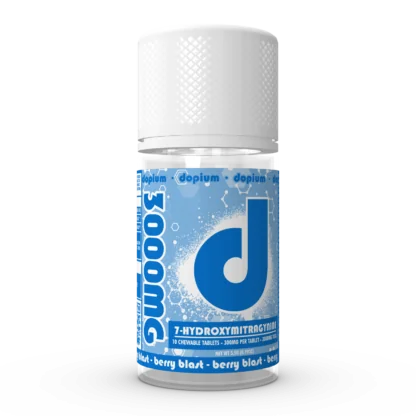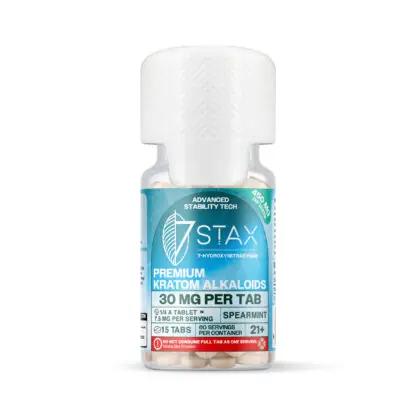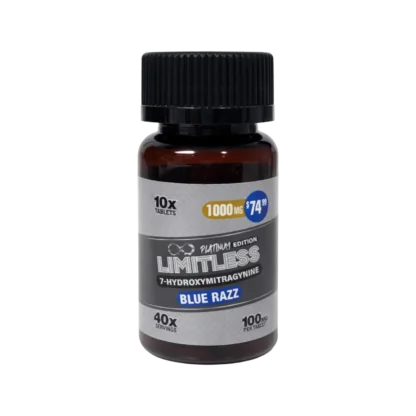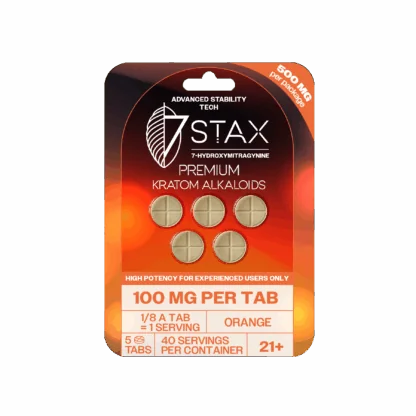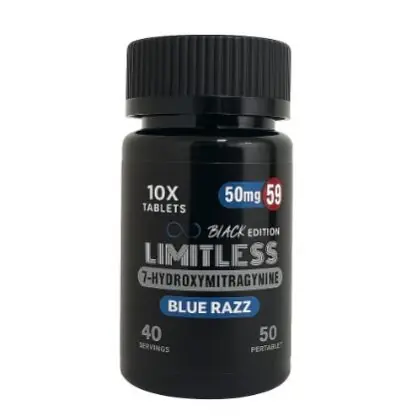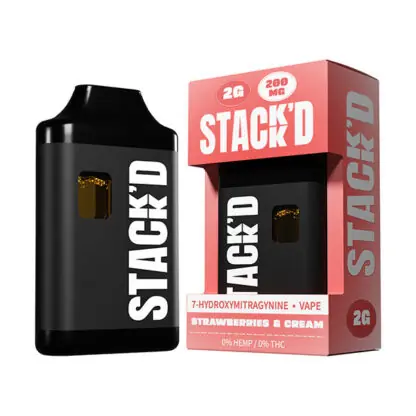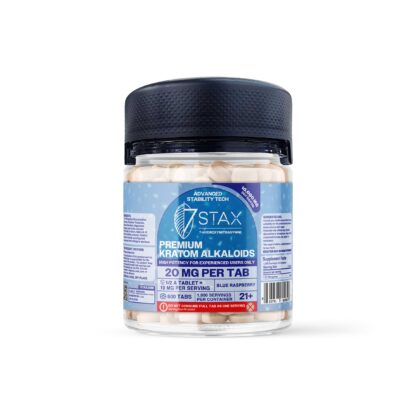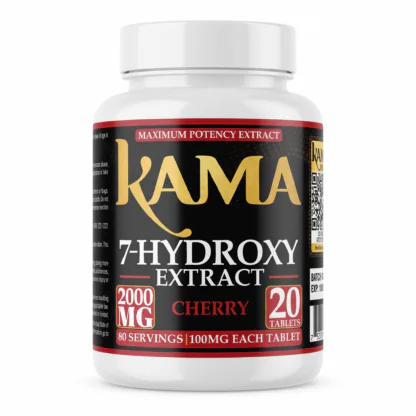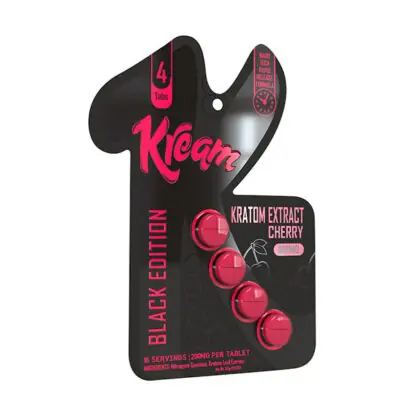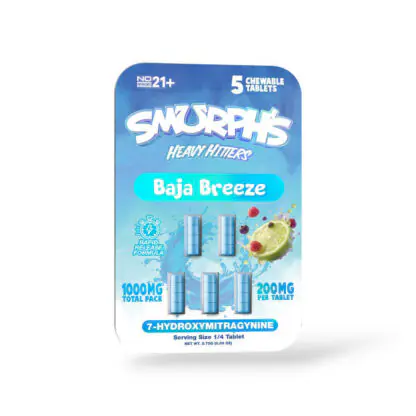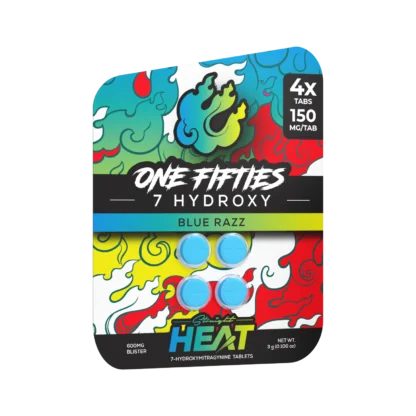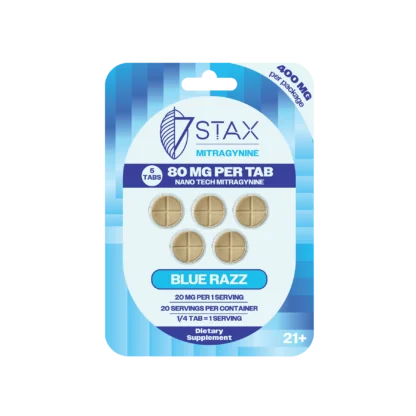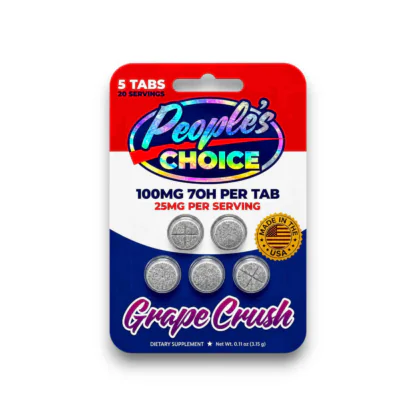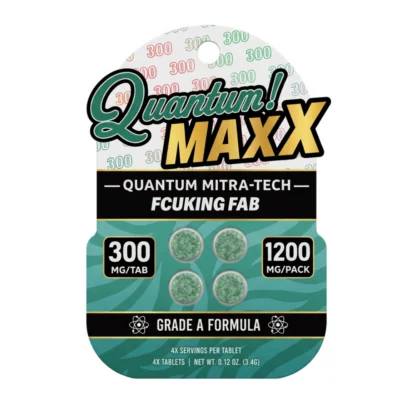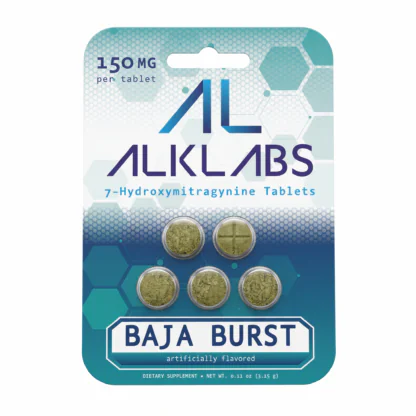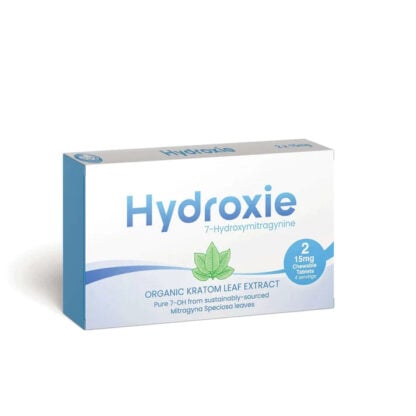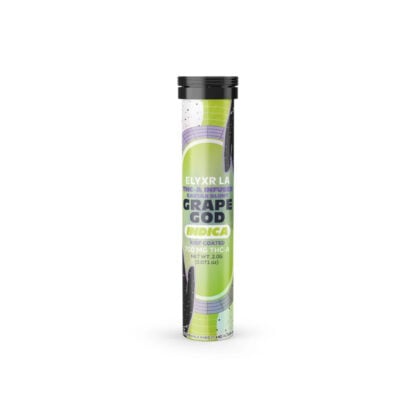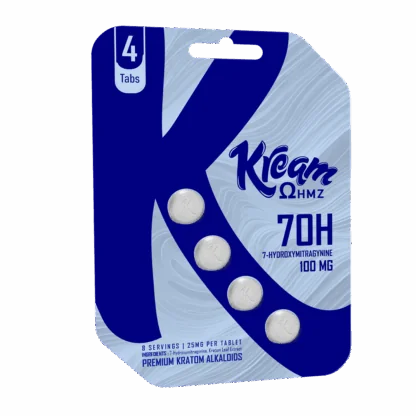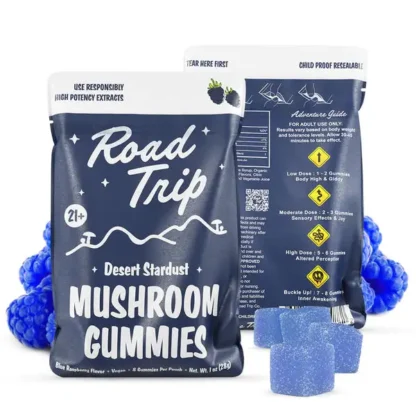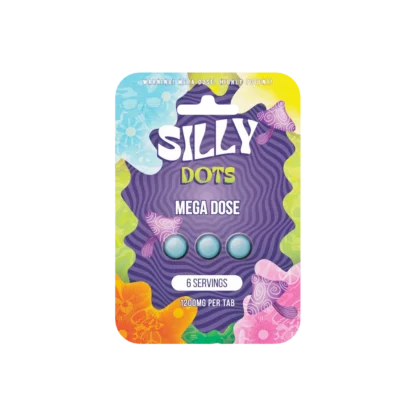




Mitragynine Tablets
A tablet label in this category states a number, and the number can mean three different things.
A mitragynine figure names the alkaloid directly. This is the useful one.
An extract weight figure names the total mass of extract in the tablet, which includes everything in that extract and not just the alkaloid you are reading about. A 100 mg extract tablet and a 100 mg mitragynine tablet are quite different products.
A total alkaloid figure sums every alkaloid present, and kratom leaf contains dozens. It tells you more than extract weight and less than a specific mitragynine line.
Some labels add a ratio such as 10:1, which describes the concentration of the extraction and not the alkaloid content of the finished tablet. A ratio with no alkaloid figure beside it is an incomplete label rather than a strong one.
So the sequence is: find out which figure you have, then work out the per-tablet number, then compare products on that.
Divide the package figure by the tablet count. A 1000 mg package of ten tablets is 100 mg a tablet, on whichever of the three measures the package is using.
Then check whether the tablet is scored, and whether the brand defines a serving separately from a tablet. Scored tablets are increasingly common in this category and some brands state explicitly that a serving is a fraction of one. Where a brand does that, the serving figure is the number they intend you to use and it is the one to compare.
Tablets have one real advantage over powder, which is that the unit boundary is physical rather than scooped.
A tablet is not pure extract and could not be. Pressing requires binders to hold the compact together, and most formulations add a filler to bring a small quantity of active material up to a workable tablet size, plus a lubricant so the press releases cleanly.
Two things follow that are worth knowing. The tablet weight and the extract content are different numbers, so a 500 mg tablet is not 500 mg of extract unless the label says so. And disintegration varies by formulation: two tablets with identical extract content can break down at quite different rates depending on the binder and the compression force used.
That is why a tablet that behaves differently from one you bought before is not necessarily a different strength. It may be the same quantity in a tablet built to a different formula.
Where excipients matter to you, the ingredient list rather than the certificate is where they appear.
Mitragynine itself is not federally scheduled and has not been proposed for scheduling. That is the relevant fact for a leaf alkaloid tablet.
Three related compounds are controlled: DEA placed mitragynine pseudoindoxyl, MGM-15 and MGM-16 into Schedule I on August 26, 2026. We do not stock any of them. Pseudoindoxyl is a distinct compound despite the similar name.
The October 14, 2026 DEA notice of intent proposing threshold-based Schedule I placement covers 7-hydroxymitragynine and pseudoindoxyl, with mitragynine appearing only inside its ratio test. That notice said an order may publish on or after November 13, 2026. We looked again on November 16 and found no evidence it has published, though we could not reach every primary source that day, so treat this as our best current reading rather than a guarantee.
Our 7-OH Products page carries the dated detail and our Kratom page carries the state rules. This section is dated and reviewed, and it is not legal advice.
Match the batch number on the certificate to the package.
Find mitragynine reported as its own measured line with a figure, not folded into a total.
Find 7-hydroxymitragynine reported and quantified on the same report. On a mitragynine product you want that line present and measured rather than absent from the panel, because a laboratory that did not test for it cannot tell you how little is there, and it is the compound facing published federal thresholds.
Then read heavy metals, microbials, pesticides and residual solvents, with the solvent panel earning attention on concentrated extract.
Store tablets sealed in the original container at room temperature, dry and out of direct sunlight, with any desiccant left in place. Heat and light degrade alkaloid content, so a product stored badly drifts away from the certificate it shipped with. Break scored tablets as you use them rather than in advance.
Sales are restricted to buyers aged 21 and over and shipping restrictions are applied at checkout. Keep everything out of reach of children and pets. These products have not been evaluated by the FDA, they are not medicines or approved dietary supplements, and nothing on this page is intended to diagnose, treat, cure or prevent any disease.
Only if the label says mitragynine. The same figure can describe extract weight, which is the total mass of extract including everything in it, or total alkaloids, which sums the dozens present in leaf. Establish which measure the package uses before comparing it against anything else, because the three are not interchangeable.
The concentration of the extraction, not the alkaloid content of the finished tablet. It is useful context and it is not a substitute for a figure. A label giving a ratio with no alkaloid number beside it has told you how the extract was made without telling you what is in the tablet.
Divide the package figure by the tablet count, so a 1000 mg ten-count package is 100 mg a tablet on whichever measure the package uses. Then check whether the tablet is scored and whether the brand defines a serving as a fraction of one, because where it does, that is the figure to compare.
No, and it has not been proposed for scheduling, which we rechecked on November 16, 2026. Mitragynine pseudoindoxyl, MGM-15 and MGM-16 have been Schedule I since August 26, 2026 and we do not stock them. The October 14, 2026 threshold notice covers 7-OH and pseudoindoxyl rather than mitragynine.
Because a laboratory that did not test for 7-hydroxymitragynine cannot tell you how little is present, and that is the compound subject to the thresholds DEA published on October 14, 2026. On a mitragynine product you want both numbers visible and measured rather than one of them simply missing from the panel.
It depends on your state and sometimes your county. Several states prohibit or schedule kratom and its extracts outright, and a further group restricts concentrated alkaloid products while permitting leaf, which generally captures a pressed extract tablet. Our Kratom page has the summary and restrictions apply at checkout.
Discount Applied Successfully!
Your savings have been added to the cart.