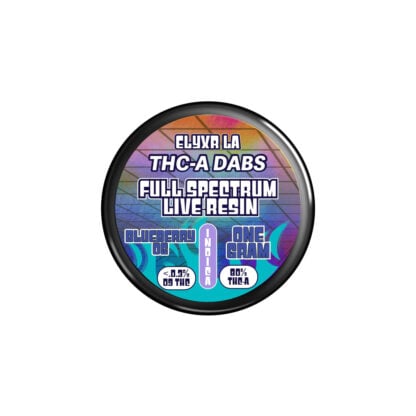
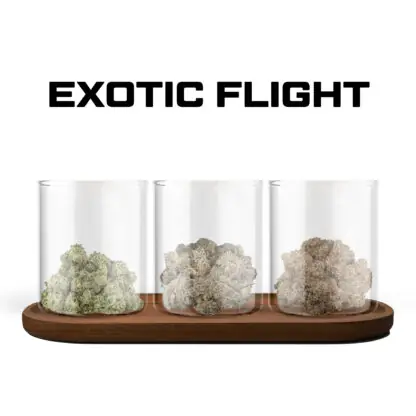
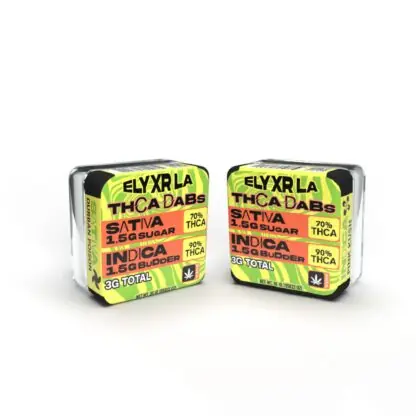
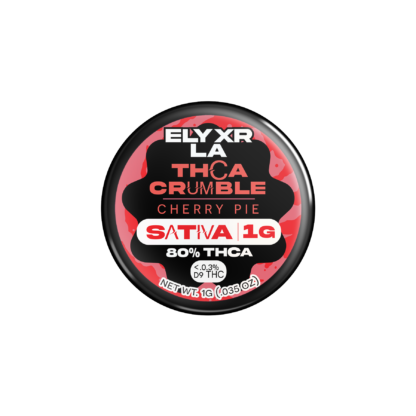
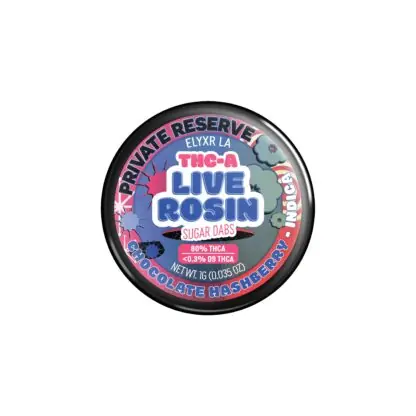
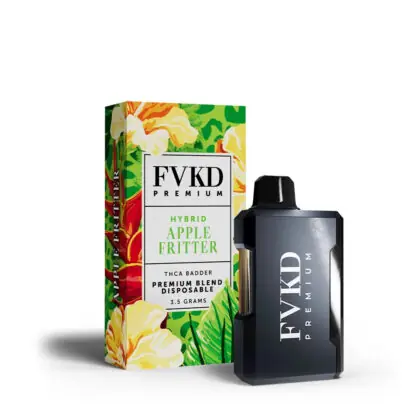
This collection pairs two formats that share a cannabinoid and almost nothing else. The flower is hemp bud with THCA as the dominant cannabinoid, measured as a percentage of dry weight. The dabs are concentrates, measured in milligrams and in purity. A 28 percent flower and a 900 mg concentrate are not comparable numbers, and the guide below explains how to make them comparable. Everything is third-party tested with a batch certificate of analysis. Federal hemp measurement is narrowing in late 2026, and this category is squarely in its path.
Two Formats, Two Ways of Measuring One Cannabinoid
THCA is tetrahydrocannabinolic acid, the acid form the living plant produces. It carries a carboxyl group that THC does not, and in that unheated state it is described as non-intoxicating. Heat removes the group as carbon dioxide, which is the reaction called decarboxylation, and THCA becomes Delta-9 THC. That is true whether you are burning flower or heating a concentrate.
What differs is how the material is measured.
Flower is reported as a percentage by dry weight. A listing at 26 percent THCA means that 26 percent of the bud’s mass is THCA. Scale it to a quantity and you have a figure in milligrams: a gram of 26 percent flower holds roughly 260 mg of THCA.
Concentrates are reported in two ways at once, as a total milligram figure for the package and as a percentage representing purity. A one gram concentrate at 85 percent THCA holds about 850 mg. The percentage here describes how much of the extract is the target cannabinoid, not how much of a plant it was.
To compare the two, reduce both to milligrams per gram. That is the only arithmetic that makes a 28 percent flower and a 900 mg dab sit on the same scale, and nobody prints it on the label for you.
Solvent and Solventless Are Two Different Production Routes
Every concentrate is made by separating the trichomes, the resin glands on the plant, from the plant material. How that separation happens is the main distinction in the category.
Solvent extraction uses a chemical carrier, usually butane or propane for hydrocarbon extracts, or carbon dioxide under pressure. The solvent dissolves the resin, the plant material is removed, and the solvent is then purged under heat and vacuum. Done well it yields a very clean, high-purity extract. Done badly it leaves residual solvent behind, which is exactly why the residual solvent panel on a certificate matters more here than anywhere else in the catalog.
Solventless extraction uses only ice water, agitation, filtration, heat and pressure. Trichomes are knocked off in ice water, collected through screens, dried, and then pressed. Nothing is introduced that has to be removed afterward, so there is no residual solvent question at all.
Neither route is automatically better. Solvent extraction reaches purities that solventless does not, and preserves a different part of the terpene profile. Solventless appeals to people who would rather not rely on a purge step being done properly. The honest version is that a well-made example of either beats a poorly made example of the other.
Resin, Rosin, Badder, Diamonds and Sauce
The naming in this category is a mix of process and texture, which is why it looks arbitrary.
Live resin is made from fresh-frozen plant material rather than dried and cured material, using a solvent. Freezing the plant immediately after harvest preserves volatile terpenes that drying drives off, which is where the “live” comes from.
Live rosin is the solventless equivalent, also from fresh-frozen material, pressed with heat and pressure rather than extracted with a solvent.
Badder, budder and sauce are textures rather than processes. Whipping an extract during purge introduces air and produces the opaque, cake-frosting consistency called badder. Letting it separate instead produces sauce, a viscous liquid with crystals suspended in it.
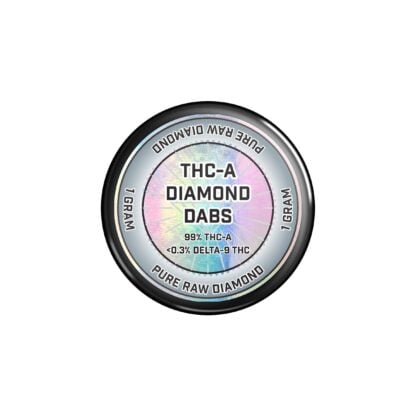
Diamonds are crystallized THCA. Under the right conditions the cannabinoid drops out of solution and forms crystals, which can reach very high purity because the crystal structure excludes most other compounds. The terpene fraction ends up in the liquid around them, which is why diamonds are often sold back together with that liquid.
What the Certificate Should Show for Each Format
The checks differ by format and both matter.
For flower: THCA and Delta-9 reported as separate line items rather than a combined figure, so you can run the conversion yourself. Pesticides, heavy metals and microbials, which matter as much on a smoked flower as on an extract. And a mycotoxin panel, which is specific to plant material that was dried and cured.
For concentrates: the same cannabinoid breakdown, plus the residual solvent panel, which is the single most important line on a hydrocarbon extract’s report. A solventless product should have the panel too, where it should read clean by construction. Heavy metals matter here for a separate reason, since extraction concentrates whatever was in the plant material, including metals taken up from the growing medium.
For both: the batch number on the certificate matched against the batch on the package. A report for a different lot tells you about a different product.
The Coming Hemp Measurement Change Reaches This Category Directly
USDA regulation at 7 CFR 990.1 defines total THC as 0.877 multiplied by THCA, plus THC. The 0.877 is a molecular weight ratio, not a policy choice, reflecting the carboxyl group lost during decarboxylation.
Run that formula on commercial THCA flower and the result clears 0.3 percent by a wide margin. That is not an edge case, it is the definition of the product. Federal hemp measurement is narrowing in late 2026, with plant material moving to a 0.3 percent total THC standard inclusive of THCA and finished products facing a cap counted per container rather than per serving.
Two effective dates apply, and which reaches a given cannabinoid turns on a statutory test rather than on format: whether the cannabinoid is capable of being naturally produced by a Cannabis sativa L. plant, and whether it was produced inside the plant or synthesized outside it. THCA is produced by the plant, so material in this collection sits on the later date. We are not publishing a compound-by-compound date table, because the federal lists the test depends on have not been published. Confirm current federal and state law before ordering, and check the date on any guidance you read elsewhere.
Storage, and Why Concentrates Are Less Forgiving
On the flower side: cool, dark, and a stable humidity level held by a two-way pack inside a sealed container. Let it dry out and it degrades and smokes harshly. Let it get damp and mold follows.
Concentrates want cool and dark as well, but they are less tolerant of warmth. A badder left somewhere warm separates and loses its texture permanently. Diamonds in a warm jar start dissolving back into the terpene fraction around them. Keep concentrates in their original container, closed, and handle them with a clean tool rather than fingers, because contamination in a concentrate has nowhere to go.
Both formats convert THCA to THC slowly over time even without deliberate heating, which means a long-stored product gradually stops matching its certificate.
Sales are restricted to buyers aged 21 and over. Several states restrict or prohibit THCA products independently of federal law, and some restrict smokable hemp specifically. Shipping restrictions are applied at checkout. Keep everything out of reach of children and pets. These products have not been evaluated by the FDA and are not intended to diagnose, treat, cure or prevent any disease.
FAQ's
How do I compare a flower percentage against a concentrate's milligram figure?
Reduce both to milligrams per gram. A gram of 26 percent THCA flower holds roughly 260 mg of THCA. A one gram concentrate at 85 percent holds about 850 mg. Until you do that conversion, a percentage and a milligram total are measuring different things and cannot be compared directly.
What is the difference between live resin and live rosin?
Both start from fresh-frozen plant material rather than dried and cured material, which preserves volatile terpenes. Live resin is extracted with a solvent such as butane or propane. Live rosin is solventless, produced with ice water, filtration, heat and pressure. The input is similar; the separation method is not.
Are solventless concentrates better than solvent extracts?
Not automatically. Solvent extraction reaches purities solventless cannot and preserves a different part of the terpene profile, but it depends on the purge being done properly, which is what the residual solvent panel verifies. Solventless removes that question entirely. A well-made example of either beats a poorly made example of the other.
What are THCA diamonds?
Crystallized THCA. Under the right conditions the cannabinoid drops out of solution and forms crystals, which can reach very high purity because the crystal lattice excludes most other compounds. The terpene fraction stays in the liquid around them, which is why diamonds are frequently sold together with that liquid rather than dry.
Which certificate panels matter most on a concentrate?
The residual solvent panel, above everything else, on any hydrocarbon extract. Then heavy metals, because extraction concentrates whatever the plant took up from its growing medium. Then the cannabinoid breakdown as separate line items. A solventless product should still carry the solvent panel, where it should read clean by construction.
How do I calculate total THC on a THCA product?
Multiply the THCA percentage by 0.877 and add the Delta-9 percentage. The formula comes from USDA regulation at 7 CFR 990.1. The 0.877 is a molecular weight ratio reflecting the carboxyl group lost in decarboxylation, so it caps the Delta-9 that a given quantity of THCA can produce.
Is THCA flower affected by the 2026 hemp changes?
Directly. Run the total THC formula on commercial THCA flower and the result clears 0.3 percent substantially, which is a function of what the product is rather than an edge case. The amended definition counts THCA toward the total. Confirm current federal and state law before ordering.
How should I store concentrates?
Cool, dark, in the original container, closed. Concentrates tolerate warmth less well than flower: badder separates permanently, and diamonds begin redissolving into the terpene fraction. Handle with a clean tool rather than fingers, since contamination in a concentrate cannot be removed. THCA also converts slowly over time regardless.