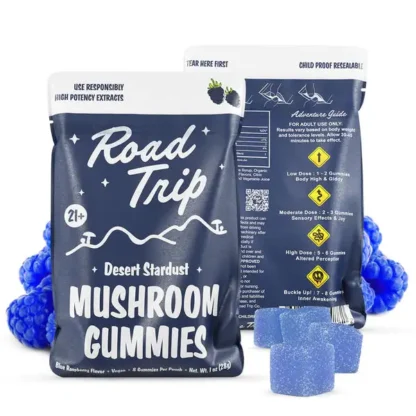
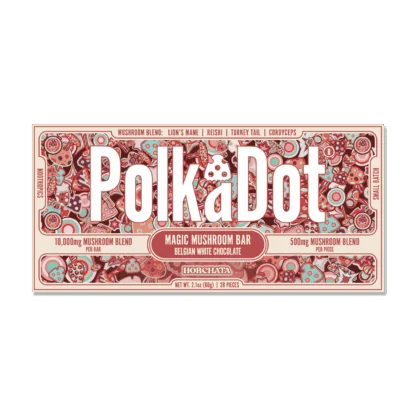
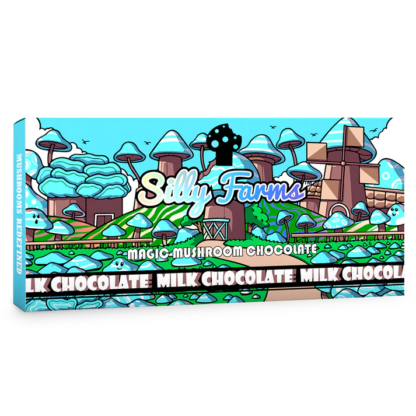
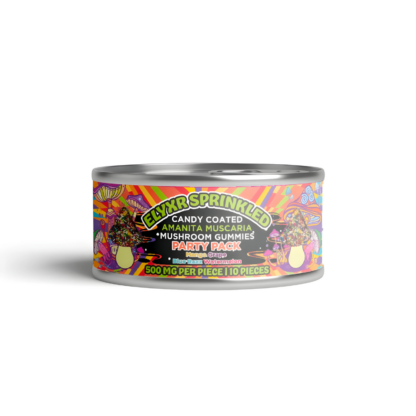
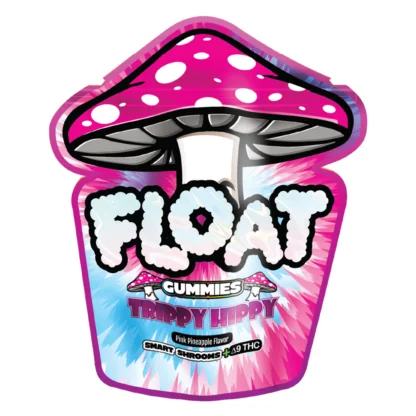
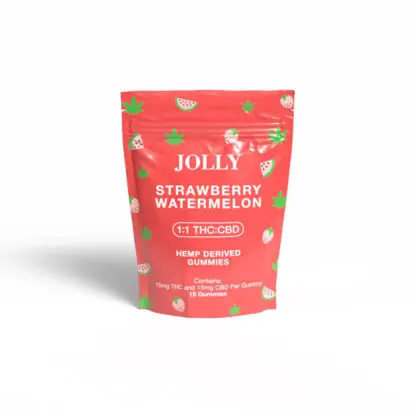
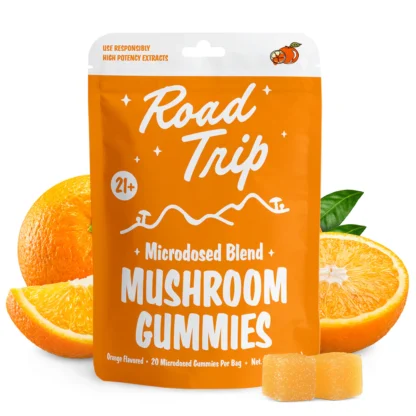
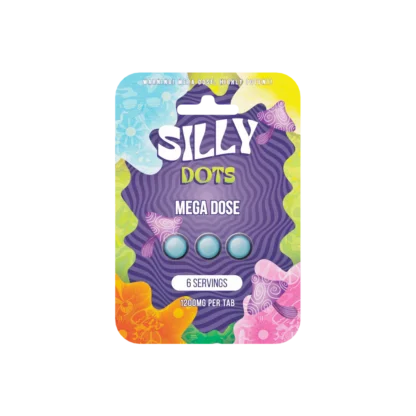
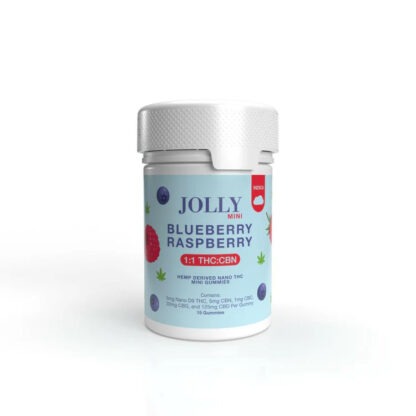
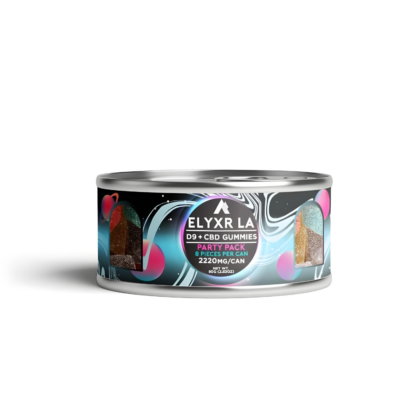
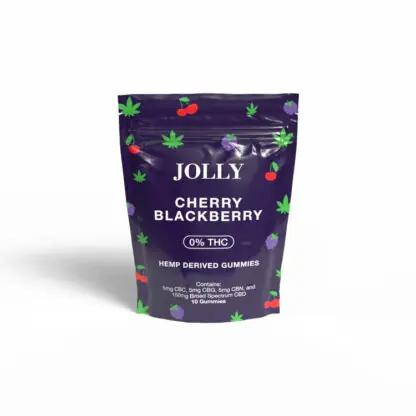
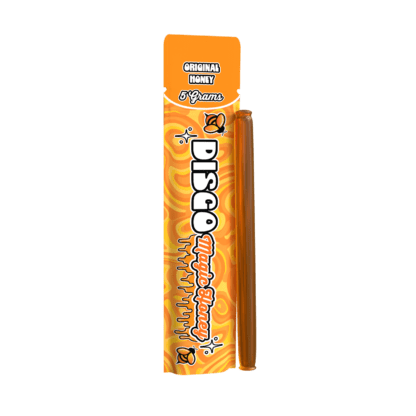
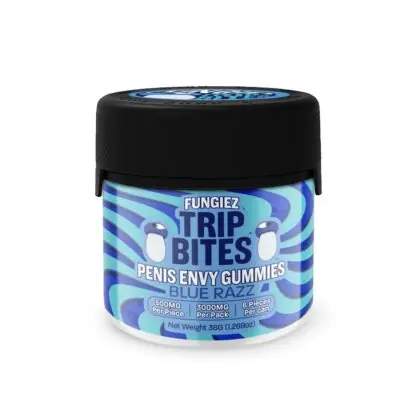
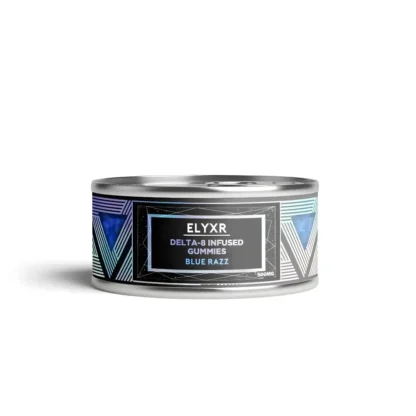
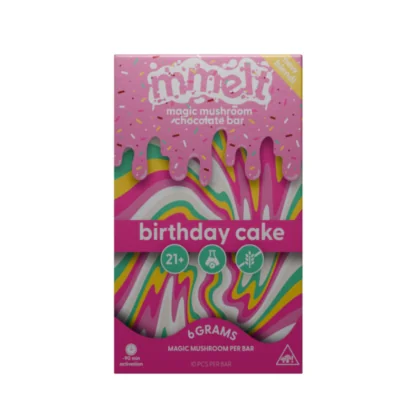
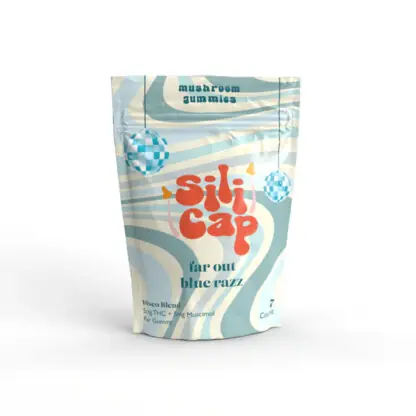
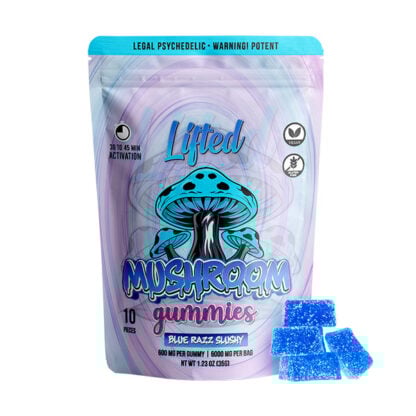
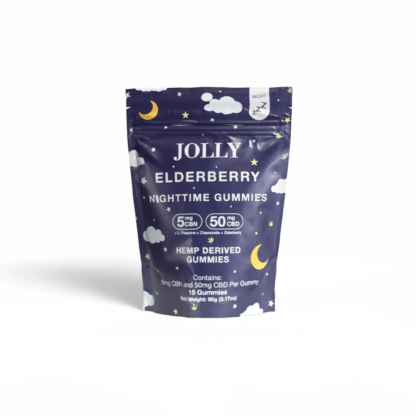
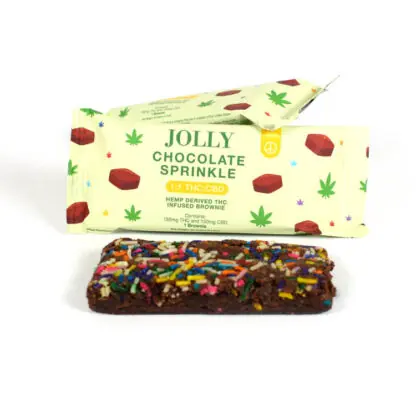
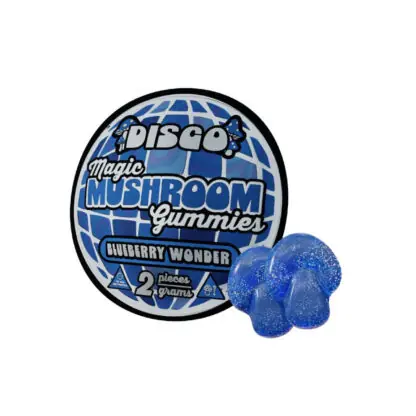
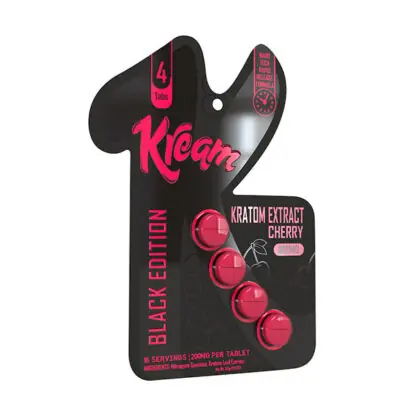
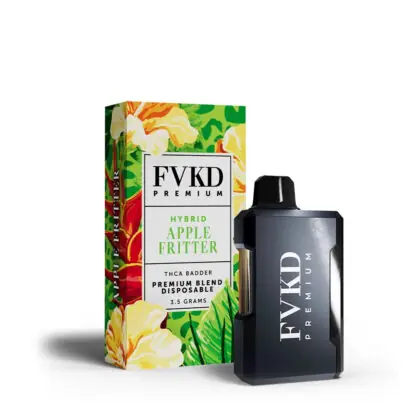
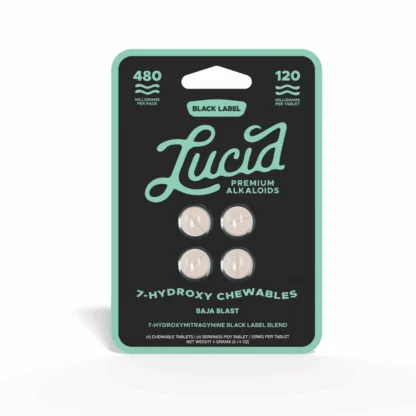
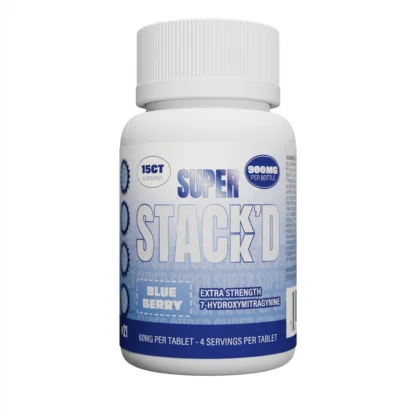
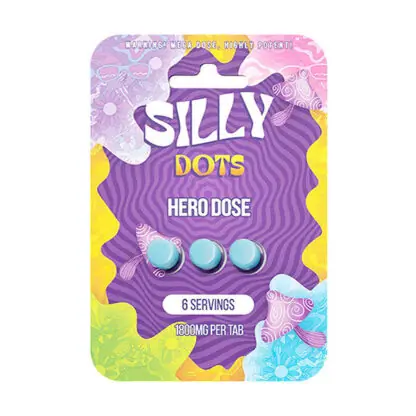
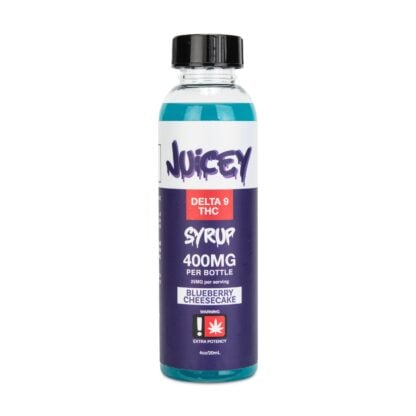
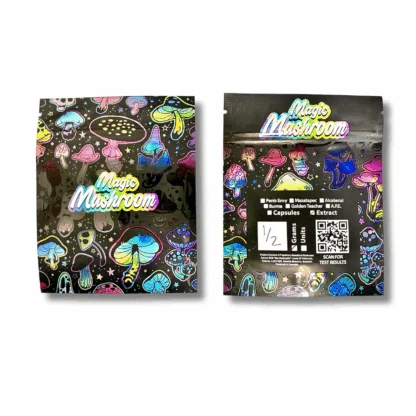
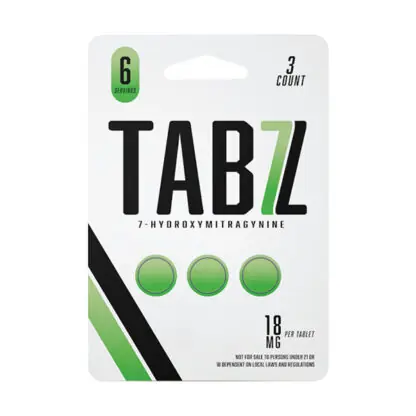
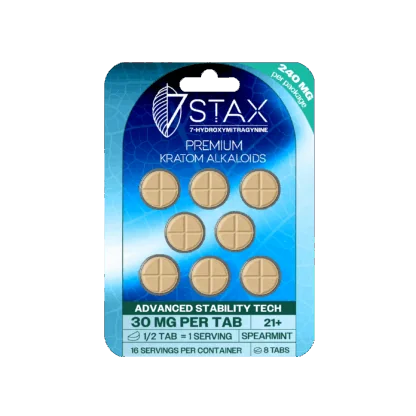
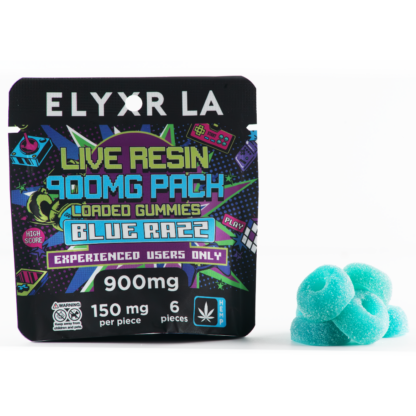
An edible is any product designed to be eaten rather than inhaled, and this collection spans gummies, chocolate, infused honey, a brownie and a sugar-free option. The active compounds differ by product: some carry hemp-derived Delta-9 THC, some carry CBD at a stated ratio, some carry Amanita muscaria material, and one carries no THC at all. Read the label on each rather than assuming a shared category. Every batch is third-party tested with a certificate of analysis available.
The word edible describes a delivery route, not an ingredient, and this collection makes that unusually visible.
Some products here carry hemp-derived Delta-9 THC, measured under the federal hemp framework. Some pair Delta-9 with CBD at a fixed ratio. Some carry Amanita muscaria material, where the active compound is muscimol and the applicable rules are different again. One carries no THC at all.
These are not variations on a theme. They are different compounds with different regulatory treatment, and the only reliable way to know which is which is the ingredient panel and the certificate of analysis. A shared shelf is not a shared category.
Why Onset Times Vary So Widely
This is the most common question in the category and most answers give a range without explaining it. The range exists because two different absorption routes are in play.
Anything absorbed through the tissue of the mouth, which includes lozenges, some hard candies and anything held rather than chewed and swallowed, enters circulation directly. Anything swallowed goes through the digestive system and the liver first, which takes considerably longer and changes what arrives.
That is the main variable. Around it sit several others: whether you have eaten, what you have eaten, individual metabolism, and the fat content of the product itself, since cannabinoids are fat-soluble and a fatty carrier such as chocolate or honey behaves differently from a pectin gummy.
Which is why published ranges are wide, and why the same product can behave differently on two occasions for the same person. Read the label, and if a product page states a manufacturer’s guidance, follow that rather than a general figure.
Reading a Mixed-Cannabinoid Label
Four things to establish on any product in this collection, in order.
Which compounds are present. Delta-9, CBD, muscimol, or a combination. The product name usually says, but not always in full.
The amount of each, per piece rather than per pack. A pack figure divided by count gives the per-piece number, and brands print whichever is larger.
The ratio, where one is stated. A 1:25 gummy has twenty-five parts CBD to one part Delta-9, CBD first. That is a formulation convention rather than a claim.
The count. A brownie is one unit; a 15-count bag is fifteen. Under the rules arriving in December, a bag is a container and the whole bag is what gets measured.
The Per Container Cap Changes How Edibles Are Labeled
Section 781 of the FY2026 appropriations act caps finished hemp products at 0.4 mg total THC per container. H.R. 6500, signed September 2, 2026, moved the effective date for non-synthetic hemp cannabinoids to December 11, 2026.
The per-container wording is what makes this significant for edibles specifically. Almost every product in this category is multi-serve. A fifteen-count bag counts as one container and the total across all fifteen pieces is what is measured, not the per-gummy figure that packaging leads with. Industry analysis estimates the change reaches roughly 95 percent of existing hemp cannabinoid products.
Amanita products in this collection are not affected by that particular rule, since muscimol is not THC. They sit under a separate framework covered on our mushroom collections. Confirm current federal and state law before ordering.
Storage and Shelf Life by Format
Format changes the failure mode, so the advice is not uniform.
Gummies fuse in heat and dry out once opened. Sealed, cool, dark, original packaging.
Chocolate blooms if it goes through a temperature cycle and absorbs odors in a refrigerator. Cool cupboard, wrapper on, not the fridge.
Honey crystallizes over time, which is normal and reversible with gentle warmth, though heat also degrades cannabinoids, so warm it as little as will do the job.
Baked products have the shortest life of anything here and follow ordinary food safety rules first, cannabinoid stability second.
Across all of them: keep the batch number with the product, keep them well out of reach of children and pets, and note that everything in this collection looks like ordinary confectionery.
Testing and Batch Documentation
Every product here is third-party tested at batch level with certificates available through our lab reports page. A useful report lists cannabinoids individually rather than as a total, so Delta-9 and CBD are separately visible, and includes contaminant panels for heavy metals, pesticides, residual solvents and microbials. For the Amanita products, the report should also show muscimol as a measured figure and screen for undeclared actives.
Sales are restricted to buyers aged 21 and over. These products have not been evaluated by the FDA and are not intended to diagnose, treat, cure or prevent any disease.
FAQ's
What counts as an edible?
Any product designed to be eaten rather than inhaled. In this collection that spans gummies, chocolate, infused honey, a brownie and a sugar-free option. The term describes the delivery route, not the ingredient, which is why products with quite different active compounds sit under the same heading.
Why do edibles take different amounts of time to work?
Because two absorption routes are involved. Anything absorbed through the tissue of the mouth enters circulation directly. Anything swallowed passes through the digestive system and liver first, which takes longer. Whether you have eaten, individual metabolism and the fat content of the carrier all add further variation.
Do all the products in this collection contain THC?
No. Some carry hemp-derived Delta-9, some pair it with CBD at a stated ratio, some carry Amanita muscaria material where muscimol is the active compound, and one carries no THC at all. Read the ingredient panel and the certificate of analysis on each rather than assuming a shared category.
What does the per container cap mean for a bag of gummies?
From December 11, 2026, finished hemp products face a cap of 0.4 mg total THC per container. A multi-count bag is one container, so the total across every piece is what gets measured rather than the per-gummy figure the packaging leads with. That is what makes the rule significant for edibles.
How should I store edibles?
It depends on format. Gummies want sealed, cool and dark. Chocolate wants a cool cupboard rather than a refrigerator, since condensation causes bloom. Honey crystallizes naturally and needs only gentle warmth. Baked products have the shortest life and follow ordinary food safety rules first.
Do edibles expire?
They do, and the date printed on the packaging is the figure specific to your product. Cannabinoids degrade with light, heat and oxygen, and the food base has its own shelf life independent of that. An opened pack has a shorter useful life than a sealed one.
What is the difference between a 1:1 and a 1:25 product?
The ratio of CBD to Delta-9 THC, CBD stated first. A 1:1 has equal parts of each and a 1:25 has twenty-five parts CBD to one part Delta-9. It is a labeling convention rather than a claim, and it should be read alongside the milligram figures rather than instead of them.
Are the mushroom edibles here the same as the THC ones?
No. The mushroom products carry Amanita muscaria material with muscimol as the active compound, which is a different compound under a different regulatory framework from hemp THC. They are not psilocybin products either. Our mushroom collections cover that framework in full.




 Edibles