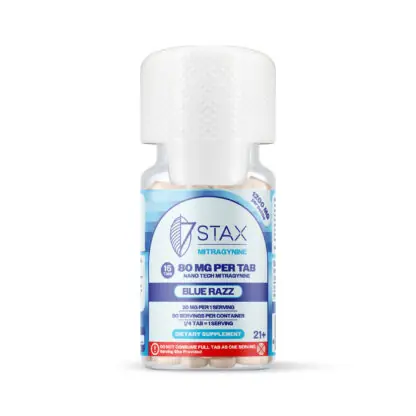
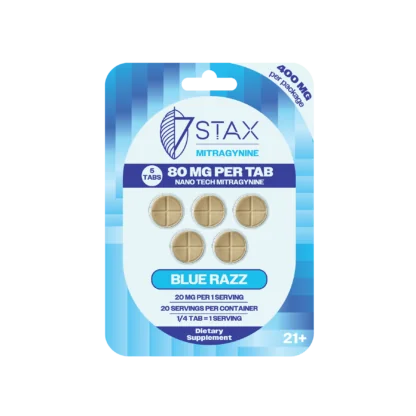
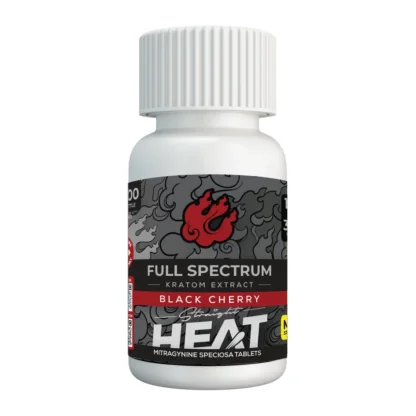
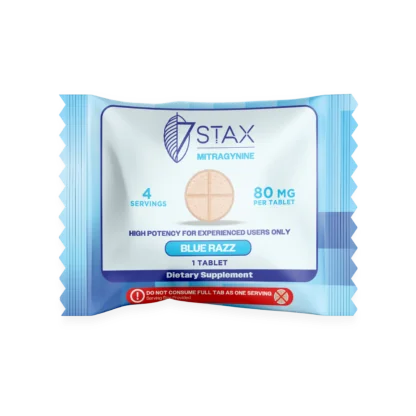
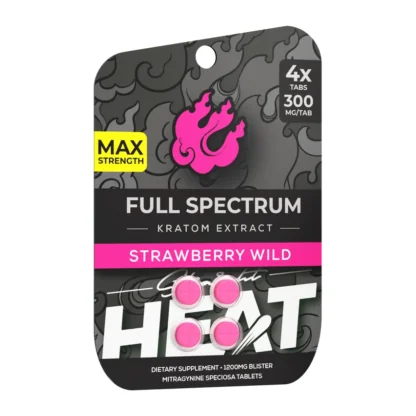
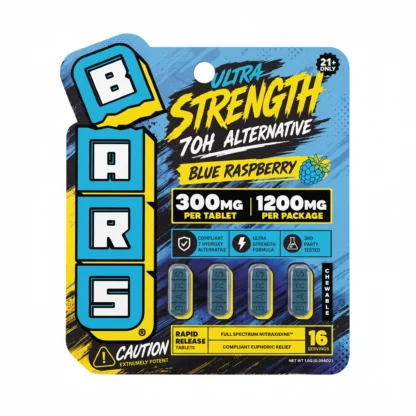
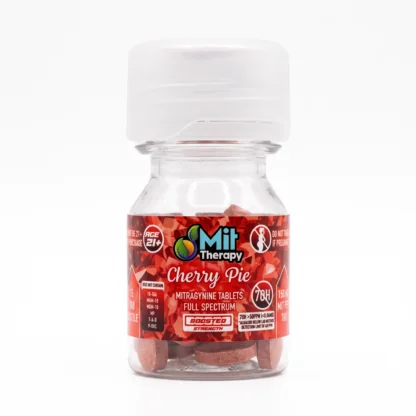
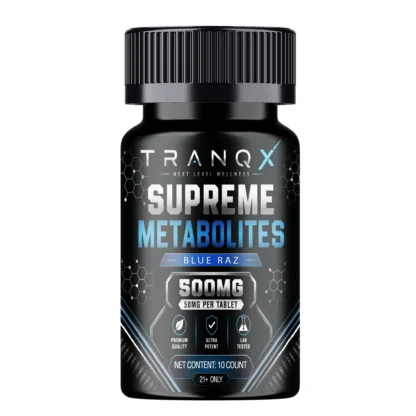
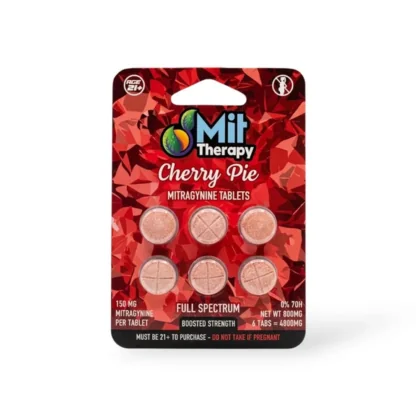
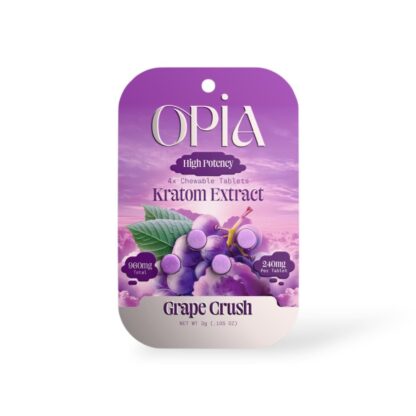
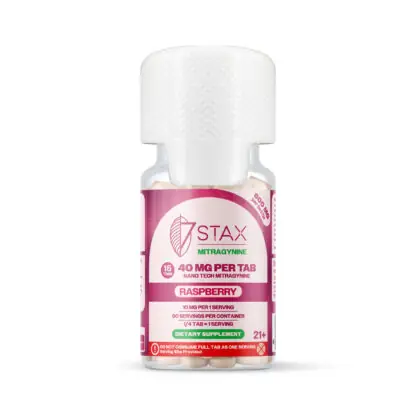
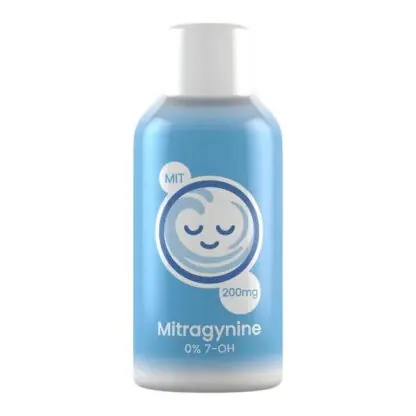
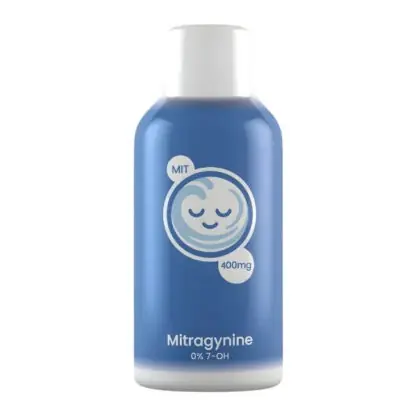
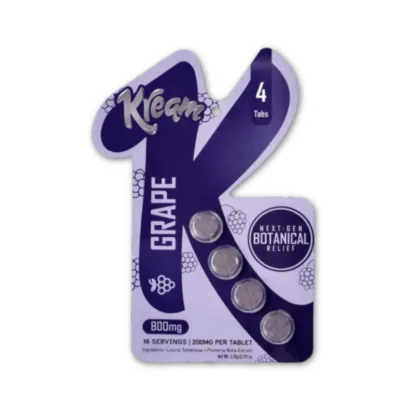
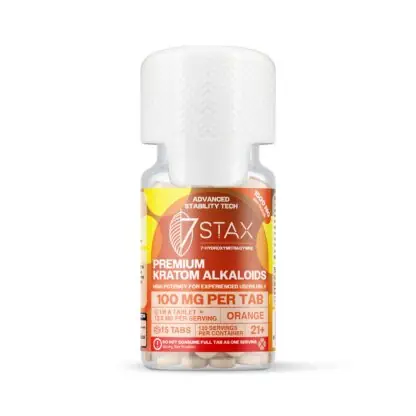
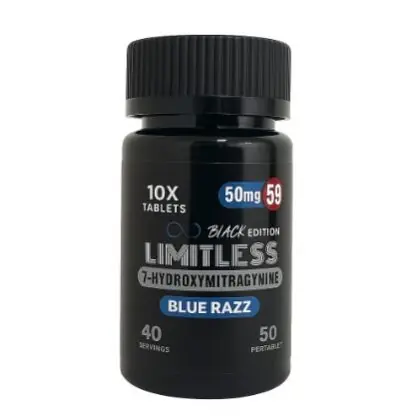
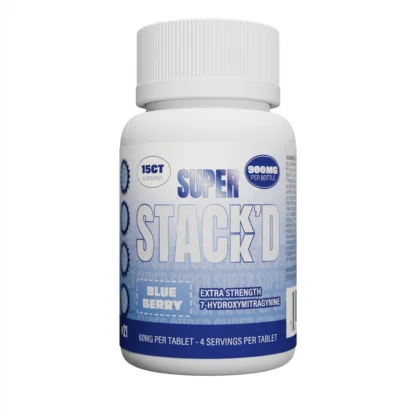
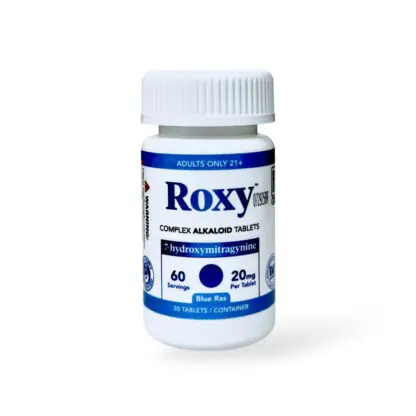
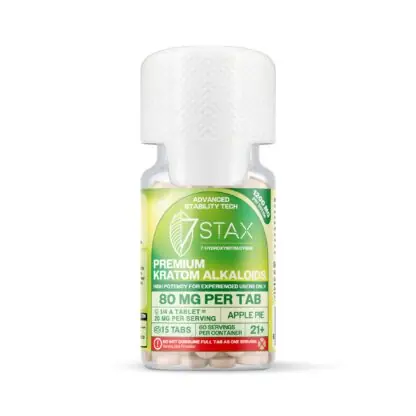
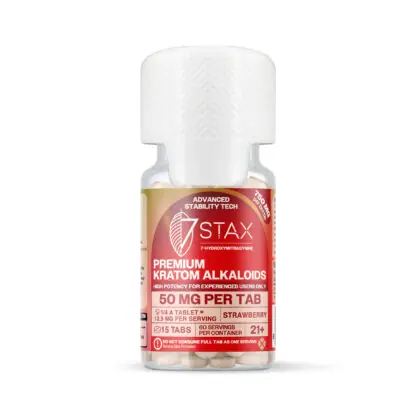
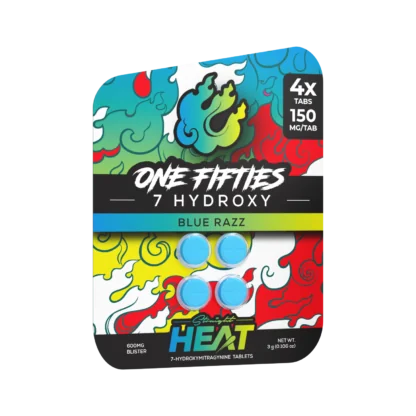
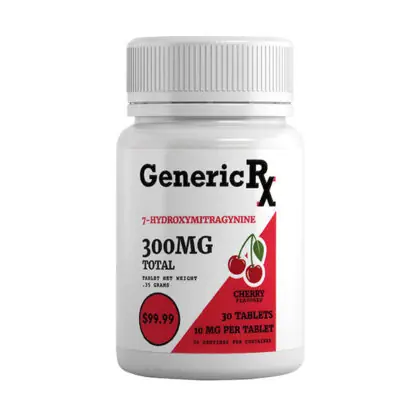
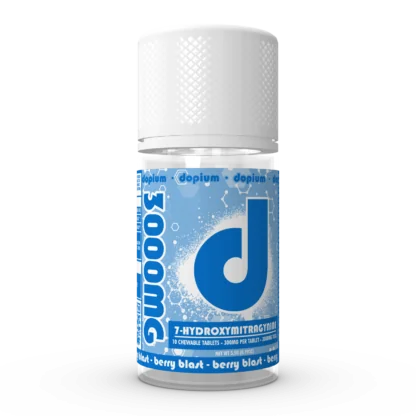
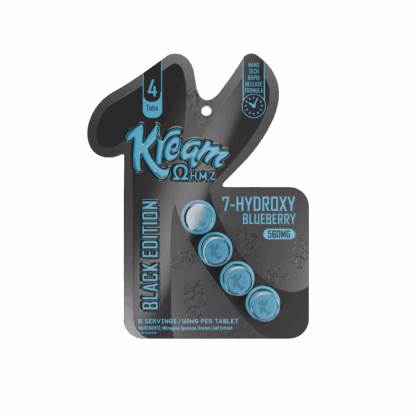
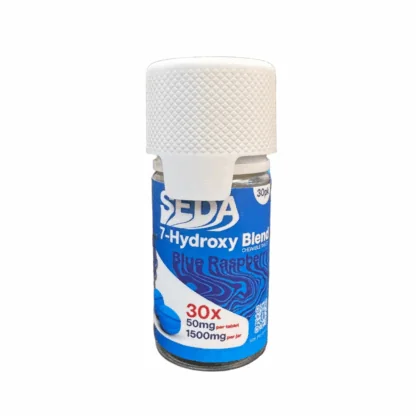
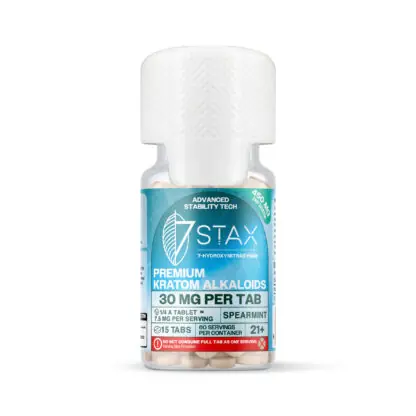
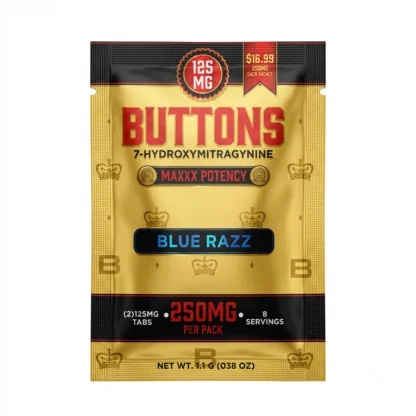
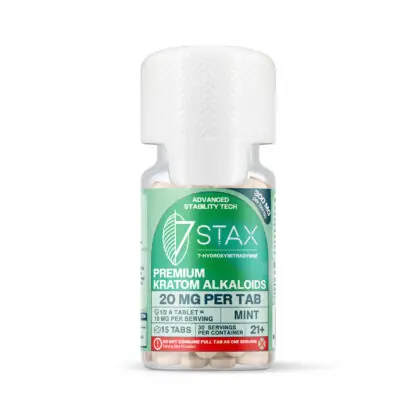
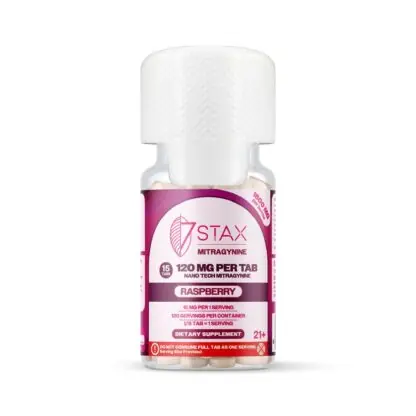
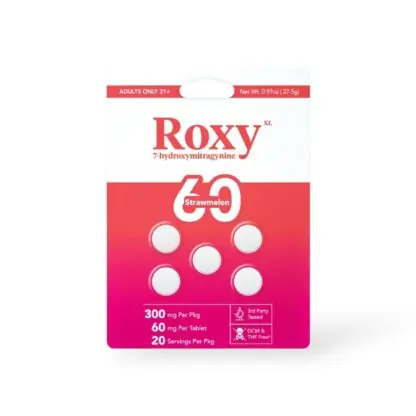
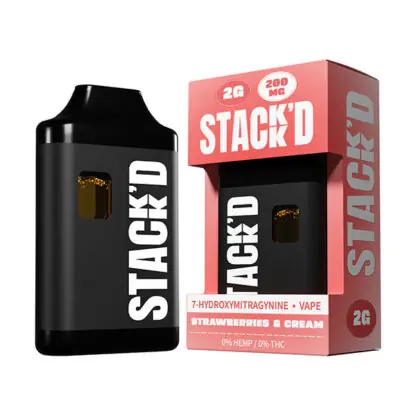
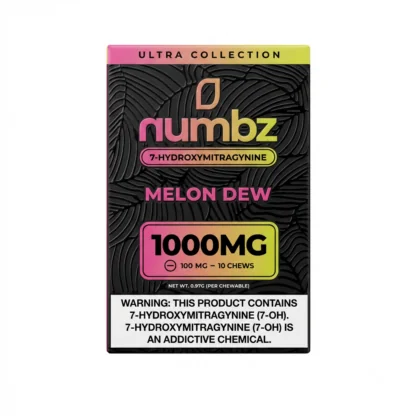
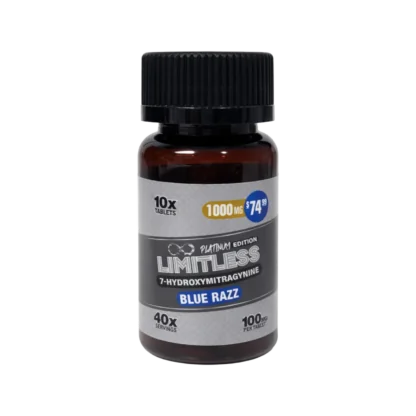
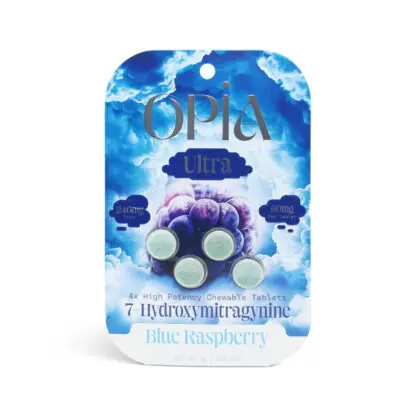
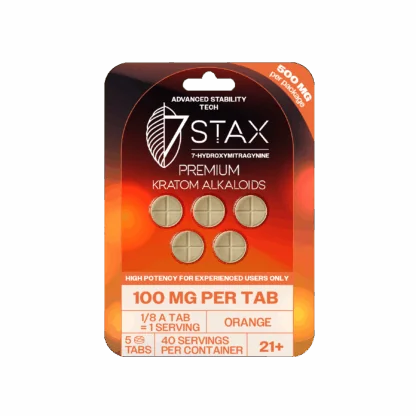
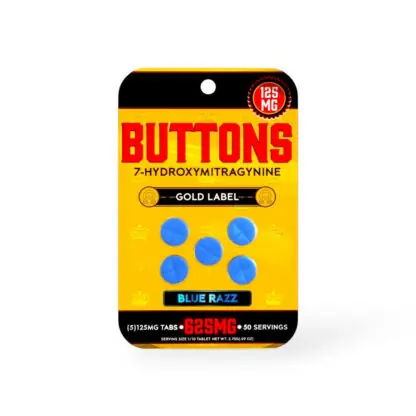
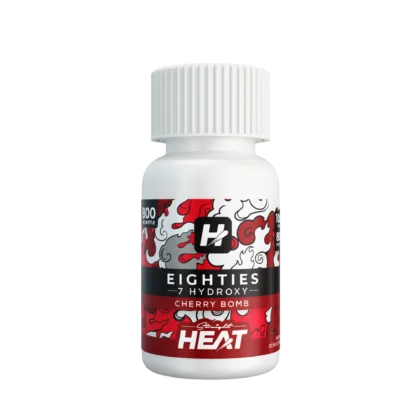
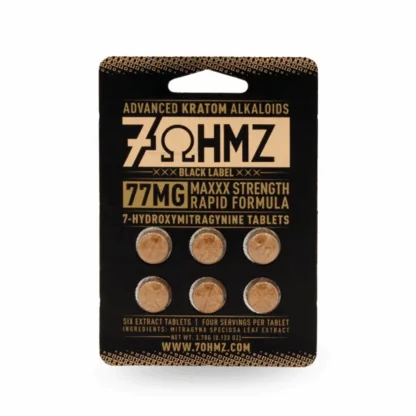
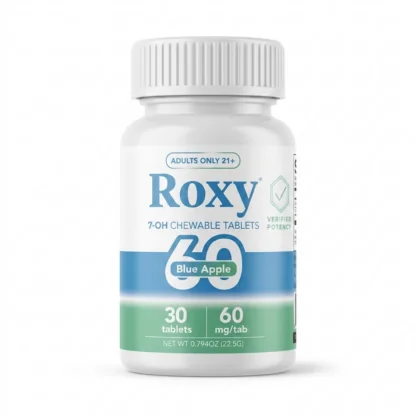
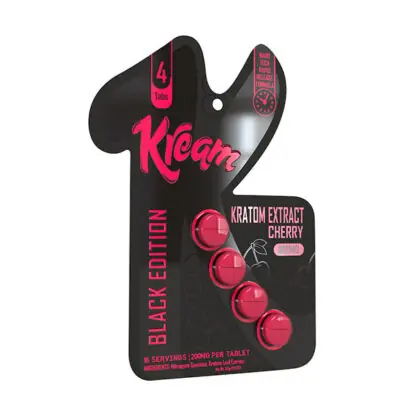
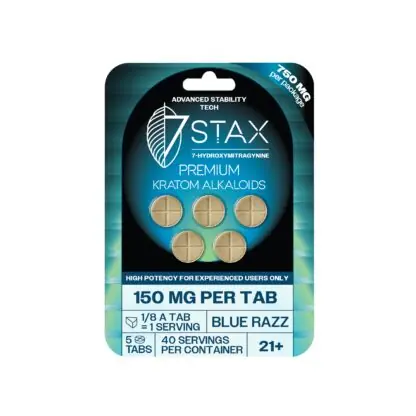
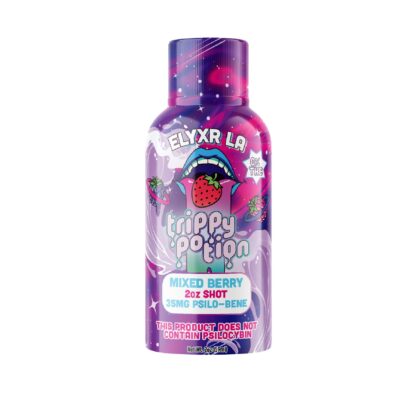
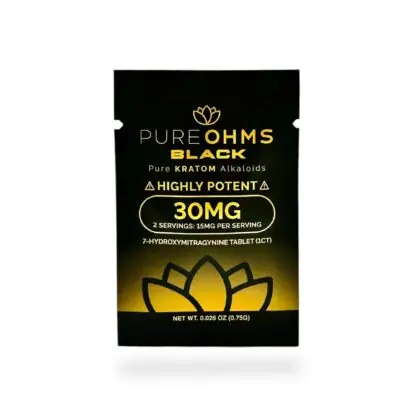
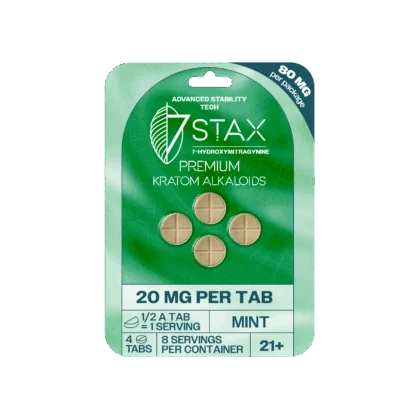
Mitragynine is the primary alkaloid in Mitragyna speciosa, the plant most people know as kratom. This collection brings together mitragynine products from brands like 7Stax, Hydroxie, Kream, and Modus, in tablet and liquid shot formats across a range of labeled alkaloid concentrations. Each listing shows its milligram content and count, and every batch is third-party lab tested with a certificate of analysis available on request. Options here run from single-count tablets to multi-count tins. Kratom and its alkaloids are not evaluated or approved by the FDA, and legal status varies by state. Review each product’s lab data and confirm your local law before you order.
Mitragynine is the most abundant alkaloid in the leaves of Mitragyna speciosa, a tree native to Southeast Asia. Public chemistry summaries describe it as the compound that defines kratom’s profile, since it usually makes up the largest share of the plant’s total alkaloid content. Products labeled “MIT” are built around this alkaloid. Some are pressed tablets, others are liquid shots, and concentrations are listed in milligrams so you can compare one product to another. Mitragynine is sold as a botanical product. It is not a medicine, and nothing on this page is intended to diagnose, treat, or prevent anything.
How Mitragynine Differs From 7-OH and Other Alkaloids?
Kratom leaves contain many alkaloids. The two discussed most often are mitragynine and 7-hydroxymitragynine, usually shortened to 7-OH. Mitragynine is the parent alkaloid and appears in the largest amounts. 7-OH occurs naturally in only trace amounts and, in research models, binds far more strongly at mu-opioid receptors. Pseudoindoxyl products are a separate, more processed category again. The practical takeaway is simple. These are chemically related but distinct compounds, they are labeled differently, and they carry different legal status. For a fuller breakdown, see our guide on 7-OH versus Pseudo.
Product Formats and What the Numbers Mean
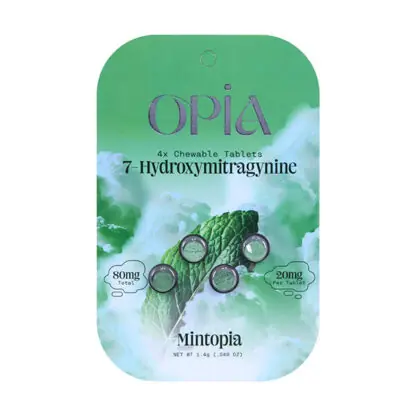
This collection is organized by format and alkaloid type. Tablets are the most common option and range from a single 80mg piece to 15-count tins at higher labeled strengths. Liquid shots offer a different format in set milligram amounts. The number in each product name, such as “500mg” or “1200mg,” refers to the labeled alkaloid content, and the count tells you how many units are in the pack. Reading both together is the clearest way to compare value across brands like 7Stax, Hydroxie, Kream, and Modus.
Lab Testing, COAs, and Quality Standards
Independent testing is the part that matters most in this category. Every product in this collection is third-party lab tested, and a certificate of analysis, or COA, is available so you can confirm what a batch actually contains. A COA typically reports alkaloid content and screens for contaminants such as heavy metals and microbials. Reputable vendors also follow the American Kratom Association’s GMP standards program, which sets manufacturing and labeling expectations for the category. When a brand publishes its lab results and its alkaloid figures line up with the label, that is the signal worth trusting.
Legal and Regulatory Status
Regulatory context changes quickly, so treat this as a starting point rather than legal advice. Mitragynine, the parent alkaloid, is not on the federal controlled substances list, though kratom imports remain subject to FDA Import Alert 54-15. In July 2026, federal authorities moved to temporarily place certain related substances, including 7-OH above a set threshold and mitragynine pseudoindoxyl, into Schedule I. At the state level, kratom and its alkaloids are prohibited in Alabama, Arkansas, Connecticut, Indiana, Louisiana, Tennessee, Vermont, and Wisconsin. Many other states regulate sales under Kratom Consumer Protection Act rules, which commonly set a 21-and-over age minimum. Always confirm the current law where you live.
What to Check Before You Buy?
A few habits make this category easier to shop. Match the alkaloid figure on the label to the COA for that batch. Note the milligram content and count so you are comparing like with like. Confirm the brand tests with an accredited lab and shares results on request. Check your state and any local rules first. And read each product page in full, since formats, alkaloid profiles, and pack sizes differ from one listing to the next.
FAQ's
What is mitragynine?
Mitragynine is the primary alkaloid in Mitragyna speciosa, the plant commonly called kratom. Public chemistry summaries describe it as the most abundant compound in the leaf and the one that defines kratom’s alkaloid profile. Products labeled “MIT” are formulated around this alkaloid and are sold as botanical products, not as medicines or dietary supplements approved by the FDA.
How is mitragynine different from 7-hydroxymitragynine (7-OH)?
Both are kratom alkaloids, but they are not the same compound. Mitragynine is the parent alkaloid and occurs in the largest amounts in the leaf. 7-OH occurs naturally in only trace amounts and, in research models, is described as much more potent at mu-opioid receptors. They also carry different legal status, so it is worth reading each product label closely.
What forms do mitragynine products come in?
In this collection, mitragynine products are sold mainly as pressed tablets and liquid shots. Tablets range from single pieces to multi-count tins across several labeled milligram strengths. Shots provide a liquid format in set alkaloid amounts. The milligram figure in each product name refers to labeled alkaloid content, and the count shows how many units are included.
How are mitragynine products lab tested?
Reputable mitragynine products are tested by an independent, third-party laboratory. A certificate of analysis, or COA, reports the alkaloid content and screens for contaminants such as heavy metals and microbial growth. Comparing the COA figures against the product label is the clearest way to verify that a batch contains what the packaging says it does.
Is mitragynine legal to buy?
Legality depends on where you live. Mitragynine, the parent alkaloid, is not federally scheduled, though kratom imports fall under FDA Import Alert 54-15. Kratom and its alkaloids are prohibited in Alabama, Arkansas, Connecticut, Indiana, Louisiana, Tennessee, Vermont, and Wisconsin. Some related compounds face newer federal restrictions. Confirm your current state and local law before ordering.
What does the American Kratom Association GMP mean?
The American Kratom Association, or AKA, runs a Good Manufacturing Practices program for kratom vendors and manufacturers. Participants agree to standards covering testing, labeling, and production. AKA GMP qualification is a voluntary industry marker, not a government approval, but it signals that a brand has committed to consistent manufacturing and disclosure practices in a category with limited federal oversight.
What is FDA Import Alert 54-15?
Import Alert 54-15 is a standing FDA measure that allows detention, without physical examination, of dietary supplements and bulk ingredients that are or contain Mitragyna speciosa or kratom. It reflects the FDA’s position that kratom is not an approved dietary ingredient. It applies to imports and is separate from state-level legality inside the United States.
How should mitragynine products be stored?
Store mitragynine tablets and shots in a cool, dry place, away from direct sunlight, heat, and humidity. Keep them sealed in their original packaging until use, and keep them out of reach of children and pets. Proper storage helps preserve product integrity and keeps label and batch information with the product for reference.