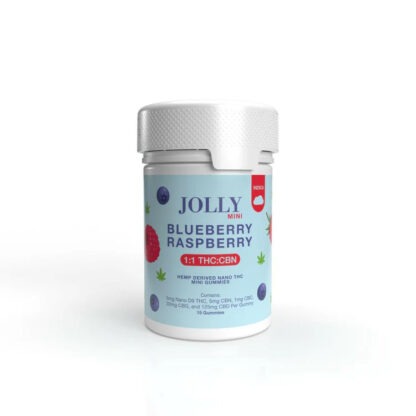
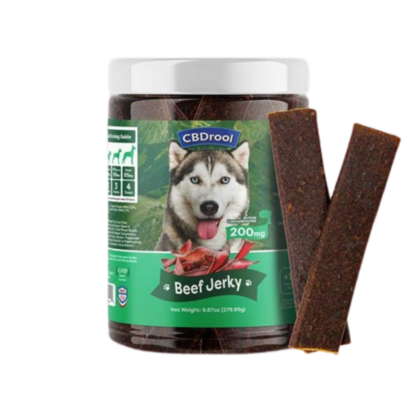
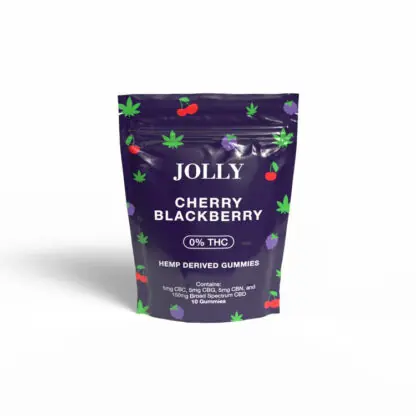
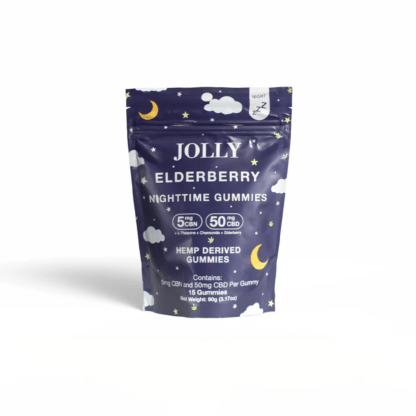
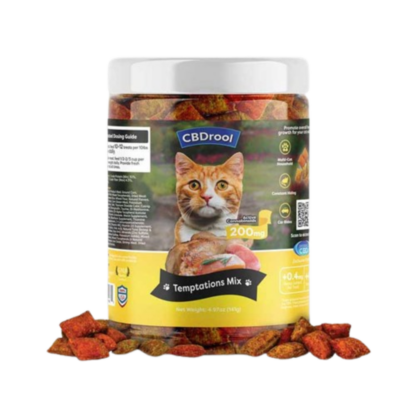
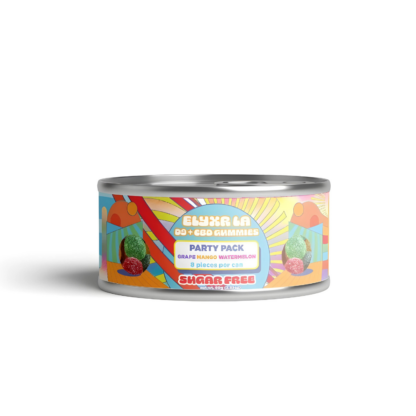
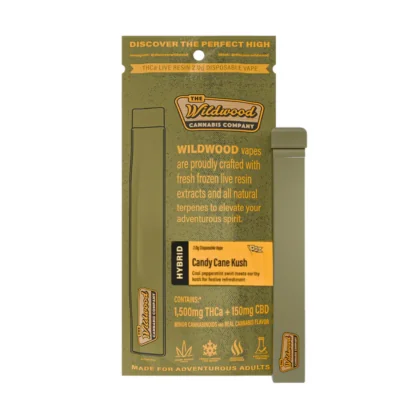
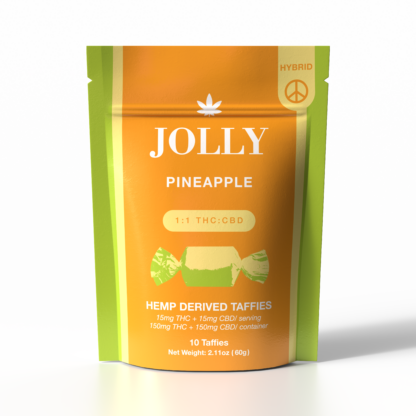
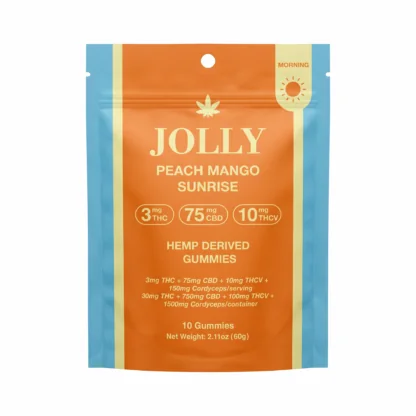
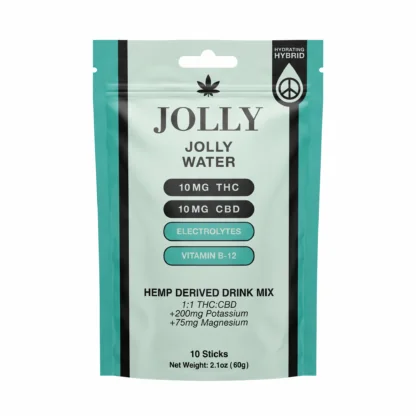
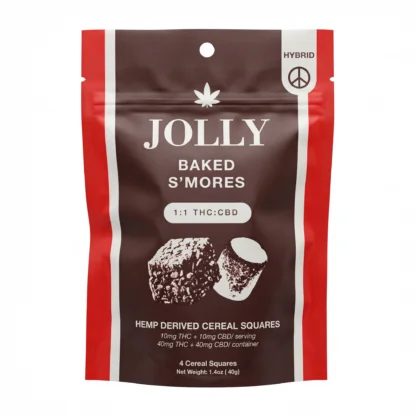
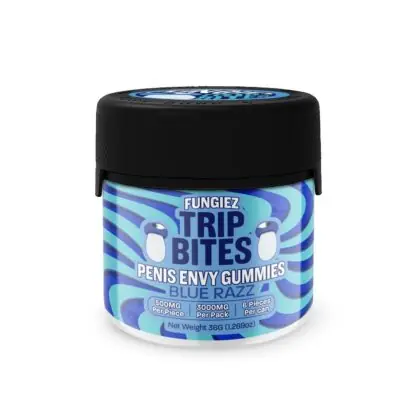
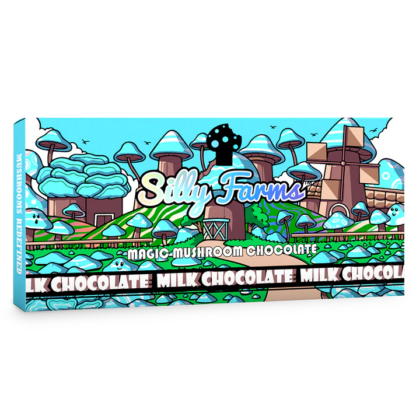
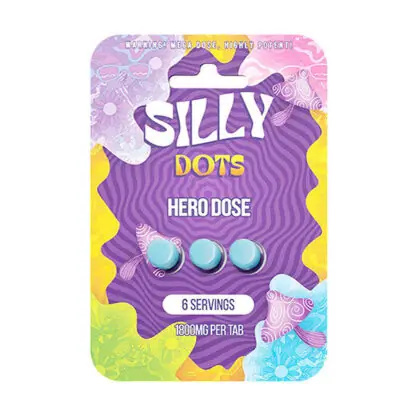
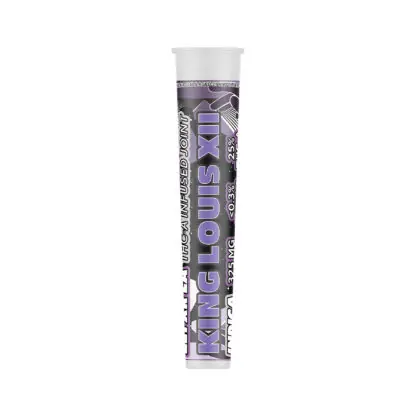
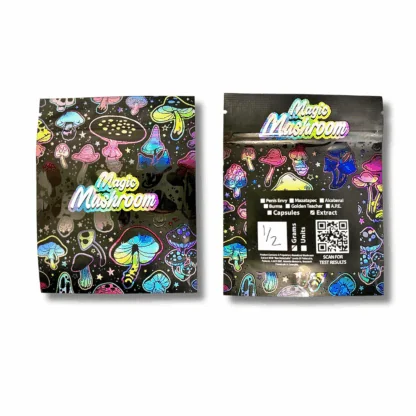
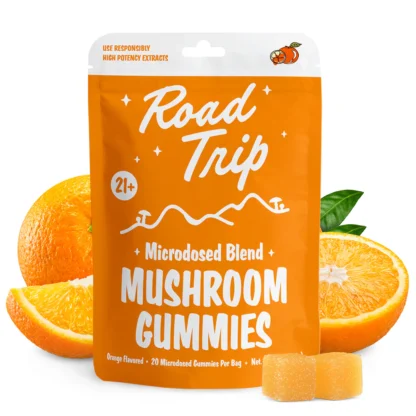
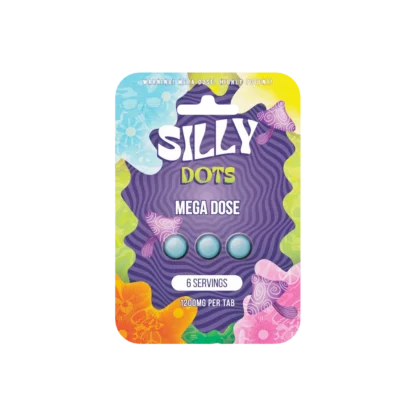
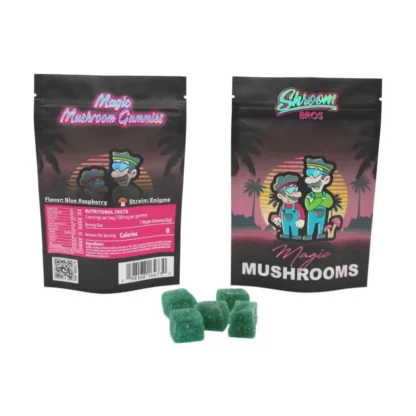
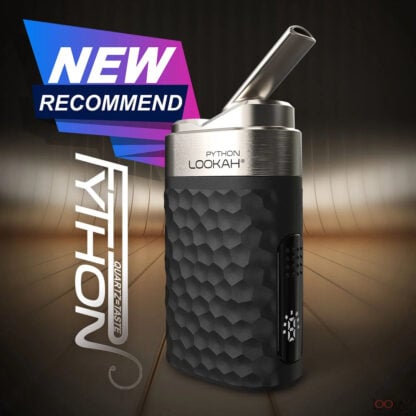
Cannabidiol is a non-intoxicating cannabinoid found in hemp, and it is measured and regulated separately from THC. This collection carries CBD gummies, a CBD cartridge, ratio products pairing CBD with hemp-derived Delta-9 at fixed proportions, and a pet product, each with a batch certificate of analysis. CBD occupies an unusual regulatory position: it is not a controlled substance, but the FDA does not permit it in conventional food or dietary supplements. The legal section below explains both that and the container cap arriving in December.
What CBD Is, and What Is Actually in This Collection
Cannabidiol is one of the major cannabinoids in hemp. Unlike Delta-9 THC it does not bind strongly at CB1 receptors, which is why it is described as non-intoxicating. That word does the work in this category and it is a statement about receptor binding, not a claim about anything else.
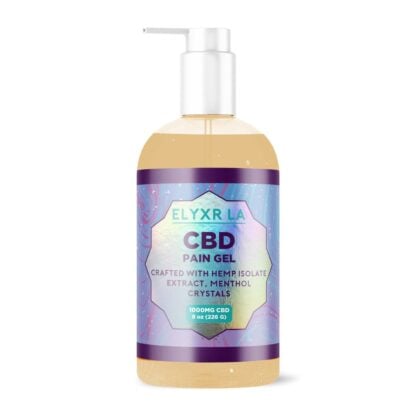
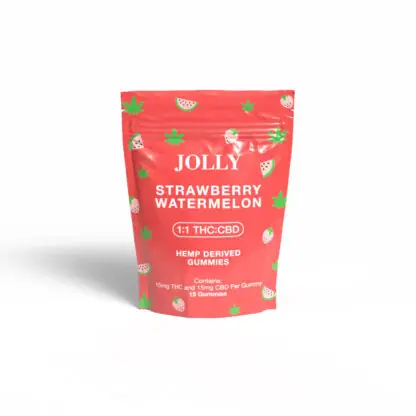
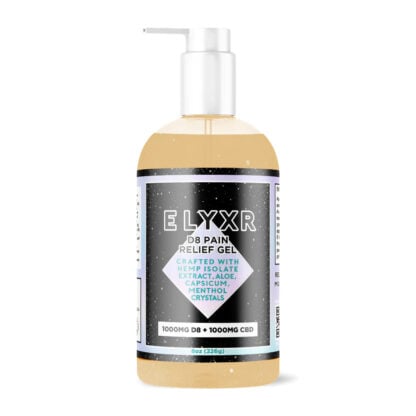
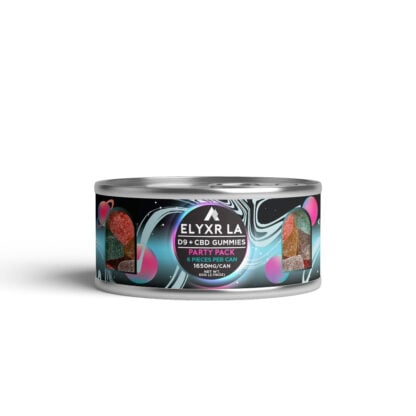
Be clear about the range on this page, because the name is broader than the contents. Most listings here pair CBD with hemp-derived Delta-9 THC at a stated ratio. There is a CBD cartridge, a zero-THC gummy, a combination disposable and a pet product. Tinctures, capsules and topicals are not currently in this collection despite appearing in the page title. If you came looking for a CBD isolate tincture, this is not yet the right page
Full Spectrum, Broad Spectrum and Isolate
Three terms that determine both what you are buying and, from December, whether it can be sold.
Full spectrum keeps the plant’s whole cannabinoid and terpene profile, including trace THC. Broad spectrum keeps most of that profile but has THC removed. Isolate is CBD alone, typically above 99 percent pure, with everything else stripped out.
The distinction has always mattered for drug testing, since a full spectrum product contains THC and standard screening looks for THC metabolites. From December it matters far more, for the reason set out two sections below.
Where the FDA Stands on CBD
This is the part almost no retailer states accurately, and it has nothing to do with the THC rules.
CBD is the active ingredient in Epidiolex, a prescription drug approved for seizures associated with Lennox-Gastaut syndrome, Dravet syndrome and tuberous sclerosis complex. Under section 201(ff)(3)(B) of the Federal Food, Drug, and Cosmetic Act, once a substance is an active ingredient in an approved drug, products containing it are excluded from the definition of a dietary supplement. Section 301(ll) separately prohibits introducing into interstate commerce any food to which such a substance has been added.
In January 2023 the FDA concluded that the existing frameworks for foods and supplements are not appropriate for CBD and said a new regulatory pathway from Congress is needed. No such legislation has passed. In April 2026 the agency issued a narrow enforcement discretion letter covering hemp-derived CBD furnished through a specific Medicare pilot program under physician direction, which does not extend to retail sale.
The practical position: CBD is not a controlled substance, and it is also not an approved food or supplement ingredient. Both are true, and collapsing them into “CBD is legal” is the error running through this category.
The 0.4 mg Container Cap Reaches Full Spectrum CBD Too
Section 781 caps finished hemp products at 0.4 mg total THC per container, counted across the whole container rather than per serving. H.R. 6500, signed September 2, 2026, moved the effective date for non-synthetic hemp cannabinoids to December 11, 2026. A full spectrum CBD product contains trace THC by definition, and a container holds many servings, so the arithmetic bites hard. Analysis published by Frier Levitt in March 2026 notes an industry estimate that 90 percent or more of non-intoxicating full spectrum CBD products would fall outside the amended definition.
Broad spectrum and isolate are the formats that survive that test comfortably. If full spectrum matters to you, read the total THC figure on the COA against the container size rather than the per-serving figure. Confirm current federal and state law before ordering.
Reading a Ratio and a CBD Label
Several products here state a ratio such as 1:1 or 1:25. That is the proportion of CBD to Delta-9 THC, CBD stated first. A 1:1 product has equal parts; 1:25 has twenty-five parts CBD to one part Delta-9.
The ratio is a formulation convention, not a claim. What it is useful for is comparison, because two products with the same CBD figure and different ratios contain very different amounts of THC, and that changes both the price per milligram and where the product stands under the container cap.
On the COA itself, look for cannabinoids reported individually rather than as a single total, so CBD and Delta-9 are separately visible. Then check the batch number against your packaging and read the contaminant panels.
Storage, Pets and Age Restriction
Store sealed, cool, dark and dry, in the original packaging so the batch number stays with the product. Cannabinoids degrade with light, heat and oxygen exposure regardless of which one they are.
The pet product in this collection is formulated for animals and should not be substituted with a product intended for people, since the concentrations and the excipients differ. Speak to a veterinarian about anything you give an animal.
Sales are restricted to buyers aged 21 and over. These products have not been evaluated by the FDA and are not intended to diagnose, treat, cure or prevent any disease.
FAQ's
What is CBD?
Cannabidiol, one of the major cannabinoids in hemp. It does not bind strongly at CB1 receptors, which is why it is described as non-intoxicating, unlike Delta-9 THC. It is measured separately from THC on a certificate of analysis and sits under a different set of regulatory rules.
Is CBD legal?
Two separate answers that are usually collapsed into one. CBD is not a controlled substance. Separately, because it is the active ingredient in the approved drug Epidiolex, the FDA’s position is that it cannot lawfully be added to conventional food or sold as a dietary supplement. Both statements are true at once.
What is the difference between full spectrum, broad spectrum and isolate?
Full spectrum keeps the plant’s whole cannabinoid and terpene profile including trace THC. Broad spectrum keeps most of it with THC removed. Isolate is CBD alone, typically above 99 percent pure. The difference matters for drug testing, and from December 2026 it matters for whether a product meets the federal hemp definition.
Does the 2026 hemp change affect CBD?
Yes, and more than most coverage suggests. The 0.4 mg total THC per container cap is a mass test that does not care whether a product is intoxicating. Full spectrum CBD contains trace THC by definition, and published analysis estimates 90 percent or more of full spectrum products would fall outside the amended definition.
Will CBD show up on a drug test?
Standard screening looks for THC metabolites rather than CBD. A full spectrum product contains trace THC and can therefore produce a positive result. Broad spectrum and isolate carry less risk but are not a guarantee, since testing thresholds and product accuracy both vary. This is not medical or legal advice.
What does a 1:1 or 1:25 ratio mean?
The proportion of CBD to Delta-9 THC in the formula, CBD stated first. A 1:1 product contains equal parts of each; 1:25 contains twenty-five parts CBD to one part Delta-9. Read it alongside the milligram figures rather than instead of them, since the ratio alone does not tell you the amounts.
Can I give CBD to my dog?
There is a pet-formulated product in this collection, and it should not be swapped for a product intended for people, because concentrations and excipients differ. Speak to a veterinarian before giving any cannabinoid product to an animal. We cannot offer guidance on animal use.
Why does this page list gummies rather than tinctures?
Because the collection currently carries gummies, a cartridge, ratio blends and a pet product. The title has not caught up with the range. If you are looking for tinctures, capsules or topicals, check back or contact us, since those formats are named on the page but not currently stocked here.






 CBD Products