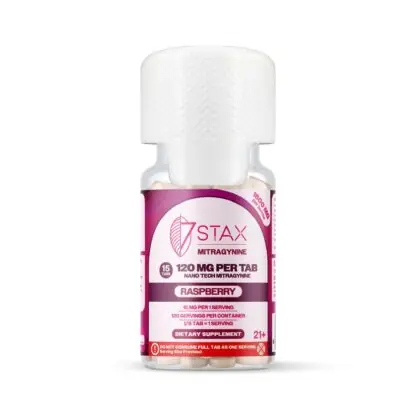
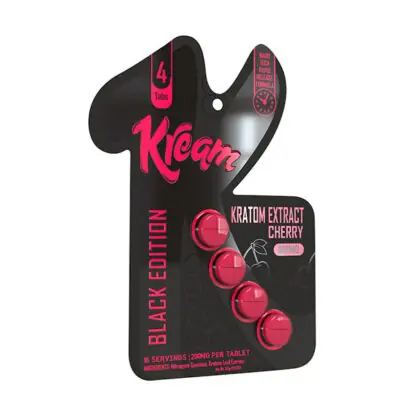
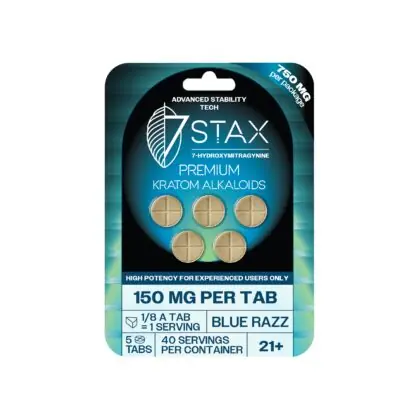
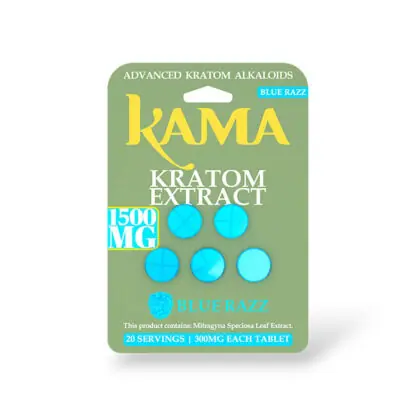
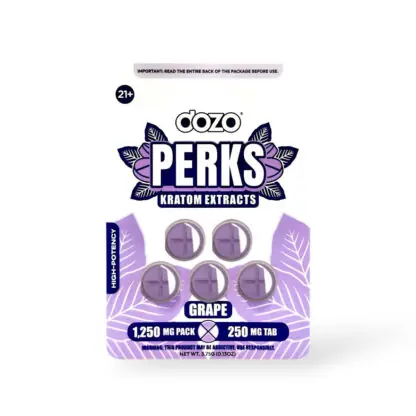
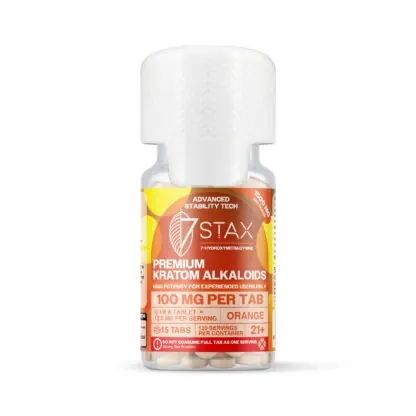
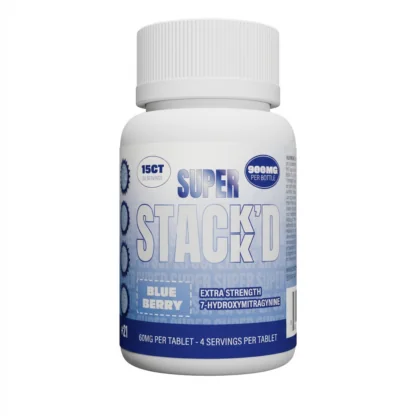
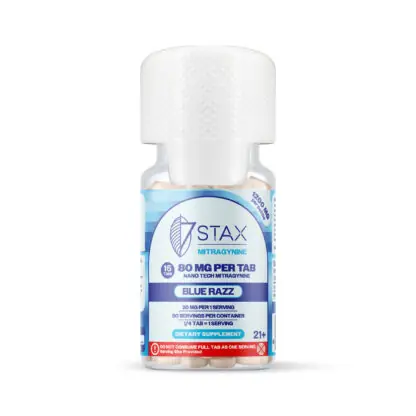
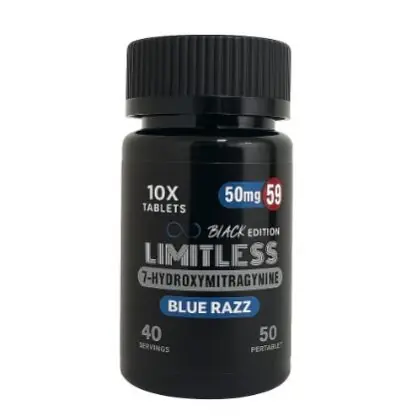
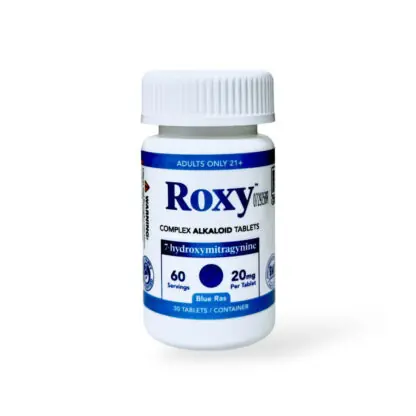
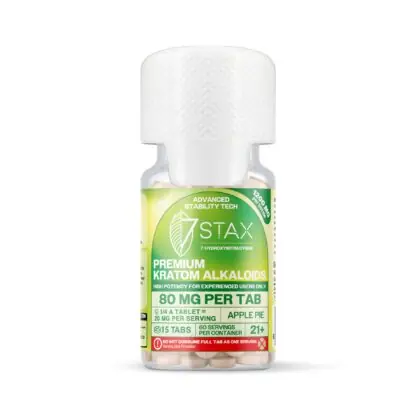
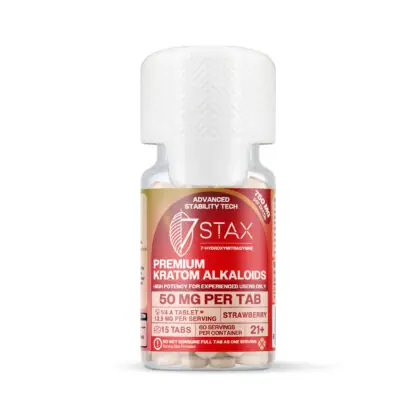
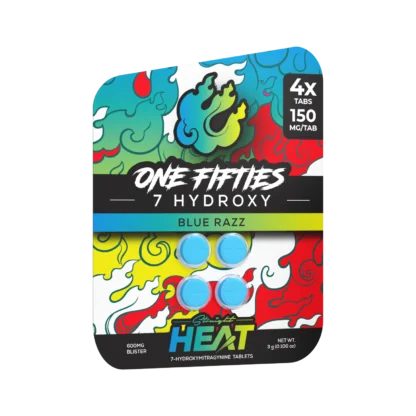
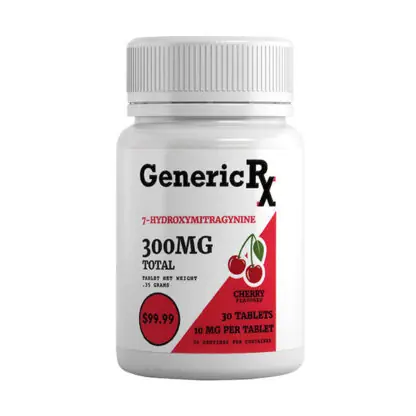
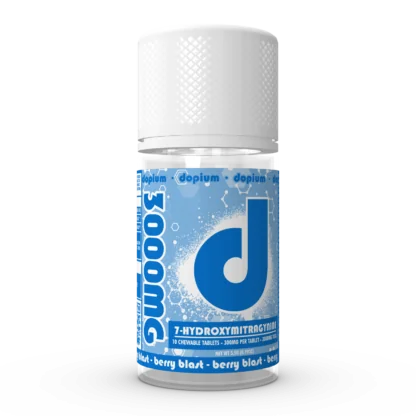
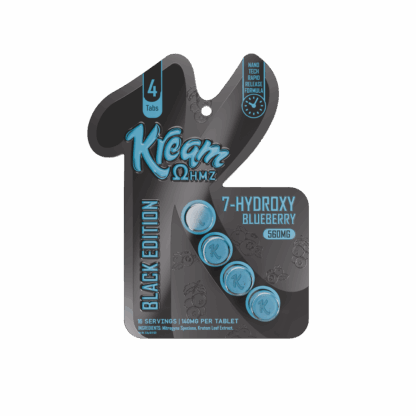
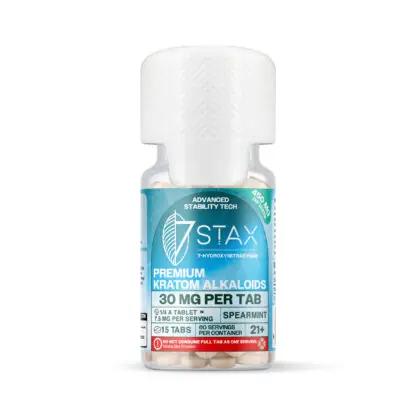
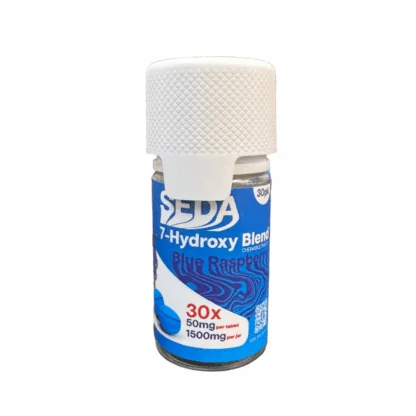
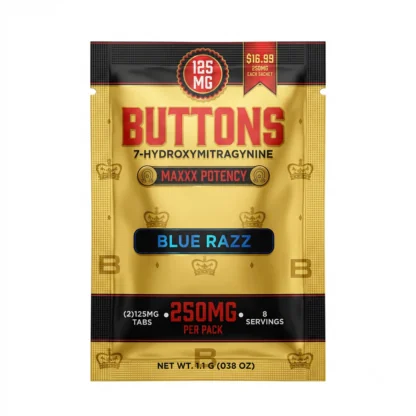
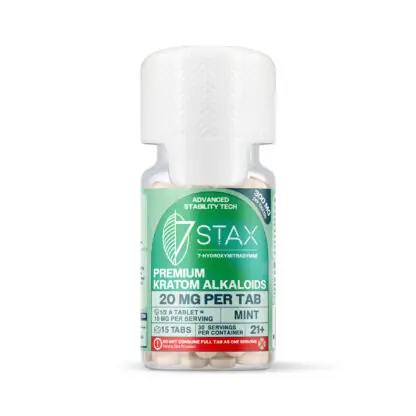
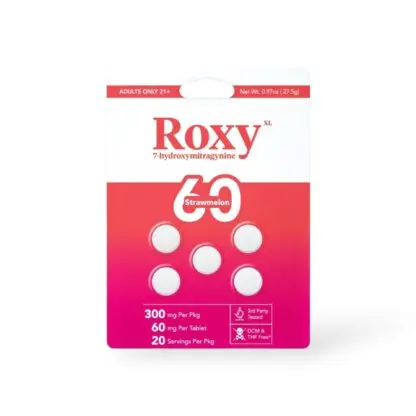
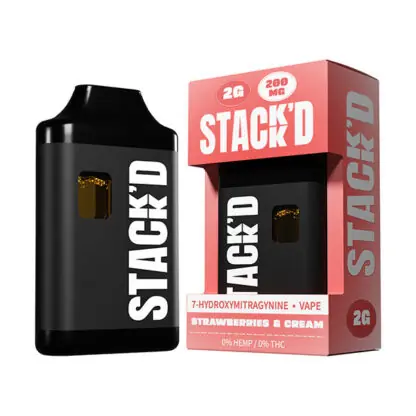
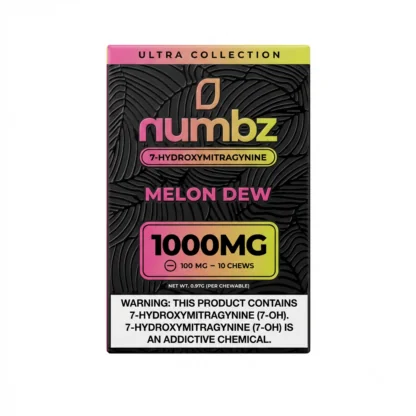
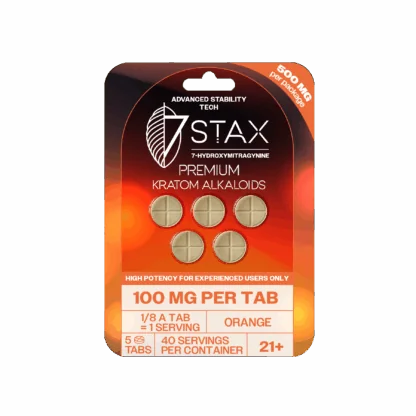
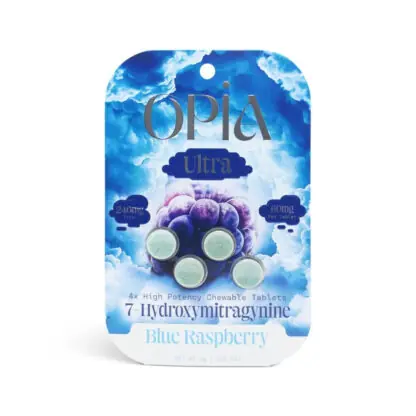
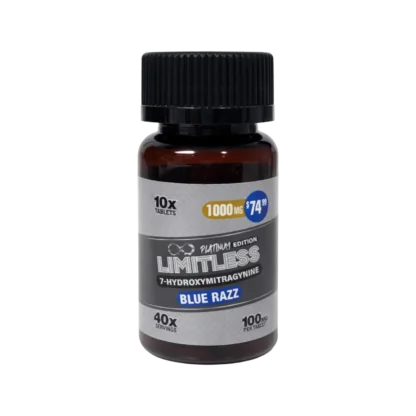
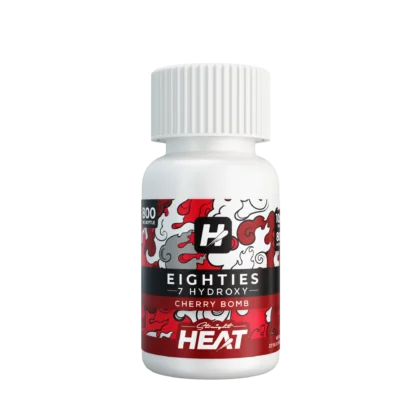
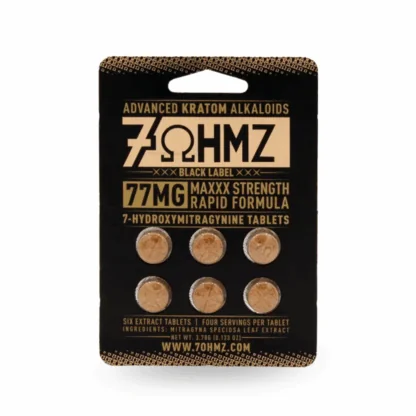
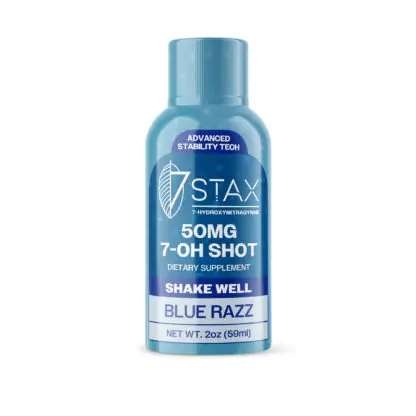
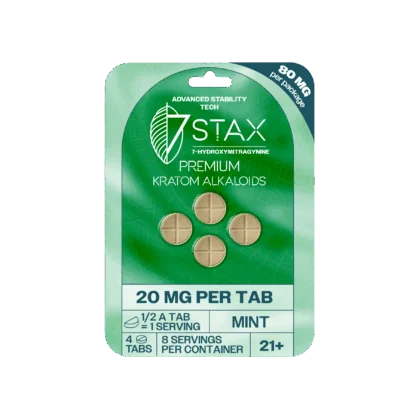
Kratom comes from the leaves of Mitragyna speciosa, a tree native to Southeast Asia. Mitragynine is the most abundant alkaloid in the leaf and the compound the plant’s profile is built around. This collection carries capsules, extract tablets and liquid shots from brands including O.P.M.S., Kama, Dragon and Lucid, each third-party tested with a batch certificate of analysis. Kratom is sold as a botanical product. It is not a medicine and nothing on this page is intended to diagnose, treat or prevent anything.
Mitragyna speciosa is a tree in the coffee family, native to Thailand, Malaysia, Indonesia and neighboring countries, where the leaves have a long history of traditional use. The leaf contains dozens of alkaloids. Mitragynine is by far the most abundant and is the compound public chemistry summaries describe as defining kratom’s profile.
Products reach the market in several forms. Dried and powdered leaf is the traditional one. Extracts concentrate the alkaloids from a larger quantity of leaf into a smaller quantity of finished product. Capsules and tablets package either. Liquid shots are extract in a single-serve bottle.
Kratom is sold as a botanical product. It is not a medicine, it is not an FDA-approved dietary supplement, and nothing here is intended to diagnose, treat or prevent anything.
Leaf, Extract and Enhanced Are Three Different Things
This is the distinction that matters most and the one no competitor page explains properly.
Plain leaf is ground dried leaf, nothing added or removed. Its alkaloid content is whatever the plant produced, typically a low single-digit percentage of mitragynine.
Extract is made by pulling alkaloids out of a larger mass of leaf using water or a solvent, then concentrating them. An extract product states a milligram figure because there is a measured quantity of alkaloid in it, which plain leaf generally does not.
Enhanced or fortified products are leaf with extract added back in, which is why they state a figure while still looking like a leaf product.
Two practical consequences. A milligram figure on the label almost always signals an extract or enhanced product rather than plain leaf. And the further a product sits from plain leaf, the more likely it is to touch the rules covering concentrated alkaloids rather than the rules covering the botanical.
Reading Alkaloid Figures and What the Numbers Mean
The tins in this collection state figures from 800mg to 1500mg. Read those carefully, because the convention is not consistent across brands.
Some state the total extract weight in the tin. Some state the alkaloid content. Some state a per-tablet figure and some a tin total. A 1500mg 5-count and a 1500mg single tablet are very different products with the same number on the front.
The habit that fixes it: find the count, divide the headline figure by it, and check whether the figure names a compound or a total weight. Then confirm against the certificate of analysis for that batch, which should report mitragynine as a measured percentage or milligram figure rather than leaving it implied.
Which Kratom Compounds Are Scheduled, and Which Are Not
Accuracy here matters and a great deal of published content is out of date. This is the position as of September 11, 2026.
Mitragynine is not scheduled. Natural leaf kratom is not scheduled. On August 26, 2026, the DEA issued a final temporary scheduling order placing three derivatives into Schedule I, effective to August 26, 2028: mitragynine pseudoindoxyl, MGM-15 and MGM-16. That order did not cover 7-hydroxymitragynine, which remains subject to a notice of intent published on July 6, 2026, and could be scheduled at any time.
Separately, FDA Import Alert 54-15, last revised on August 17, 2026, permits detention without physical examination of imported dietary supplements and bulk dietary ingredients containing Mitragyna speciosa. That is a customs mechanism applied at the border, not a domestic sales ban, and a domestically manufactured product does not encounter it.
State Rules and the Kratom Consumer Protection Act
State law moves independently of federal law and the lists circulating online disagree with each other because they measure different things.
A group of states prohibits kratom outright. A separate group permits leaf kratom but restricts concentrated 7-OH specifically, and several moved into that group during 2026. A third group regulates through Kratom Consumer Protection Act frameworks, which typically set a 21-and-over minimum age, require labeling and testing, and in some states cap 7-OH as a percentage of total alkaloid content rather than banning it.
We restrict shipping where these products cannot lawfully be sold and apply it at checkout. County and municipal ordinances are sometimes stricter than state law, so check locally as well. This section is current to its date and is not legal advice.
Quality Standards and Storage
The American Kratom Association runs a Good Manufacturing Practices program for kratom vendors and manufacturers, covering testing, labeling and production standards. It is a voluntary industry marker rather than a government approval, which is worth understanding for what it is: in a category with limited federal oversight, a brand’s willingness to submit to an external standard is a signal, not a guarantee.
Store capsules and tablets sealed in the original container at room temperature, away from humidity, keeping any desiccant that came with them. Liquid shots want the same conditions, upright and out of direct sunlight. Light and heat degrade alkaloid content over time. Keep the batch number with the product and keep everything out of reach of children and pets. Sales are restricted to buyers aged 21 and over.
FAQ's
What is kratom?
The leaf of Mitragyna speciosa, a tree in the coffee family native to Southeast Asia. Mitragynine is the most abundant alkaloid in the leaf and the compound the plant’s profile is built around. It is sold as a botanical product rather than as a medicine or an approved dietary supplement.
What is the difference between leaf and extract?
Plain leaf is ground dried leaf with nothing added or removed. Extract concentrates the alkaloids from a larger quantity of leaf into a smaller finished product. Enhanced products are leaf with extract added back. A milligram figure on the label almost always indicates an extract or enhanced product.
How do I tell whether a product is leaf, extract or concentrated 7-OH?
Read the compound named on the label rather than the brand name. Plain leaf usually states a weight with no alkaloid figure. Extracts state a milligram figure for mitragynine or total alkaloids. Products built around 7-OH name 7-OH or 7-hydroxymitragynine specifically. The certificate of analysis settles it.
Is kratom legal?
Federally, mitragynine and natural leaf kratom are not scheduled. Three derivatives were placed in Schedule I on August 26, 2026: mitragynine pseudoindoxyl, MGM-15 and MGM-16. State law varies considerably, with some states prohibiting kratom outright and others regulating it under Kratom Consumer Protection Act frameworks. Check your local rules.
Is 7-OH the same as kratom?
Not the same thing. 7-hydroxymitragynine is one alkaloid found in the leaf at trace levels, and products labeled 7-OH are made from concentrated or processed material rather than plain leaf. It carries a different regulatory position from mitragynine and remains subject to a pending DEA notice of intent.
What does AKA GMP mean?
The American Kratom Association operates a Good Manufacturing Practices program covering testing, labeling and production standards for kratom vendors. Participation is voluntary and it is an industry marker rather than a government approval. In a category with limited federal oversight, it indicates a brand has accepted an external standard.
Does FDA Import Alert 54-15 make kratom illegal?
No. It permits detention without physical examination of imported dietary supplements and bulk ingredients containing Mitragyna speciosa, and was last revised on August 17, 2026. It is a customs mechanism applied at the border, separate from scheduling and from state sales law. Domestically manufactured products do not encounter it.
How should I store kratom products?
Capsules and tablets sealed in the original container at room temperature, away from humidity, keeping any desiccant supplied. Liquid shots the same, upright and out of direct sunlight. Light and heat degrade alkaloid content over time. Keep the batch number with the product and store out of reach of children and pets.






 Kratom