



What Is a Kava Bar? What to Expect on Your First Visit
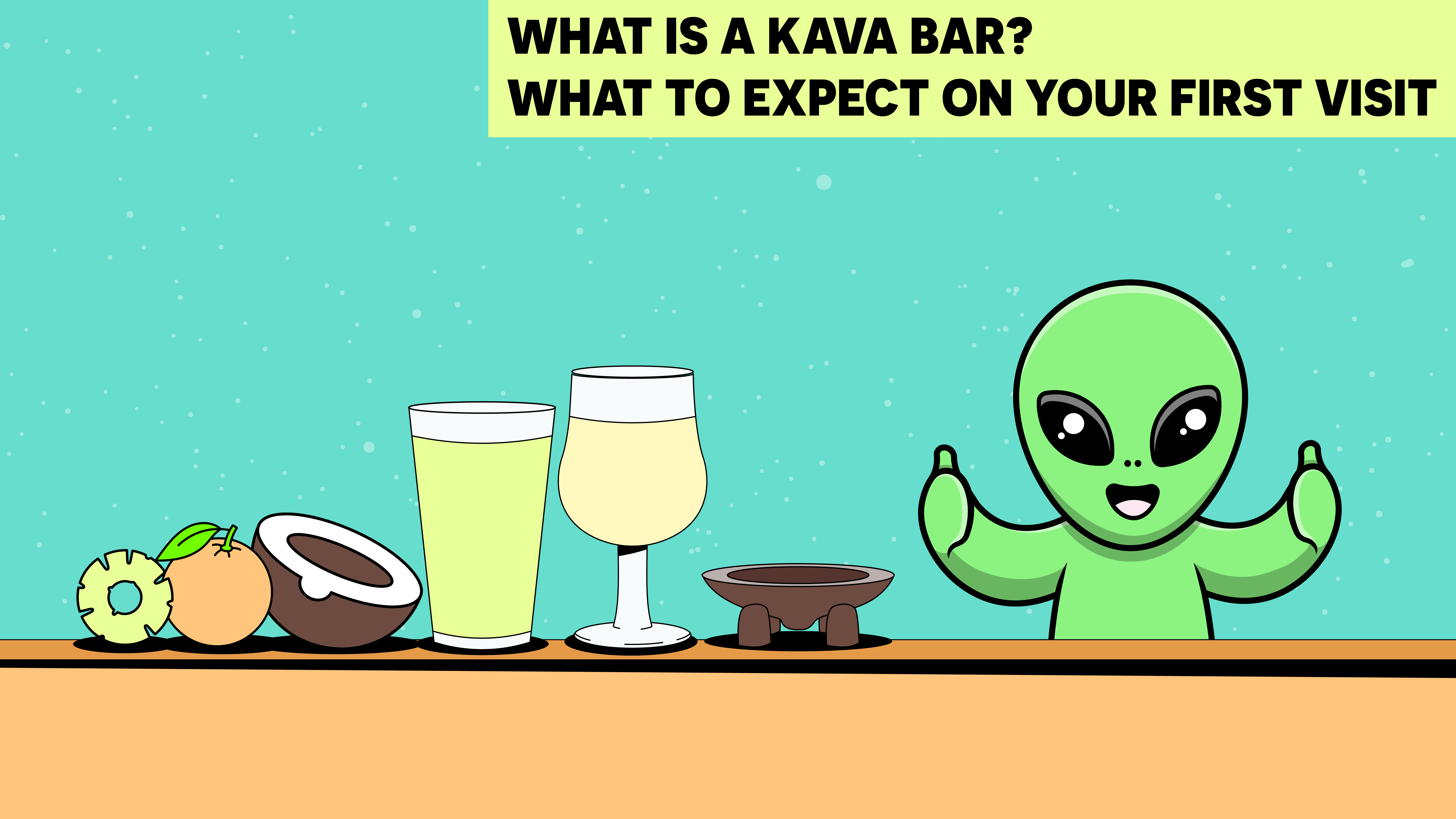
What is a kava bar? It is an alcohol-free bar that serves kava, a traditional drink from the South Pacific made by mixing ground kava root with water. Drinks usually come in a coconut shell or small cup, and many bars also serve teas, mocktails and other non-alcoholic drinks.
Kava bars borrow from Pacific Island customs, so a first visit often includes a group toast of “bula” before drinking. The rest feels like a coffee shop or lounge: a counter, a menu, seating, and often music or game nights.
Below: what is served, the etiquette, kava’s legal status and how kava bars compare with cafes and bars. If you would rather try kava at home, our kava shots and tonics are for adults 21 and over.
What is a kava bar, and what is the point of one?
A kava bar is a venue built around serving kava instead of alcohol or coffee. The point is social: a place to meet, talk and spend an evening without alcohol. The CDC described kava bars in 2026 as often promoted as alcohol-free social venues.
Kava itself is far older than the bars. The NIH notes that Pacific Islanders have used kava beverages for thousands of years in ceremonies. Britannica describes formal kava ceremonies that mark occasions such as gatherings of chiefs.
US kava bars are growing quickly. Bisnow reported on September 30, 2026 that the count rose from 178 in 2019 to about 700, citing the kava bar directory HappyKava, with Florida home to 446.
What is served at a kava bar?
The core drink is kava: ground root kneaded in water, strained and served in a shell or cup. Many bars also offer kava blended with juice or coconut, fruit chasers, teas and mocktails. Many US kava bars also sell kratom drinks, which are a different plant with different rules.
| Menu term | What it usually means |
|---|---|
| Shell | One serving cup of kava, often a halved coconut shell |
| Bilo | The Fijian word for the kava cup |
| Tanoa | The Fijian wooden bowl kava is mixed in |
| Chaser | Juice or fruit served after a shell, such as pineapple or orange |
| Kava blend or “kolada” | Kava mixed with fruit juice or coconut milk |
| K-tea, or white, green or red | Often kratom tea, not kava; Bisnow reports some menus use these terms instead of the word kratom |
That last row matters. One Florida owner told Bisnow that 60% to 70% of his sales were kratom drinks. A CDC report in April 2026 also tracked a rise in poison center reports linked to kava products that contained kratom. If you want kava only, ask staff what is in each drink.
Kratom has its own legal status, which varies by state. Our guide to kratom’s legal status in the US covers it. Some kava bars also sell THC drinks, covered in our THC beverages guide.
Kava bar etiquette and the “bula” tradition
At many kava bars, a group says “bula” together, claps, and drinks the shell in one go. Bula is a Fijian greeting that translates to “life.” The custom comes from Fiji, where guests clap once before taking the cup and clap again after returning it.
Tourism Fiji describes the village version. Visitors bring a bundle of kava root to the chief as a gift called sevusevu. When offered the cup, you clap once, say “bula,” drink it in one gulp rather than sipping, hand it back, clap three times and say “vinaka,” meaning thank you.
US bars keep a lighter version. The Atlanta Journal-Constitution described groups saying “bula” in unison and clapping twice before drinking. If you are unsure, follow the group’s lead.
What does kava taste like?
Kava tastes earthy and bitter, and many people compare it to muddy water. It also leaves a tingly, slightly numb feeling on the tongue and lips for a few minutes. That is why kava bars serve fruit chasers and blends alongside the traditional shell.
The FDA’s 2020 literature review describes the same numbing of the mouth and tongue. We cover flavor, chasers and mixers in more depth in a separate post on what kava tastes like.
Is kava legal in the US? Is kava considered a drug?
Status as of October 12, 2026: Kava is not a controlled substance under the federal Controlled Substances Act. The FDA treats kava as an unapproved food additive when added to conventional foods, and New York City has acted against kava bars. Rules vary by state and city.
The FDA’s August 11, 2020 review concluded there was no basis to consider kava generally recognized as safe as an ingredient in conventional foods. California’s Department of Public Health notes that kava steeped only in water, as a single-ingredient tea, generally falls outside the food additive rules.
New York is the main exception. In August 2025, US District Judge Valerie Caproni sided with New York City in Kavasutra v. Adams, holding that kava steeped in water is a food additive. Hawaii, by contrast, recognized traditionally prepared noble kava root in water as GRAS in January 2024.
Local zoning can apply too. Bisnow reported that Doral, Florida passed an ordinance keeping kava and kratom businesses away from schools, places of worship and parks. This article is general information, not legal advice.
Kava bars vs cafes and bars
A kava bar sits between a coffee shop and a cocktail bar. Like a bar, it often runs evening events and has a counter; like a cafe, it serves no alcohol. The main drink is kava rather than coffee or beer, and many venues add events such as open mics and game nights.
One safety point: health agencies advise against mixing kava with alcohol. Hawaii’s Department of Health recommends kava not be used with alcohol. On March 25, 2002, the FDA also advised that kava supplements may be associated with rare but severe liver injury.
Trying kava at home
If there is no kava bar nearby, kava is also sold as root powder, instant powder and ready-to-drink shots. Traditional powder is kneaded in water through a strainer bag, while shots come pre-made with ingredients listed on each product page.
Whichever format you choose, follow the label directions and check the full ingredient list for added kratom, caffeine or other botanicals.
Frequently Asked Questions
What is kava called in Fiji?
In Fiji, kava is known locally as yaqona, and it is traditionally shared at village gatherings and ceremonies. The US kava bar is a modern, commercial take on that custom.
Do kava bars serve alcohol?
Kava bars are generally alcohol-free, and health agencies advise against combining kava with alcohol. Some serve other drinks, such as kratom or THC beverages, so check the menu.
Is there an age limit at kava bars?
Age policies vary by bar, city and state, so check with the venue. Kava products sold by Elyxr are for adults 21 and over.
Sources
- Increase in Poison Center Reports Linked to Kratom-Containing Kava Products (CDC MMWR, April 2, 2026)
- Review of the published literature pertaining to the safety of Kava for use in conventional foods (FDA memorandum, August 11, 2020)
- Kava: Usefulness and Safety (NIH NCCIH)
- Kava (NIH Office of Dietary Supplements), referencing the FDA consumer advisory of March 25, 2002
- GRAS Determination for ‘Awa (Hawaii Department of Health, January 2024)
- Consumer Facts: Kava (California Department of Public Health)
- Guide to Drinking Kava in Fiji (Tourism Fiji)
- Kava (Encyclopaedia Britannica)
- Kava and Kanna: Regulation, Safety, and Market Trends (Vicente LLP, February 25, 2026)
- Judge rules kava drinks banned from NYC cafes (NutraIngredients, August 12, 2025)
- Kava Bars Are Booming. Kratom Is A Big Reason Why (Bisnow, September 30, 2026)
- Atlanta kava bars offer island culture and alcohol-free social spaces (Atlanta Journal-Constitution, December 2025)