On March 25, 2002, the FDA issued a consumer advisory on the potential risk of severe liver injury associated with the use of kava-containing dietary supplements. It has not been withdrawn, which means it stands as the agency’s published position today.
We are not going to interpret that advisory for you, soften it, or bury it in a legal module at the bottom of the page. If you are taking any prescription medication, if you drink alcohol regularly, or if you have any history of liver problems, this is a conversation for a healthcare professional. That is the honest version and it is more useful than reassurance.
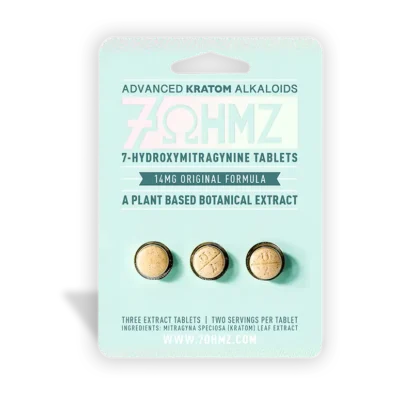
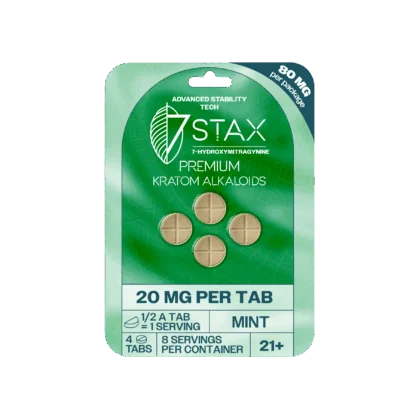
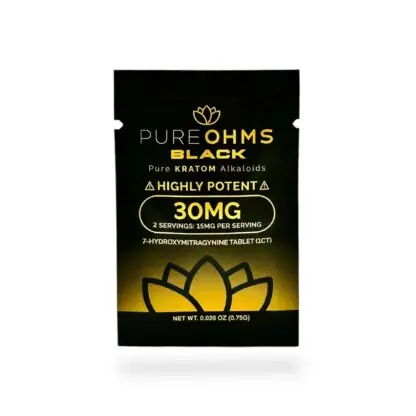
Separately, the CDC reported in April 2026, in MMWR volume 75 issue 12, on poison center cases involving kava products. Among the findings: cases involving kratom-containing kava products rose substantially between 2010 and 2025, kratom was present in roughly 30 percent of all kava-related reports by 2025, and the proportion of cases with serious outcomes rose over the period. If you are looking at a combination product, that report is worth reading at the source.
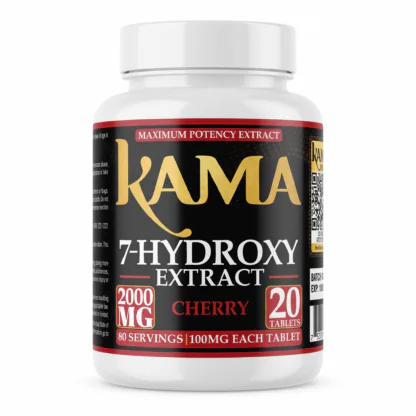
Kava is sold here as a botanical product. It is not a medicine, it is not an FDA-approved dietary supplement, and nothing on this page describes what it does.