




What Does Kava Taste Like? And How to Make Kava Taste Better
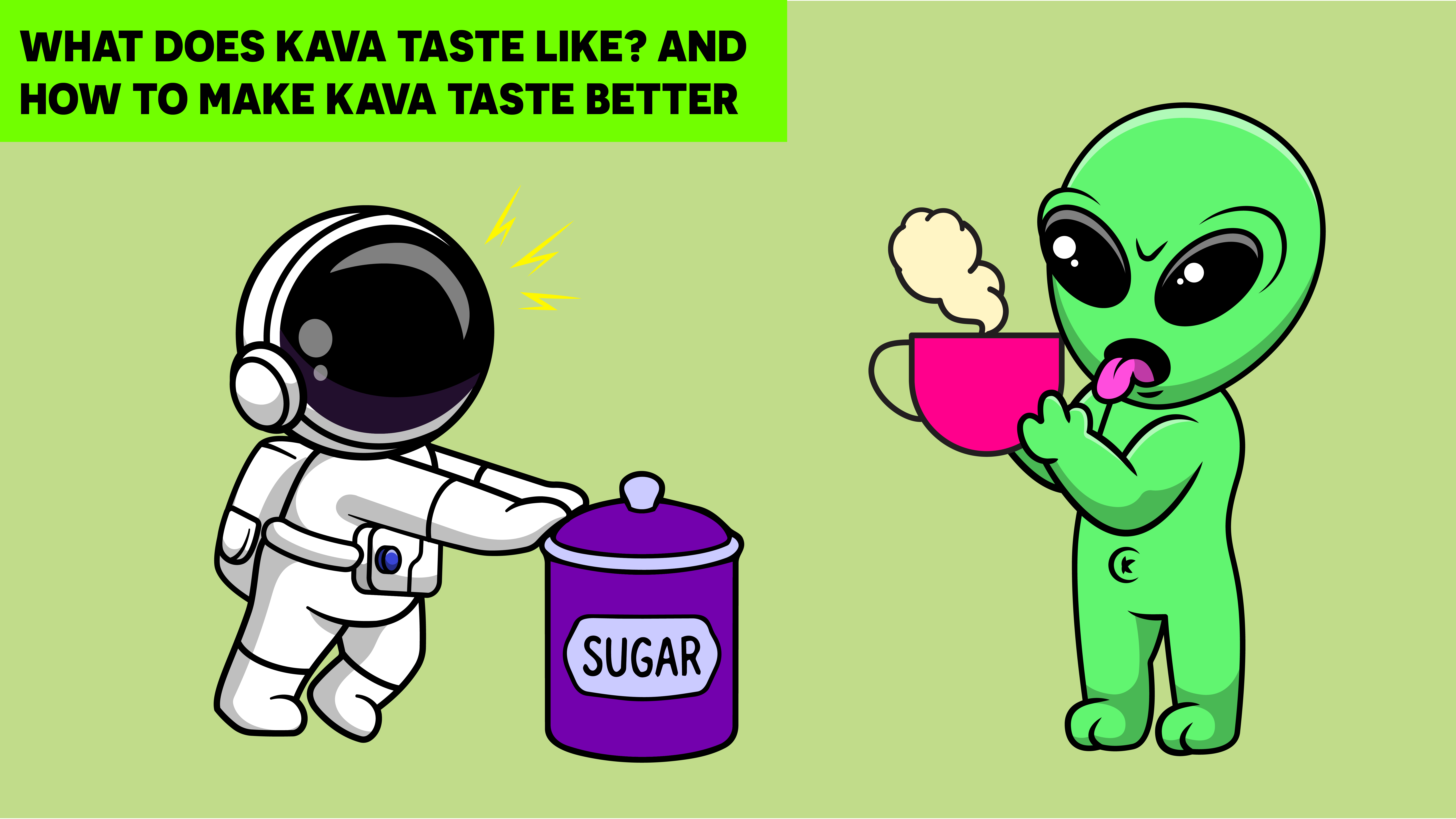
What does kava taste like? Most people describe it as earthy and bitter, sometimes peppery, with a texture often compared to muddy water. Drinking it also makes your tongue and lips tingle and feel slightly numb for a few minutes. First-timers are often surprised by it.
That taste is why kava bars serve fruit chasers and blends, and why many brands sell flavored kava shots. You can see how products are flavored by reading the ingredient list on items in our kava shots and tonics collection.
Below we break down the flavor, why forms of kava taste different, and practical ways to make kava easier to drink. Kava products are for adults 21 and over.
What does kava taste like? The flavor profile
Kava tastes earthy and bitter, and it can have a peppery edge. Britannica describes the drink as yellow-green and somewhat bitter. VinePair called it bracingly bitter and earthy, and Bisnow notes it is widely said to taste like muddy water.
The peppery note makes sense botanically. Kava comes from the root of Piper methysticum, a member of the pepper family, according to the NIH. VinePair links its sometimes peppery taste to that family tie.
Texture is part of the experience. Traditional kava is root powder kneaded in water and strained, so the drink is cloudy. The Atlanta Journal-Constitution noted that kava bars often serve it tepid.
| Sensation | How people describe it | Source |
|---|---|---|
| Flavor | Earthy, bitter, sometimes peppery | Tourism Fiji, VinePair, Britannica |
| Texture | Cloudy, often compared to “muddy water” | Bisnow, VinePair |
| Mouthfeel | Tingly, slightly numb tongue and lips for a few minutes | FDA 2020 review, Tourism Fiji, AJC |
| Color | Yellow-green, cloudy | Britannica |
What does drinking kava feel like in your mouth?
Kava causes a tingle and mild numbness in the mouth, mainly the tongue, which fades within a few minutes. Tourism Fiji describes it as a tingly, slightly numb feeling, and the FDA’s 2020 literature review notes the same numbing of the mouth and tongue.
That sensation is a normal part of drinking kava, and it can surprise first-timers, so it helps to expect it. This guide covers taste and mouthfeel only; for anything beyond that, read the product label.
Why does kava taste so bitter?
Kava is made from the root of the plant, and traditional preparation keeps it simple: root and water, with no sugar or flavoring. Hawaii’s Department of Health describes the customary drink as noble kava root mixed only with water or coconut water.
Products differ in variety, plant part and grind, so taste can vary between brands. Look for labels that name a noble variety and state that the product is made from the root.
Does kava taste different by form?
Yes. Traditional ground kava keeps the full earthy flavor of the root. Micronized kava is ground extra finely and stirred in rather than strained. Liquid extracts can be added to other drinks, and flavored shots are mixed by the brand, which can cover much of the earthy taste.
| Form | Typical taste and texture |
|---|---|
| Traditional ground root | Full earthy, bitter flavor; cloudy after straining |
| Micronized or instant | Earthy flavor; extra-fine root stays in the drink |
| Liquid extract | Concentrated; usually mixed into other drinks to hide the taste |
| Ready-to-drink shots and tonics | Flavored by the brand; check the ingredient list |
Tasting Table notes that extracts let people bypass the earthy flavor that puts many off kava, and that sober-curious bars use them in cocktails. Our explainer on what is actually in your product explains how extracts differ from whole-plant material.
How to make kava taste better
The easiest ways to make kava taste better are a fruit chaser right after each cup, mixing it with coconut water or coconut milk, and drinking it in one go rather than sipping. Never mix kava with alcohol. These are the same approaches kava bars use.
- Use a chaser. VinePair reports kava bars pairing shells with pineapple or grapefruit juice, or with orange and tangerine slices.
- Blend it. One Atlanta kava bar makes a “Kava Kolada” with pineapple and coconut milk. Tasting Table notes kava cafes blend it with orange, banana or pineapple.
- Try coconut water. It is the traditional alternative to plain water in Hawaiian preparation.
- Drink, don’t sip. In Fiji, Tourism Fiji says kava is taken in one gulp from the cup rather than sipped.
- Pick a flavored product. Shots and tonics like the Feel Free Classic Tonic are pre-mixed. Feel Free lists kava, kola nut, lion’s mane, rhodiola and caffeine, so check labels for added ingredients.
Avoid alcohol as a mixer. Hawaii’s Department of Health recommends kava not be used with alcohol, and California’s Department of Public Health cites an NIH warning about increased liver risk when the two are combined.
Can kava taste good?
Plain traditional kava is an acquired taste. Kava blended with fruit juice or coconut, or a flavored shot, is the usual way kava bars and brands make it easier to drink. Sober Social in Atlanta, for example, created a kava and pineapple drink because the plain taste can be off-putting.
Treat the first cup as a tasting, not a test. Try it plain once so you know the baseline, then experiment with chasers and blends.
A quick safety note
On March 25, 2002, the FDA advised consumers that kava-containing dietary supplements may be associated with severe liver injury. It called this rare but serious and urged people with liver disease, or who take medicines that affect the liver, to talk with a doctor first. Follow the directions on your product label.
Frequently Asked Questions
Is kava supposed to make your tongue numb?
Yes. A tingly, slightly numb tongue and lips is a common and expected sensation when drinking kava. It usually fades within a few minutes.
Does kava taste like tea?
Not really. Traditional kava is not steeped hot like tea; the FDA’s 2020 review describes it as macerated root combined with cold water or coconut milk. The result is cloudier and earthier than most teas.
Why is kava served in a coconut shell?
In Fiji and at many US kava bars, kava is served in a cup or halved coconut shell, and Fijians call the cup a bilo. The shell is a serving tradition rather than a flavoring.
This article is general information about taste and preparation, not medical advice. Talk with a doctor before using kava if you are pregnant, have liver concerns or take prescription medicines.
Sources
- Review of the published literature pertaining to the safety of Kava for use in conventional foods (FDA memorandum, August 11, 2020)
- Kava (NIH Office of Dietary Supplements), referencing the FDA consumer advisory of March 25, 2002
- Kava: Usefulness and Safety (NIH NCCIH)
- GRAS Determination for ‘Awa (Hawaii Department of Health, January 2024)
- Consumer Facts: Kava (California Department of Public Health)
- Kava (Encyclopaedia Britannica)
- Guide to Drinking Kava in Fiji (Tourism Fiji)
- What Is Kava? (VinePair, March 18, 2018)
- How Kava Is Made (Tasting Table, May 12, 2025)
- Atlanta kava bars offer island culture and alcohol-free social spaces (Atlanta Journal-Constitution, December 2025)
- Kava Bars Are Booming. Kratom Is A Big Reason Why (Bisnow, September 30, 2026)