



Mushroom Chocolate Bars: A Buyer’s Guide
Mushroom chocolate bars have gone from a niche product to a shelf staple in three years, and the category is still almost entirely unregulated. This guide covers what is actually in them, how the brands differ in ways that matter, and the legal position as it stands in September 2026.
First, these are not psilocybin products
Almost every mushroom chocolate bar sold openly in the US is made from Amanita muscaria, not from psilocybin mushrooms. The two are chemically unrelated. Amanita contains muscimol and ibotenic acid. Psilocybin mushrooms contain psilocybin, which is a Schedule I controlled substance.
This is worth stating plainly because the marketing in this category often blurs it deliberately, using phrases like “magic mushroom” that most people associate with psilocybin. If a bar is sold in a smoke shop, at a gas station, or shipped by a mainstream online retailer, it is an amanita product. Anything genuinely containing psilocybin is a federal felony to sell and would not be distributed that way.
What is actually in an amanita chocolate bar
Chocolate, and an amanita extract. The extract is where every meaningful difference between brands lives, and it comes down to three things:
- Which compound the extract is standardized to. Some brands state muscimol content, some state total extract weight, some state nothing specific at all.
- Whether ibotenic acid has been properly converted. This is the single biggest quality variable and it is covered in its own section below.
- Whether the bar is homogeneous. A bar is divided into squares, and if the extract is not evenly distributed through the chocolate then one square is not equivalent to another. Manufacturing consistency in this category varies widely.
Why ibotenic acid processing matters more than brand
Raw Amanita muscaria contains ibotenic acid, which converts to muscimol through decarboxylation when heated appropriately during processing. The two compounds have quite different profiles, and traditional preparation methods across centuries were essentially methods for driving that conversion.
A properly processed extract has converted most of the ibotenic acid. An improperly processed one has not. From the outside the two look identical, they cost the same, and the packaging on both will use the same language. The only way to tell is a certificate of analysis that reports muscimol and ibotenic acid separately.
That is the practical buying test for this entire category, and it matters more than any brand ranking. A brand that publishes a batch-matched COA breaking out both compounds is giving you something to evaluate. One that publishes a summary saying “lab tested” is not.
The brands people ask about
| Brand | Format | What to check |
|---|---|---|
| Tre House | Chocolate bars, multiple flavors | Batch-matched COA with separate muscimol and ibotenic acid figures |
| MMelt | Chocolate bars and squares | Per-square rather than per-bar content, and homogeneity claims |
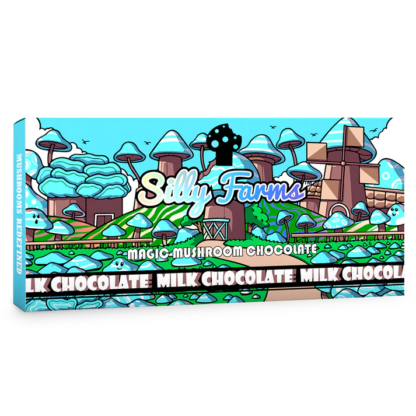
| Silly Farms | Chocolate bars | Ingredient disclosure and batch-linked lab results |
| Others | Varies | Same criteria apply. Brand recognition is not a quality signal in this category. |
No ordering is implied by this table and none should be inferred. These are the brands that appear most often in search interest, described by what to verify rather than by how they compare.
What “microdose” means on these labels
It usually means a smaller stated quantity of extract per unit than the brand’s standard product. It does not have a regulatory definition, it is not standardized between brands, and it does not describe a verified effect threshold.
Because there is no agreed convention, a bar described as a microdose by one brand may contain more active compound than a standard bar from another. Treat the word as marketing rather than as a measurement.
Legal status in September 2026
Amanita muscaria is not on any federal controlled substances schedule. Louisiana restricts it when intended for human consumption under Act No. 159. No other state has a specific statute controlling it.
In December 2024 the FDA determined that Amanita muscaria and its constituents are not Generally Recognized as Safe for use in food, which in the agency’s view makes amanita-containing food adulterated under the Federal Food, Drug, and Cosmetic Act. That is a food-ingredient determination rather than a ban, and there has been no broad enforcement action against the retail category as of this review date. It does mean the category sits in a grey zone rather than on settled ground.
Frequently asked questions
Do mushroom chocolate bars contain psilocybin?
Not the ones sold openly in retail. They contain Amanita muscaria extract. Psilocybin is Schedule I and would not be distributed through mainstream retail.
Are mushroom chocolate bars legal?
Amanita is not federally scheduled and only Louisiana restricts it. The FDA considers amanita in food to be an unapproved ingredient, which is a separate matter from controlled substance law.
What is the difference between muscimol and ibotenic acid?
Ibotenic acid is the precursor. Proper processing converts it to muscimol. Incomplete conversion leaves more ibotenic acid, which has a different and generally less pleasant profile.
How do I know if a bar is properly processed?
Read a batch-matched certificate of analysis that reports muscimol and ibotenic acid separately. A generic “lab tested” claim is not evidence.
Which brand is best?
This page does not rank brands. In a category with no product standard, the meaningful question is which specific batch has verifiable third-party testing.
Last reviewed September 2026. General information only, not medical advice, and not a recommendation to consume any product. Amanita muscaria products are not FDA-approved for food use.