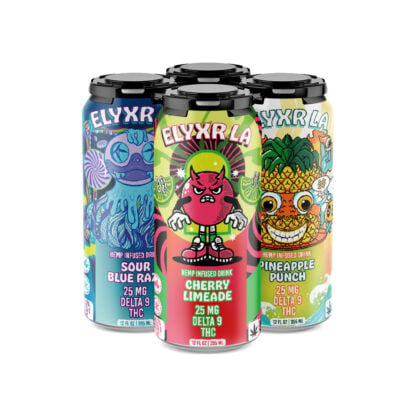
Delta 9 beverages are the format most directly exposed to the federal change arriving on December 11, 2026, and we would rather lead with that than bury it. The reason is a single word in the statute: the new limit is written per container, and beverages are the format most often sold in multi-serving containers. Everything here carries a batch certificate of analysis. The section below sets out the arithmetic, the serving math and what to check on a label.
The Serving Math, Because It Decides Everything Else
Start here, because every other section on this page depends on it.
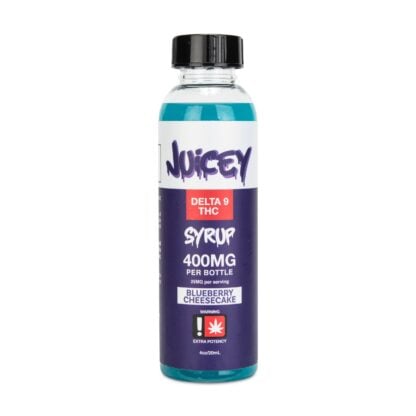
A single-serve can states one figure and that figure is the can. A multi-serving bottle states a per-serving figure, a per-container figure, or both, and the two differ by a serving count printed in smaller type. A 50 mg bottle declaring five servings is a 10 mg per serving product.
Shots are where this causes the most trouble. A 2 oz bottle may declare one serving or two, so a label reading 25 mg without a serving count is ambiguous rather than informative.
Check whether the figure names delta 9 THC specifically or a total cannabinoid content, since a full-spectrum beverage contains other cannabinoids and a total is not a delta 9 measurement.
Then do the division before you compare two products. Half the apparent price differences in this category disappear once both are expressed per serving.
What the December 11, 2026 Change Says
Section 781 of P.L. 119-37 rewrote the federal hemp definition in two stages. The first took effect on November 12, 2026 and removed cannabinoids not capable of being naturally produced by a Cannabis sativa L. plant. Delta 9 THC is produced by the plant, so that stage did not reach it.
The December 11 stage is the one that matters here. It sets a limit of 0.4 mg of total THC and other cannabinoids with similar effects per container. It sets a total THC standard of 0.3 percent that includes THCA, calculated with the 0.877 factor at 7 CFR 990.1. And it addresses cannabinoids the plant can produce but that were produced outside it.
Run the first of those against this category. A 10 mg per serving seltzer is 10 mg in a single-serve can, which is a container. A 50 mg five-serving bottle is 50 mg in a container. Both figures sit well above 0.4 mg, and the limit is not expressed per serving, so dividing the container into servings does not address it.
That is the arithmetic. We are stating it rather than interpreting it, and the interpretation belongs to counsel and ultimately to FDA.
The Two Things Nobody Can Tell You Yet
We would rather name the gaps than write around them.
Section 781(3) directed FDA to publish lists, including one of cannabinoids with effects similar to THC, and to give further specificity on what constitutes a container. Those obligations carried a deadline around February 10, 2026. As of this page’s date they remain unpublished, which a Congressional Research Service legal sidebar dated October 28, 2026 confirmed. Without the container definition, nobody can say with certainty how the limit applies to a multipack, a mixer bottle or a concentrate intended for dilution.
The second gap is political rather than regulatory. December 11, 2026 is also when the current federal funding authority lapses, which makes it a plausible vehicle for hemp language in either direction. As of our checks, no delay has been enacted.
So the position is: the ceiling is written, the date is set, two definitional pieces are missing, and a legislative change is possible but has not happened. Anyone telling you confidently how this ends is guessing. We date this section and review it, and it is not legal advice.
Emulsions, Briefly
Cannabinoids are oils and beverages are water, so these drinks rely on emulsification to hold the oil in suspension as fine droplets. That is why a well-made can looks evenly cloudy or clear rather than oily, and why bottles say to shake.
We cover the formulation side at more length on our CBD Drinks page, and the chemistry is the same here. Two points carry over. Separation usually means the emulsion has partly broken rather than that the dose is lost, so shaking generally fixes it. And freezing is the reliable way to break one permanently.
What we will not do is tell you that an emulsion changes onset or intensity. That is a clinical claim about a formulation characteristic, and the marketing in this category runs well ahead of published human evidence.
The Certificate Checks for a THC Beverage
Match the batch number on the certificate against the can or bottle.
Find delta 9 THC as its own measured line, and establish whether the figure is per container or per serving. Beverage certificates are inconsistent on this point, more so than any other format we stock.
Find THCA on the report too. Total THC under the federal standard counts THCA at 0.877 of its weight, so a certificate without a THCA line does not let you calculate the figure the rule turns on.
Then read the contaminant panels: heavy metals, microbials, pesticides and residual solvents. Microbial testing matters on a water-based product in a way it does not on a dry one.
A beverage certificate reporting cannabinoid content with no contaminant panel is half a report, and we would not stock the product behind it.
Storage, Shipping and Restrictions
Store cans and bottles upright, cool and out of direct sunlight. Refrigeration is fine and freezing is not. Once a multi-serving bottle is open, keep it capped and cold and treat it as a days-to-weeks product. Shake before pouring.
Keep the packaging until the container is finished. The batch number is the only link between what you are drinking and the certificate.
Sales are restricted to buyers aged 21 and over, and shipping restrictions apply at checkout and vary more for this category than for most. Several states regulate hemp-derived THC beverages under their alcohol or liquor control frameworks rather than their hemp rules, which produces state-by-state differences that have nothing to do with the cannabinoid content. Beverages are also heavy and glass travels badly, so photograph a damaged arrival before unpacking it further.
Keep everything out of reach of children and pets. These products have not been evaluated by the FDA, they are not medicines or approved dietary supplements, and nothing on this page is intended to diagnose, treat, cure or prevent any disease.
FAQ's
How do I work out the dose per glass?
Find the serving count, usually printed smaller than the headline figure, and divide. A 50 mg bottle declaring five servings is 10 mg per serving. On a 2 oz shot the bottle may declare one serving or two, so a figure with no serving count beside it is ambiguous. Check whether the figure names delta 9 specifically.
Why does December 11, 2026 matter so much for drinks?
Because the new limit is 0.4 mg of total THC and similar cannabinoids per container rather than per serving, and beverages are the format most often sold in multi-serving containers. A 10 mg can and a 50 mg bottle are both containers above that ceiling, and dividing a bottle into servings does not change what the container holds.
Will delta 9 drinks still be available after that date?
We are not going to predict it. The ceiling is written and the date is set, but FDA has not published the lists or the container definition the statute requires, and December 11 is also when federal funding authority lapses, which makes hemp language possible in either direction. No delay has been enacted as of our checks.
What is total THC and why does THCA count?
The federal standard calculates total THC as delta 9 THC plus 0.877 times the THCA figure, a conversion set out at 7 CFR 990.1, because THCA converts to delta 9 when heated. So a certificate reporting only delta 9 leaves you unable to calculate the number the rule turns on. Look for both lines.
My bottle separated. Is the dose lost?
Usually not. Separation means the emulsion has partly broken and the cannabinoid is no longer evenly distributed, not that it has left the container, so shaking generally resolves it. Freezing is different: an emulsion that has frozen and thawed often does not recover. Refrigeration is fine, freezing is not.
Why do shipping rules differ so much for THC drinks?
Because several states regulate hemp-derived THC beverages under alcohol or liquor control frameworks rather than hemp rules, which creates state differences unrelated to the cannabinoid content itself. We apply restrictions at checkout. Beverages also ship heavier and more fragile than the rest of the catalog.
Does an emulsion make a drink work faster?
We are not going to claim that. Droplet size is a real formulation characteristic, and turning it into a statement about onset or intensity is a clinical claim the published human evidence does not support at the confidence level the marketing in this category uses. Read the serving figure instead.