



What are MGM-15 Tablets?
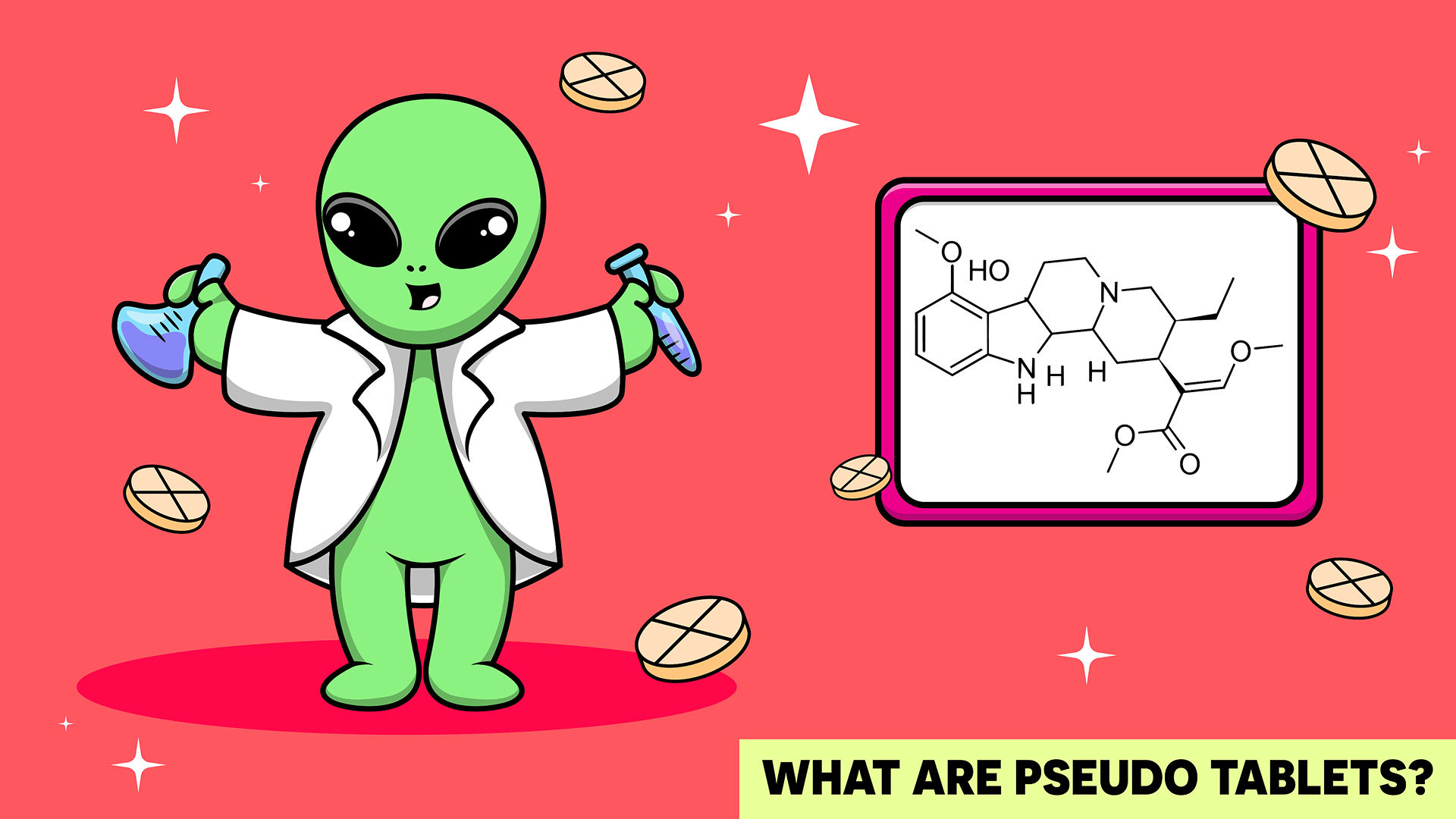
MGM-15 is a lab-made compound derived from 7-hydroxymitragynine (7-OH). Since August 26, 2026, it has been a temporary Schedule I controlled substance in the United States, together with its close relative MGM-16. That means it cannot be lawfully made, sold or possessed anywhere in the country outside DEA-registered research.
This guide explains what MGM-15 is, what the federal order says, what changed in October 2026, how state law fits in, and why labels on some products cannot be trusted. Every legal statement links to the government record it comes from.
Elyxr does not sell MGM-15 or MGM-16.
MGM-15 at a glance
| Federal status | Temporary Schedule I (Federal Register 2026-17429) |
| In effect since | August 26, 2026 |
| Current order ends | August 26, 2028, unless DEA extends it or makes it permanent (21 U.S.C. 811) |
| Also covered by the same order | MGM-16 and mitragynine pseudoindoxyl (also called “Pseudo”) |
| Latest federal action | October 14, 2026: DEA reissued its notice for MGM-15 and MGM-16 with no change in status (Federal Register 2026-20942) |
| Approved medical use | None (FR 2026-17429) |
| State law | Federal Schedule I applies in every state. Florida also lists it under state law. |
| Last verified | October 21, 2026 |
What is MGM-15?
MGM-15 is the research name for dihydro-7-hydroxymitragynine. According to the federal scheduling order, it is a derivative of 7-hydroxymitragynine made through synthetic modification of purified kratom alkaloids. It does not occur in the kratom plant itself (FR 2026-17429).
The order explains that MGM-15 and MGM-16 were first developed in 2014 as drug-discovery research compounds. MGM-16 is a fluorinated version that the order describes as “synthetically manufactured for research purposes.” DEA found no evidence that MGM-16 had reached the consumer market, although one vendor listed it for upcoming sale.
In short, MGM-15 is not kratom, and it is not a natural plant extract. It is a modified compound made in a lab.
How MGM-15 products were marketed
The federal order describes how these products reached consumers before they were scheduled (FR 2026-17429):
- They were sold as powders, tablets and liquid shots, often as flavored chewable tablets.
- They were sold online and in gas stations, corner shops and vape shops.
- Some were labeled as “kratom,” “botanical extracts” or “precision-formulated products.”
- Some carried the line “sold strictly for laboratory, botanical, and research purposes only.”
DEA treated that marketing language as irrelevant to legal status. A label that says “botanical” or “research only” does not change what the product contains.
Why DEA placed MGM-15 in Schedule I
Temporary scheduling lets DEA control a substance quickly when it finds this is needed to avoid an imminent hazard to public safety (21 U.S.C. 811). In the MGM-15 order, DEA said it is not aware of any currently accepted medical use for these substances in the United States, and that HHS reported no approved new drug applications or investigational new drug applications for them (FR 2026-17429).
What Schedule I means for you
Schedule I is the most restrictive category in federal drug law. DEA defines Schedule I substances as drugs with no currently accepted medical use and a high potential for abuse (DEA: Drug Scheduling).
Outside DEA-registered research, it is a federal offense to manufacture, distribute or sell a Schedule I substance (21 U.S.C. 841) or to possess one (21 U.S.C. 844). A temporary order lasts two years, and DEA can extend it by up to one year while it works on a permanent rule (21 U.S.C. 811).
What changed on October 14, 2026
On October 14, 2026, DEA published a new notice of intent for MGM-15 and MGM-16 (Federal Register 2026-20942). It does not loosen anything. DEA said it was issuing the notice only to separate MGM-15 and MGM-16 from mitragynine pseudoindoxyl, which HHS had recommended controlling above a threshold. HHS made no such recommendation for MGM-15 or MGM-16.
Three points matter:
- The August 26, 2026 order stays in effect until it expires or is replaced.
- DEA plans a new order that keeps MGM-15 and MGM-16 in Schedule I “without change.”
- That new order can publish on or after November 13, 2026.
The Department of Justice summarized the October actions in a press release (DOJ press release).
Is MGM-15 legal in any state?
No. Federal Schedule I status applies in all 50 states and Washington, D.C., so no state can make MGM-15 lawful to sell. Some states acted before the federal order. Florida added seven 7-OH related compounds, including MGM-15, to its own Schedule I by emergency rule on June 22, 2026 (Florida Phoenix).
Products sold under other names
MGM-15 has turned up in products that did not say MGM-15 on the label. In July 2026, Utah regulators reported that tablets sold as cat’s claw contained mitragynine pseudoindoxyl and MGM-15 (Utah Department of Agriculture and Food). In September 2026, the Tennessee Bureau of Investigation warned that products marketed as Cat’s Claw contained MGM-15 (WSMV). In October 2026, Utah officials linked four deaths to mislabeled cat’s claw products (TownLift).
The lesson is simple: what is in a product decides its legal status, not what the package calls it.
MGM-15, 7-OH and kratom leaf: how the law treats each
| Substance | Federal status on October 21, 2026 | Source |
|---|---|---|
| MGM-15 | Temporary Schedule I since August 26, 2026 | FR 2026-17429 |
| MGM-16 | Temporary Schedule I since August 26, 2026 | FR 2026-17429 |
| Mitragynine pseudoindoxyl (“Pseudo”) | Temporary Schedule I at any amount since August 26, 2026 | FR 2026-17429 |
| 7-OH (concentrated) | Not yet scheduled; DEA notice of intent published October 14, 2026 | FR 2026-20943 |
| Kratom leaf | Not federally controlled; FDA treats it as an adulterated supplement | FDA and Kratom |
For a fuller side-by-side view, see federal status of 7-OH, Pseudo and MGM-15 compared.
Timeline
| Date | What happened | Source |
|---|---|---|
| June 22, 2026 | Florida emergency rule adds seven 7-OH related compounds, including MGM-15, to state Schedule I | Florida Phoenix |
| August 26, 2026 | Federal temporary Schedule I order for MGPI, MGM-15 and MGM-16 takes effect | FR 2026-17429 |
| October 14, 2026 | DEA reissues the MGM-15 and MGM-16 notice, status unchanged | FR 2026-20942 |
| On or after November 13, 2026 | A new order keeping MGM-15 and MGM-16 in Schedule I can publish | FR 2026-20942 |
| August 26, 2028 | Current temporary order ends unless extended or replaced | FR 2026-17429 |
Frequently asked questions
Is MGM-15 legal?
No. MGM-15 has been a temporary Schedule I controlled substance in the United States since August 26, 2026, and that applies in every state (FR 2026-17429).
Is MGM-16 legal?
No. MGM-16 is covered by the same federal order as MGM-15.
Is MGM-15 natural?
No. The federal order describes MGM-15 as a synthetic derivative of 7-hydroxymitragynine. It does not occur in the kratom plant.
Is MGM-15 the same as 7-OH?
No. MGM-15 is made from 7-OH chemistry, but it is a different compound with a different legal status. 7-OH has a pending DEA notice and is not yet scheduled. See 7-OH legal status by state.
Does the MGM-15 order cover kratom leaf?
No. Kratom leaf is not a federally controlled substance, although FDA treats it as an adulterated dietary supplement and an unsafe food additive (FDA and Kratom). Some states ban kratom itself. Kansas made kratom and all of its derivatives, including 7-OH, illegal from July 1, 2026 (KSHB).
Did the October 2026 notice change MGM-15’s status?
No. The October 14, 2026 notice keeps MGM-15 and MGM-16 in Schedule I without change. It was issued for procedural reasons (FR 2026-20942).
Does Elyxr sell MGM-15?
No. Elyxr does not sell MGM-15 or MGM-16.
Related reading
- Mitragynine pseudoindoxyl (Pseudo): federal status
- SR-17018 (SR-17): federal Schedule I status
- 7-OH, Pseudo and MGM-15: federal status compared
- Is 7-OH legal in my state?
Sources
- Federal Register 2026-17429, temporary Schedule I order for MGPI, MGM-15 and MGM-16 (Aug 26, 2026) (checked October 21, 2026)
- 21 U.S.C. 811, temporary scheduling (Cornell LII) (checked October 21, 2026)
- Federal Register 2026-20942, DEA notice of intent for MGM-15 and MGM-16 (Oct 14, 2026) (checked October 21, 2026)
- DEA: Drug Scheduling (checked October 21, 2026)
- 21 U.S.C. 841, manufacture and distribution (Cornell LII) (checked October 21, 2026)
- 21 U.S.C. 844, possession (Cornell LII) (checked October 21, 2026)
- U.S. Department of Justice press release on the 7-OH and related scheduling actions (Oct 2026) (checked October 21, 2026)
- Florida Phoenix: Florida emergency rule adds 7-OH related compounds to Schedule I (Jun 22, 2026) (checked October 21, 2026)
- Utah Department of Agriculture and Food: illegal kratom product sold as cat’s claw (Jul 30, 2026) (checked October 21, 2026)
- WSMV: Tennessee Bureau of Investigation warning on products marketed as Cat’s Claw (Sep 14, 2026) (checked October 21, 2026)
- TownLift: Utah officials renew warning after four deaths linked to mislabeled cat’s claw products (Oct 7, 2026) (checked October 21, 2026)
- Federal Register 2026-20943, DEA notice of intent for 7-OH and MGPI above a threshold (Oct 14, 2026) (checked October 21, 2026)
- FDA and Kratom (checked October 21, 2026)
- KSHB: Kansas ban on kratom and 7-OH takes effect (Jul 1, 2026) (checked October 21, 2026)
This article explains public government records in plain language. It is general information, not legal advice. Laws change quickly in this area, so check the linked sources and your own state’s rules before you act. Last verified: October 21, 2026.