


Vaping Guide for First-Time Users: What Beginners Should Know?
Vaping can look simple from the outside.
You pick up a device, inhale, and exhale vapor. That is what most beginner guides make it sound like. But if you are trying a vape for the first time, there is actually a lot you should understand before taking that first puff.
- What type of vape are you using?
- Does it contain nicotine, THC, CBD, Delta-8, THCA, or something else?
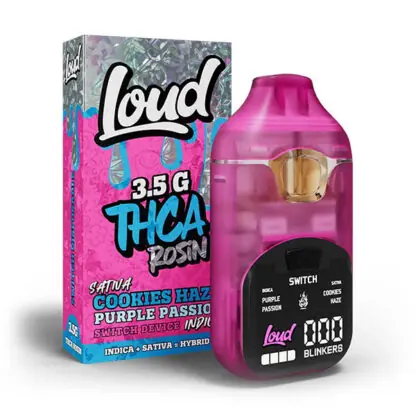
- Is it disposable, refillable, or cartridge-based?
- How strong is it?
- Where did it come from?
- Is it tested?
- Are you legally allowed to use it?
These questions matter.
Vaping is not risk-free. Health authorities have warned that young people, pregnant people, and adults who do not already use tobacco products should not start vaping. CDC and FDA guidance has also warned strongly against THC vape products from informal or illicit sources because they were linked to the EVALI lung injury outbreak. During that outbreak, 2,807 hospitalized cases and 68 deaths were reported in the U.S. by February 2020.
This guide is written for first-time adult users who want clear, practical information before using a vape. It is not here to glamorize vaping. It is here to help you understand what vaping is, how it works, what to avoid, and how to make safer decisions if you choose to vape.
What is Vaping?
Vaping means inhaling an aerosol produced by a device that heats a liquid, oil, or plant material.
The device may heat nicotine e-liquid, cannabis oil, hemp extract, or dry herb flower. Instead of burning material like a cigarette or joint, a vape heats the substance to create vapor or aerosol.
That sounds cleaner than smoking, but “cleaner” does not mean safe.
Vape aerosol can contain nicotine, THC, flavoring chemicals, metals, solvents, additives, and other substances depending on the device and product. Some studies and public health reports have raised concerns about unknown or harmful chemicals in vape aerosols, especially when products are poorly regulated or modified.
For beginners, the first rule is simple:
Know what is inside the vape before using it.
If you do not know what the product contains, do not inhale it.
Nicotine Vapes vs Cannabis Vapes: Key Differences for Beginners
Not all vapes are the same.
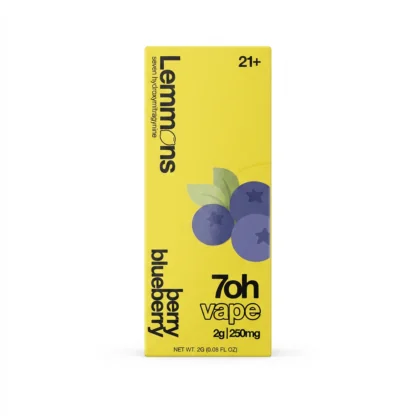
A nicotine vape is usually an e-cigarette or disposable device filled with nicotine e-liquid. These products are commonly used by adult smokers trying to switch away from cigarettes, but they can also be addictive because nicotine is addictive.
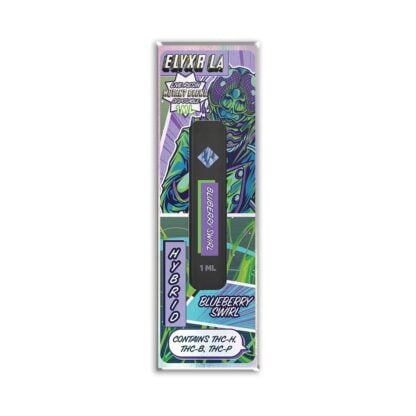
A cannabis vape usually contains THC, CBD, Delta-8, THCA, live resin, distillate, or another cannabis-derived extract. These products can cause intoxication if they contain THC or THC-forming compounds.
A hemp vape may contain CBD, Delta-8, Delta-10, HHC, THCA, or other cannabinoids. These products can vary widely by state law and product quality.
A dry herb vaporizer is different. It heats cannabis flower or other dry botanical material instead of using oil or e-liquid.
For first-time users, this difference matters because the effects are completely different.
Nicotine may feel stimulating, dizzying, or calming depending on tolerance. THC may cause euphoria, altered perception, sleepiness, anxiety, dry mouth, or impaired coordination. CBD is usually non-intoxicating, but product quality still matters.
So before vaping, ask:
- What type of vape is this?
- What active ingredient does it contain?
- How strong is it?
- Is it legal where I am?
- Is there a lab report?
If the answer is unclear, skip it.
Common Types of Vapes for Beginners
Most first-time users encounter one of four vape types.
Disposable Vapes
Disposable vapes come prefilled and ready to use. You do not refill them. Many are draw-activated, which means you inhale to activate the device.
They are convenient, but they create more waste. They also make it harder to verify hardware quality unless the brand is reputable.
Vape Pens With Cartridges
These use a battery and a removable cartridge. Many cannabis vapes use a 510-thread cartridge system.
The battery heats the oil inside the cartridge. Some batteries have adjustable voltage settings.
This format is popular because cartridges can be replaced. But cart quality matters a lot.
Refillable Vape Devices
These devices are often used for nicotine e-liquids. They include a tank or pod that can be refilled.
They require more maintenance. Beginners may find them confusing at first.
Dry Herb Vaporizers
Dry herb vapes heat flower directly. They do not use vape oil or cartridges.
For cannabis flower users, this may feel closer to traditional consumption but without direct combustion. Still, inhalation carries risk, and device quality matters.
How to Vape for the First Time Safely?
If you are an adult and choose to vape, the best first-time approach is slow and careful.
Do not take a long, hard pull like you are trying to finish the device in one session. That is one of the most common beginner mistakes.
Start with a short, gentle puff. Inhale lightly. Wait. Pay attention to how your body feels.
For cannabis vapes, wait longer before taking another puff. Effects may appear quickly, but they can still build over several minutes. For nicotine vapes, too many puffs can cause dizziness, nausea, headache, or a racing heart, especially if you have no tolerance.
A simple beginner approach:
- Take one small puff.
- Wait 10 to 15 minutes for cannabis vapes.
- Wait a few minutes for nicotine vapes.
- Drink water.
- Stop if you feel dizzy, anxious, nauseous, or uncomfortable.
More is not better for first-time users.
Your goal is to understand your response, not chase a strong effect.
Mouth-to-Lung vs Direct-to-Lung
Many beginner guides mention these terms, but they do not always explain them clearly.
Mouth-to-lung means you pull vapor into your mouth first, then inhale into your lungs. This feels more like sipping through a straw. Many beginners find this easier.
Direct-to-lung means you inhale vapor directly into your lungs. This creates bigger clouds and can feel harsher.
Most first-time users should start with gentle mouth-to-lung puffs.
Big clouds are not the goal.
A harsh inhale can irritate your throat, make you cough, or make the experience unpleasant.
What Should the First Puff Feel Like?
Your first puff may feel mild, harsh, smooth, or surprising depending on the product.
Some people cough. Some feel throat irritation. Some feel lightheaded. Some feel nothing at first.
With nicotine, you may feel a head rush, especially if you are not used to nicotine.
With THC, you may feel a shift in mood, body sensation, perception, or relaxation. Some people feel calm. Others feel anxious, especially if they take too much too quickly.
With CBD, you may not feel much immediately.
If the vape burns your throat, tastes burnt, or causes chest discomfort, stop using it.
A burnt taste can mean the coil is overheated, the cartridge is empty, or the device is malfunctioning.
Beginner Dosage: How Much Is Enough?
There is no universal dose because vape products vary dramatically.
A low-potency CBD vape is not the same as a high-THC live resin cart. A 2% nicotine vape is not the same as a 5% nicotine salt disposable.
For cannabis vapes, beginners should think in puffs, not sessions. One small puff may be enough.
For nicotine vapes, first-time users should avoid high-strength products. Nicotine salts can deliver nicotine quickly and may feel too strong for beginners.
A cautious beginner rule:
- Start with one small puff.
- Do not chain vape.
- Do not try to match experienced users.
- Do not mix with alcohol.
- Do not drive or operate equipment after THC vaping.
This is especially important with THC products because they can impair reaction time, judgment, and coordination.
WWhy Lab Testing Matters for THC and Cannabis Vapes/
If you are using a cannabis or hemp vape, lab testing is non-negotiable.
A good product should include a Certificate of Analysis, often called a COA. The COA should match the batch number on the product.
Look for testing that shows:
- Cannabinoid potency.
- Residual solvents.
- Pesticides.
- Heavy metals.
- Microbial contaminants.
- Mycotoxins.
- Vitamin E acetate screening, where relevant.
The EVALI outbreak showed why this matters. CDC and FDA linked many cases to THC-containing vape products from informal sources, and vitamin E acetate was identified as a strong chemical of concern in lung fluid samples from affected patients.
Do not buy cannabis carts from friends, street sellers, random social media pages, or unknown websites.
The risk is not worth it.
Never Modify a Vape Product
Do not add oils, flavors, terpenes, vitamins, or other substances to a vape.
Do not refill a cartridge unless it is specifically designed for refilling.
Do not mix substances into a vape liquid.
CDC and FDA recommendations during the EVALI response warned people not to modify vaping products or add substances not intended by the manufacturer. They also warned against THC vape products from informal sources.
This is especially important because some substances may be safe to eat but unsafe to inhale.
Your lungs are not your stomach.
Common First-Time Vaping Mistakes
Most beginner problems come from going too fast or using poor-quality products.
Here are the biggest mistakes to avoid:
- Taking too many puffs too quickly.
- Using a high-strength product as a beginner.
- Buying untested carts.
- Using street or counterfeit THC vapes.
- Holding vapor in too long.
- Using high voltage and burning the oil.
- Mixing vaping with alcohol.
- Sharing devices.
- Ignoring chest pain, breathing problems, or severe symptoms.
You do not need to hold vapor in your lungs for a long time. That does not make the experience better. It usually just increases irritation.
A normal inhale is enough.
Voltage and Temperature: Why Settings Matter
Some vape pens have adjustable voltage or temperature.
Higher voltage produces more vapor, but it can also make the hit harsher and burn oil faster. Lower voltage is usually smoother and better for flavor.
For cannabis oil carts, beginners should start low if the device allows it. This helps reduce harshness and may preserve terpenes.
If your vape tastes burnt, lower the voltage or stop using the cartridge.
For dry herb vaporizers, lower temperatures usually highlight flavor. Higher temperatures produce stronger vapor but may feel harsher.
The beginner rule is simple:
Start low. Go slow. Adjust only if needed.
How to Store a Vape?
Good storage helps prevent leaks, damage, and accidental use.
Store vape devices upright when possible. Keep them away from heat, direct sunlight, children, and pets.
Do not leave vapes in a hot car. Heat can thin oil, cause leaks, damage batteries, or degrade ingredients.
For cartridges, keep the mouthpiece clean and capped if possible.
For rechargeable devices, use the correct charger. Do not charge overnight or leave batteries unattended for long periods.
Lithium batteries can be dangerous if damaged or misused.
What to Do If You Feel Too High or Uncomfortable
If you used a THC vape and feel too high, stop vaping immediately.
Move to a calm place. Sit down. Sip water. Breathe slowly. Remind yourself that the feeling will pass.
Avoid alcohol or more cannabis.
If possible, stay with a trusted sober person.
Seek medical help if you have chest pain, trouble breathing, fainting, severe confusion, repeated vomiting, or a fast or irregular heartbeat.
For nicotine discomfort, stop vaping. Sit down. Drink water. Fresh air may help. If symptoms are severe or do not improve, seek medical help.
Do not try to “push through” serious symptoms.
Who Should Not Vape?
Some people should avoid vaping entirely.
That includes youth, pregnant people, people who do not already use tobacco or cannabis products, and people with certain lung or heart conditions.
CDC guidance states that e-cigarette or vaping products should never be used by youths, young adults, or pregnant women, and adults who do not currently use tobacco products should not start using e-cigarettes.
People with asthma, COPD, heart disease, panic disorder, or a history of substance use disorder should be especially cautious and speak with a healthcare professional.
Vaping is not a harmless wellness habit.
Is Vaping Safer Than Smoking?
Vaping may reduce exposure to some combustion byproducts compared with smoking. But it is not risk-free.
For nicotine users, some public health discussions frame vaping as a possible harm-reduction tool for adults who already smoke cigarettes. But that does not mean non-smokers should start vaping.
For cannabis users, vaping may feel smoother than smoking flower. But oil quality, additives, hardware, and product source matter a lot.
Long-term effects are still being studied. Some experts continue to warn that vaping can expose users to harmful chemicals and may increase respiratory risk.
The most accurate answer is:
Vaping may be less harmful than smoking in some contexts, but it is not safe, and it is not recommended for non-users.
Buying Checklist for First-Time Users
Before buying any vape, check the basics.
For nicotine vapes:
- Is it legal for your age and location?
- What nicotine strength does it contain?
- Is the brand reputable?
- Is the device sealed and authentic?
- Are you using it to replace cigarettes, or are you starting nicotine for the first time?
For cannabis or hemp vapes:
- Is it legal in your state?
- Is it from a licensed or reputable seller?
- Does it have a batch-specific COA?
- Does it test for solvents, pesticides, and heavy metals?
- Does it avoid vitamin E acetate and unsafe additives?
- Is the cannabinoid content clear?
- Does the packaging match the lab report?
If the product fails these checks, skip it.
Disposal: Do Not Throw Vapes Anywhere
Vapes are not ordinary trash.
Many contain lithium batteries, plastics, metals, and chemical residue. Disposable vapes can create electronic waste and hazardous waste concerns.
Do not toss used vapes on the street, in nature, or in regular recycling unless your local program accepts them.
Check local e-waste programs, vape shop take-back programs, or hazardous waste disposal options.
This is especially important for disposable devices.
Convenience should not turn into environmental waste.
Frequently Asked Questions
Q. How do you vape for the first time?
Take one small, gentle puff. Do not inhale hard. Wait and see how you feel before taking more. First-time users should avoid chain vaping.
Q. Should you inhale vape into your lungs?
Most vape products are designed for inhalation, but beginners often do better with a gentle mouth-to-lung style. Do not hold vapor in your lungs for a long time.
Q. Why did vaping make me cough?
Coughing can happen because vapor irritates your throat or lungs. High heat, strong nicotine, harsh oil, or long inhales can make coughing worse.
Q. How many puffs should a beginner take?
Start with one small puff. For cannabis vapes, wait 10 to 15 minutes before considering another. For nicotine vapes, wait a few minutes and watch for dizziness or nausea.
Q. Is vaping safe?
No form of vaping is risk-free. Health authorities warn against youth use, pregnancy use, and starting vaping if you do not already use tobacco products. THC vapes from informal sources are especially risky.
Q. Can you vape and drink alcohol?
It is better not to mix vaping with alcohol, especially with THC vapes. Mixing substances can increase impairment, nausea, dizziness, and poor judgment.
Q. How do I know if a THC vape is safe?
You cannot know from appearance alone. Look for a batch-specific COA, licensed sourcing, contaminant testing, and clear cannabinoid results. Avoid street carts and unknown sellers.
Q. What should I do if I feel sick after vaping?
Stop vaping. Sit down. Drink water. Get fresh air. Seek medical help if you have chest pain, trouble breathing, fainting, severe confusion, repeated vomiting, or a fast or irregular heartbeat.
Final Thoughts
Vaping for the first time should not be treated casually.
A vape may look simple, but the product inside can vary a lot. Nicotine, THC, CBD, Delta-8, THCA, live resin, and unknown additives all create different effects and risks.
The safest approach is to understand the product before using it.
Know what is inside. Check the strength. Buy from a reputable source. Look for lab testing if it is a cannabis or hemp vape. Start with one small puff. Wait. Do not mix with alcohol. Do not use street carts. Do not modify the device or liquid.
And most importantly, do not start vaping if you do not already have a reason to use these products.
For first-time adult users who choose to vape, the best guide is simple:
Go slow, choose tested products, avoid unknown sources, and stop immediately if something feels wrong.