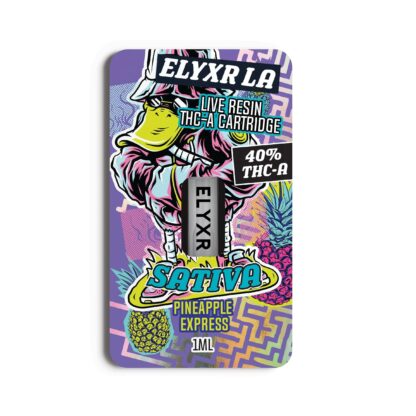
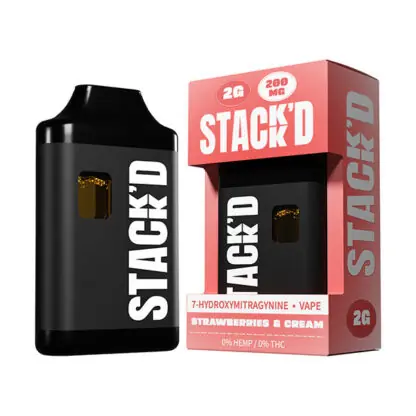
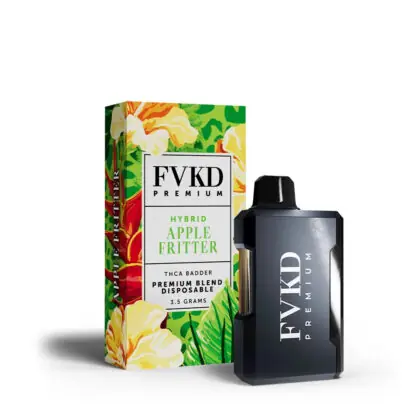
A cartridge is the half of a vape setup that holds the oil. It threads onto a 510 battery, which supplies the power, and the two have to suit each other for the combination to work properly. These cartridges carry different cannabinoids across the listings, so the collection name describes the format rather than the contents. Each is third-party tested with a batch certificate of analysis. Sales are restricted to buyers aged 21 and over.
This collection is organized by format. The listings in it are not all the same product in different flavors: one is THCA-dominant, one is CBD, and one is a live resin THCA cartridge.
Those three sit in different places. A CBD cartridge raises the statutory questions specific to CBD. A THCA cartridge sits squarely inside the hemp measurement changes arriving in late 2026. The format they share tells you nothing about either.
So the first step on this page is reading the cannabinoid named on the listing, then reading the certificate for that product specifically.
Ceramic and Cotton Coils
The heating element inside a cartridge is either a ceramic core or a wick-and-coil assembly, usually cotton or silica around a resistance wire.
Ceramic cores heat the oil across a larger surface at a more even temperature. They tend to preserve more of the terpene character, they handle thicker oils better, and they generally last longer before degrading. They also cost more, which is why they appear on higher-priced cartridges.
Cotton wick assemblies wick thin oils very efficiently and cost less to produce. They are more prone to burning if the wick runs dry, and they contribute more of their own character to the vapor as they age.
Neither is universally better. A thin distillate in a cotton wick cart performs well. A dense live resin in the same cart often does not, which is a pairing problem rather than a quality problem.
Matching a Cartridge to a Battery
Coil resistance, measured in ohms, sets how hot the coil runs at a given voltage. Most 510 cartridges fall between 1.0 and 2.0 ohms. Lower resistance heats faster and hotter; higher resistance more gently.
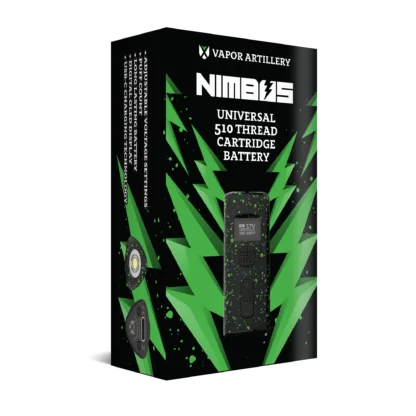
Pair that against the oil. A thick oil in a high-resistance coil can fail to wick quickly enough, producing a weak draw and then a scorched one. A thin oil in a low-resistance coil can wick faster than it vaporizes and leak from the airway. A variable voltage battery solves most of this, because you can match the power to the cartridge rather than hoping the manufacturer’s fixed setting suits it.
On fit: 510 threading is consistent in pitch but not in center pin depth, base length or cartridge diameter. A wide ceramic cartridge may not seat in a slim pen built for narrow glass. Tighten to snug and stop, because forcing a connection crushes center pins and strips threads.
What the Fill Figure Covers, and the Hemp Measurement Change
A cartridge states a figure for the entire fill, commonly 500 mg or 1000 mg, across the cartridge’s whole life. It is not a serving and not a draw.
Comparing that to a flower percentage requires converting both to milligrams: a gram of 24 percent THCA flower holds roughly 240 mg, so a 1000 mg cartridge holds about four times that.
On the THCA listings, THCA converts to Delta-9 THC when the coil heats it. USDA regulation at 7 CFR 990.1 sets total THC as 0.877 multiplied by THCA, plus THC, the 0.877 being a molecular weight ratio rather than a policy choice.
Federal hemp measurement narrows in late 2026, with finished products facing a cap on total THC counted per container rather than per serving. A cartridge is one container and the whole fill counts. Two effective dates sit in the amended definition, split by a statutory capability test set out on our THCA Products page. The lists the test depends on have not been published, which is why no page can responsibly tell you which date reaches which cannabinoid. Verify federal and state position before ordering.
Storage, Leaking and Restrictions
Store cartridges upright, cool and out of direct sunlight. On their side, oil migrates into the airway and the mouthpiece, which wastes product and makes the first draw unpleasant. Heat thins oil and is the main cause of leaking, so a cartridge left in a car is likely to arrive home empty around the threads.
If a cartridge draws poorly on a battery that works with others, clean the contact. Residue on the cartridge base or the battery’s center pin insulates the connection. A dry cotton swab fixes it; never use liquid on an electrical contact.
Several states restrict THCA and hemp-derived THC products independently of federal law, and some restrict vape products specifically. Shipping restrictions are applied at checkout. Keep out of reach of children and pets. These products have not been evaluated by the FDA and are not intended to diagnose, treat, cure or prevent any disease.
FAQ's
Do all the cartridges in this collection contain the same cannabinoid?
No. The collection is organized by format, not contents. One listing is THCA-dominant, one is CBD and one is a live resin THCA cartridge. They sit under different rules and carry different certificates, so read the cannabinoid named on the listing before anything else.
What is the difference between ceramic and cotton coils?
Ceramic cores heat a larger surface more evenly, preserve more terpene character, handle thick oils better and last longer, at a higher cost. Cotton wick assemblies wick thin oils efficiently and cost less, but burn more readily if the wick runs dry and contribute more of their own character as they age.
Will any cartridge fit any 510 battery?
Usually, not always. Thread pitch is consistent while center pin depth, base length and cartridge diameter vary by manufacturer. A wide ceramic cartridge may not seat in a slim pen built for narrow glass. Tighten to snug only, since forcing a connection damages pins and threads.
My cartridge draws weakly. What should I check first?
The contact. Residue on the cartridge base or the battery’s center pin insulates the connection, which is behind a large share of cartridges that seem faulty. A dry cotton swab clears it, and liquid should never touch an electrical contact. After that, check whether the battery’s voltage suits the coil’s resistance.
Why is my cartridge leaking?
Heat, most often. Warmth thins the oil, which then escapes around the threads and into the airway, so a cartridge left in a car or in direct sun is the usual culprit. Storing it on its side has the same effect. Keep cartridges upright, cool and out of sunlight.






 Vape Cartridges