


Is THCA Legal in Georgia? Everything You Need to Know in 2026
If you live in Georgia, you’ve probably noticed a shift in the local wellness scene. Maybe you’ve seen jars of what looks like traditional cannabis flowers sitting on the shelves of your local or online CBD shop, or perhaps you’ve heard friends talking about “THCA” as the new legal alternative. It’s exciting, but let’s be honest, it’s also pretty confusing. Is it legal? Is it safe? And how is it different from the stuff that’s still illegal in the state?
Navigating the world of hemp laws can feel like trying to solve a puzzle with missing pieces. One day a product is fine; the next, you hear rumors of a ban. If you’re a Georgian curious about THCA, you aren’t alone. We’re here to clear up the confusion, explain the current laws, and help you understand what you need to know to stay on the right side of the rules in 2026.
What is THCA and What’s the Hype About?
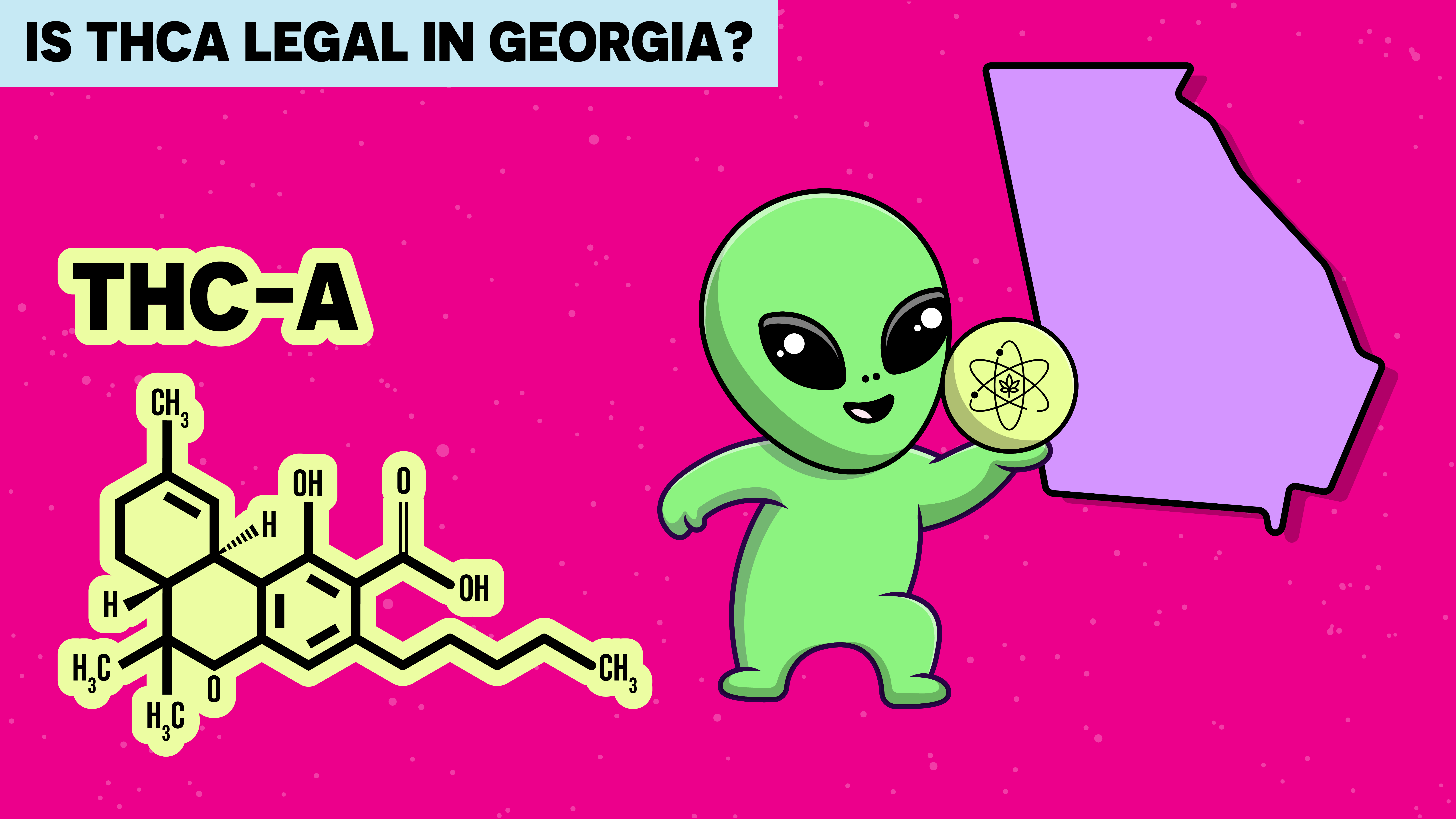
Before we dive into the legal nitty-gritty, let’s talk about what THCA actually is. THCA stands for tetrahydrocannabinolic acid. While the name sounds like a chemistry experiment, it’s actually 100% natural. THCA is the “raw” precursor to THC found in the living cannabis plant.
THCA itself is non-psychoactive. That means if you were to eat a raw cannabis bud rich in THCA, you wouldn’t feel high. However, THCA has a secret trick. When it is exposed to heat, like when you light a pre-roll, vape it, or bake it in the oven—it goes through a process called decarboxylation. This heat knocks off a carbon molecule (the “A”) and transforms THCA into Delta 9 THC, the compound that gives you that familiar euphoric effect.
So, why is everyone talking about it? Because for all intents and purposes, high-THCA hemp flower looks, smells, and acts just like traditional cannabis once you light it up. But because of how the law is written, it sits in a very different legal category.
What is the Legal Status of THCA in Georgia?
So, can you legally buy THCA in Georgia right now? As of early 2026, the answer is yes—but it’s important to understand why so you don’t get caught off guard.
Georgia’s stance on THCA is rooted in federal law, specifically the 2018 Farm Bill. This legislation changed the game by legalizing industrial hemp and all its derivatives, as long as the plant contains no more than 0.3% Delta 9 THC by dry weight.
Did you catch the specific wording there? The law limits Delta 9 THC. It doesn’t explicitly restrict THCA.
Georgia adopted its own state hemp program (the Georgia Hemp Farming Act) that mirrors these federal definitions. Under current state law, hemp products are legal as long as they meet that 0.3% Delta 9 threshold. Since THCA flowers and vapes are chemically distinct from Delta 9 THC before they are heated, they currently fit within the legal definition of hemp in Georgia. This “loophole” allows shops across Atlanta, Savannah, and beyond to sell these products openly.
Pending Legislation: Is the Party Over?
While you can currently walk into a store and buy THCA, you shouldn’t get too comfortable just yet. The legal landscape in Georgia is shifting beneath our feet. Lawmakers and law enforcement are well aware of the THCA market, and not everyone is a fan.
In recent legislative sessions, there has been a strong push to close what some officials call a “legal loophole.” The main proposal on the table involves changing how THC is measured. Instead of just looking at Delta 9, some proposed bills want to test for “Total THC.”
Total THC = Delta 9 THC + (THCA × 0.877)
If Georgia switches to a “Total THC” standard for finished products, almost all THCA flowers and vapes would instantly become illegal because their combined THC levels would far exceed the 0.3% limit. While a total ban hasn’t been finalized as of early 2026, the conversation is heating up.
This means the THCA pre-roll you buy legally today could potentially be banned in the near future. It’s crucial to keep an eye on local news and state legislative updates so you know exactly where you stand.
Why Quality Matters for Health and Safety?
Let’s switch gears for a second. Just because something is legal doesn’t automatically mean it’s good for you. The hemp market in Georgia is booming, but regulations regarding product safety are still catching up.
Think about it like this: you wouldn’t buy sushi from a gas station, right? You want to know it’s fresh and safe. The same logic applies to cannabinoids. Because the FDA doesn’t strictly regulate these products, there are plenty of subpar options floating around.
Some “THCA” products sold in convenience stores or unlicensed smoke shops might not be what they claim. They could be:
- Sprayed Hemp: Low-quality hemp flower sprayed with chemical distillates.
- Contaminated: Containing pesticides, heavy metals, or mold.
- Hot: Actually containing illegal levels of Delta 9 THC, putting you at legal risk.
Buying from a reputable source isn’t just about getting a better buzz; it’s about protecting your health. You want to ensure that what you’re putting into your body is clean, potent, and exactly what the label says it is.
5 Tips for Buying THCA Products in Georgia
Ready to shop? Whether you’re browsing online or hitting up a shop in Buckhead, here are a few golden rules to follow to ensure you’re getting safe, legal products.
- Demand the COA (Certificate of Analysis): This is non-negotiable. A trustworthy brand will always have third-party lab results available, usually via a QR code on the packaging. Check the report to confirm high THCA levels and—crucially—that Delta 9 is under the 0.3% limit. No COA? No sale.
- Check the Packaging: Professional brands invest in professional packaging. Look for child-resistant containers, clear ingredient lists, and batch numbers. If it looks like it was printed on a home computer, steer clear.
- Know Your Source: Buying online from established brands like Elyxr is often safer than buying from a local gas station. Online retailers usually have stricter quality controls and more transparent testing processes because their reputation depends on it.
- Be Discreet: Even though THCA is legal, it looks and smells exactly like marijuana (which is still illegal in Georgia). To a police officer, there is no visual difference. Keep your products in their original packaging and use them privately to avoid unnecessary misunderstandings.
- Stay Updated: Since Georgia laws are in flux, check the current status before you make a bulk purchase. What’s legal in January might be different by July.
Frequently Asked Questions (FAQs)
Q. Is THCA legal in Georgia in 2026?
Yes, as of early 2026, THCA derived from hemp is legal in Georgia, provided the product contains less than 0.3% Delta 9 THC. However, legislation is pending that could change this, so staying informed is key.
Q. Do I need a medical card to buy THCA in Georgia?
No. Because THCA is sold under hemp regulations (not medical marijuana laws), you do not need a medical card. You typically just need to be 21 or older and have a valid ID.
Q. Will THCA make me fail a drug test?
Yes, almost certainly. Most drug tests look for THC metabolites—what your body creates after processing THC. Since THCA converts to THC in your system, it will trigger a positive result just like traditional cannabis would.
Q. Is THCA the same as Delta 8?
No. Delta 8 is a minor cannabinoid often made by chemically converting CBD. THCA is the natural, raw precursor to Delta 9 THC found in the plant. Many users feel that THCA provides a more “authentic” cannabis experience compared to Delta 8.
Q. Can I get arrested for having THCA in Georgia?
Technically, no, if it is a compliant hemp product. However, because THCA flower looks and smells identical to illegal marijuana, law enforcement cannot tell the difference without a lab test. It is highly recommended to keep receipts and original packaging with you to prove it is a legal hemp product.
Q. Where is the best place to buy THCA?
For the highest safety standards, stick to reputable online vendors or dedicated hemp dispensaries that provide full panel lab testing. Avoid buying from convenience stores or places that cannot verify the origin of their products.