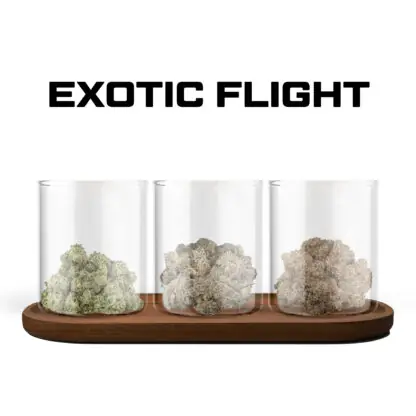
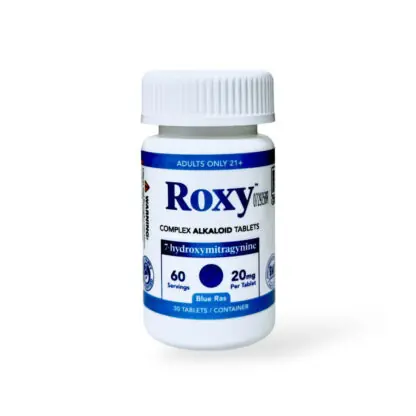
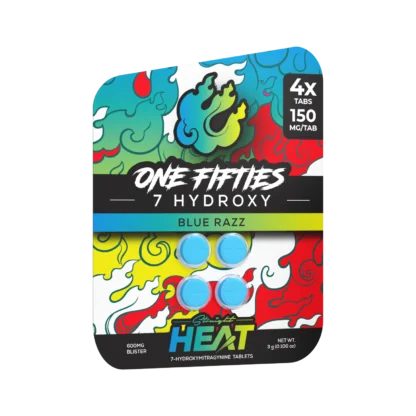
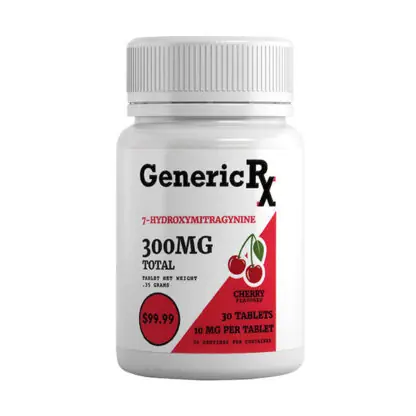
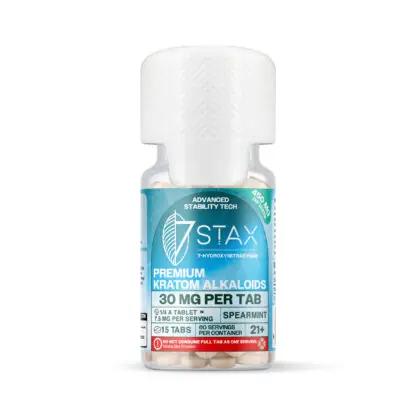
The flower in this collection is hemp bud with THCA as the dominant cannabinoid, sold from single-gram sizes up to bulk weights. Every listing is third-party tested with a batch certificate of analysis. THCA is the acid form the living plant produces, non-intoxicating until something heats it, and the section below explains how a percentage on a label converts into a figure you can compare against other formats. Several states restrict smokable hemp specifically, so check your own position before ordering.
What This Flower Is, and a Correction to the Current Page
The existing title and meta description on this collection describe CBD and THC buds. The catalog does not match that: the dominant cannabinoid across these listings is THCA, which is a third thing.
THCA is tetrahydrocannabinolic acid. A hemp plant does not manufacture THC directly; it manufactures this acid, which differs from THC by one carboxyl group and is described as non-intoxicating while that group remains attached. A flame takes the group off. So the correct description of this material is neither CBD nor Delta-9: it is the precursor that becomes Delta-9 at the moment the bud is lit, and everything on the label follows from that.
The copy above replaces that description. We have flagged the existing text for correction.
Percentages, Grams and How to Compare Formats
Flower is measured as a percentage of dry weight. A listing at 24 percent THCA means 24 percent of the bud’s mass is THCA.
To compare that against a cartridge or an edible, convert to milligrams. One gram of 24 percent flower holds roughly 240 mg of THCA. Seven grams holds about 1680 mg. That is the arithmetic that makes a flower listing and a 2000 mg disposable sit on the same scale, and nobody prints it for you.
The price spread in this collection reflects weight tiers rather than quality tiers. The higher prices here are bulk quantities, so compare on a cost-per-gram basis rather than on the headline price, and check the stated weight before concluding that one listing is dearer than another.
Total THC and the 0.877 Factor
USDA regulation at 7 CFR 990.1 defines total THC as 0.877 multiplied by THCA, plus THC. The 0.877 is a molecular weight ratio rather than a policy choice, since the carboxyl group lost during decarboxylation accounts for the mass difference. One milligram of THCA can yield at most about 0.877 mg of Delta-9.
Run that on commercial THCA flower and the result clears 0.3 percent by a wide margin. That is not an edge case; it is what the product is.
Federal hemp measurement narrows in late 2026, with plant material moving to a 0.3 percent total THC standard on a dry weight basis inclusive of THCA. Two effective dates apply, and which reaches a cannabinoid turns on a statutory test about whether it is capable of being naturally produced by a Cannabis sativa L. plant and whether it was produced inside the plant or synthesized outside it. THCA is produced by the plant. We are not publishing a compound-by-compound date table, because the federal lists the test depends on have not been published. Confirm current federal and state law before ordering, and check the date on any guidance you read elsewhere, including ours.
What the Certificate Should Show
Batch number matched to the package, since a report for another lot describes a different product. THCA and Delta-9 as separate line items rather than one combined figure, so you can run the conversion yourself. Pesticides and heavy metals, which matter as much on smoked flower as on an extract, because combustion does not remove either. Microbials and a mycotoxin panel, which are specific to material that was dried and cured and are the panels most often missing.
Storage and Restrictions
Humidity is the variable that decides whether bulk flower survives. A sealed container with a two-way pack holds the range; a bag in a drawer does not. Dried out, the material burns hot and carries a papery note. Damp, it grows mold, and at bulk weights one bad spot reaches a great deal of product. Warmth is a separate problem, since it slowly converts THCA to THC on the shelf, meaning a batch held for months no longer matches the certificate that came with it.
Several states restrict or prohibit THCA products independently of federal law, and a separate group restricts smokable hemp specifically even where other hemp formats are permitted. Shipping restrictions are applied at checkout. Sales are restricted to buyers aged 21 and over. Keep out of reach of children and pets. These products have not been evaluated by the FDA and are not intended to diagnose, treat, cure or prevent any disease.
FAQ's
Is this CBD flower or THC flower?
Neither description is accurate. The dominant cannabinoid here is THCA, the acid precursor the living plant produces. It is not CBD, and it is not sold as containing Delta-9 THC in quantity. Heating converts THCA to Delta-9, which is what happens when the flower is lit.
How do I convert a percentage into milligrams?
Multiply the percentage by the weight in milligrams. One gram is 1000 mg, so a gram of 24 percent THCA flower holds roughly 240 mg of THCA, and seven grams holds about 1680 mg. That conversion is what lets you compare a flower listing against a cartridge or an edible.
Why is there such a wide price range in this collection?
Because the listings cover very different weights, from single grams up to bulk quantities. The spread reflects weight tiers rather than quality tiers. Compare on cost per gram and check the stated weight before deciding one listing is more expensive than another.
How do I calculate total THC?
Take the THCA percentage, multiply by 0.877, then add the Delta-9 percentage. USDA regulation at 7 CFR 990.1 sets that formula. The multiplier is mass arithmetic rather than policy: the carboxyl group shed during decarboxylation is the difference, so it ceilings how much Delta-9 any quantity of THCA can yield.
Which certificate panels are most often missing on flower?
Mycotoxins and microbials. Both are specific to plant material that was dried and cured, and both are more frequently absent than the cannabinoid table. Pesticides and heavy metals matter as much here as on an extract, because combustion removes neither of them.