




High-Potency THC Gummies: How Strong Is Too Strong?
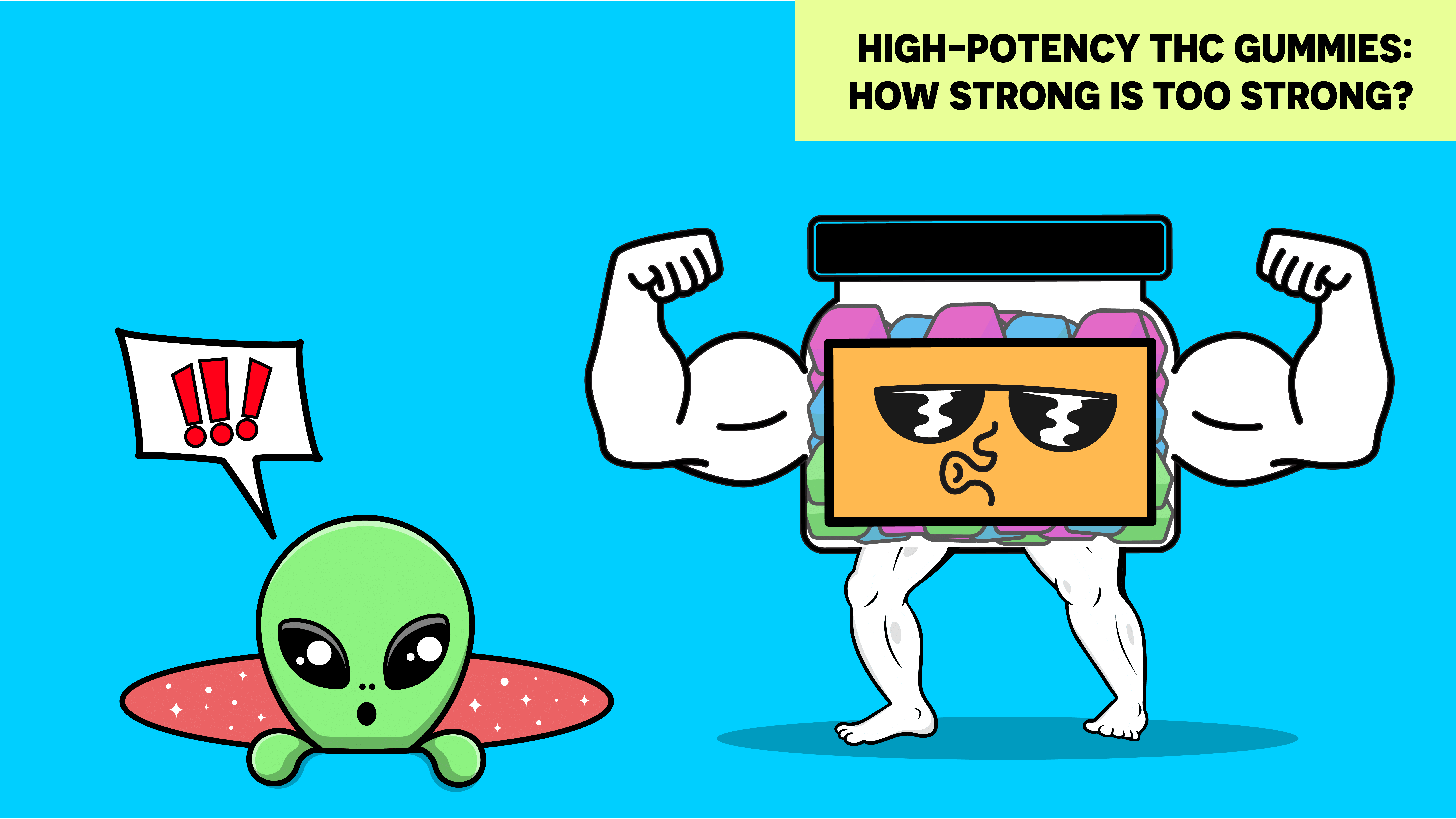
The strongest THC gummies on the market today reach 500 to 1,000 milligrams per single piece, with some multi-cannabinoid blends climbing even higher across a full container. For context on how extreme that is, a standard, moderate dose for an experienced user typically sits somewhere between ten and twenty-five milligrams. The high end of the current market isn’t just stronger, it’s operating in an entirely different category, and it’s also about to collide directly with a federal law that caps legal hemp THC gummies at a fraction of a milligram per serving.
Understanding the Current Dosage Tiers
Before getting into what’s changing, it’s worth establishing what the existing tiers actually mean. Anything under ten milligrams of THC is generally considered a low dose. Ten to twenty milligrams is moderate, the range most regular, experienced users land on for a reliable, comfortable effect. Twenty-five to one hundred milligrams is where things shift into genuinely strong territory, and this range is typically reserved for people with significant tolerance built up over time. Beyond fifty milligrams, even regular consumers are looking at a meaningful risk of unwanted effects, and the market’s five-hundred-plus-milligram products sit far outside what most people, regardless of tolerance, should be approaching casually.
What “Too Strong” Actually Looks Like
Physiologically, THC does not carry the kind of lethal overdose risk associated with substances like alcohol or opioids, and there are no documented fatal overdoses attributed directly to cannabis. That’s an important, often-overlooked fact. But “not lethal” and “not a real problem” are different things entirely. High doses can produce genuine, significant distress, including severe anxiety, panic, rapid heart rate, vomiting, and disorientation intense enough that people sometimes seek emergency medical attention, not because their life is in danger from the THC itself, but because the acute psychological and physical distress is real and overwhelming in the moment.
This is the practical definition of “too strong” that matters most: not a life-threatening dose, but one that produces an experience severe enough to be genuinely miserable, frightening, or disruptive, especially for anyone without the tolerance built up to handle it.
Why Delayed Onset Makes This Worse Than It Sounds
The single most common mistake with any THC edible, and the mistake that turns a strong-but-manageable dose into a genuinely bad experience, is not accounting for delayed onset. Edibles typically take thirty minutes to two hours to produce noticeable effects. When someone takes a high-potency gummy and doesn’t feel anything after twenty or thirty minutes, the instinct is often to assume it isn’t working and take more.
This is exactly how people end up with far more THC in their system than they intended, since the first dose eventually arrives, now stacked on top of a second dose that wasn’t necessary. With a genuinely high-potency product, five hundred milligrams or more per piece, this mistake is dramatically more consequential than it would be with a standard ten-milligram gummy, since the margin for error shrinks as the base potency climbs.
A Federal Potency Cap Is About to Change This Market Entirely
This is the development that makes any current conversation about high-potency THC gummies incomplete without mentioning it. Federal legislation enacted in late 2025 redefined legal hemp to include a maximum limit of 0.4 milligrams of total THC per container, not per serving, per entire container, for a product to qualify as legal hemp. Compliance is required by December 11, 2026, following a deadline extension signed into law in September 2026.
Read that number again, because it’s easy to misread given how used to milligram-in-the-tens-or-hundreds most people are in this category: 0.4 milligrams per container is a small fraction of even a single low-dose gummy under the current market, let alone the high-potency five-hundred-to-thousand-milligram products discussed above. This isn’t a tightening of the high-potency tier specifically, it’s a restructuring of what “legal hemp THC gummy” means at every potency level, effectively eliminating the entire current model of hemp-derived THC edibles as most consumers know it today.
What This Means for the High-Potency Category Specifically
Products at the five-hundred-milligram-plus end of the market are the furthest from being able to comply with this new framework, by an enormous margin. Barring further legislative changes before the December deadline, and the hemp industry is actively lobbying for exactly that, the high-potency THC gummy category as it currently exists is not compatible with the incoming federal hemp definition.
This is a rapidly evolving legal situation, and it’s genuinely uncertain whether additional legislative action will soften, delay, or restructure this cap before it takes effect. But planning around a hoped-for future change isn’t the same as understanding where things currently stand, and where they currently stand is that this entire potency tier is on a collision course with federal law within a matter of weeks of this article being written.
If You’re Currently Using High-Potency Products
If you already use higher-potency THC gummies regularly, this is worth treating as a genuine inflection point rather than a distant regulatory issue. Beyond the safety considerations around dosing at these levels that have always applied, the products themselves are likely to change dramatically, disappear from the legal hemp market entirely, or shift into state-licensed marijuana dispensary channels in states where that’s available, none of which is guaranteed to happen smoothly or without disruption to product availability.
A Few Common Questions
Q. Is there a safe upper limit for THC gummy potency?
There’s no universal number, since tolerance varies enormously by individual, but doses above fifty milligrams carry meaningfully higher risk of an uncomfortable experience even for regular users, and doses in the hundreds of milligrams are well outside what most people should approach without significant prior tolerance.
Q. Will the 0.4 milligram cap apply to marijuana dispensary products too?
No, this cap specifically applies to the federal hemp definition. Products sold through state-licensed marijuana dispensaries operate under separate state marijuana regulations, not the federal hemp framework.
Q. What happens to high-potency products already purchased before the deadline?
The law addresses future compliance for products being sold going forward rather than criminalizing possession of products already purchased, though the practical availability of these products is expected to change dramatically as the deadline approaches.
Q. Could the 0.4 milligram cap still change before December 2026?
It’s possible, given active industry lobbying and the fact that the compliance deadline has already been pushed back once. But as of now, this is enacted law with a firm date, not a proposal still under debate.
The Bottom Line
High-potency THC gummies already carried real risk of an unpleasant experience for anyone without significant tolerance, independent of any legal considerations. But the more urgent issue as of late 2026 is that the entire high-potency hemp gummy category is on a direct collision course with a new federal THC cap set at 0.4 milligrams per container, a small fraction of even a single standard dose under the current market. Whatever your tolerance or experience level, this is a category in the middle of a legal transformation, not a stable product tier to plan around long term.