








Mushroom Gummies for Relaxation: What to Know
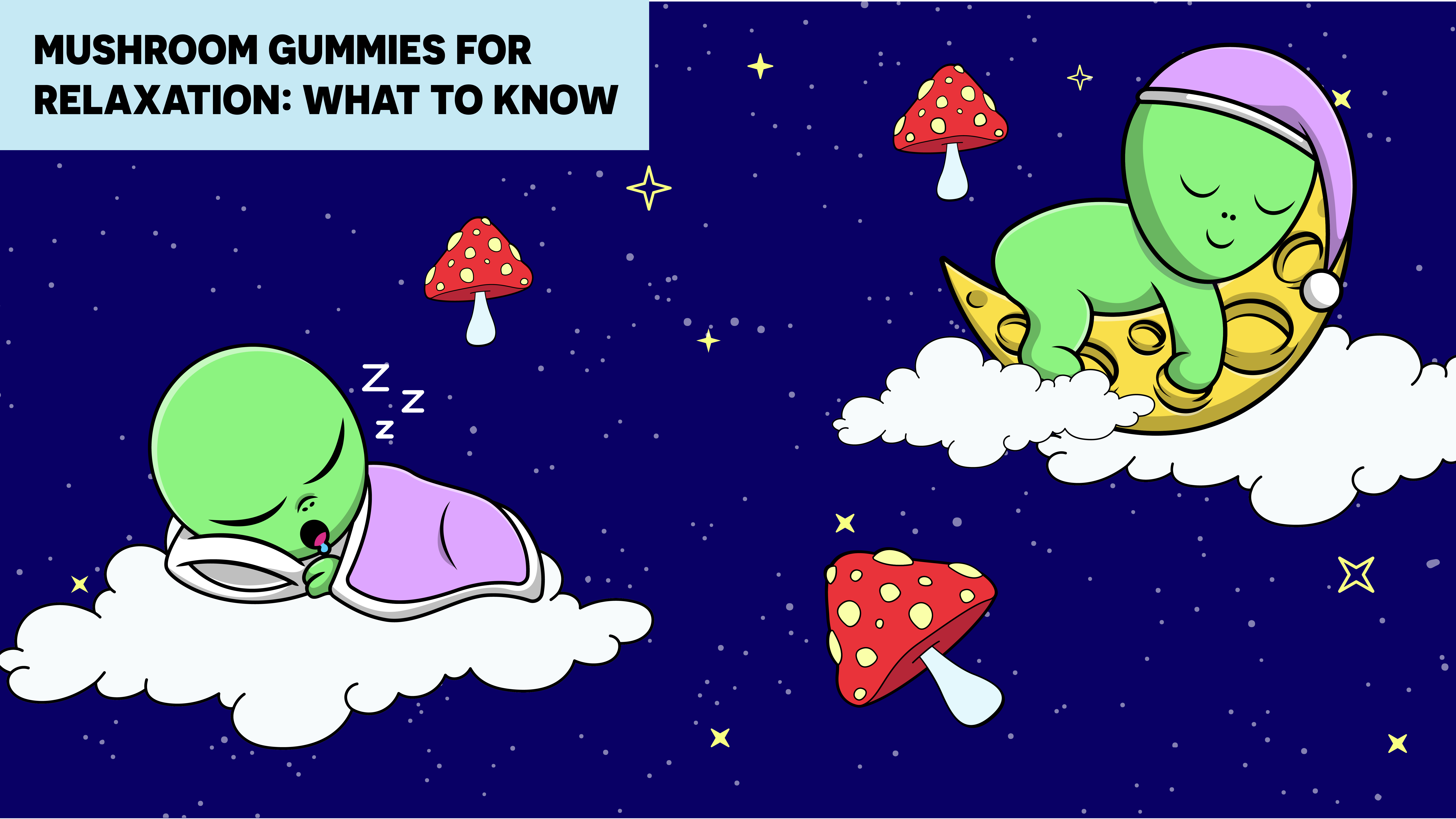
Of all the reasons people give for trying Amanita mushroom gummies, relaxation comes up more than almost anything else. Not “I want to trip” or “I want to feel something intense,” just a straightforward desire to unwind after a long day. That’s a specific, reasonable goal, and it’s worth understanding what’s actually happening when people report success with it, along with what to know before treating it as your go-to wind-down routine.
Why Amanita Gets Reached for Specifically
The reason relaxation shows up so consistently in reports about Amanita gummies comes down to their active compound, muscimol, and how it interacts with your body. Muscimol acts on GABA-A receptors in the central nervous system. GABA is your brain’s primary inhibitory neurotransmitter, meaning its general job is to dial down neural excitability rather than ramp it up. This is a fundamentally calming, quieting mechanism, which lines up directly with why relaxation is the effect people describe most often and most consistently.
This is a genuinely different mechanism than what you’d get from, say, a stimulant working to boost energy or focus. Amanita’s whole pharmacological direction points toward settling down rather than revving up, which is exactly why it’s positioned so differently in the market than, say, a CBG product marketed for focus.
What “Relaxation” Actually Tends to Feel Like
Based on how users commonly describe the experience, the relaxation associated with Amanita gummies tends to show up as a calming effect across both mind and body, a sense of physical tension easing along with a mental quieting that makes it easier to let go of the day’s stress. This is different from feeling sedated to the point of being unable to function, at least at moderate amounts, and more aligned with the kind of relaxed, unwound state people describe after a genuinely restful evening.
It’s worth being clear that this varies by dose and by individual. At higher amounts, the sedating quality of a GABA-active compound becomes more pronounced, which is part of why moderation matters more here than it might with something aimed at a lighter, more subtle effect.
Building It Into an Actual Wind-Down Routine
Because edibles generally take a while to kick in, somewhere in the thirty-minute to two-hour range depending on the specific product and format, treating an Amanita gummy as an instant relaxation switch doesn’t match how it actually works. The people who report the best experiences with this specific goal tend to build it into an intentional wind-down window rather than taking it and expecting something immediate.
That might mean taking a gummy specifically as you’re starting an evening routine, dimming lights, stepping away from screens, rather than in the middle of an already stressful moment expecting quick relief. The relaxation effect works with that kind of intentional pacing far better than it works as an emergency response to acute stress in the moment.
Dose Matters More for Relaxation Than You’d Think
If your specific goal is relaxation rather than a more pronounced psychoactive experience, more isn’t necessarily better here. A moderate amount, enough to produce the calming GABA-related effect without pushing into heavier sedation or the kind of altered perception associated with higher doses, tends to match a straightforward relaxation goal better than maxing out potency.
This is part of why understanding actual muscimol content, rather than just extract weight, matters so much when shopping specifically for a relaxation-focused product. A gummy marketed at a huge extract number isn’t necessarily the right choice if what you actually want is a gentle wind-down effect rather than an intense experience.
What This Isn’t a Substitute For
This needs to be said plainly. Reaching for a mushroom gummy for relaxation on an occasional basis is different from relying on it as your only tool for managing ongoing stress or anxiety. These are commonly reported effects with a plausible mechanism behind them, not a clinically validated treatment for any diagnosed condition, and Amanita gummies shouldn’t replace actual mental health support if what you’re dealing with is more than the normal stress of a hard day.
If you find yourself needing this kind of product every single day just to function, or if your stress levels feel like more than typical day-to-day tension, that’s worth a conversation with a healthcare provider rather than something to manage entirely on your own with an unregulated consumer product.
Combining Relaxation Goals With Other Wind-Down Habits
Amanita gummies tend to work best as one piece of a broader relaxation routine rather than a standalone fix. Users who pair a moderate dose with other calming habits, reduced screen time, a consistent bedtime, a quiet environment, tend to report a more satisfying overall result than those expecting the gummy alone to override an otherwise overstimulating evening right up until the moment they try to sleep.
Setting Reasonable Expectations the First Time
If this is your first time reaching for an Amanita gummy specifically for relaxation, it helps to go in without a fixed idea of exactly what you should feel or when. Some people notice a fairly clear, describable calming sensation. Others describe something subtler, more like the day’s tension quietly draining away rather than a distinct, dramatic shift. Both are within the normal range of what gets reported, and neither one means the product isn’t working the way it’s supposed to. Paying attention to your own baseline, how tense or wound up you felt beforehand compared to after, tends to be a more useful measure than comparing your experience to someone else’s online description of theirs.
A Few Common Questions
Q. How long before I want to relax should I take an Amanita gummy?
Given the typical thirty-minute to two-hour onset window, building in at least an hour of buffer time, more if you’re using a chocolate format specifically, gives the effect time to actually arrive before you need it.
Q. Is a stronger gummy better for relaxation, or should I stick with something milder?
For a straightforward relaxation goal, a moderate amount is usually a better match than maximum potency, which tends to push toward heavier sedation or more pronounced effects than a simple wind-down calls for.
Q. Can I use Amanita gummies for relaxation every day?
Relying on any GABA-active product as a daily requirement for basic functioning is worth examining honestly, and if that’s where you’ve landed, a conversation with a healthcare provider is a more appropriate next step than continuing to increase reliance on an unregulated product.
Q. Does relaxation from Amanita gummies feel different from CBD’s calming effects?
Yes, they work through different mechanisms, GABA receptor activity for muscimol versus CBD’s more indirect serotonin and endocannabinoid system interactions, and many users describe the Amanita effect as more pronounced and distinctly physical compared to CBD’s typically subtler calming quality.
The Bottom Line
Relaxation is the most consistently reported effect associated with Amanita mushroom gummies, and it has a plausible explanation behind it in muscimol’s activity at GABA receptors. Getting the most out of that specific goal comes down to moderate dosing, realistic timing that accounts for a genuinely variable onset window, and treating it as one part of an intentional wind-down routine rather than an instant fix or a substitute for addressing more serious, ongoing stress.