CBD and Delta-8 THC are isomers. They share the same molecular formula and differ in how the atoms are arranged. Converting one to the other means rearranging bonds, not adding or removing material, which is why the reaction is called isomerization.
In practice it means dissolving CBD in a solvent, adding an acid catalyst, applying heat, then neutralizing, washing and purifying. The reaction is well understood and entirely feasible outside a laboratory, which is both why the category grew so fast and why quality varies so much.
Two things come out of a conversion that are worth knowing about. The reaction is not perfectly selective, so it produces Delta-9 THC and other THC isomers alongside the Delta-8, which is why a Delta-8 certificate should always report Delta-9 as its own line item. And the acid catalyst, the solvent and any neutralizing agent all have to be removed afterward, which is why the residual solvent panel is not optional reading on this category.
The legal significance is separate and larger. The DEA has stated, in published rulemaking, that tetrahydrocannabinols produced through chemical conversion are considered synthetically produced for purposes of the Controlled Substances Act even when the starting material is hemp derived. The Schedule I listing for tetrahydrocannabinols at 21 CFR 1308.11(d)(31) carves out material falling within the federal hemp definition at 7 U.S.C. 1639o, and that carve-out is keyed directly to the hemp statute. So the exemption narrows automatically whenever the hemp definition narrows, with no separate rulemaking required.
That is a description of the agency’s published position and the mechanism, not legal advice, and litigation on these questions is ongoing. Anyone selling in this category should have counsel read it directly.








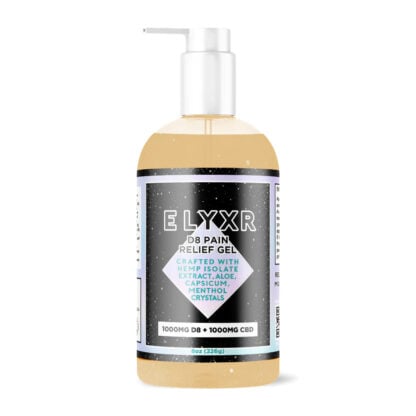
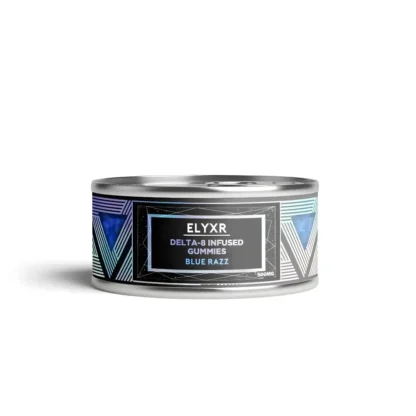
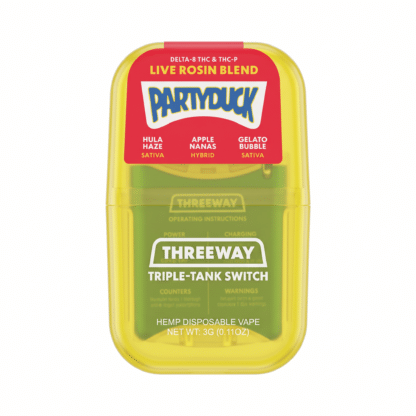
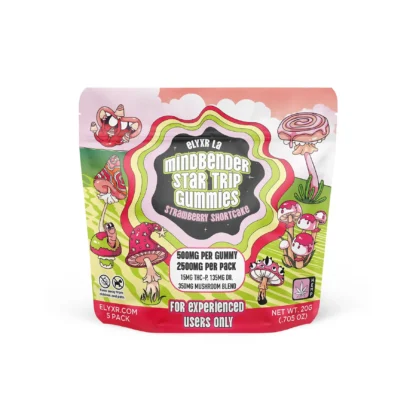
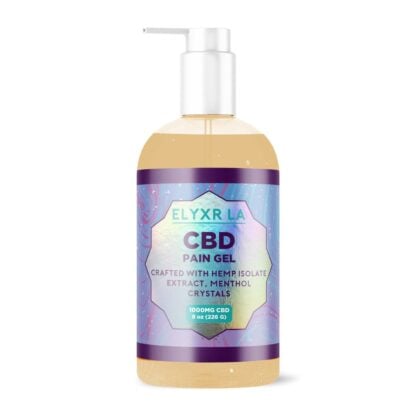
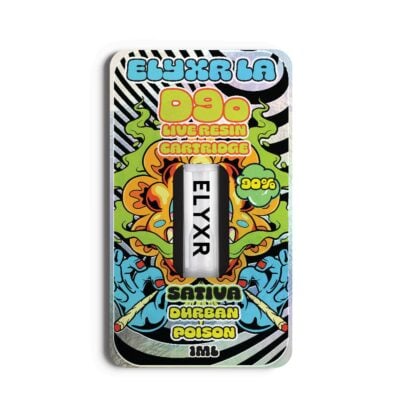
 Delta 8 Products