In a living hemp plant almost none of the THC exists as THC. It exists as tetrahydrocannabinolic acid, which carries an extra carboxyl group on the molecule. That group is the difference between a compound that binds strongly at CB1 receptors and one that does not, which is why raw THCA is described as non-intoxicating.
Apply heat and the carboxyl group leaves as carbon dioxide. That reaction is decarboxylation, and it happens whenever the material is smoked, vaporized or baked. The THCA you buy is the THC you get, minus a conversion loss. This is the single fact the whole category rests on, and it is also the reason the law is changing.
The 0.877 Conversion Factor, and How to Use It
USDA regulation at 7 CFR 990.1 defines total THC with a specific formula: total THC equals 0.877 multiplied by THCA, plus THC.
The 0.877 is a molecular weight ratio, not a policy choice. THC’s molar mass is roughly 87.7 percent of THCA’s, because the carboxyl group is lost during decarboxylation, so one milligram of THCA can yield at most about 0.877 mg of Delta-9 THC. The factor is applied when a lab uses liquid chromatography, which does not heat the sample. Gas chromatography decarboxylates thermally and reads the converted total directly.
You can run this yourself on any COA. Take the THCA percentage, multiply by 0.877, add the Delta-9 figure. That number is what the federal test now measures.
What This Collection Carries
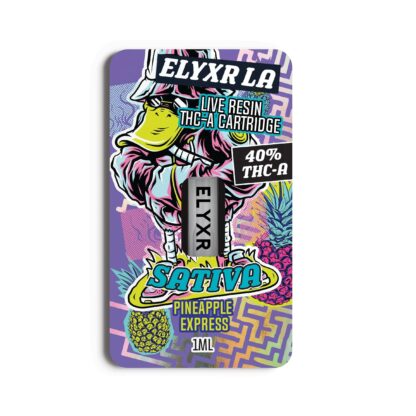
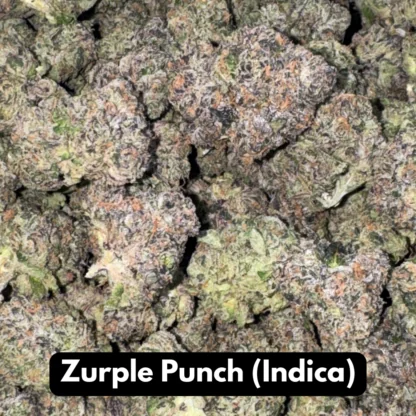
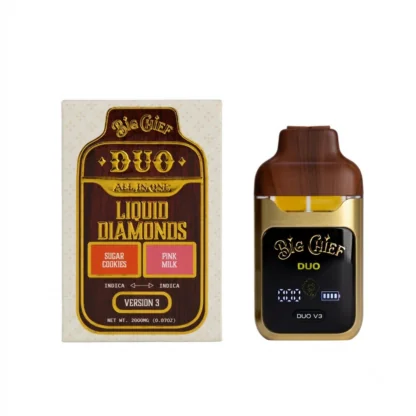
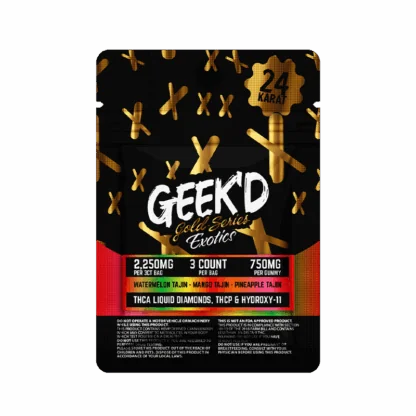
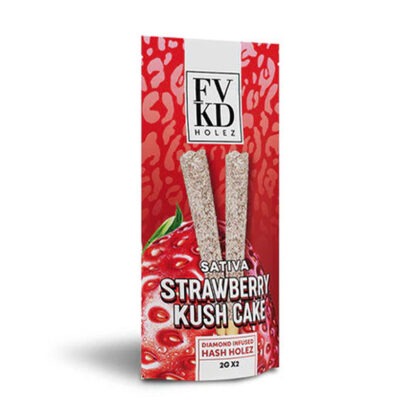
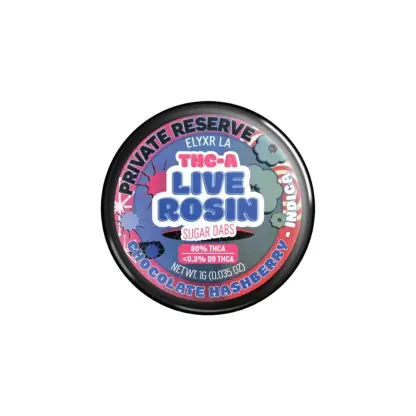
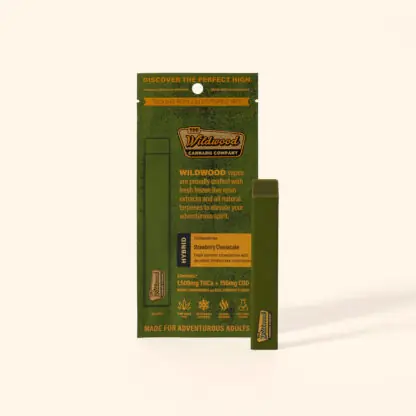
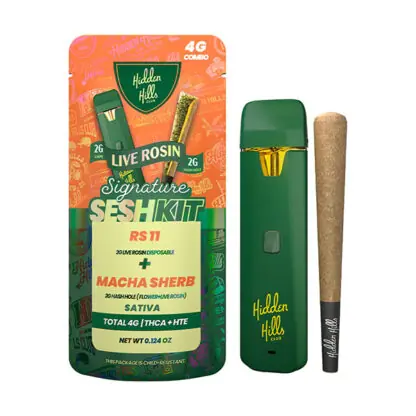
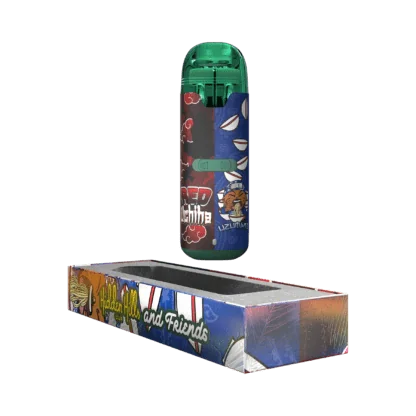
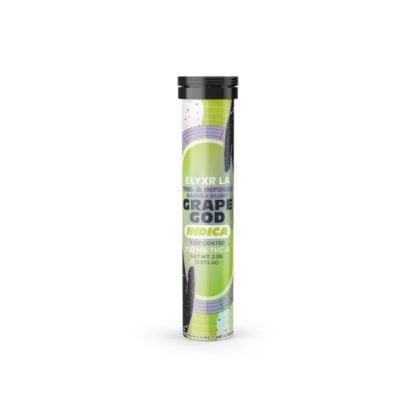
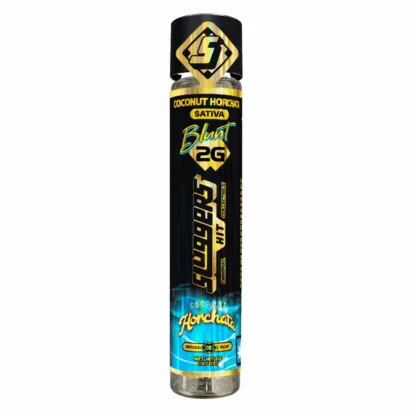
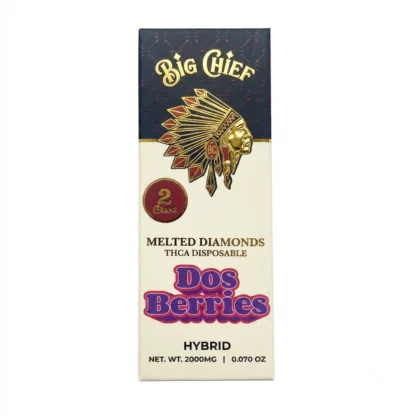
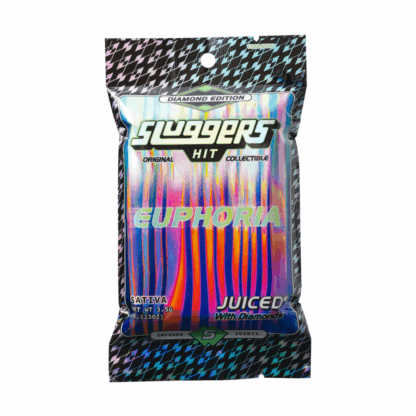
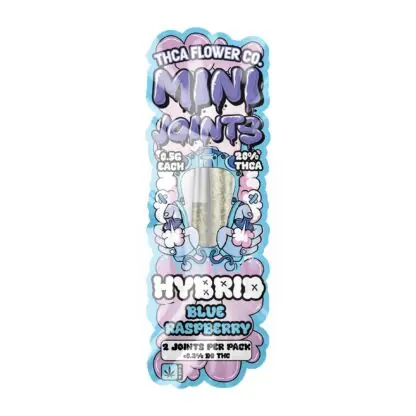
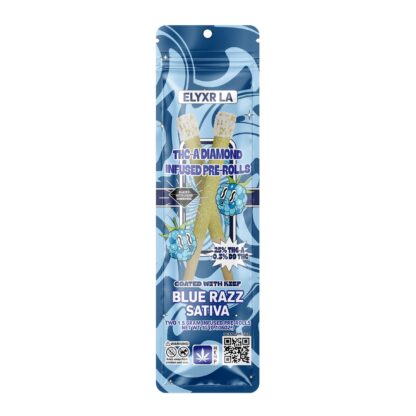
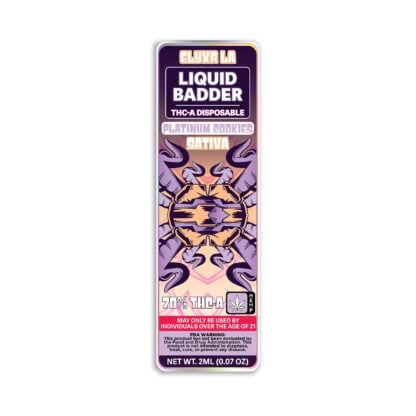
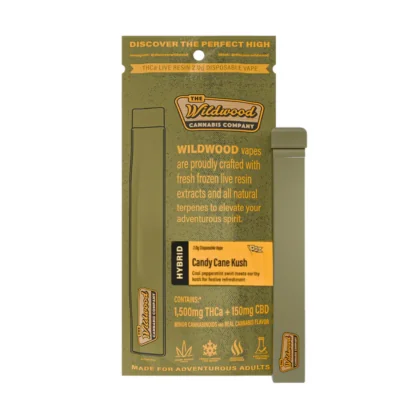
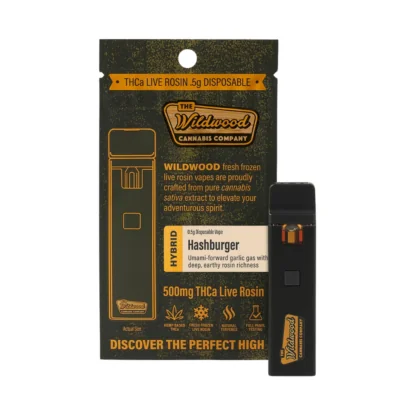
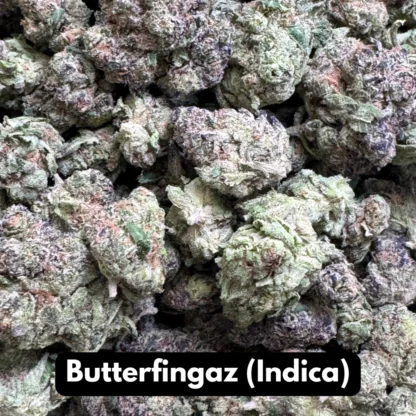
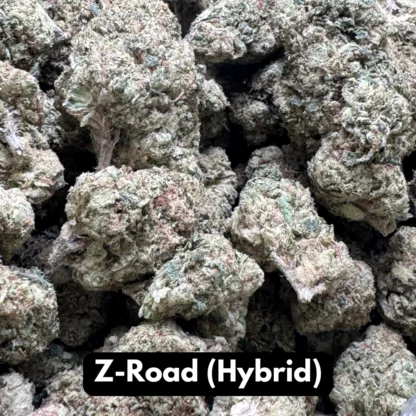
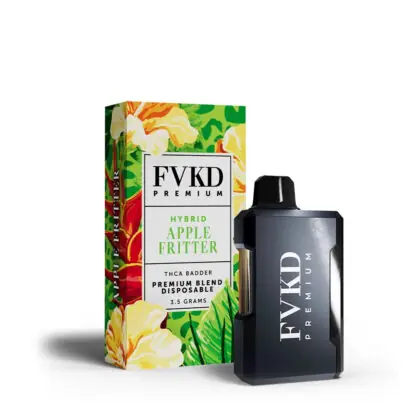
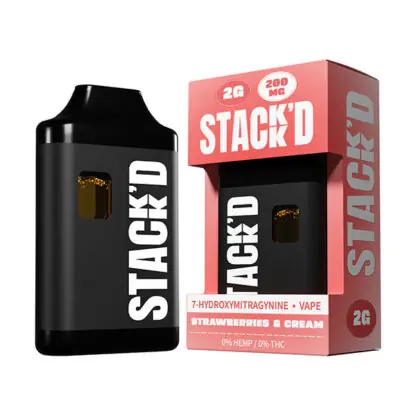
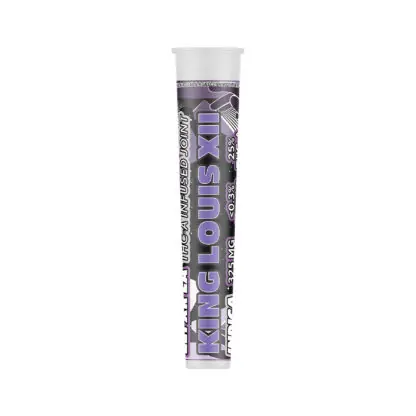
Forty-two listings across five formats. Disposables are the largest group, then flower, then concentrates including live rosin and liquid diamonds, then cartridges and pre-rolls. Brands include Big Chief, Cake, Hidden Hills, FVKD, Loud and Wildwood.
The formats are not interchangeable when it comes to reading a label. A disposable states a total milligram figure for the whole device, which covers the entire fill rather than a single draw. Flower states a THCA percentage by weight. Concentrates state both. Comparing a 2000mg disposable against a flower listing at 24 percent THCA is comparing a mass to a concentration, and the only way to make them comparable is the arithmetic in the section above.
The December 11, 2026 Change Is Aimed at This Category
Section 781 of the FY2026 appropriations act narrows the federal hemp definition. Plant material moves to 0.3 percent total THC on a dry weight basis, inclusive of THCA. Finished products face a cap of 0.4 mg total THC per container, counted across the container rather than per serving.
The date moved recently and a lot of published guidance has not caught up. H.R. 6500 was signed on September 2, 2026, and pushed non-synthetic hemp cannabinoids from November 12, 2026, to December 11, 2026. Cannabinoids a cannabis plant cannot naturally produce, meaning acetate esters and comparable semi-synthetics, keep the November date. THCA is naturally produced, so it sits on the December date.
Apply the total THC formula to commercial THCA flower and the result clears 0.3 percent by a wide margin. That is not an edge case, it is the definition of the product. Confirm current federal and state law before ordering, and read any guidance you find elsewhere for its date.
Reading a THCA Certificate of Analysis
Four things, in order. Batch number matched against the packaging, because a COA for another lot proves nothing about your product. THCA and Delta-9 reported as separate line items rather than a single combined figure, so you can run the conversion yourself. Total THC, if the lab has calculated it, checked against your own arithmetic. And the contaminant panels for pesticides, heavy metals, residual solvents and microbials, which matter as much on flower as on extracts.
If a report shows only a total cannabinoid figure with no breakdown, it does not tell you what you need to know.
Storage, Handling and Restrictions
Flower wants cool, dark and stable humidity, ideally in a sealed container with a humidity pack rather than a bag in a drawer. Too dry and it degrades and burns harshly; too damp and you risk mold. Concentrates and cartridges want cool, dark and upright, away from heat. Everything in this category degrades faster in light and warmth, and THCA converts slowly to THC over time even without deliberate heating, which changes what a stored product contains.
Sales are restricted to buyers aged 21 and over. Several states restrict or prohibit THCA products independently of federal law, and shipping restrictions are applied at checkout. These products have not been evaluated by the FDA and are not intended to diagnose, treat, cure or prevent any disease.
FAQ's
What is THCA?
Tetrahydrocannabinolic acid, the raw acidic form of THC present in the living hemp plant. It carries an extra carboxyl group that THC does not, and in that form it is described as non-intoxicating. Heat removes the group and converts THCA into Delta-9 THC, which is what happens when the material is smoked or vaporized.
Does THCA get you high?
Not in its raw, unheated form. Once heated it converts to Delta-9 THC and behaves as Delta-9 THC does. Since almost every way people use these products involves heat, the practical answer for a disposable, a cartridge or a pre-roll is that you are consuming converted THC rather than THCA.
How do I work out total THC from a COA?
Multiply the THCA percentage by 0.877 and add the Delta-9 percentage. That formula comes from USDA regulation at 7 CFR 990.1. The 0.877 is a molecular weight ratio reflecting the carboxyl group lost during decarboxylation, so it caps the Delta-9 a given amount of THCA can produce.
Is THCA legal?
That changes on December 11, 2026, and the date itself changed recently. Until then THCA sits under the framework that measures hemp by Delta-9 content alone. From that date total THC inclusive of THCA applies at 0.3 percent for plant material, with a 0.4 mg total THC per container cap on finished products. Several states already restrict THCA.
Why did the date move from November to December?
H.R. 6500 was signed into law on September 2, 2026, and pushed the Section 781 restrictions back by roughly a month for non-synthetic hemp cannabinoids. THCA is naturally produced by the plant, so it moved to December 11, 2026. Acetate esters and similar semi-synthetics kept the original November 12 date.
How is THCA different from Delta-9 THC?
One carboxyl group. THCA is the acid precursor and Delta-9 is what remains after that group is removed by heat. They behave very differently before heating and near-identically after it. Under the measurement taking effect in December, they are counted together rather than separately.
Will THCA show up on a drug test?
Standard screening looks for THC metabolites and does not distinguish a source. Because THCA converts to Delta-9 THC when heated, using a THCA product can produce a positive result. If you are subject to testing, that is worth knowing before ordering. This is not medical or legal advice.
How should I store THCA flower?
Cool, dark and at stable humidity, in a sealed container rather than an open bag. A humidity pack helps: too dry and the material degrades and burns harshly, too damp and mold becomes a risk. Warmth also drives slow conversion of THCA to THC over time, which changes what a stored product contains.




 THCA Products