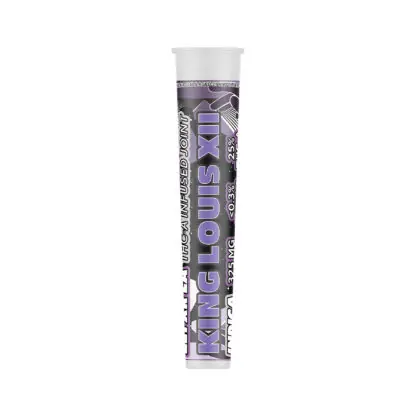
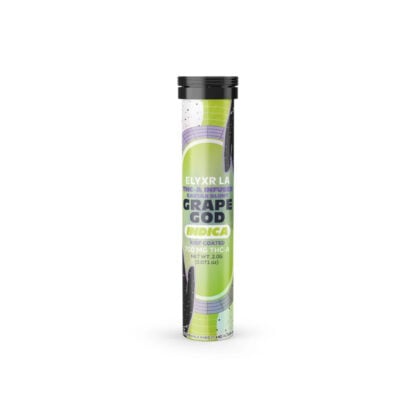
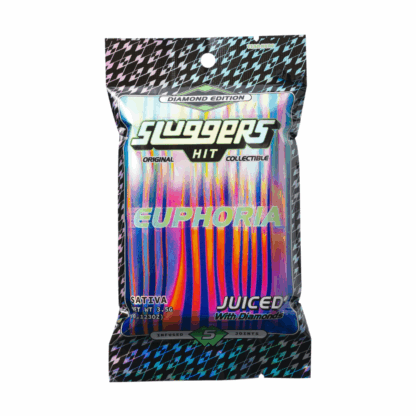
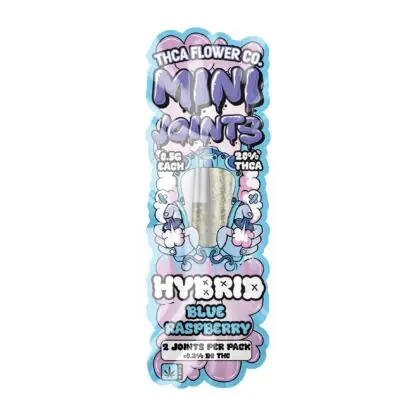
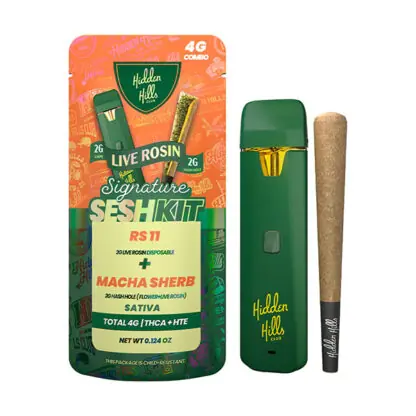
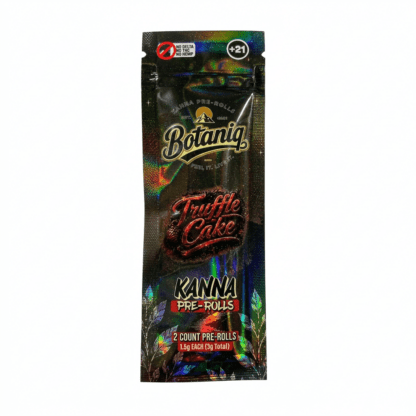
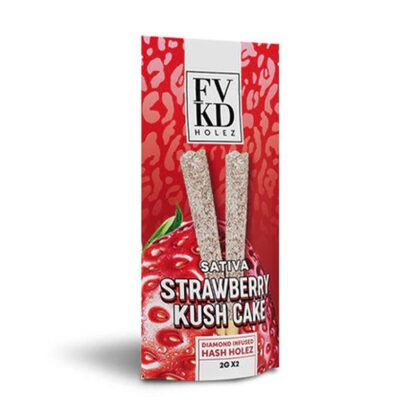
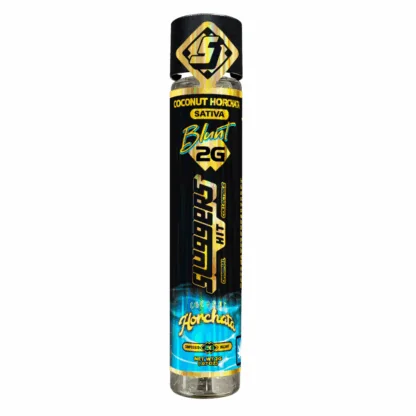
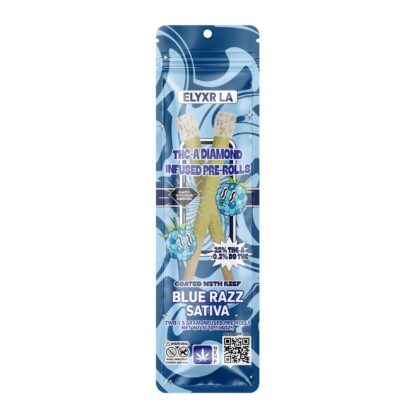
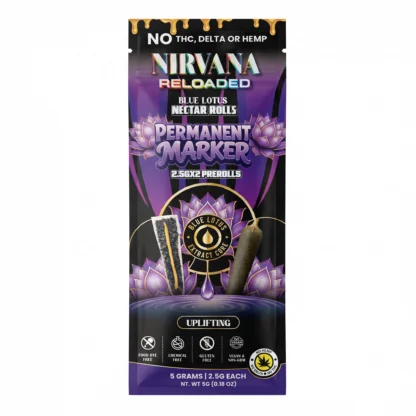
A pre-roll is a format, not an ingredient, and this collection proves the point. Some of these are hemp flower rolled with THCA as the dominant cannabinoid. Others are Botaniq kanna pre-rolls, made from Sceletium tortuosum, a South African succulent that contains no cannabinoids at all. The two sit under completely different rules. Everything here is third-party tested with a batch certificate of analysis, and the guide below explains how to tell which type you are looking at before you read anything else on the label.
Most collections on this site group products by what is in them. This one groups by shape, which means the eleven listings here do not share a regulatory frame or a certificate of analysis format.
The majority are hemp pre-rolls. The plant material is hemp flower, THCA is the dominant cannabinoid by weight, and the whole body of federal hemp measurement rules applies.
A smaller group, the Botaniq listings, are kanna pre-rolls. Kanna is Sceletium tortuosum, a succulent native to South Africa with a long history of traditional use there. It is not cannabis, is not related to cannabis, and contains no cannabinoids. Hemp rules do not apply to it because there is no cannabinoid content to measure.
The practical instruction: look at the plant named on the package before anything else. Everything downstream, the certificate you should expect, the rules that apply and the questions worth asking, follows from that one fact.
Kanna Is Not Cannabis, and Its Certificate Looks Different
Because kanna contains no cannabinoids, a kanna certificate of analysis has no cannabinoid panel to report. There is no THCA figure, no Delta-9 figure and no total THC calculation, and their absence is correct rather than a gap in the testing.
What a kanna certificate should carry instead is identity confirmation that the material is Sceletium tortuosum, and the contaminant panels that matter for any combusted botanical: heavy metals, pesticides and microbials. Some reports also quantify the mesembrine-type alkaloids the plant is known for, though no standardized reference method exists for that, so figures are not comparable across labs the way cannabinoid figures are.
Kanna is not a federally controlled substance in the United States and is not scheduled. It is sold here as a botanical product. It is not a medicine, it is not an approved dietary supplement, and nothing on this page describes what it does. We restrict sales to buyers aged 21 and over for every product in this collection regardless of type.
What the Hemp Pre-Rolls Contain, and How the Measurement Is Changing
On the hemp side, the dominant cannabinoid by weight is THCA, tetrahydrocannabinolic acid. That is the acid precursor the living plant produces. It carries an extra carboxyl group that THC does not, and in that unheated form it is described as non-intoxicating.
Lighting a pre-roll removes that group as carbon dioxide, which is the reaction called decarboxylation. So the THCA on the label is the THC delivered in use, minus a conversion loss.
USDA regulation at 7 CFR 990.1 sets the arithmetic. Total THC equals 0.877 multiplied by THCA, plus THC. The 0.877 is a molecular weight ratio rather than a policy choice, since the carboxyl group lost in decarboxylation accounts for the difference. The arithmetic works on any certificate. Multiply the reported THCA figure by 0.877, then add whatever Delta-9 the lab found, and the sum is the number the federal test measures.
Federal measurement of hemp is narrowing in late 2026. Plant material moves to a 0.3 percent total THC standard on a dry weight basis, inclusive of THCA, and finished products face a cap counted per container rather than per serving. Two effective dates apply, and which one reaches a given cannabinoid turns on a statutory test rather than on the product’s format: whether the cannabinoid is capable of being naturally produced by a Cannabis sativa L. plant, and whether it was in fact produced inside the plant or synthesized outside it. THCA is produced by the plant, so hemp pre-rolls sit on the later of the two dates.
We are deliberately not publishing a compound-by-compound date table, because the federal lists that the test depends on have not been published. Confirm current federal and state law before ordering, and check the date on any guidance you read elsewhere, including ours.
Why "Farm Bill Compliant" Is Coming Off This Page
The current meta description on this collection describes the products as Farm Bill compliant. That framing was accurate when it was written and is no longer safe.
The phrase points at a definition that is being narrowed. A product that satisfies the 2018 measurement, which looked at Delta-9 content alone, can fail the amended one, which counts THCA toward the total. Saying “Farm Bill compliant” on a THCA pre-roll in late 2026 is at best ambiguous about which Farm Bill and which standard, and it invites a reader to conclude something about the product’s status that the seller cannot stand behind.
The replacement we recommend is specific rather than reassuring: name the cannabinoid, state what the certificate reports, give the date of the legal note, and tell the reader to confirm their own state’s position. That is less comfortable copy and it is considerably more defensible.
Grind, Filters and Burn
Format quality comes down to three things, and none of them appear on a certificate.
Grind consistency sets the burn. Material ground too fine packs tight and restricts airflow, which makes the cone run hot and uneven. Too coarse and you get channeling, where the ember finds a path down one side and the rest goes unburned. A medium, even grind is what produces a straight burn line.
Filter tips do two jobs. They keep the pack from collapsing into the airway, and they add distance between the ember and the draw. Paper spiral tips restrict more than hollow glass; neither is better in the abstract.
Moisture is the variable people notice last. Too dry and the material burns fast and harshly, and the smoke carries the papery character of a stale pre-roll. Too damp and it refuses to stay lit and risks mold in storage. The correct range is narrow, which is why how a pre-roll was stored before it reached you matters as much as how it was made.
Storage, Shipping and Restrictions
Store pre-rolls in a sealed container, cool and dark, at stable humidity. A two-way humidity pack holds the range better than a bag in a drawer. Heat and light degrade plant material, and in the hemp products heat also drives slow conversion of THCA to THC over time, which changes what a stored product contains relative to its certificate.
Several states restrict or prohibit THCA products independently of federal law, and some restrict smokable hemp specifically even where other hemp formats are permitted. Shipping restrictions are applied at checkout. Sales are limited to buyers aged 21 and over. Keep everything out of reach of children and pets. These products have not been evaluated by the FDA and are not intended to diagnose, treat, cure or prevent any disease.
FAQ's
Are all the pre-rolls in this collection hemp?
No, and this is the most important thing to check. Most are hemp flower with THCA as the dominant cannabinoid. The Botaniq listings are kanna, made from Sceletium tortuosum, a South African succulent that contains no cannabinoids. The two types carry different certificates and sit under different rules. Read the plant named on the package.
What is kanna?
Sceletium tortuosum, a succulent native to South Africa with a long history of traditional use there. It is unrelated to cannabis and contains no cannabinoids. It is not a federally controlled substance in the United States. It is sold as a botanical product, not as a medicine or an approved dietary supplement.
Why does the kanna certificate have no THC figure?
Because there is no cannabinoid in the material to measure. The absence is correct rather than a testing gap. A kanna certificate should instead confirm the material’s identity as Sceletium tortuosum and report the contaminant panels that matter for any combusted botanical: heavy metals, pesticides and microbials.
What is THCA and does it become THC when I light a pre-roll?
THCA is tetrahydrocannabinolic acid, the acid form the living plant produces. It carries a carboxyl group that THC does not, and unheated it is described as non-intoxicating. Combustion removes that group, so lighting a pre-roll converts THCA to Delta-9 THC. The label figure is what gets converted, minus a loss.
How do I calculate total THC from the certificate?
The formula sits in USDA regulation at 7 CFR 990.1: THCA percentage times 0.877, plus the Delta-9 percentage. That multiplier comes from the relative molecular weights, since decarboxylation discards the carboxyl group, and it sets the upper limit on what a given quantity of THCA can convert into.
Are these pre-rolls Farm Bill compliant?
We are retiring that phrasing, because the definition it points to is being narrowed and the phrase no longer tells you anything reliable. A product satisfying the 2018 standard, which measured Delta-9 alone, can fail the amended one, which counts THCA toward the total. Read the certificate, note the date, and confirm your state’s position.
Will a THCA pre-roll show up on a drug test?
Standard screening looks for THC metabolites and does not identify a source. Because THCA converts to Delta-9 THC when the pre-roll is lit, use can produce a positive result. If you are subject to testing, that is worth knowing before ordering. This is not medical or legal advice.
How should I store pre-rolls?
Sealed container, cool, dark, humidity held steady with a two-way pack. A dry pre-roll runs fast and harsh; a damp one refuses to stay lit and can go moldy in storage. On the hemp side there is a second effect, since warmth slowly converts THCA on the shelf, so an old pre-roll is not quite the product its certificate describes.





 Pre-Rolls