


Kratom & Kava
Kratom and kava get shelved together often enough that people assume a relationship. There is none botanically.
Kratom is Mitragyna speciosa, a tree in the coffee family from Southeast Asia. Its active compounds are alkaloids, chiefly mitragynine.
Kava is Piper methysticum, a shrub in the pepper family from the Pacific Islands, where the root has a long ceremonial and social history. Its active compounds are kavalactones, which are not alkaloids and are chemically unrelated to anything in kratom.
Different families, different continents, different chemistry, different rules. The only thing they genuinely share is a shelf. This page treats them separately because that is the accurate way to treat them.
Six kavalactones account for roughly 96 percent of the active fraction in kava root: desmethoxyyangonin, dihydrokavain, yangonin, kavain, dihydromethysticin and methysticin.
Content varies by plant part. Published analysis puts kava roots at roughly 8 to 13 percent kavalactones by dry weight and rhizomes at 2 to 8 percent, with commercial powdered products commonly in the 3 to 5 percent range. Laboratories typically measure them by reversed-phase HPLC with UV detection.
Two labeling conventions cause confusion. Extracts are frequently sold as standardized to a percentage, “30 percent kavalactones” being a common one, and that percentage refers to the extract rather than to raw root, so the two figures are not comparable. Separately, traditional kava classification uses a chemotype: a six-digit code listing the six kavalactones in descending order of concentration. A chemotype of 463251 means kavain is highest, then methysticin, and so on. Noble cultivars are distinguished by chemotype rather than by marketing language.
This belongs on the page and almost no retailer includes it.
On March 25, 2002, the FDA issued a consumer advisory titled “Kava-Containing Dietary Supplements May be Associated with Severe Liver Injury.” It advised consumers of the potential risk of severe liver injury associated with kava-containing dietary supplements, and stated that persons who have liver disease or liver problems, or persons who are taking drug products that can affect the liver, should consult a physician before using them. The advisory listed jaundice and brown urine as warning signs alongside nausea, vomiting, light-colored stools, unusual tiredness, weakness, abdominal pain and loss of appetite.
That advisory has never been withdrawn and remains the FDA’s operative consumer communication on kava. The agency also published a review of the literature on kava safety in August 2020.
Kava is not a controlled substance and is legal to sell in the United States. Both of those things are true alongside the advisory, and stating one without the other would be incomplete.
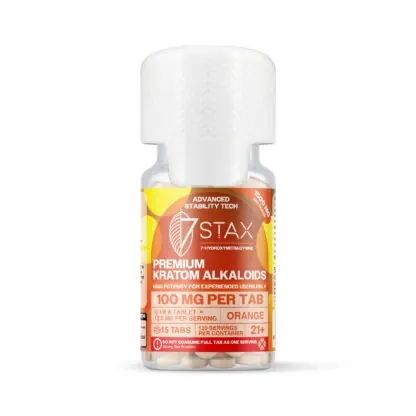
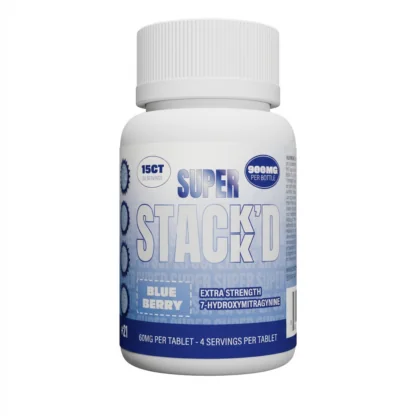
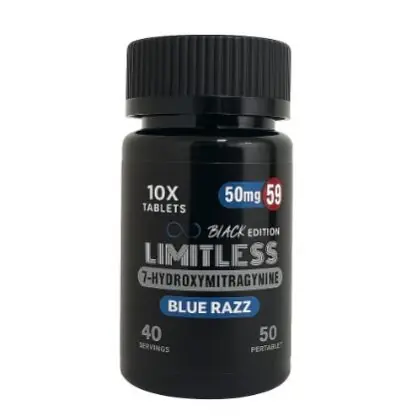
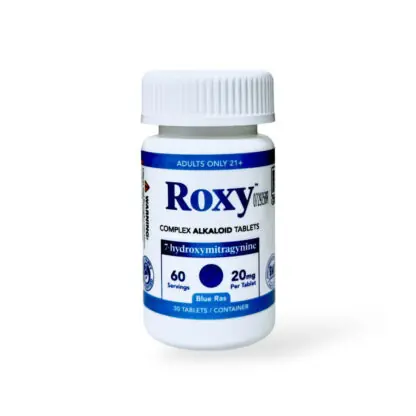
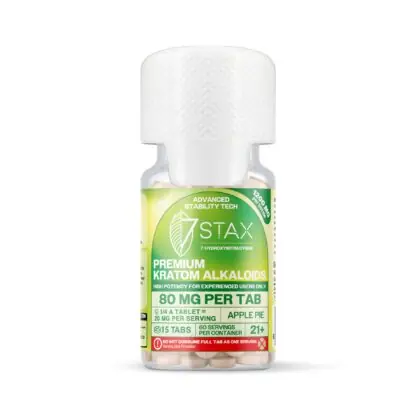
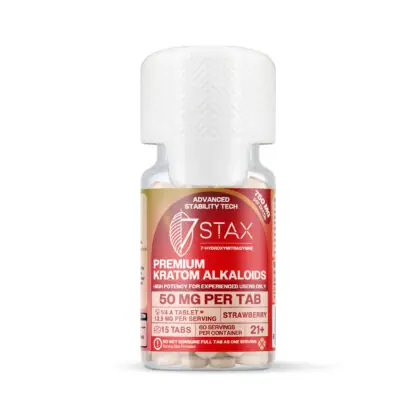
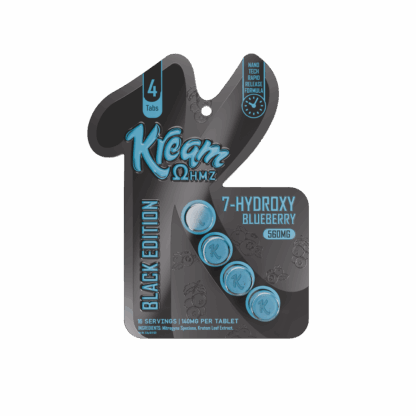
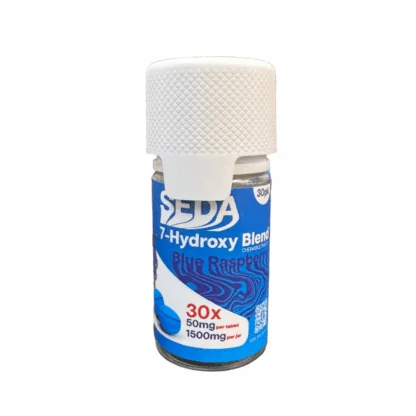
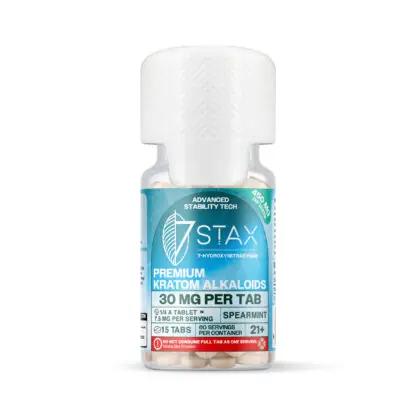
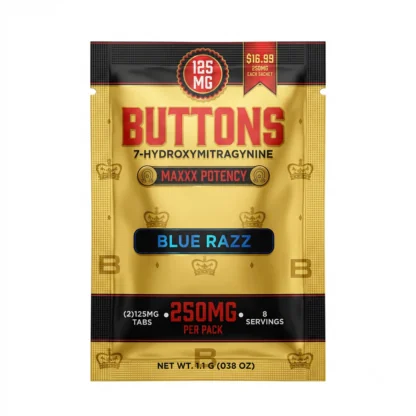
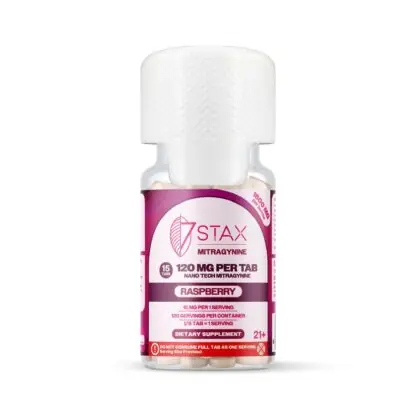
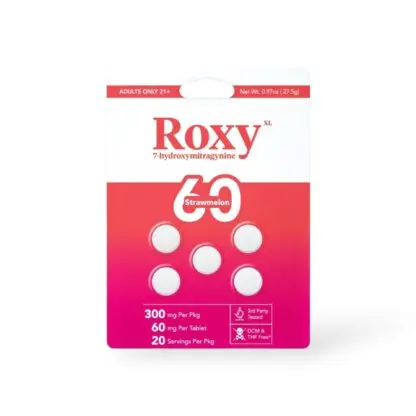
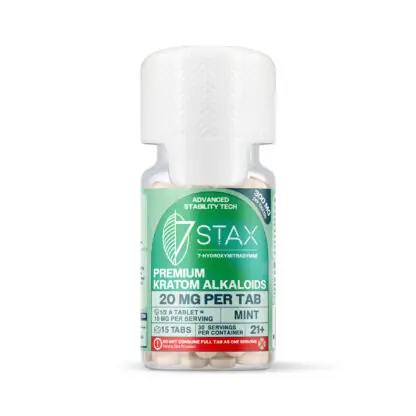
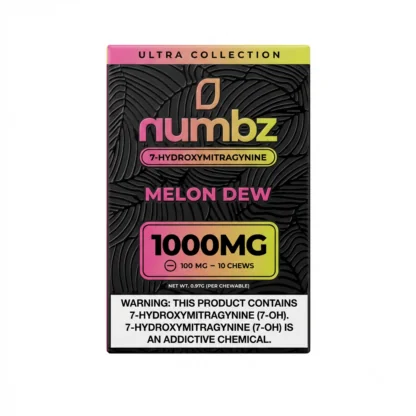
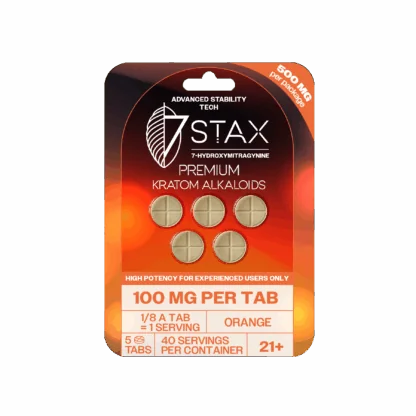
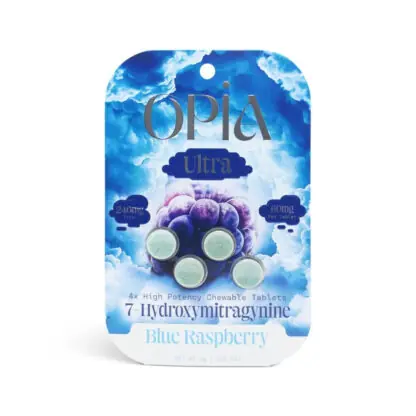
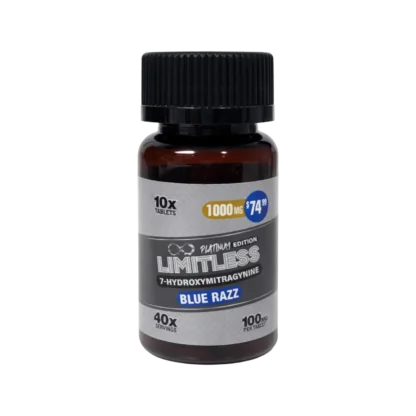
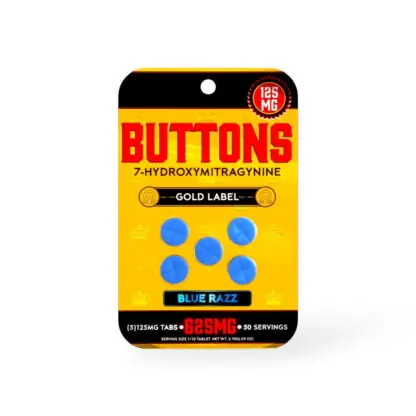
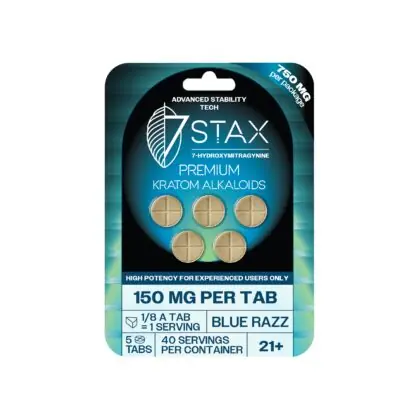
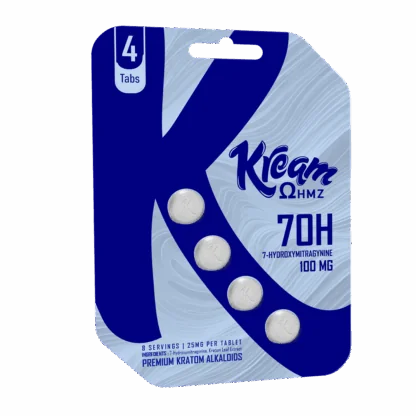
One product in this collection combines kratom alkaloids with kava in a single tablet. Combination products of that kind need more attention than either component alone, for two reasons.
The first is labeling. A single headline figure covering a blend tells you nothing about how much of each component is present. Both should be reported separately on the certificate of analysis, and if they are not, that is a question worth asking before purchase.
The second is the published surveillance data. In April 2026 the CDC reported that poison center reports involving kava rose 383 percent between 2010 and 2025, that kratom had become the most common co-reported substance in multi-substance kava exposures, and that kratom featured in 30 percent of all kava reports by 2025. Serious outcomes rose from 12 percent of reports in 2000 to 39 percent in 2024.
We are stating that because it is published, relevant and specific to this product type, and because a page that sells combination products without mentioning it would be incomplete. We offer no guidance on using these products together.
No US state bans kava. One local restriction is worth knowing about.
In March 2025 the New York State Department of Health issued a regulation treating prepared kava beverages served in licensed food establishments as unapproved food additives, and a federal district court upheld it in August 2025. Its scope is food service and kava bars. Raw root, powder and capsules are not covered.
A common error in circulating content is worth correcting. Alabama, Arkansas, Indiana, Rhode Island, Vermont and Wisconsin appear on plenty of pages as kava bans. Those are kratom restrictions, not kava restrictions, and the two get merged carelessly. Kratom state rules are covered on our kratom collection.
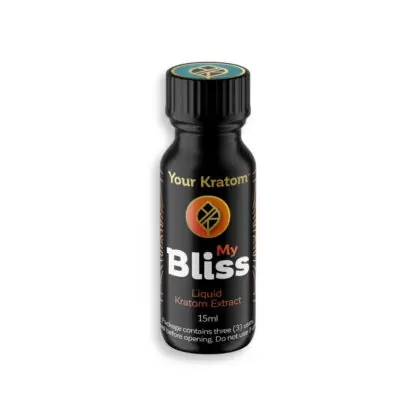
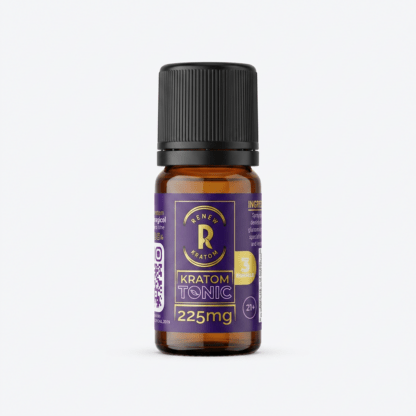
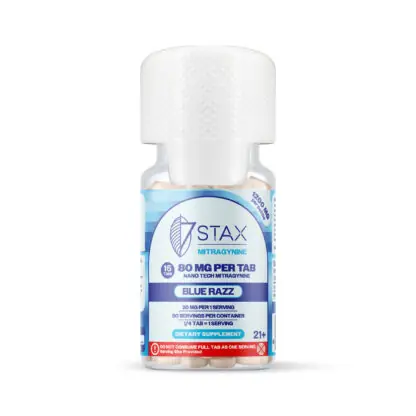
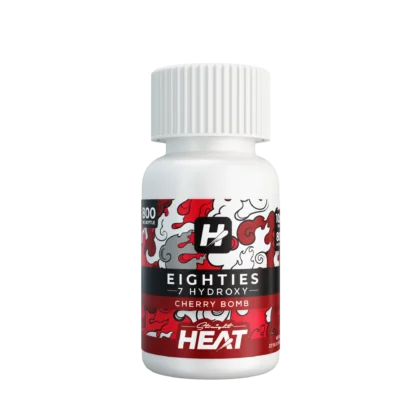
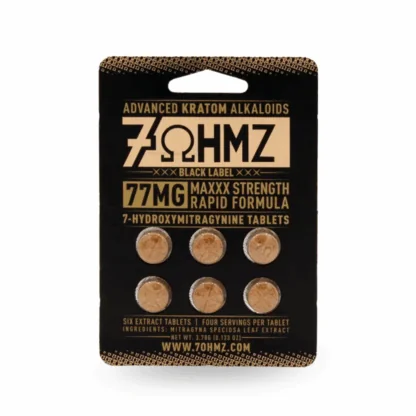
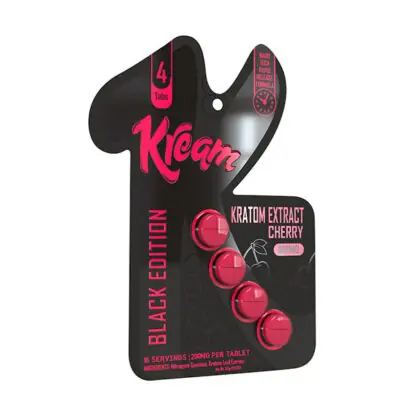
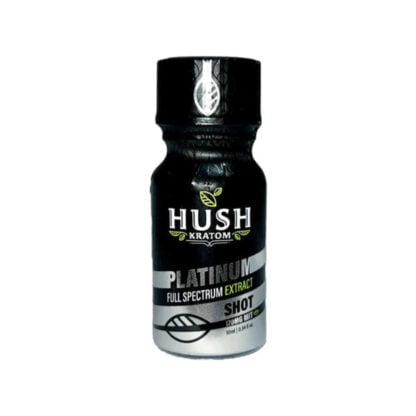
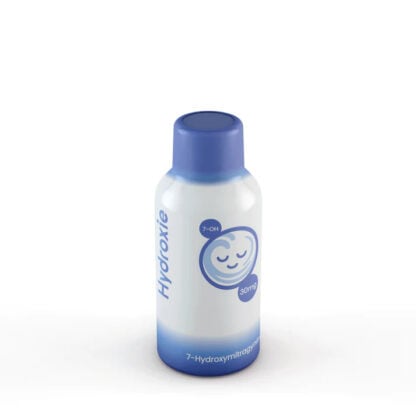
Kratom capsules, tablets and shots: sealed in the original container at room temperature, away from humidity and direct sunlight, with any desiccant kept in place.
Kava preparations: the same conditions. Published analysis found kavalactones stable under dry storage, so humidity control matters more than temperature within a normal indoor range.
Keep the batch number with the product in both cases. Sales are restricted to buyers aged 21 and over. These products have not been evaluated by the FDA, are not intended to diagnose, treat, cure or prevent any disease, and nothing on this page is medical advice.
837 words. Slightly over range because the FDA advisory and the CDC finding both require accurate statement rather than summary. The “Where Kava Is and Is Not Restricted” section can move to a shipping page if you need it inside 800.
The root of Piper methysticum, a plant in the pepper family native to the Pacific Islands, where it has a long ceremonial and social history. Its active compounds are kavalactones. It is botanically unrelated to kratom despite the two frequently being sold alongside each other.
Different plant families, different continents and different chemistry. Kratom is a tree in the coffee family from Southeast Asia with alkaloids including mitragynine. Kava is a pepper-family shrub from the Pacific with kavalactones. They share a retail shelf and nothing else, and each carries its own regulatory position.
The active compounds in kava root. Six of them account for roughly 96 percent of the active fraction: desmethoxyyangonin, dihydrokavain, yangonin, kavain, dihydromethysticin and methysticin. Published analysis puts kava roots at roughly 8 to 13 percent kavalactones by dry weight, with commercial powders commonly lower.
A six-digit code listing the six main kavalactones in descending order of concentration. A chemotype of 463251 means kavain is present in the highest proportion, then methysticin, then yangonin, and so on. Traditional cultivars are distinguished by chemotype rather than by marketing description.
Yes. On March 25, 2002, it issued a consumer advisory titled “Kava-Containing Dietary Supplements May be Associated with Severe Liver Injury,” advising that people with liver disease or taking drugs affecting the liver should consult a physician before use. That advisory has not been withdrawn.
Kava is not a controlled substance and is legal to sell in the United States, and no state bans it. New York regulates prepared kava beverages served in licensed food establishments as unapproved food additives, a restriction upheld in court in August 2025 that covers food service rather than retail sale of root or capsules.
We do not offer guidance on combining them. What we can point to is published surveillance: the CDC reported in April 2026 that poison center reports involving kava rose sharply between 2010 and 2025 and that kratom had become the most common co-reported substance. Speak to a healthcare professional.
Sealed in the original container at room temperature, away from humidity and direct sunlight, keeping any desiccant supplied. Published analysis found kavalactones stable under dry storage, so humidity matters more than temperature within a normal indoor range. Keep the batch number with the product and store out of reach of children and pets.
Discount Applied Successfully!
Your savings have been added to the cart.