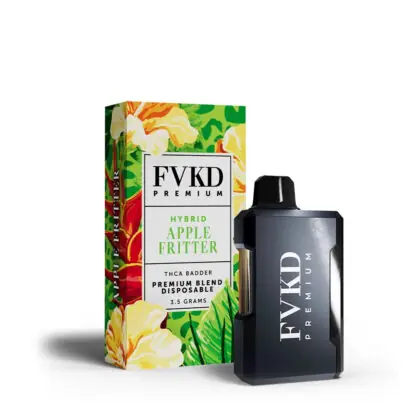
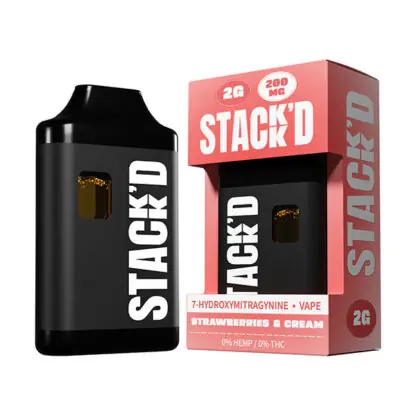
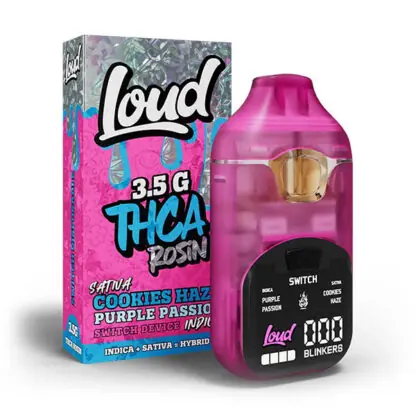
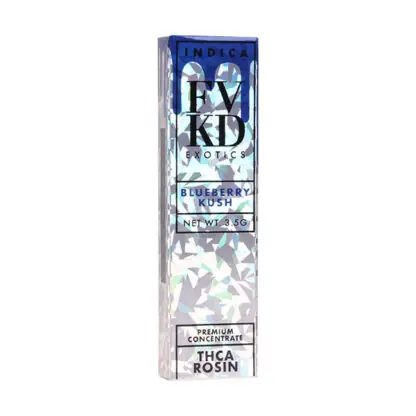
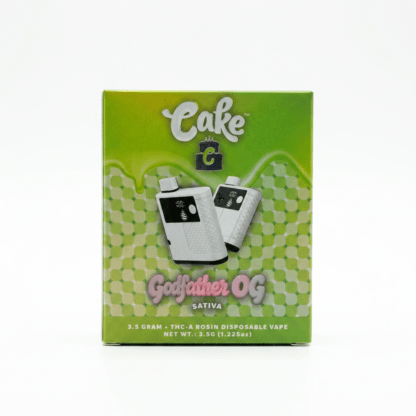
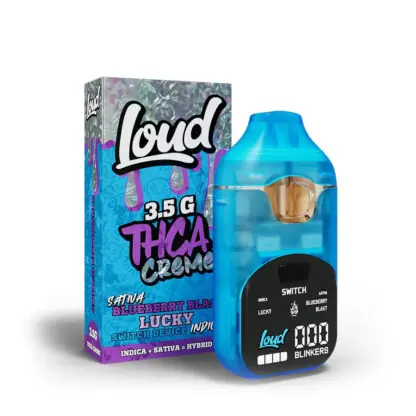
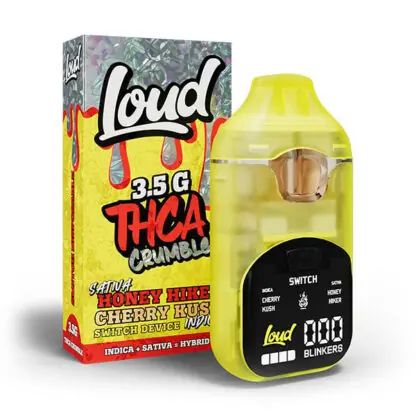
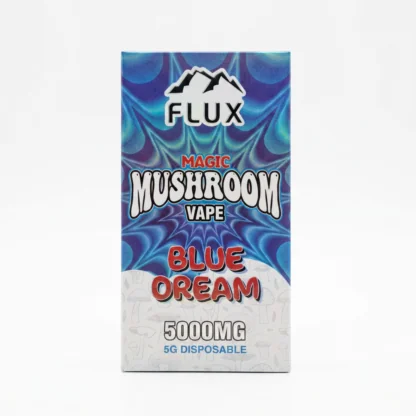
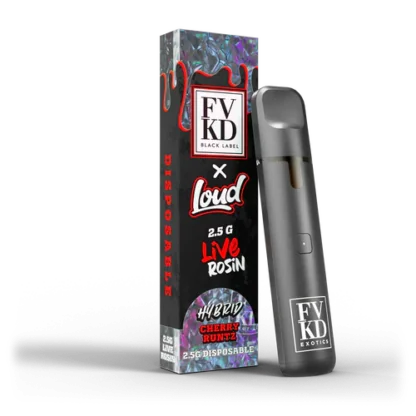
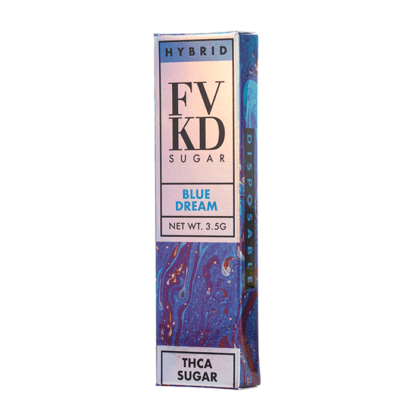
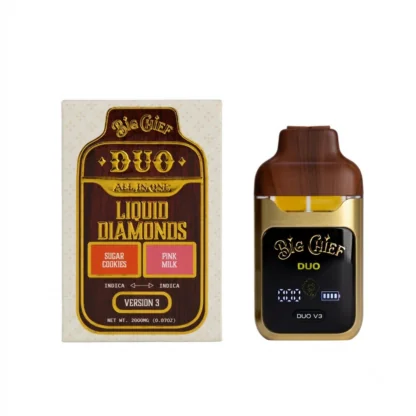
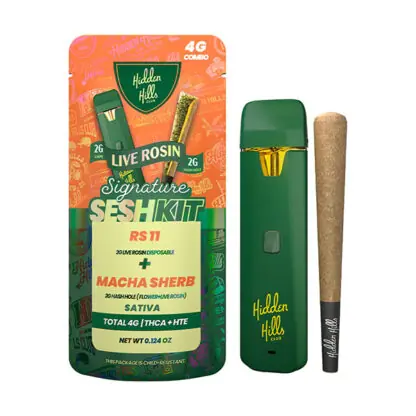
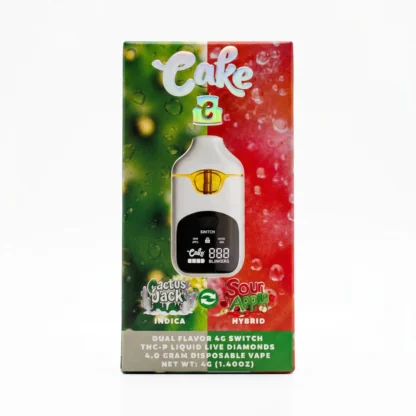
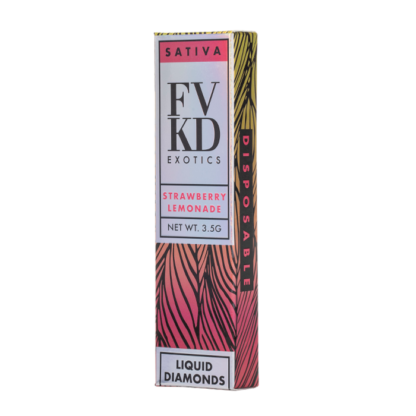
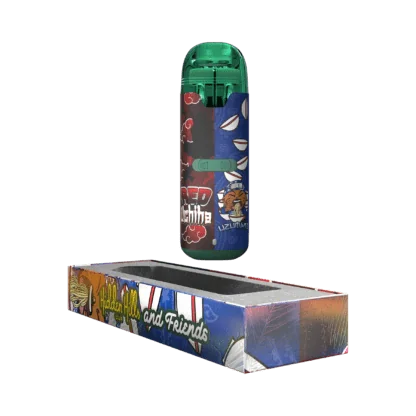
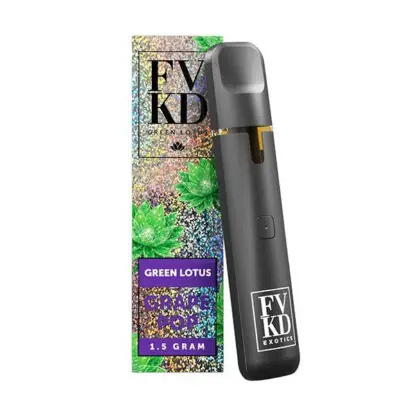
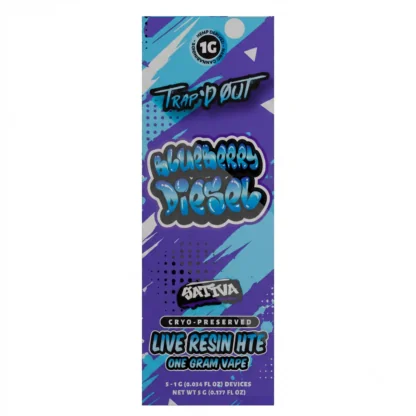
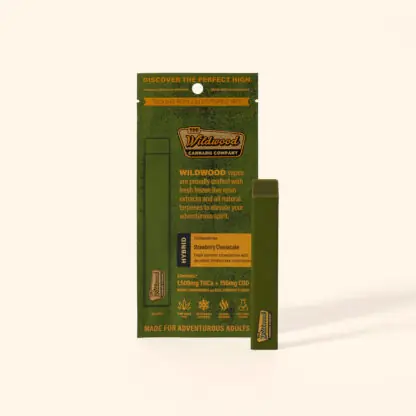
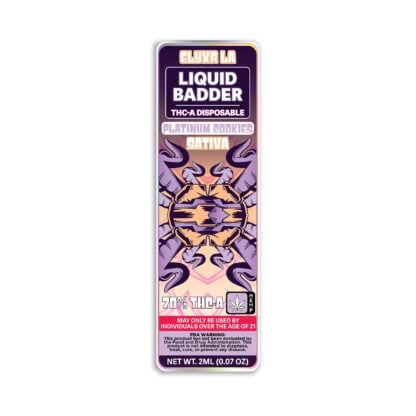
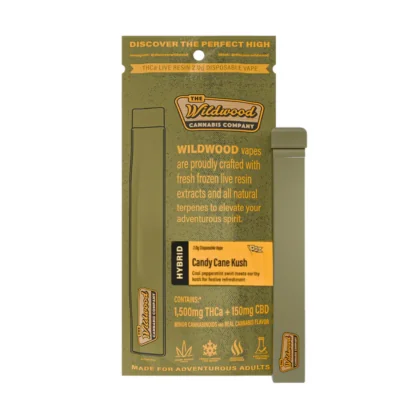
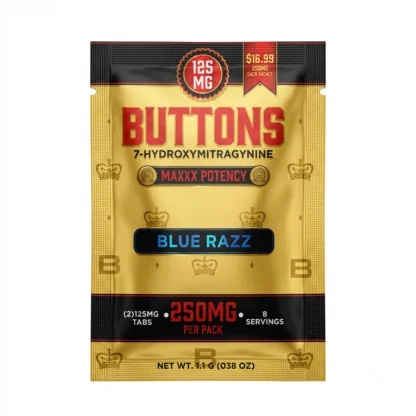
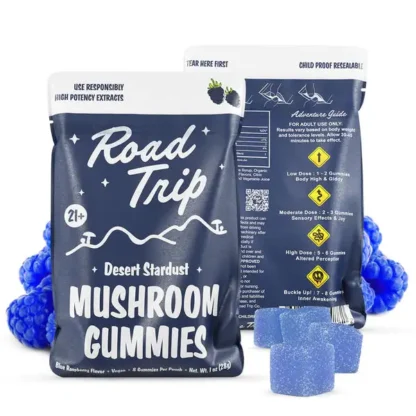
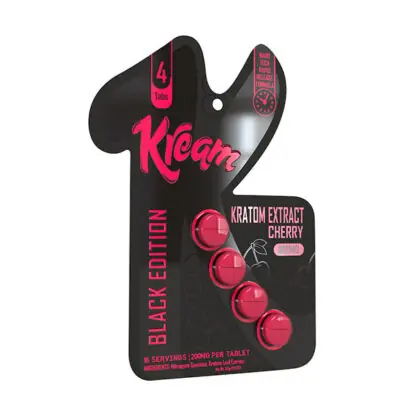
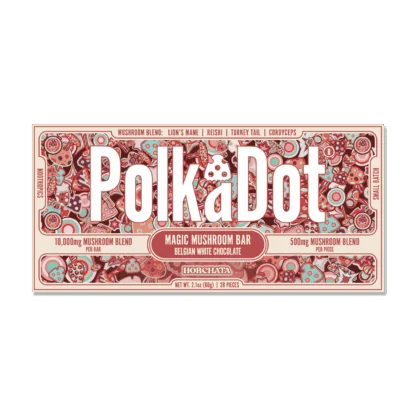
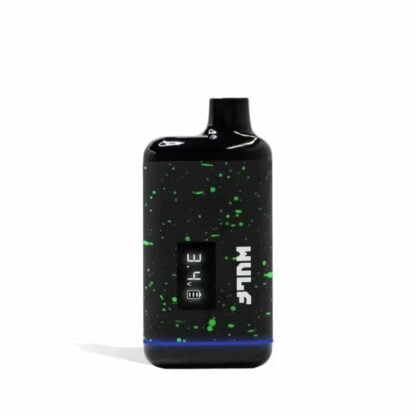
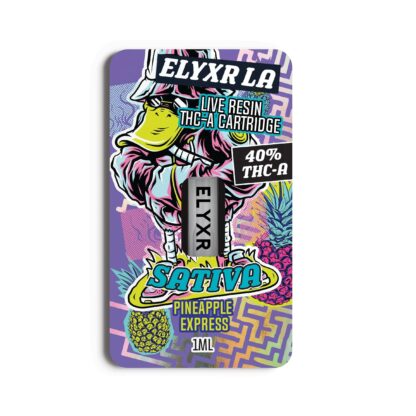
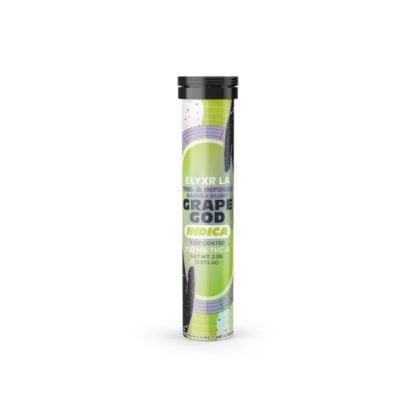
A disposable is a self-contained vaporizer with the battery, coil and hemp extract sealed into one unit, used until the fill runs out. This collection carries devices from 1500mg to 4000mg across THCA live rosin, liquid diamond, THC-P and live resin fills, with a batch certificate of analysis available for each. Two federal deadlines apply to this category in late 2026 depending on the cannabinoid, and the legal section below sets out which applies to what.
Disposable, Cartridge and Why the Difference Matters
A cartridge is a tank of extract with a coil, designed to screw onto a separate battery you keep. A disposable puts the battery, the coil and the extract into one sealed body. You buy the whole thing and discard the whole thing.
The trade-off is straightforward. A cartridge lets you keep a good battery, control voltage on some models, and replace only the part that runs out, which usually works out cheaper per milligram. A disposable removes every compatibility question and arrives working. Nothing to screw in, nothing to charge before first use, no thread standard to check.
Most modern disposables above about 2 grams are rechargeable rather than truly single use, because the fill outlasts the battery. That charging port is not a mistake; on a larger device you will almost certainly need it.
Reading the Milligram Figure
The number on the box is the total for the whole device, not a per-draw amount and not a measure of anything you will experience in one sitting. A 3500mg disposable holds roughly three and a half grams of fill.
Because prices here sit in a narrow band from $19.99 to $44.99, cost per milligram is unusually informative on this page. Divide price by the milligram figure and compare. A 3500mg device at $19.99 and a 1500mg device at $24.99 are not close on that measure, and neither figure by itself tells you.
What the milligram figure does not tell you is what the fill actually is. That comes next, and it matters more.
Live Rosin, Liquid Diamonds and Distillate
Three fill types appear across this collection and the price differences track them.
Distillate is refined down to a single dominant cannabinoid with terpenes removed and usually reintroduced afterward. It is the cheapest to produce and the most consistent. If a device names a strain but nothing about the extract, distillate is the likely base.
Live rosin is solventless, made from fresh-frozen material using heat and pressure. It is the most expensive input in the category, and a device carrying it should say so on the packaging and evidence it with a terpene panel.
Liquid diamonds is a blend: crystalline THCA combined with a terpene-rich sauce or resin, giving a high cannabinoid figure alongside a real terpene profile. The Big Chief and Wildwood products here use that build.
A COA with a terpene panel is the only thing that distinguishes a genuine live rosin fill from a distillate base with added botanical terpenes. Many brands skip that panel, and skipping it is itself informative.
Why Devices Fail, and What You Can Do
Three failure modes cover almost everything.
Clogging is the most common. Thick extract cools and blocks the airway, usually after the device has been left in the cold or stored on its side. Warming it in your hand for a minute and taking a slow draw with the device upright clears most cases.
A burned taste means the coil is running dry or hot, either because the fill is low or because draws are too long and back to back. Shorter draws with a pause between them help. Once genuinely burned, a coil does not recover.
A dead battery with fill remaining is why the charging port exists. Charge it rather than discarding it, and avoid leaving it on charge overnight.
Two Deadlines Apply to This Collection
This is the only category in the range where a single page needs two dates.
Section 781 of the FY2026 appropriations act narrows the federal hemp definition to 0.3 percent total THC on a dry weight basis for plant material, with a 0.4 mg total THC per container cap on finished products. H.R. 6500, signed September 2, 2026, moved the effective date for non-synthetic hemp cannabinoids to December 11, 2026.
The delay does not cover everything. Cannabinoids a cannabis plant cannot naturally produce, meaning acetate esters and comparable semi-synthetics, keep the original November 12, 2026 date. THCA and THC-P occur naturally in the plant and sit on the December date. If a device names an acetate, the earlier date applies to it.
Commentary is not fully settled on where the boundary falls for borderline compounds. Read the specific cannabinoid on each product page and confirm current law before ordering.
Storage and Disposal
Store upright, cool and dark. Upright keeps the extract away from the mouthpiece as viscosity changes with temperature, which is the main cause of leaking. Heat thins the oil and degrades terpenes; cold thickens it and causes clogging. A drawer indoors is right, a car is not.
Disposables contain a lithium battery and should not go in household waste. Most localities have battery or electronics recycling points that will take them. Sales are restricted to buyers aged 21 and over. These products have not been evaluated by the FDA and are not intended to diagnose, treat, cure or prevent any disease.
FAQ's
What is the difference between a disposable and a cartridge?
A cartridge is a tank of extract that screws onto a battery you keep and reuse. A disposable seals the battery, coil and extract into one body that you discard when the fill is gone. Cartridges usually work out cheaper per milligram; disposables remove every compatibility question.
Do disposables need charging?
Most above about 2 grams do, because the fill outlasts the battery. That is why larger devices carry a charging port. Smaller ones are often genuinely single use. Check the product page, and if there is a port, expect to use it before the fill runs out.
What does the milligram number mean on a disposable?
The total fill for the whole device, not a per-draw amount. A 3500mg disposable holds roughly three and a half grams of extract. Because prices in this collection sit in a narrow band, dividing price by that figure gives a genuinely useful cost per milligram comparison.
What is the difference between live rosin and liquid diamonds?
Live rosin is solventless, pressed from fresh-frozen material with heat and pressure. Liquid diamonds is crystalline THCA blended with a terpene-rich sauce, giving a high cannabinoid figure alongside a real terpene profile. Both cost more than a distillate base, and a terpene panel on the COA is how you verify either.
Why is my disposable clogged?
Thick extract has cooled and blocked the airway, usually after storage in the cold or on its side. Warm the device in your hand for a minute, hold it upright and take a slow draw. Storing it upright at room temperature prevents most recurrences.
Why does my disposable taste burned?
The coil is running dry or too hot, either because the fill is low or because draws are long and back to back. Shorter draws with a pause between them reduce it. Once a coil is genuinely burned it does not recover, so the fix is preventive rather than curative.
Are disposables affected by the 2026 hemp rules?
Yes, and the date depends on the cannabinoid. THCA and THC-P are naturally produced by the plant and sit on December 11, 2026, after H.R. 6500 moved that date. Acetate esters and comparable semi-synthetics keep November 12, 2026. Read the specific cannabinoid on the product page.
How do I dispose of one?
Not in household waste. They contain a lithium battery, and most localities have battery or electronics recycling points that accept them. Run the device down first where you can. Some retailers and vape shops also operate takeback bins.