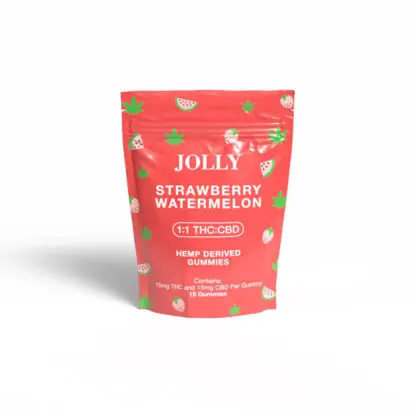
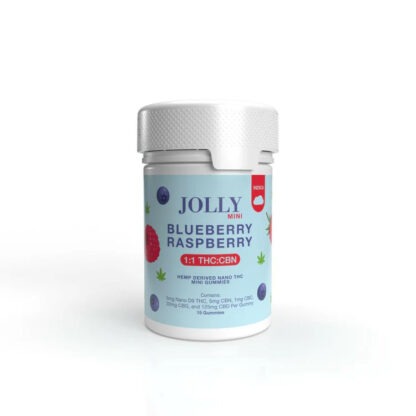
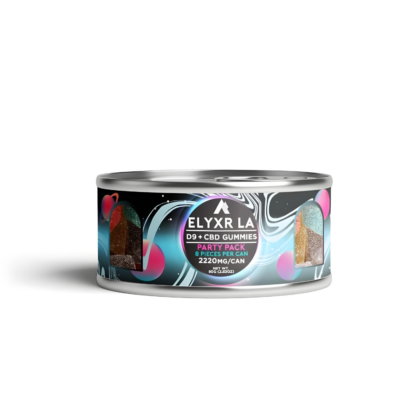
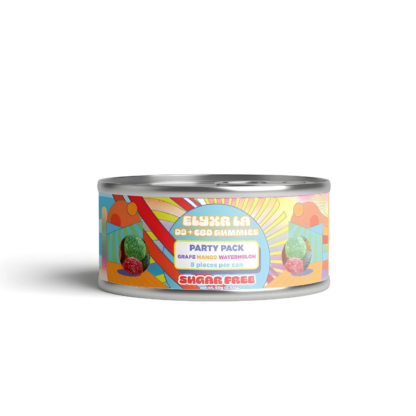
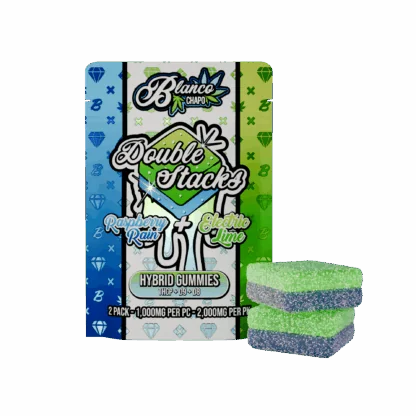
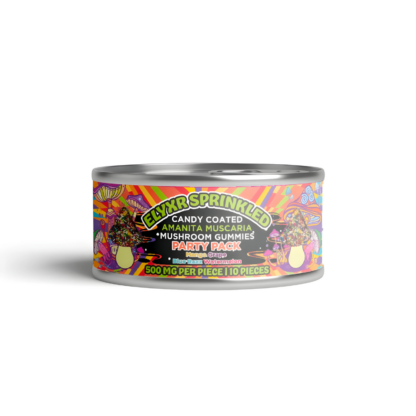
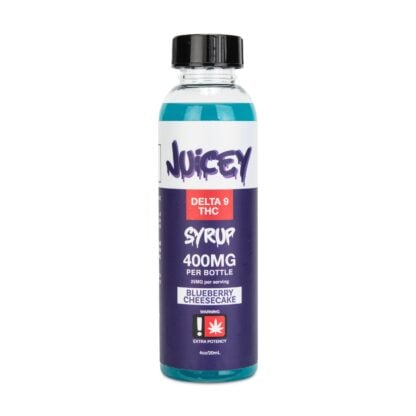
Hemp-derived Delta-9 gummies contain the same Delta-9 THC molecule found in cannabis, sourced instead from hemp and produced under the federal hemp framework. This collection carries ratio formulas that pair Delta-9 with CBD at fixed proportions, mushroom and Delta-9 combinations, and a sugar-free option, in counts from two pieces to fifteen. Every batch is third-party lab tested with a certificate of analysis available. Federal hemp rules change on November 12, 2026, in a way that directly affects this category, and the legal section below sets out exactly what changes.
Hemp-Derived Delta-9 and Cannabis Delta-9 Are the Same Molecule
This trips up more buyers than any other point in the category, so it is worth stating flatly. Delta-9 tetrahydrocannabinol from hemp is chemically identical to Delta-9 tetrahydrocannabinol from cannabis. There is no structural difference and no laboratory test that can tell you which plant a given molecule came from.
What differs is the regulatory route. Hemp and cannabis are legally distinct because of how the source plant is measured, not because of what the finished cannabinoid is. A hemp plant qualifies as hemp based on its THC concentration by dry weight. Everything downstream of that classification inherits it. That is the entire basis of the hemp-derived Delta-9 market.
Why Dry Weight Measurement Created This Category
The 2018 framework set the hemp threshold at 0.3 percent Delta-9 THC by dry weight of the plant. Applied to a dried flower, that is a small number. Applied to a gummy, which is mostly sugar, pectin, water and flavoring, the same percentage permits a meaningful milligram figure, because the denominator is much larger.
That arithmetic is why hemp-derived Delta-9 edibles exist at all and why they are almost always gummies or beverages rather than concentrates. It also explains why the November 2026 change is aimed squarely at this category. Moving from a percentage-of-weight test to a fixed milligram-per-container cap removes the arithmetic that made the category possible.
What Ratio Labeling Means
Several products here carry a ratio in the name, such as 1:1 or 1:25. The ratio describes the proportion of CBD to Delta-9 THC in the formula, with CBD stated first. A 1:1 product contains equal parts of each. A 1:25 product contains twenty-five parts CBD to one part Delta-9.
Ratios are a formulation and labeling convention, not a claim about what a product does. What they are genuinely useful for is comparison. Two products with the same Delta-9 figure but different ratios contain very different amounts of CBD, and that changes both the price per milligram and what you are actually buying. Read the ratio alongside the milligram figure rather than instead of it.
The 0.4 mg Per Container Cap Takes Effect November 12, 2026
Section 781 of the FY2026 appropriations act, signed in November 2025, narrows the federal hemp definition from November 12, 2026. Plant material moves to a 0.3 percent total THC measurement inclusive of THCA and Delta-8. Finished products face a cap of 0.4 mg total THC per container.
The per-container wording is what matters here. The cap is not a per-serving figure and not a per-gummy figure. It applies to the whole container, so a fifteen-count bag counts as one container and the total across all fifteen pieces is what is measured. Industry analysis puts the share of existing hemp cannabinoid products affected at roughly 95 percent. A Senate vote in August 2026 proposed moving the date to December 11, but that has not been enacted. Confirm current federal and state law before ordering.
Delta-9 Compared With Delta-8
The two are structural isomers and differ by the position of a single double bond. Beyond chemistry, the practical differences for a buyer are about sourcing and measurement. Delta-9 in these products is extracted from hemp directly. Most commercial Delta-8 is produced by converting hemp-derived CBD through an acid-catalyzed reaction, which introduces a purification burden that Delta-9 products do not carry.
From November 12, 2026, both are measured together under the total THC standard, which removes the regulatory gap that had separated them. If you have been choosing between the two on legal grounds, that basis is going away.
Testing and Batch Documentation
Every product in this collection is third-party tested at batch level, with certificates of analysis available through our lab reports page. A useful COA reports cannabinoid content by compound, so you can see the Delta-9 figure and the CBD figure separately rather than a single total, and it includes contaminant panels for heavy metals, pesticides, residual solvents and microbials. Match the batch number on the report to the batch number on your packaging. Sales are limited to buyers aged 21 and over. These products have not been evaluated by the FDA and are not intended to diagnose, treat, cure or prevent any disease.
FAQ's
How are hemp-derived Delta-9 gummies legal?
Under the framework in force until November 12, 2026, a product qualifies as hemp if the source plant contains no more than 0.3 percent Delta-9 THC by dry weight. Because a gummy is mostly non-cannabinoid ingredients, that percentage permits a measurable milligram amount. From November 2026 a 0.4 mg total THC per container cap replaces that arithmetic.
Is hemp Delta-9 the same as dispensary Delta-9?
The molecule is identical and no test can distinguish its origin. What differs is the legal route. Hemp-derived products are governed by the federal hemp definition and shipped by mail; dispensary products are governed by state cannabis programs and sold in licensed stores. Potency, labeling conventions and testing requirements often differ as a result.
What does 1:1 or 1:25 mean on a gummy?
It is the ratio of CBD to Delta-9 THC in the formula, CBD stated first. A 1:1 gummy contains equal parts of each; 1:25 contains twenty-five parts CBD to one part Delta-9. The ratio is a labeling convention rather than a claim. Read it alongside the milligram figure, because two products with the same THC content can differ enormously in CBD.
What changes for Delta-9 gummies in November 2026?
From November 12, 2026, finished hemp products are capped at 0.4 mg total THC per container. That is measured across the whole container rather than per serving, so a multi-count bag is counted as a single unit. Plant material also moves to a total THC measurement inclusive of THCA and Delta-8. A proposed delay to December 11 has not been enacted.
Will Delta-9 gummies show up on a drug test?
Standard workplace screening looks for THC metabolites and does not distinguish hemp-derived Delta-9 from any other source. A product containing Delta-9 can therefore produce a positive result. If you are subject to testing, that is worth knowing before you order. We cannot advise on individual testing situations and this is not medical or legal guidance.
Can I fly with Delta-9 gummies?
Rules differ by jurisdiction and by carrier, and federal transport agencies apply their own policies to hemp products independently of the state you depart from or arrive in. Crossing into a state that restricts hemp cannabinoids can also change your position mid-journey. Check current rules for both endpoints and the carrier before traveling.
How long do Delta-9 gummies keep?
Most manufacturers state roughly twelve months unopened and around six months after opening, though the date printed on the pack is the one that counts. Cannabinoids degrade with light, heat and oxygen exposure. Store sealed in the original packaging somewhere cool and dark. Refrigeration extends shelf life; freezing is not recommended.
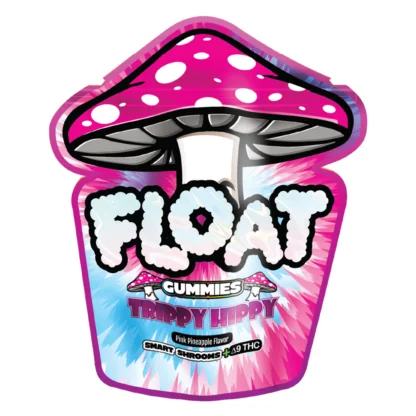
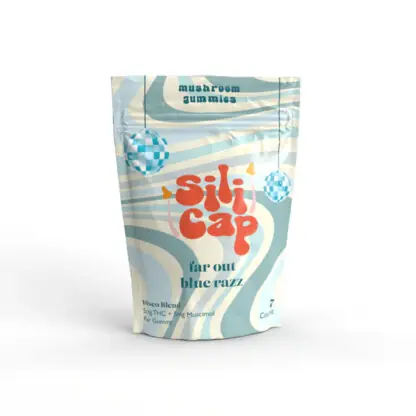
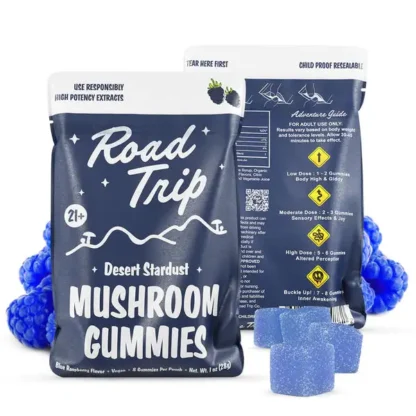
What is in a mushroom and Delta-9 combination gummy?
Products such as the Silicap Disco Blend and Float Smart Shroom combine hemp-derived Delta-9 with mushroom extract. Read both components on the label separately, since they are measured and regulated differently and each should appear on the certificate of analysis. If the mushroom component is Amanita muscaria, the compliance section on our mushroom collections applies to that part of the product.