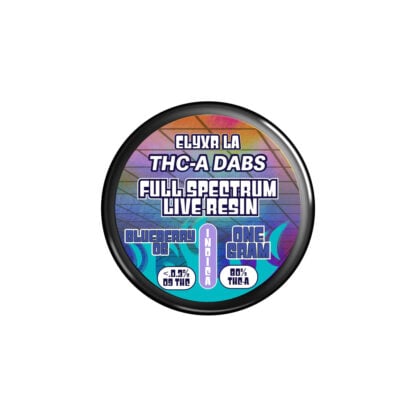
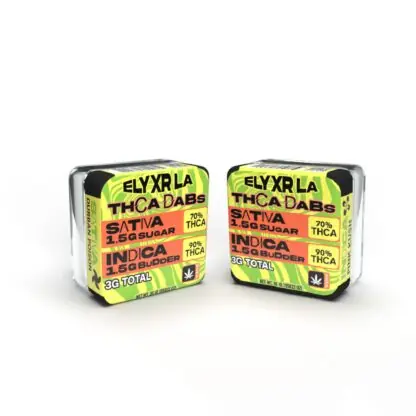
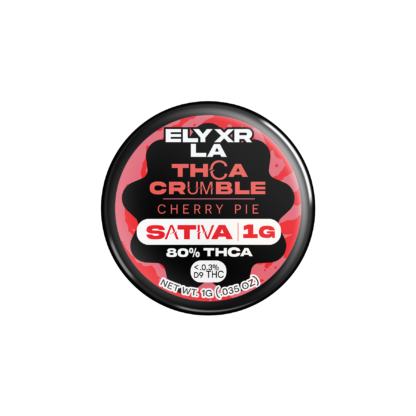
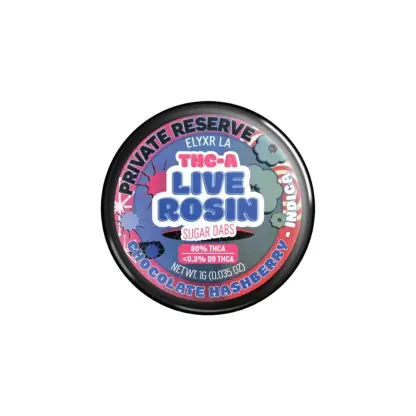
Concentrate names mix process and consistency, which is why the list reads arbitrarily until you separate them.
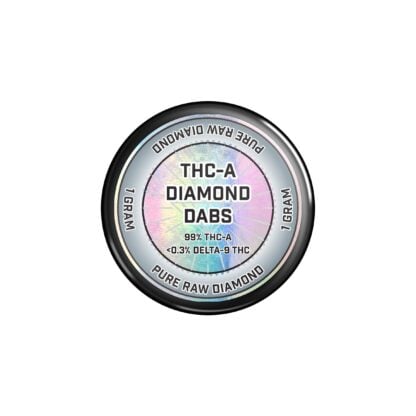
Diamonds are crystallized THCA. Held under controlled temperature and pressure, the cannabinoid drops out of solution and forms a lattice that excludes differently shaped molecules, which is why purity figures above 95 percent are common. They are hard, they handle well with a tool, and they carry the least aroma on their own.
Sauce is the liquid diamonds crystallized out of. It is where the terpene fraction ended up, so it is the aromatic half of the same batch. Most products sell the two together in one jar for that reason.
Badder and budder are textures produced by whipping an extract during the purge, which introduces air and gives the opaque consistency people compare to cake frosting. Easy to handle, easy to portion, and the texture is permanently lost if the jar gets warm.
Rosin is solventless. Resin glands are collected in ice water, screened, dried and pressed with heat and pressure. “Live” rosin starts from plant material frozen immediately after harvest rather than dried and cured, which preserves volatile terpenes that drying drives off.
Shatter and crumble are the brittle and granular ends of the same spectrum, determined by how an extract was purged and how much it was agitated.
Nothing in that list is a quality ranking. Diamonds carry the highest cannabinoid figures, rosin carries the strongest provenance claim, and badder is the easiest to work with. People who own all three use them for different things.