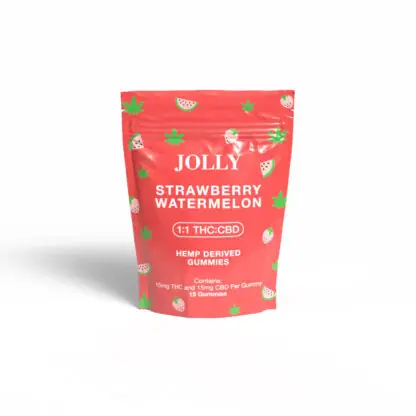
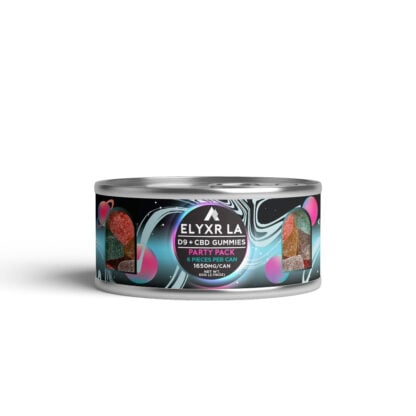
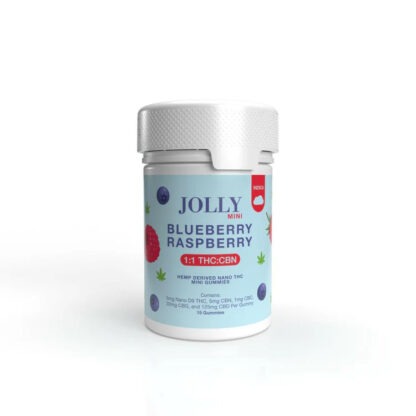
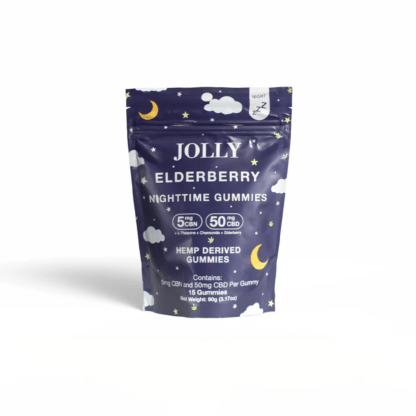
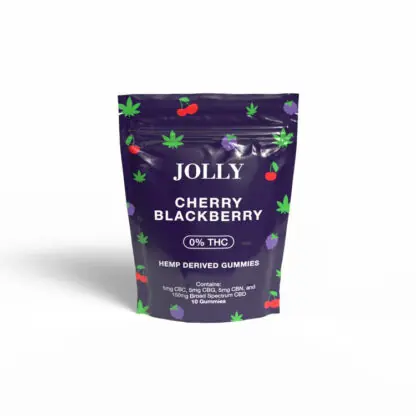
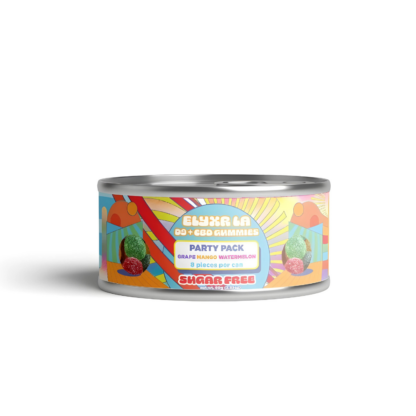
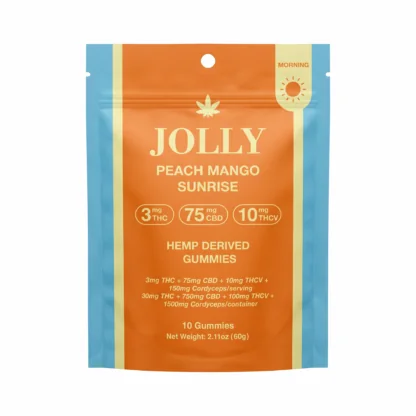
Most gummies sold as CBD gummies are not CBD-only, and this collection is a fair example. Several listings here pair CBD with Delta-9 THC in the same piece, which means the label carries two figures and the certificate of analysis has to be read for both. Everything is third-party tested with a batch certificate. CBD also sits under a statutory problem of its own, separate from the THC rules, and the section below explains what it is and why it has nothing to do with potency.
Read the catalog before the category name. Of the eight listings on this page, the majority pair CBD with Delta-9 THC in a single gummy, and the product names say so if you look: the figures come in pairs.
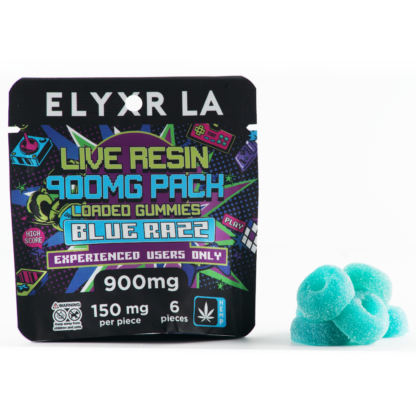
That matters for a practical reason. A gummy stating 1650 mg is almost never 1650 mg of one thing. It may be a combined cannabinoid total across the whole package, a combined total per piece, or a figure for the CBD alone with the THC stated separately in smaller print. Three different products can print the same number on the front.
So the first job on this page is working out which cannabinoids are present and at what ratio, and the only reliable place to do that is the certificate of analysis rather than the front of the bag.
One catalog note. The Delta 9 and CBD Gummies listing marked for Utah hemp registration currently appears twice at two different prices. That is a duplicate listing rather than two product variants, and we have flagged it for correction.
Isolate, Broad Spectrum and Full Spectrum Inside an Edible
Three terms describe what else came along with the CBD, and in a gummy they have consequences beyond the label.
Isolate is purified CBD, typically 99 percent or higher, with everything else removed. No other cannabinoids, no terpenes. It is the only one of the three that can be stated as a clean single figure, and it is flavor-neutral, which is why it appears in products where the fruit flavor is meant to come through.
Broad spectrum retains other cannabinoids and plant compounds but has had THC removed, usually by chromatography. The removal is rarely absolute, so broad spectrum products often report THC at or near the limit of detection rather than at zero.
Full spectrum retains the plant’s cannabinoid profile as extracted, including the THC that came with it. In a gummy that means a measurable THC figure even where THC is not the selling point, and it is the reason a product marketed as non-intoxicating can still carry one.
The distinction most people miss: a full spectrum gummy and a deliberate CBD-plus-THC gummy both contain both cannabinoids. The difference is whether the THC was left in or added to a target, and only the certificate tells you which.
CBD Carries a Statutory Problem That Has Nothing to Do With Potency
This is the part of the CBD category that surprises people, and it sits alongside rather than inside the THC rules.
CBD is the active ingredient in an approved prescription drug. Under section 201(ff)(3)(B) of the Federal Food, Drug, and Cosmetic Act, an article approved as a drug is excluded from the dietary supplement definition. Under section 301(ll), adding an approved drug ingredient to food is prohibited.
Read together, those two provisions mean the FDA’s position is that CBD cannot lawfully be marketed as a dietary supplement or added to food, and a gummy is food. That position does not depend on how much CBD is in the product, where the hemp was grown, or whether the THC is under any threshold. It is a question about the ingredient’s regulatory identity.
Enforcement has concentrated on products making disease or health claims rather than on the category as a whole, which is why the market exists at the scale it does. That is a description of enforcement priority, not a statement that the legal question is settled. If you are selling in this category, this provision deserves counsel’s attention independently of anything on the THC side.
Why the Coming Per-Container Cap Reaches Non-Intoxicating Products Too
The federal hemp definition is narrowing in late 2026, and the part that bites hardest here is not the plant material standard but the finished product cap, which is counted per container rather than per serving.
A per-container count changes the arithmetic completely for an edible. A bag of thirty gummies is one container. Multiply any per-piece THC figure by thirty and the total is what gets measured.
That reaches full spectrum CBD products that no one would describe as intoxicating, because full spectrum means a measurable THC figure by definition. Published analysis of the amended definition estimates that the large majority of non-intoxicating full spectrum products on the market would fall outside it. Whether a given product does depends on its own certificate, so the arithmetic is worth running on anything you plan to keep buying.
The amended definition also has two effective dates, and which applies turns on a statutory test about whether a cannabinoid is capable of being naturally produced by a Cannabis sativa L. plant and whether it was produced inside the plant or synthesized outside it. We are not publishing a compound-by-compound date table, because the federal lists the test depends on have not been published. Confirm current law and note the date on any guidance you read, including this page.
Reading a Two-Cannabinoid Label and Its Certificate
Five checks, in order.
Count the pieces in the package, then divide any headline figure by the count. A package total and a per-piece figure look identical on the front.
Identify every cannabinoid named, not just the first. CBD plus Delta-9 is the common pairing here, and some listings add CBN or CBG.
Match the batch number on the certificate to the batch on the package, since a report for another lot proves nothing.
Read the cannabinoid table as separate line items rather than accepting a total. You need CBD and Delta-9 reported individually to run the container arithmetic.
Then check the contaminant panels. Heavy metals, pesticides, residual solvents and microbials matter in an edible, and so does the absence of a mycotoxin panel on any product carrying fruit or botanical ingredients.
What We Are Changing on This Page, and Storage
The current meta description on this collection states that these edibles support a specific outcome. That is a structure-function claim on an unapproved product, it is the exact framing that attracts enforcement in this category, and it is coming off. The replacement describes what the products contain and what the certificate reports, which is both safer and more useful.
Store gummies sealed in the original container, cool and dark, away from heat. Gelatin and pectin both soften and fuse above room temperature, and a bag left in a car becomes one piece with no way to tell what any part of it contains. Keep the batch number with the package.
Sales are restricted to buyers aged 21 and over. Several states restrict hemp-derived THC products independently of federal law, and some restrict CBD edibles specifically. Shipping restrictions are applied at checkout. Keep everything out of reach of children and pets, which matters more with a product shaped and flavored like candy. These products have not been evaluated by the FDA and are not intended to diagnose, treat, cure or prevent any disease.
FAQ's
Are these CBD-only gummies?
Mostly no. The majority of listings in this collection pair CBD with Delta-9 THC in the same piece, which is why the labels carry two figures. A few are closer to CBD-dominant. The certificate of analysis is the only reliable place to see which cannabinoids are present and in what ratio.
What is the difference between isolate, broad spectrum and full spectrum?
Isolate is purified CBD with everything else removed, typically 99 percent or higher. Broad spectrum keeps other plant compounds but has had THC removed, usually not quite to zero. Full spectrum keeps the cannabinoid profile as extracted, including THC, so it carries a measurable THC figure by definition.
Can a full spectrum CBD gummy contain THC?
Yes, and that is what full spectrum means. The THC was present in the extract and was not removed. It is usually a small figure per piece, but it is measurable, and it counts toward the per-container total under the amended federal hemp definition. Check the certificate rather than assuming zero.
Is CBD legal to sell in food?
The FDA’s position is that it is not. Because CBD is the active ingredient in an approved prescription drug, section 201(ff)(3)(B) of the FD&C Act excludes it from the dietary supplement definition and section 301(ll) prohibits adding it to food. Enforcement has focused on health claims rather than the whole category. Not legal advice.
What does the per-container cap mean for a bag of gummies?
The coming cap counts THC across the whole container rather than per serving. A thirty-piece bag is one container, so you multiply the per-piece figure by thirty. That arithmetic is what makes the cap reach full spectrum products that nobody would call intoxicating.
How do I read a label stating one large milligram figure?
Divide it by the piece count first, then check which cannabinoids it covers. A figure may be a package total, a per-piece total, or CBD alone with THC listed separately. Three different products print the same number on the front, so the certificate of analysis settles it.
Why is the same product listed twice at different prices?
It is a duplicate listing rather than two variants, affecting the Delta 9 and CBD gummy marked for Utah hemp registration. We have flagged it for correction. Until it is resolved, the two entries are the same product and the lower price is the one to use.
How should I store CBD gummies?
Sealed in the original container, cool, dark and away from heat. Both gelatin and pectin soften above room temperature, and a package left somewhere warm can fuse into a single mass, at which point you cannot tell what any portion contains. Keep the batch number with the package and store out of reach of children and pets.