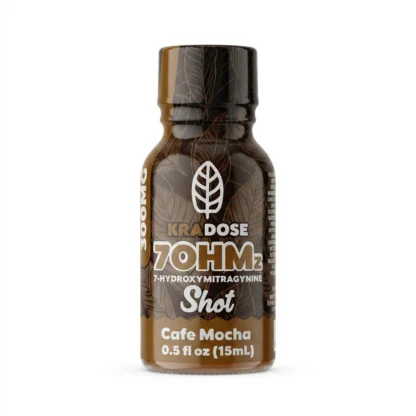
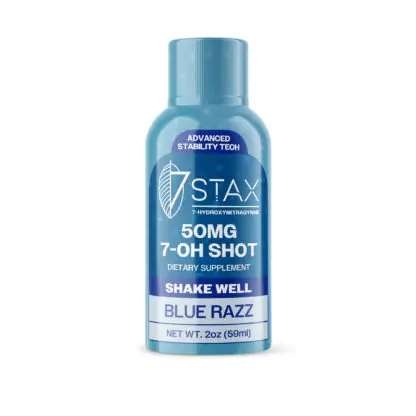
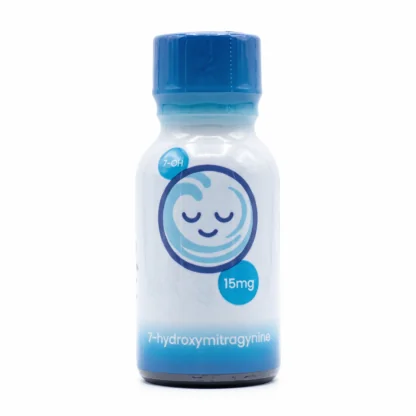
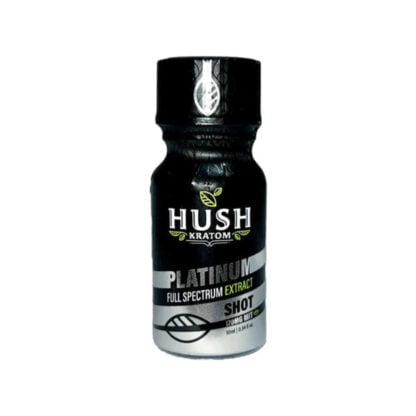
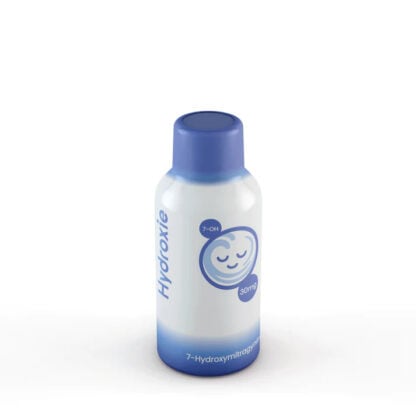
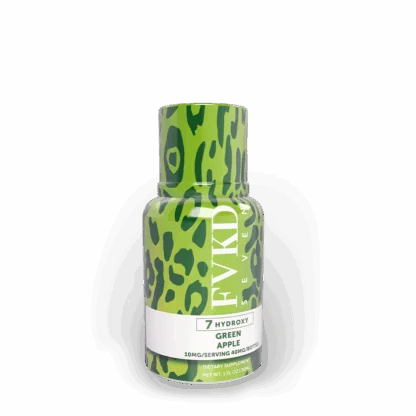
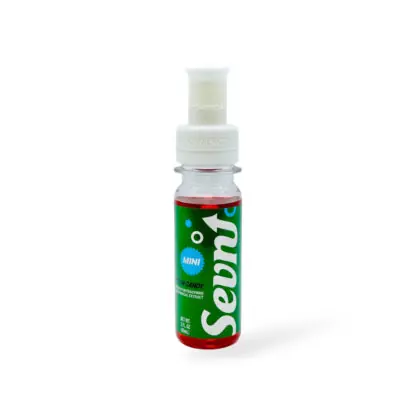
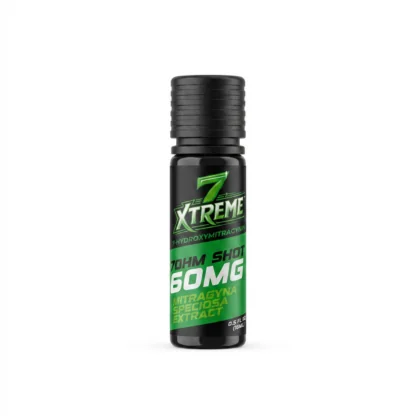
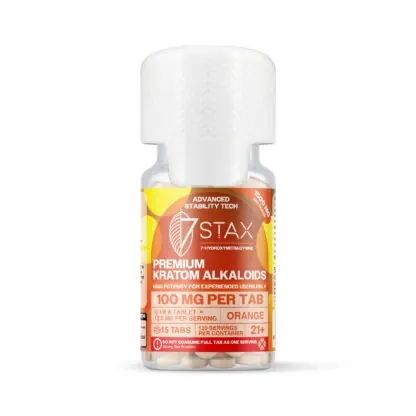
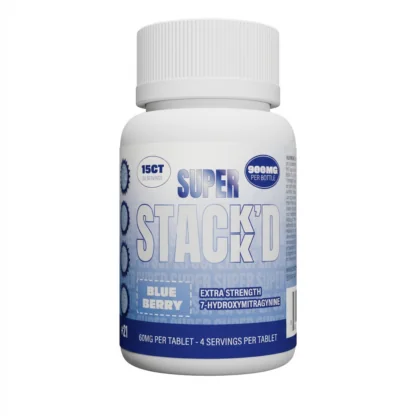
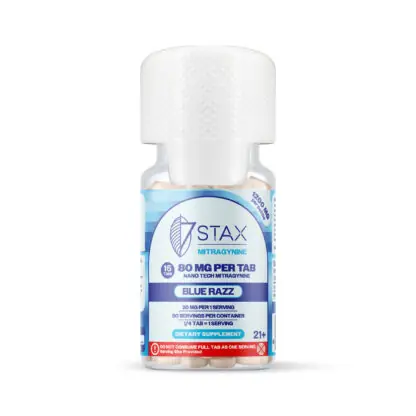
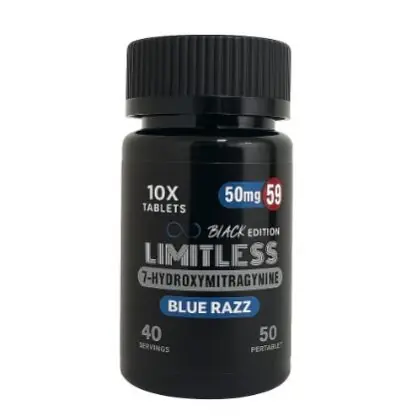
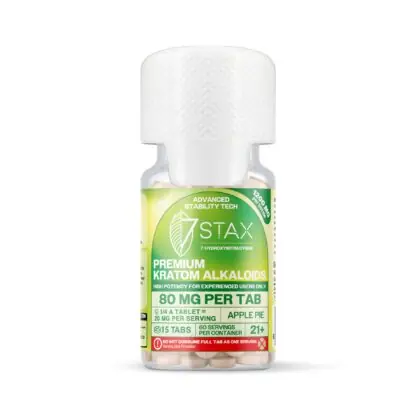
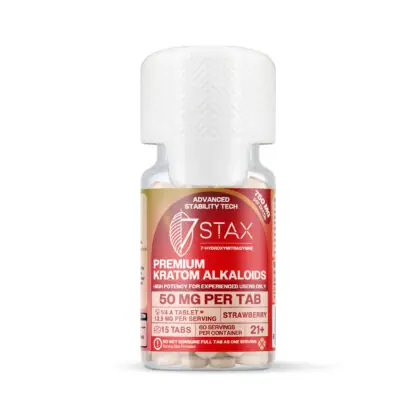
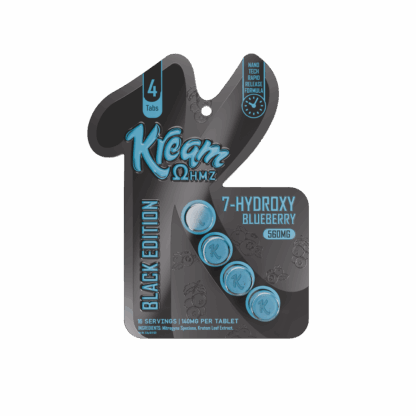
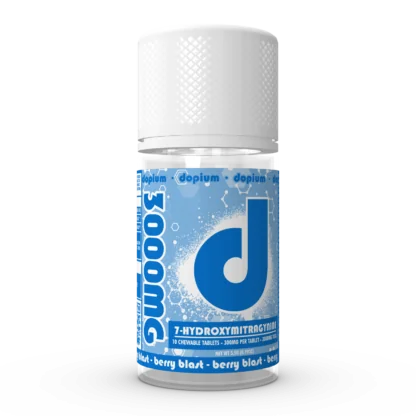
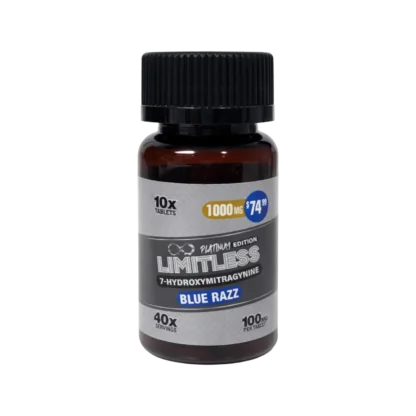
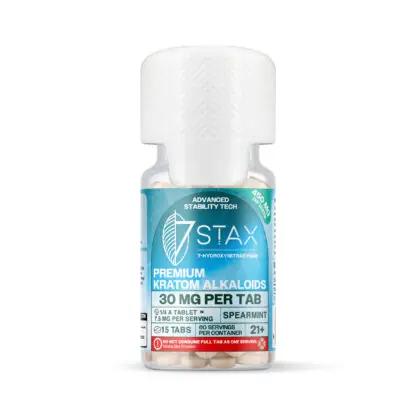
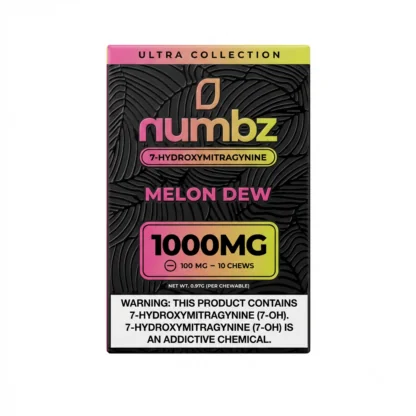
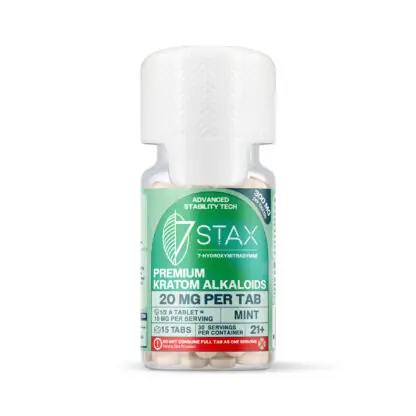
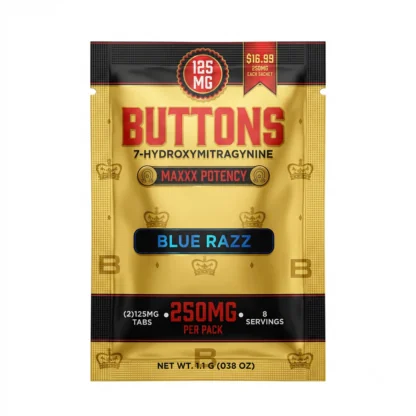
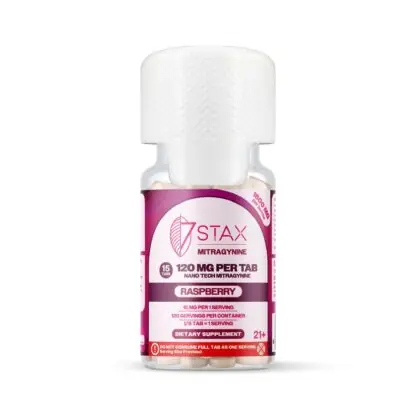
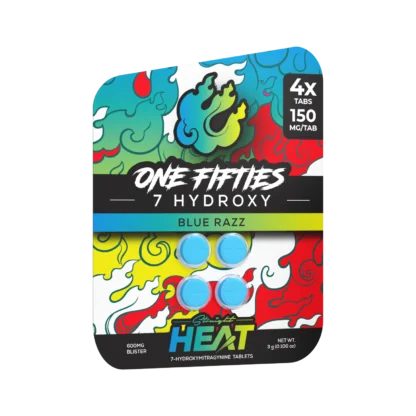
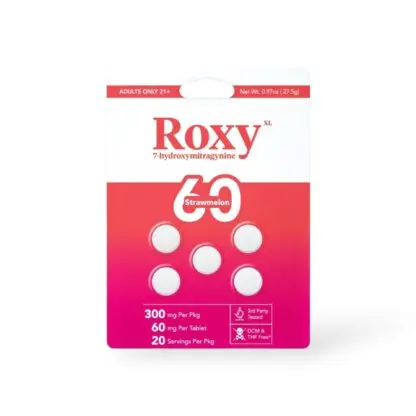
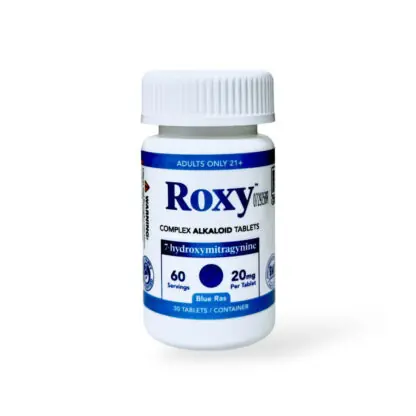
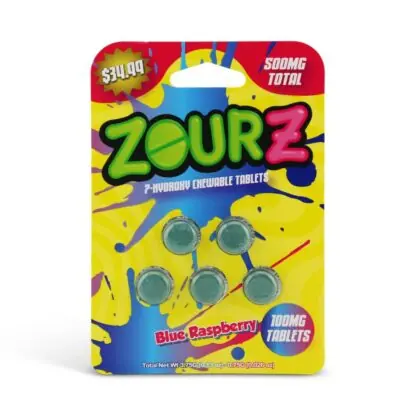
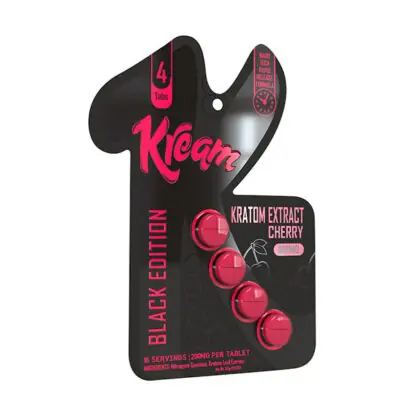
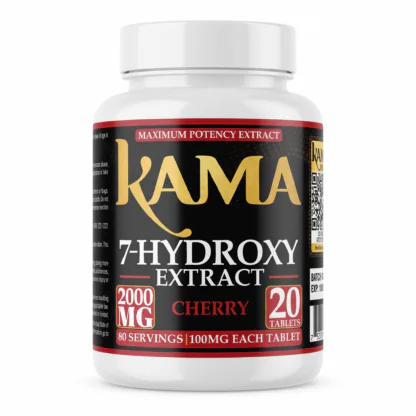
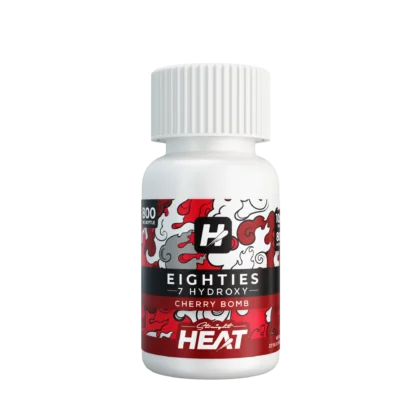
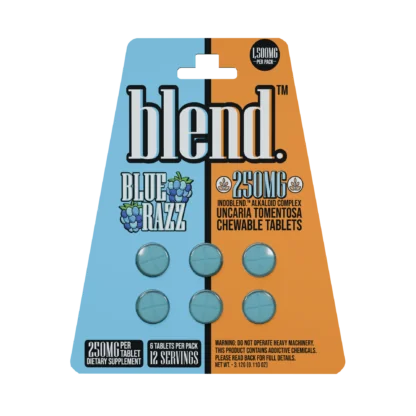
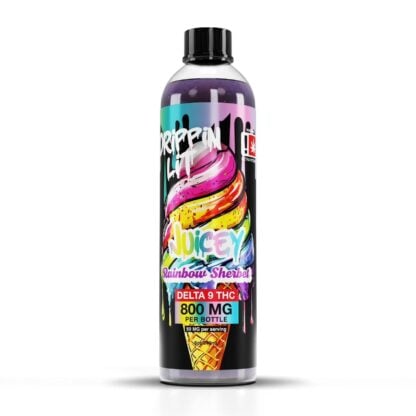
7-OH shots deliver 7-hydroxymitragynine in a single-serve liquid format, with the labeled alkaloid content stated per bottle. 7-OH is a kratom alkaloid that occurs naturally in Mitragyna speciosa leaf in trace amounts, and products in this category are made from concentrated or processed material rather than whole leaf. This collection carries shots from 18mg to 300mg across several brands, each third-party tested with a batch certificate of analysis. Federal scheduling is under active consideration, so read the status section below and confirm your state law before ordering.
7-hydroxymitragynine, usually written 7-OH, is one of the alkaloids present in the leaves of Mitragyna speciosa. It occurs naturally in only trace amounts, well under one percent of total alkaloid content, which is why products labeled 7-OH are made from concentrated or processed material rather than from plain leaf.
A shot is that material in a single-serve liquid, typically in a small bottle between 10ml and 30ml. The milligram figure in the product name refers to the labeled 7-OH content for the bottle. These are sold as botanical products. They are not medicines, they are not dietary supplements approved by the FDA, and nothing on this page is intended to diagnose, treat or prevent anything.
Shots Compared With Tablets
Both formats appear in this catalog and the honest comparison is a set of trade-offs rather than a winner.
A shot is pre-portioned. One bottle is one unit and there is nothing to divide, which removes a source of error. It is also the bulkier format to carry and the more expensive one per milligram in most cases, because you are paying for the bottle, the liquid volume and the flavoring as well as the alkaloid.
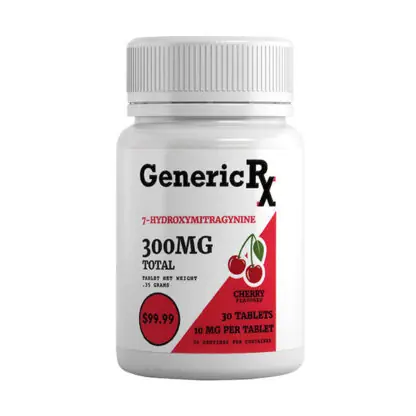
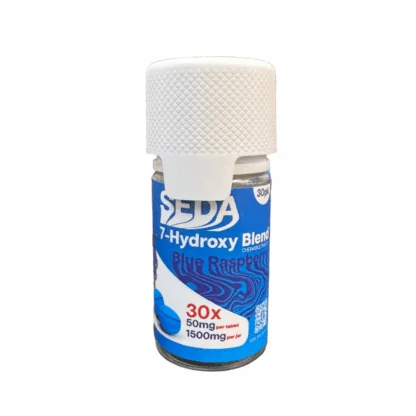
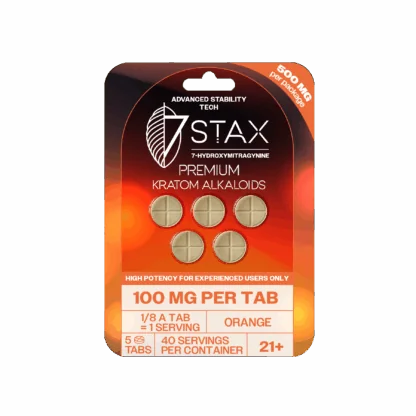
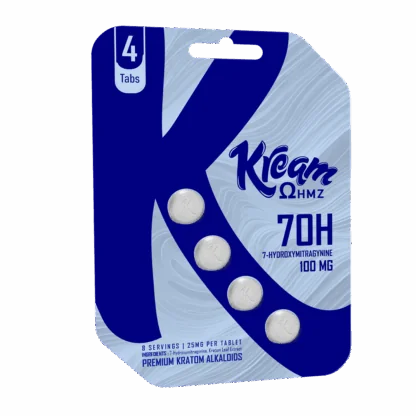
A tablet is more compact and generally cheaper per milligram, and a multi-count tin gives you smaller increments than a single shot does. It is also the format where reading the count matters most, since a headline milligram figure is often the total across the tin rather than the content of one tablet.
Neither is better. They suit different buying patterns.
Reading Milligram Figures and Working Out Cost Per Milligram
The figures in this collection range from 18mg to 300mg per bottle and prices range from $9.99 to $18.99, which means headline price tells you very little. The useful number is cost per milligram, and it is one division: price divided by labeled milligrams.
Run it across a few products and the spread is wider than you would expect. A 300mg shot at $16.99 works out very differently from a 25mg shot at $11.99, and the difference is not a quality signal in either direction. What it does tell you is whether you are comparing like with like. Do the arithmetic before deciding anything on price, and check that the labeled figure is supported by the batch certificate of analysis rather than taken from the bottle alone.
Federal Status as of September 1, 2026
This section is dated deliberately, because the position is moving.
On July 1, 2026, the DEA filed notices of intent to place 7-OH above a specified threshold, along with three related compounds, temporarily into Schedule I. Those notices published in the Federal Register on July 6, 2026. The proposed threshold is more than 0.050 percent by weight, or more than 1.00 mg of 7-OH, in synthetic or processed material, and more than 0.050 percent on a dry weight basis in botanical material.
On August 26, 2026, the DEA issued a final temporary scheduling order. It covers mitragynine pseudoindoxyl, MGM-15 and MGM-16, effective from August 26, 2026, until August 26, 2028. It does not cover 7-OH. As of the date of this page, 7-hydroxymitragynine is not a scheduled controlled substance and remains at notice of intent stage. Mitragynine and natural leaf kratom below the threshold are not named in either notice.
An HHS request for information on 7-OH is open with comments closing September 10, 2026. A temporary order for 7-OH could issue at any time. Confirm the current position before ordering.
State Rules and Where We Cannot Ship
State law and federal law move independently here, and two different things get lumped together in most of the lists you will see online.
Some states prohibit kratom entirely, which captures 7-OH along with everything else. Others permit leaf kratom but restrict or ban concentrated 7-OH specifically, and a third group regulates under Kratom Consumer Protection Act frameworks that set alkaloid concentration caps rather than outright bans. Reputable trackers disagree on the exact lists because they are measuring different things, and several states changed position during 2026.
We restrict shipping to the states and localities where these products cannot lawfully be sold, and the restriction is applied at checkout. That list is maintained separately from this page because it changes more often than the page does. Check it before ordering, and confirm your own local rules, since county and city ordinances are sometimes stricter than state law.
Storage and Handling for Liquid Formats
Liquids have different failure modes from tablets. Keep bottles sealed and upright, at room temperature, out of direct sunlight. Light and heat are the two things that degrade alkaloid content over time, and a bottle left in a car or on a windowsill will not hold its labeled figure indefinitely.
Do not decant into another container. The original bottle carries the batch number, the labeled content and the child-resistant closure, and separating any of those from the product is a bad idea. Keep out of reach of children and pets. Sales are restricted to buyers aged 21 and over.
FAQ's
What is a 7-OH shot?
A single-serve liquid containing 7-hydroxymitragynine, an alkaloid found in Mitragyna speciosa leaf. Because 7-OH occurs naturally in only trace amounts, these products are made from concentrated or processed material. The milligram figure names the labeled content per bottle. They are sold as botanical products, not as medicines or approved dietary supplements.
Is 7-OH a Schedule I controlled substance?
Not as of September 1, 2026. The DEA published a notice of intent on July 6, 2026, proposing temporary Schedule I placement above a specified threshold, but the final order issued on August 26, 2026, covered only mitragynine pseudoindoxyl, MGM-15 and MGM-16. 7-OH remains unscheduled and an order could still issue.
What is the threshold DEA has proposed?
More than 0.050 percent by weight, volume or weight-per-volume, or more than 1.00 mg of 7-OH, in synthetic or processed material. For botanical material it is more than 0.050 percent on a dry weight basis. The DEA has stated the action would not apply to botanical kratom products containing naturally occurring 7-OH below that threshold.
How is 7-OH different from mitragynine?
Both are alkaloids in the same plant. Mitragynine is the parent compound and the most abundant one in the leaf. 7-OH occurs naturally in trace amounts and, in research models, is described as binding far more strongly at mu-opioid receptors. They carry different regulatory treatment, so read the compound named on each product label.
Which is better, a shot or a tablet?
Neither, and the choice is practical. A shot is pre-portioned with nothing to divide, but it is bulkier and usually costs more per milligram. A tablet is more compact and generally cheaper per milligram, and a multi-count tin gives smaller increments. Read the count on tablets carefully, since headline figures are often tin totals.
How do I compare prices across brands?
Divide price by labeled milligrams to get cost per milligram, then compare that figure rather than the shelf price. The spread across this collection is wide, and a higher cost per milligram is not in itself a quality signal. Then check the labeled figure against the batch certificate of analysis.
How should I store 7-OH shots?
Sealed, upright, at room temperature and out of direct sunlight. Light and heat degrade alkaloid content over time, so avoid leaving bottles in a car or on a windowsill. Keep the product in its original bottle, since that carries the batch number and the child-resistant closure. Store out of reach of children and pets.
What is FDA Import Alert 54-15?
A standing FDA measure permitting detention without physical examination of imported dietary supplements and bulk dietary ingredients that are or contain Mitragyna speciosa. Its most recent revision was August 17, 2026. It is an import mechanism applied at the border and is separate from state-level rules governing sale inside the United States.