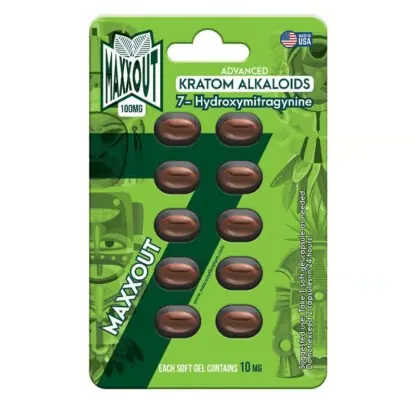
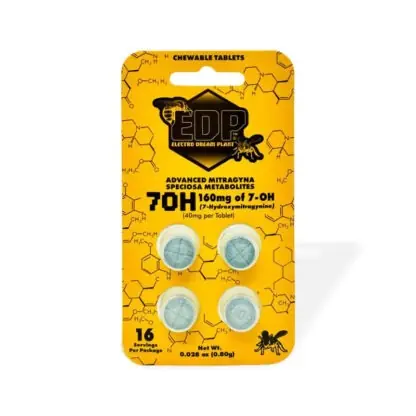
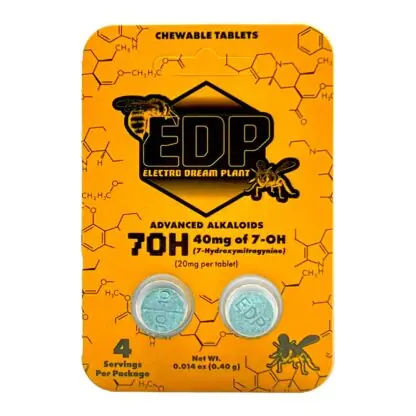
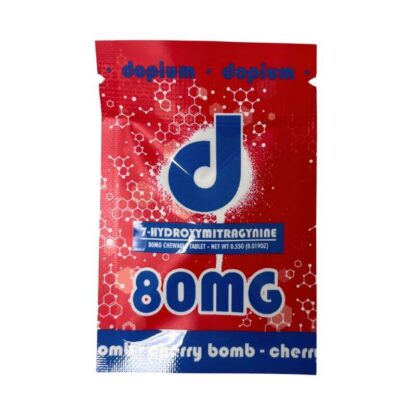
7OH Products
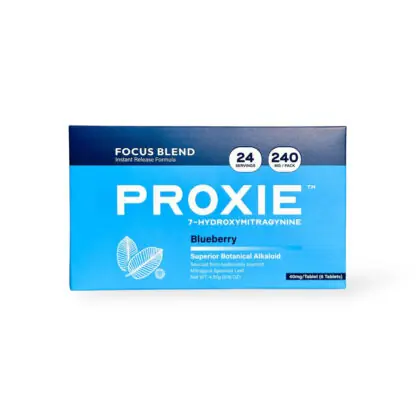
Proxie Superior Botanical Alkaloid 7-OH Tablets (240mg – 6 Count)
Out of Stock
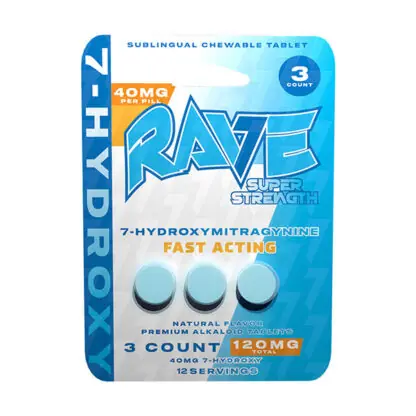
RAVE Super Strength Premium Alkaloid 7-OH Tablets (120mg – 3 Count)
Out of Stock
Out of Stock
Out of Stock
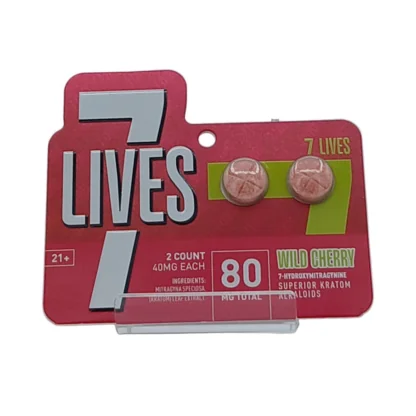
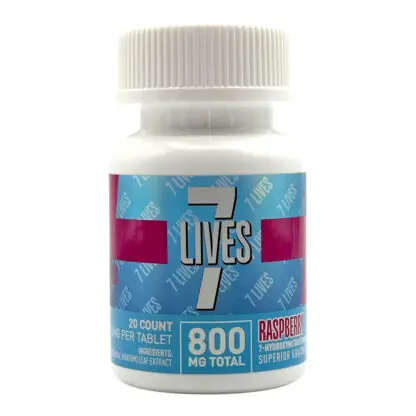
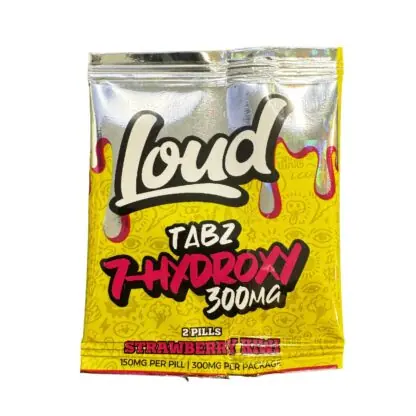
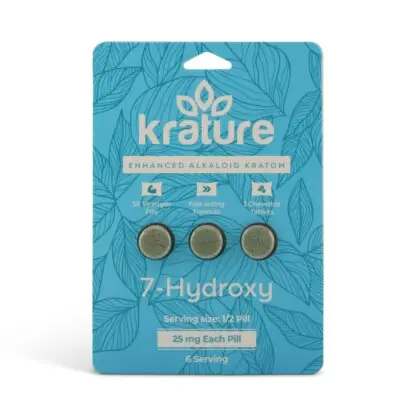
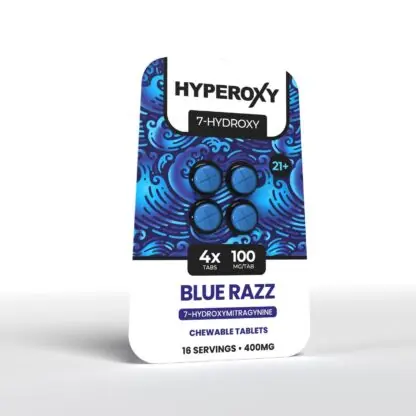
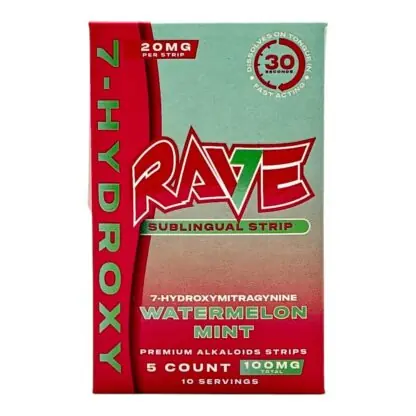
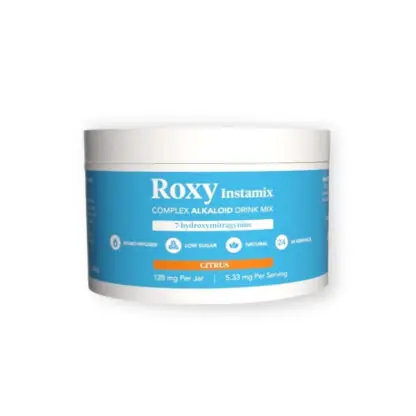
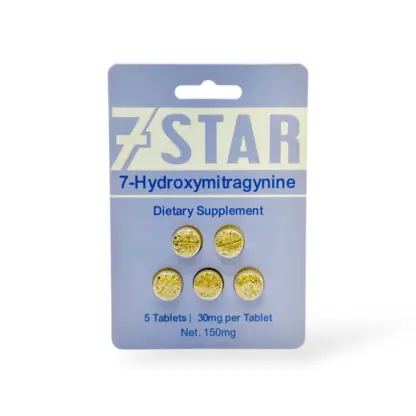
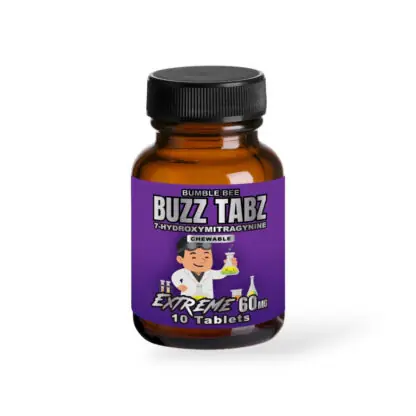
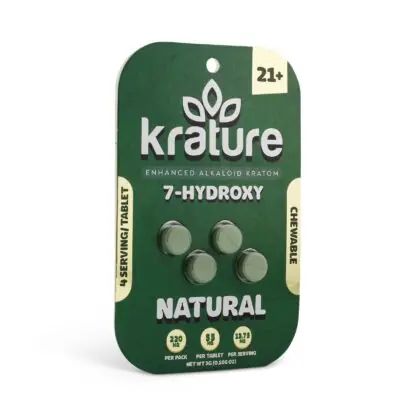
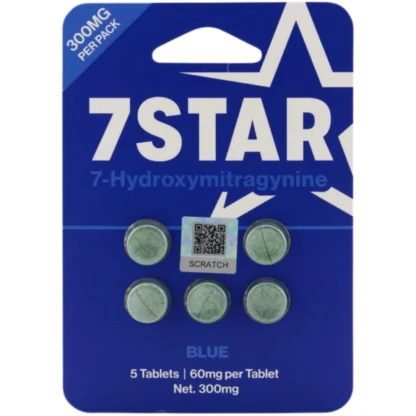
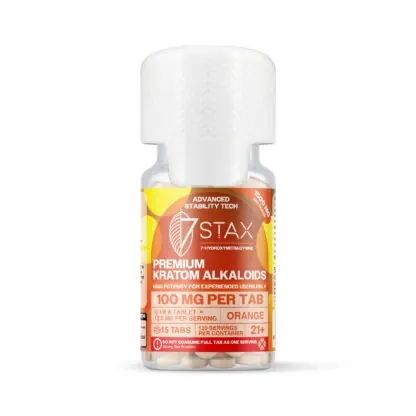
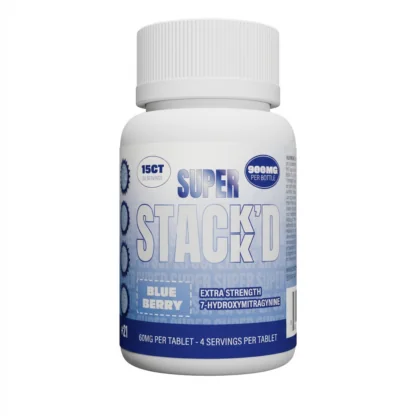
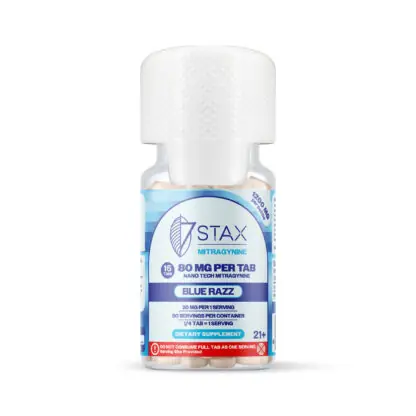
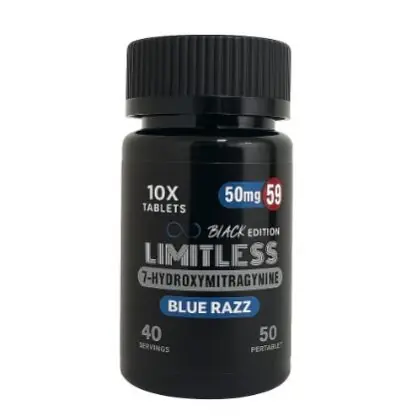
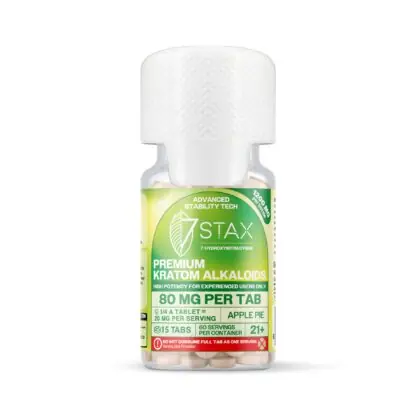
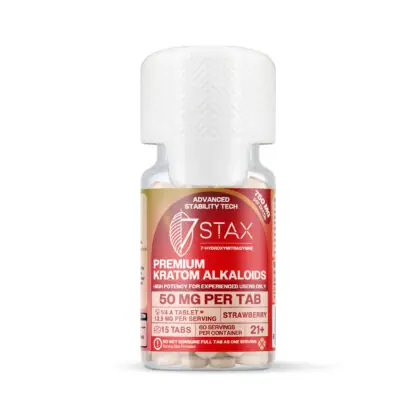
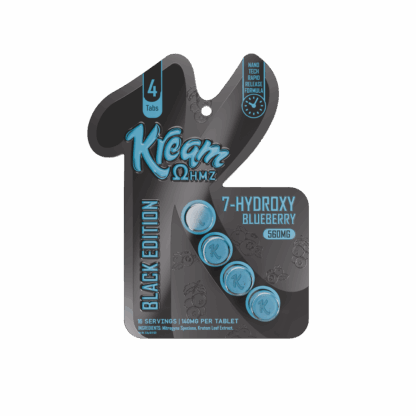
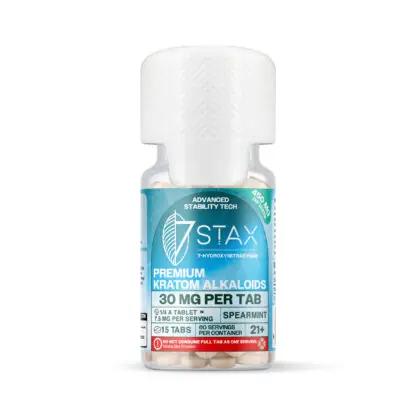
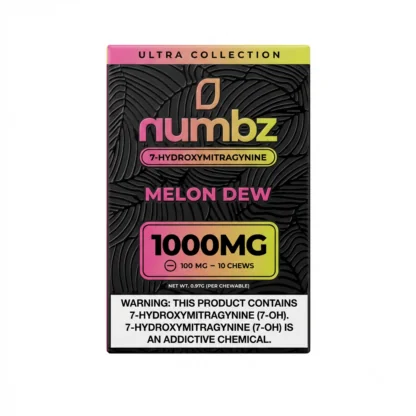
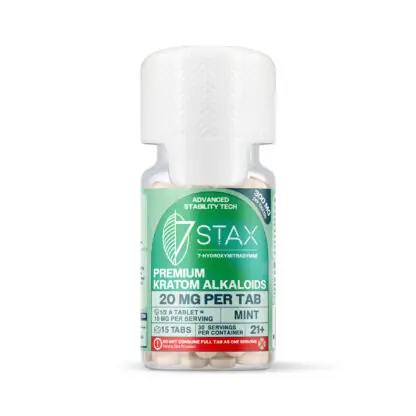
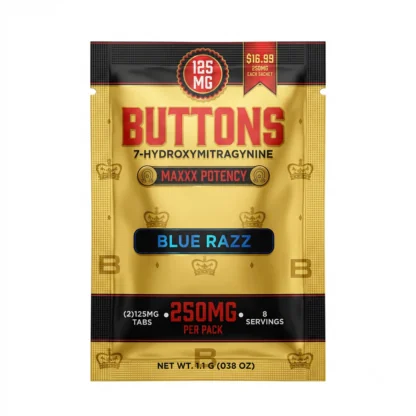
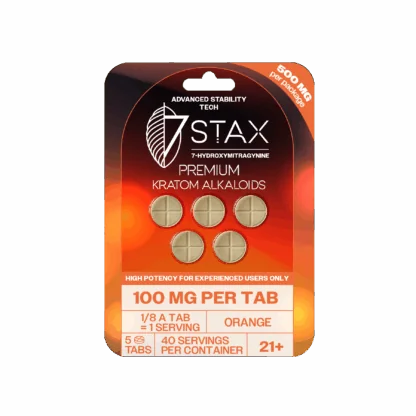
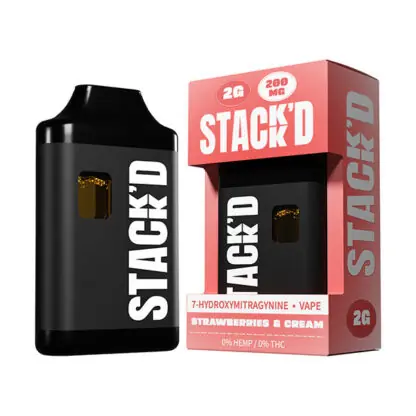
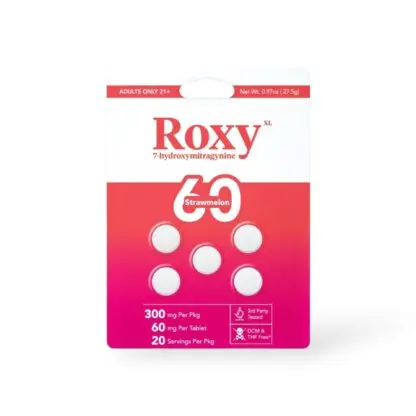
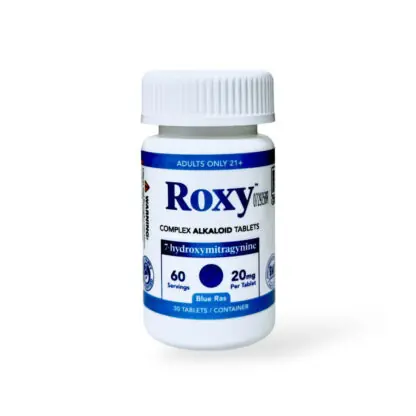
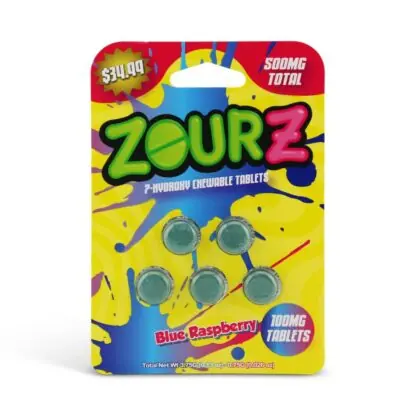
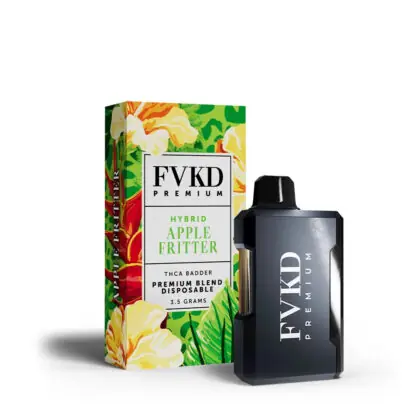
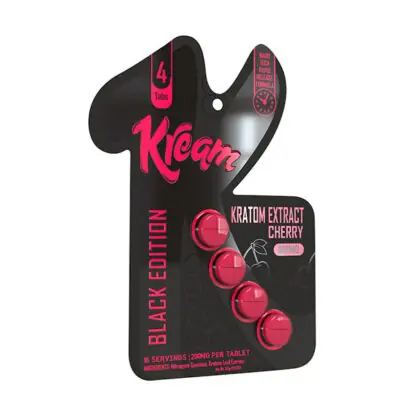
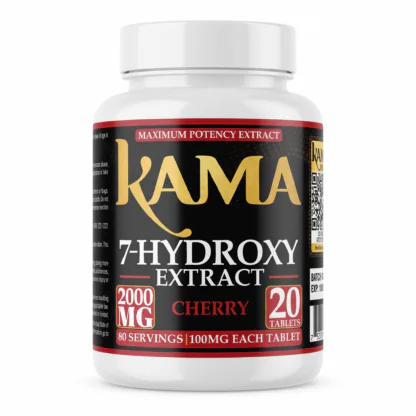
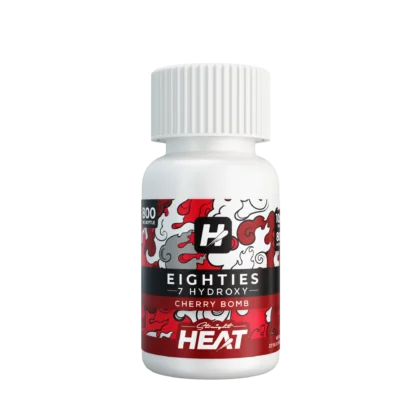
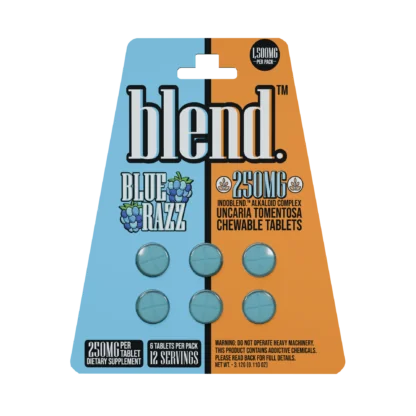
More than 250 listings, and the overwhelming majority are pressed tablets. Shots, vapes and extract formats make up the remainder. Prices run from a few dollars for a single unit to bulk listings in the thousands, so the first thing to establish on any product page is what you are actually buying: a single tablet, a multi-count tin, or a case.
7-hydroxymitragynine is one of the alkaloids present in Mitragyna speciosa leaf. It occurs naturally at trace levels, well below one percent of total alkaloid content, which is why every product here is made from concentrated or processed material rather than from plain leaf. These are botanical products. They are not medicines, they are not FDA-approved dietary supplements, and nothing on this page is intended to diagnose, treat or prevent anything.
This is one of the main questions buyers have, yet the answer is often presented unclearly. As of September 1, 2026, the federal status of the major kratom alkaloids and related compounds differs significantly.
Mitragynine pseudoindoxyl is currently subject to temporary Schedule I control. The same applies to MGM-15 (dihydro-7-hydroxymitragynine) and MGM-16 (9-fluoro-dihydro-7-hydroxymitragynine). The temporary scheduling period for all three compounds began on August 26, 2026, and is set to remain in effect through August 26, 2028, unless the federal government takes further action.
7-Hydroxymitragynine (7-OH) is in a different position. As of the date above, it is not federally scheduled, although a notice of intent concerning the substance is pending. That notice was published on July 6, 2026.
Mitragynine, the primary alkaloid naturally present in kratom, is also not federally scheduled and was not named in either of the relevant scheduling notices. Likewise, natural leaf kratom that remains below the applicable threshold is not scheduled and was expressly excluded by the DEA.
The DEA filed its notices of intent on July 1, 2026, with publication following on July 6, 2026. The final temporary scheduling order was issued on August 26, 2026, but it applied only to mitragynine pseudoindoxyl, MGM-15, and MGM-16. It did not place 7-OH under Schedule I at that time.
Separately, HHS issued a request for information concerning 7-OH, with the public comment period scheduled to close on September 10, 2026. Because a scheduling order concerning 7-OH may be issued following the applicable federal process, its regulatory status can change quickly.
For that reason, the information above should be treated as accurate as of September 1, 2026, and the latest federal status should always be checked before purchasing, selling, manufacturing, or distributing any kratom-derived product.

The proposed threshold has two parts and they apply to different things.
For synthetic or processed material, the trigger is more than 0.050 percent by weight, weight-per-volume or volume-per-volume, or more than 1.00 mg of 7-OH. For botanical material, it is more than 0.050 percent of 7-OH on a dry weight basis.
The 1.00 mg figure is the one to understand, because it is an absolute quantity rather than a concentration. Products in this category are commonly labeled in tens or hundreds of milligrams. Applied literally, a threshold of 1.00 mg captures essentially every concentrated 7-OH product on the market, which is what the DEA appears to intend. The agency has stated the action would not apply to botanical kratom products containing naturally occurring 7-OH below the specified threshold, which is where the plain-leaf carve-out sits.
If a 7-OH order does issue, this is the arithmetic that determines what it reaches.
Import Alert 54-15 permits detention without physical examination of imported dietary supplements and bulk dietary ingredients that are or contain Mitragyna speciosa. Its most recent revision was August 17, 2026. It covers capsules, whole and processed leaves, leaf resins, extracts, powdered leaves and bulk liquids.
The distinction almost no retailer makes is worth making. This is a customs mechanism. It governs what can be brought into the United States and is applied at the border by FDA. It is not a domestic sales ban and it is separate from scheduling and from state law. A product manufactured domestically does not encounter it.
Undated state lists circulate widely and reputable trackers disagree with each other, because they are measuring different things. Three categories are getting collapsed into one.
Kratom prohibitions. Some states ban kratom outright, which captures 7-OH along with leaf and every other preparation.
7-OH-specific restrictions. Other states permit leaf kratom but prohibit or restrict concentrated 7-OH specifically. Several moved into this category during 2026.
Concentration caps. A third group regulates through Kratom Consumer Protection Act frameworks that cap 7-OH as a percentage of total alkaloid content rather than banning it. Colorado’s cap is a well-known example and it appears on almost no retail page anywhere.
We restrict shipping where these products cannot lawfully be sold and apply it at checkout. That list is maintained separately because it changes faster than this page does. County and municipal ordinances are sometimes stricter than state law, so check locally as well.
With this many listings, a method helps more than a recommendation.
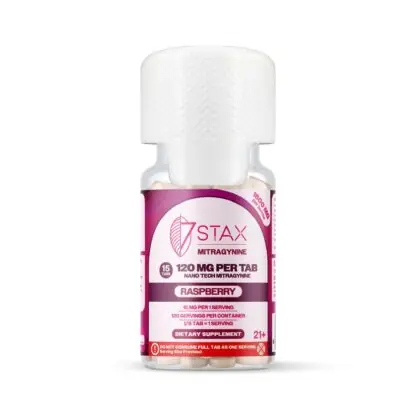
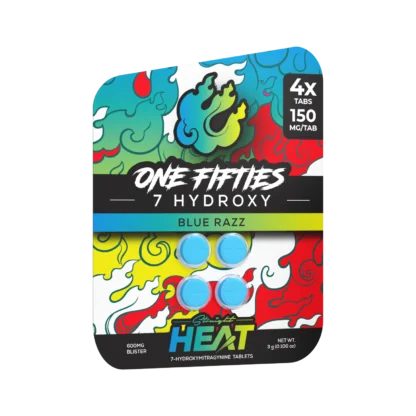
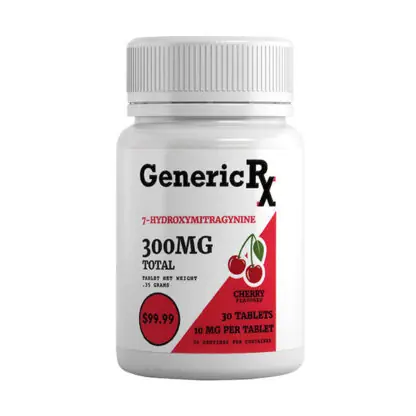
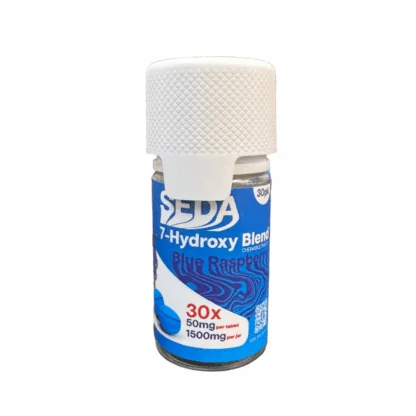
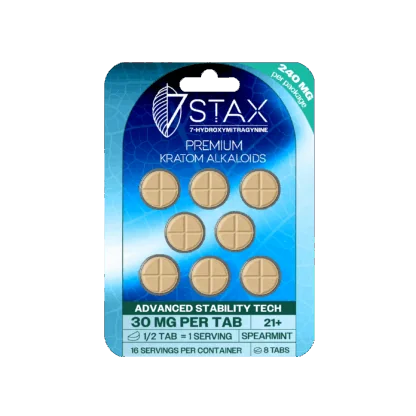
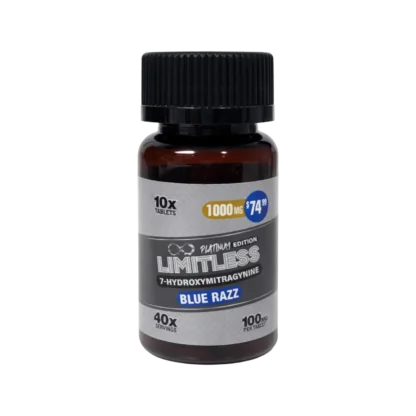
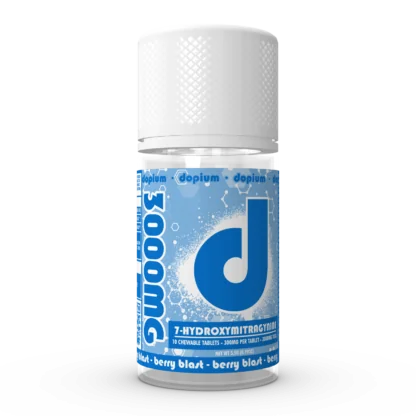
Start with the count. A headline figure such as 1500mg on a 15-count tin is usually the total across the tin, not the content of one tablet. Divide before comparing anything.
Then work out cost per milligram: price divided by total labeled milligrams. Run it across a shortlist and the spread is wide, and it is the only number that makes a $37.99 8-count and a $139.99 15-count comparable.
Then check the certificate of analysis for that batch, matching the batch number against the packaging and confirming the assay supports the labeled figure. A brand that publishes its lab results and whose numbers line up with its labels is telling you something a marketing claim cannot.
Sales are restricted to buyers aged 21 and over. These products have not been evaluated by the FDA.
Not federally, as of September 1, 2026. The DEA published a notice of intent on July 6, 2026, proposing temporary Schedule I placement for 7-OH above a specified threshold. The final order that issued on August 26, 2026, covered mitragynine pseudoindoxyl, MGM-15 and MGM-16 only. Several states restrict or prohibit 7-OH independently of federal law.
Three, all temporarily and all since August 26, 2026: mitragynine pseudoindoxyl, MGM-15 and MGM-16. Each order runs to August 26, 2028, with a possible one-year extension. 7-hydroxymitragynine, mitragynine, and natural leaf kratom below the specified threshold are not scheduled. The position on 7-OH could change, so check the date on any source you read.
They are different compounds with different legal status, which matters more now than it did before August 2026. Mitragynine pseudoindoxyl is a more processed derivative and is temporarily Schedule I. 7-OH is not currently scheduled. MGM-15 and MGM-16 are semi-synthetic derivatives of 7-OH and are also scheduled. Read the compound named on the product label.
The proposed threshold is more than 0.050 percent by weight, or more than 1.00 mg of 7-OH, in synthetic or processed material. Because 1.00 mg is an absolute quantity rather than a concentration, it would reach essentially every concentrated 7-OH product on the market. Plain-leaf products below the percentage figure sit outside it.
Read the count first, since a headline milligram figure is usually the total for the tin rather than one tablet. Divide it out, then calculate cost per milligram by dividing price by total labeled milligrams. Finally check the batch certificate of analysis to confirm the assay supports the label.
No. Import Alert 54-15 permits detention without physical examination of imported dietary supplements and bulk ingredients containing Mitragyna speciosa, and was last revised on August 17, 2026. It is a customs mechanism applied at the border, separate from federal scheduling and from state sales law. Domestically manufactured products do not encounter it.
State rules come in three shapes and get wrongly merged into one list. Some states prohibit kratom outright. Some permit leaf kratom but restrict concentrated 7-OH specifically. Others cap 7-OH as a percentage of total alkaloid content under Kratom Consumer Protection Act frameworks. We apply shipping restrictions at checkout; check your local rules too.
Sealed in the original container at room temperature, away from heat, light and humidity. Compressed tablets absorb moisture, so keep any desiccant that came with the product and avoid bathroom storage. Keep the batch number with the tablets so it can be matched against a certificate of analysis. Store out of reach of children and pets.
Discount Applied Successfully!
Your savings have been added to the cart.