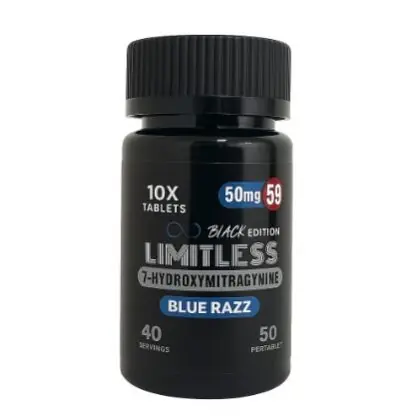
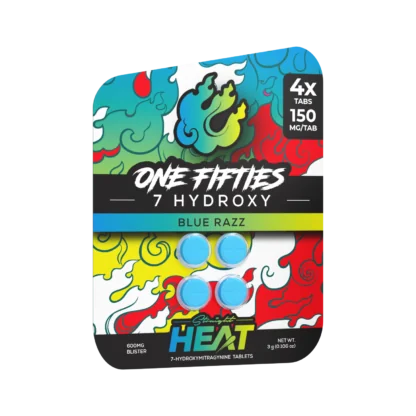
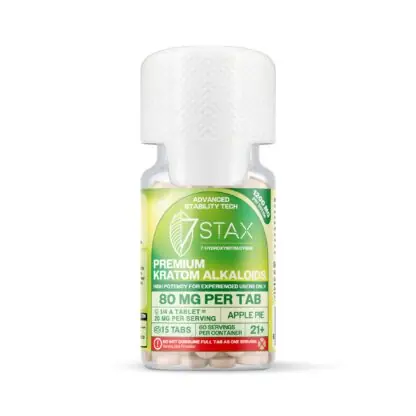
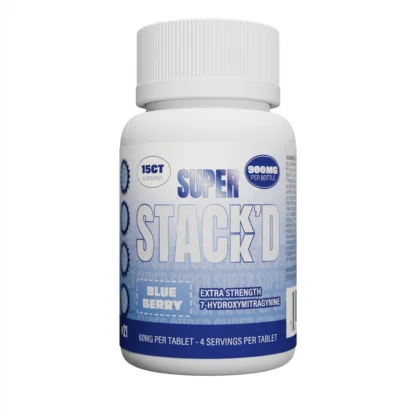
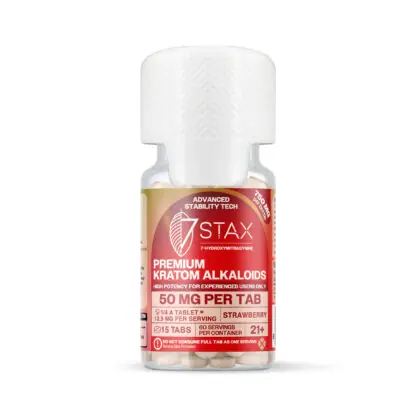
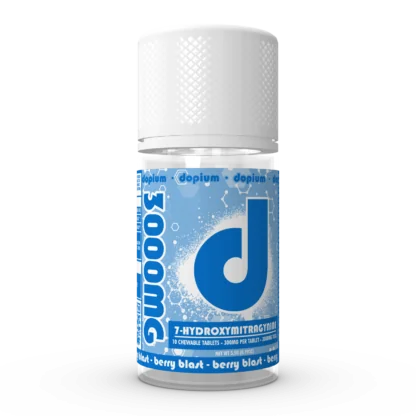
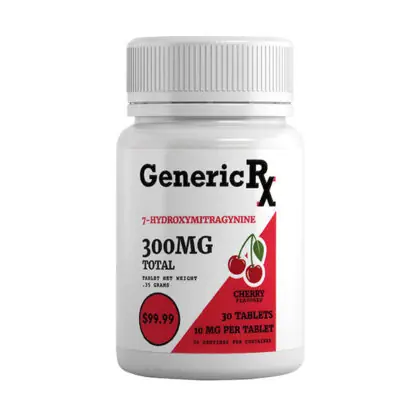
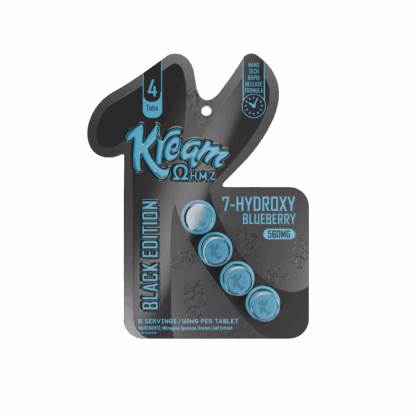
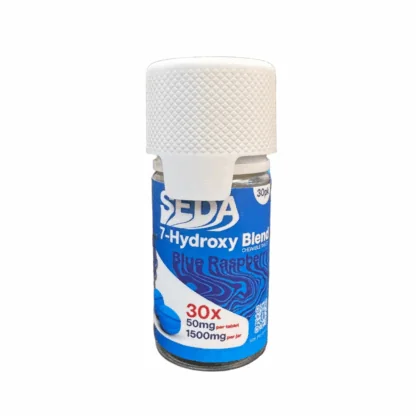
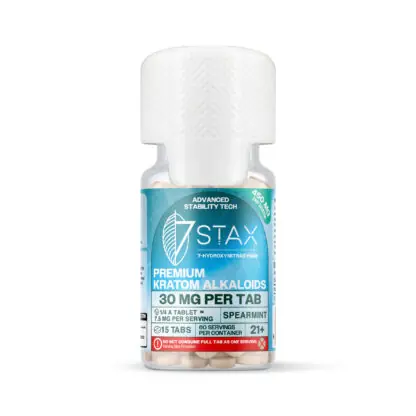
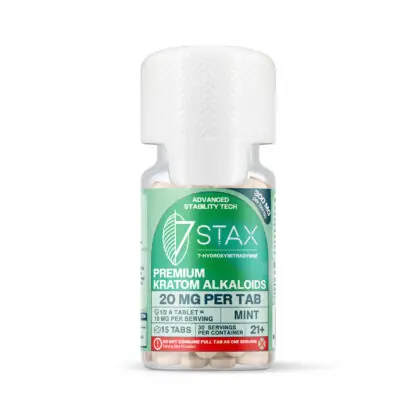
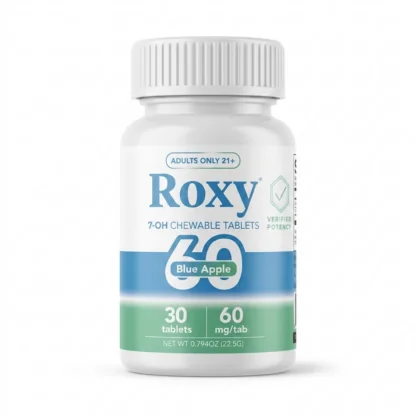
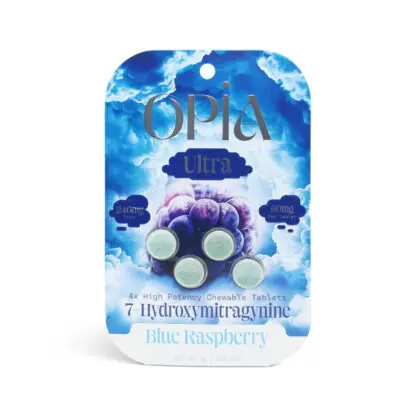
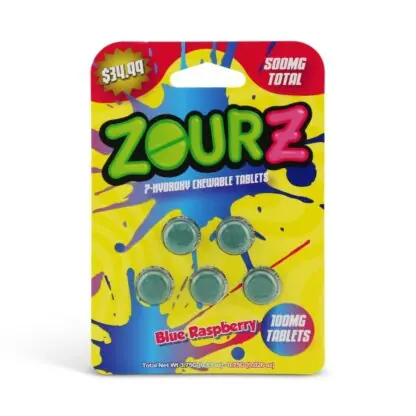
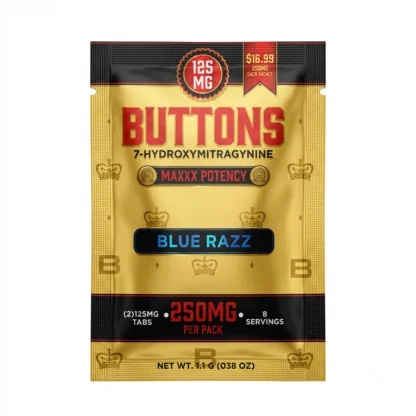
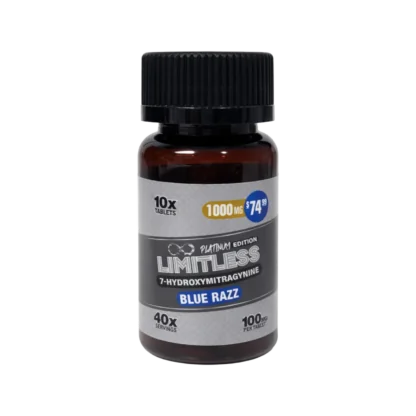
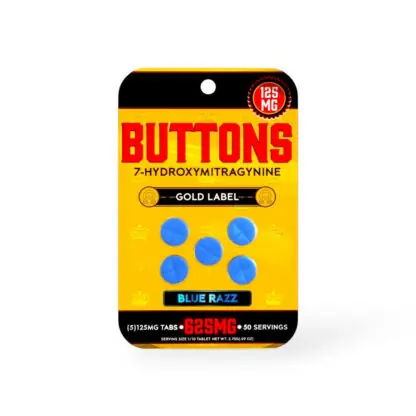
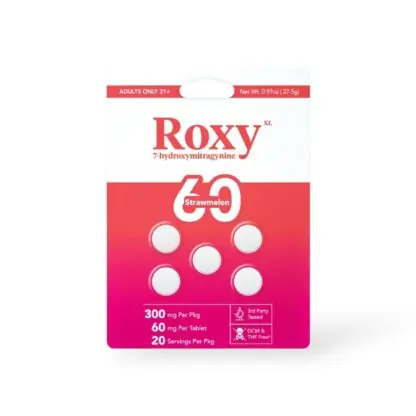
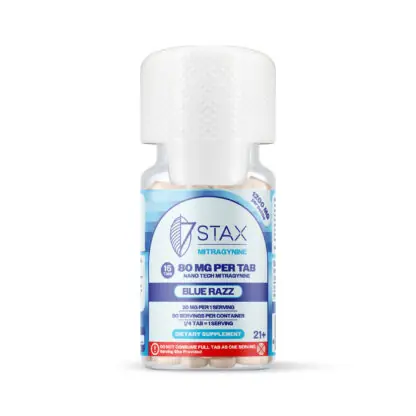
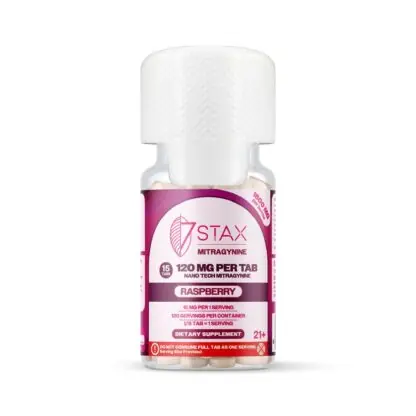
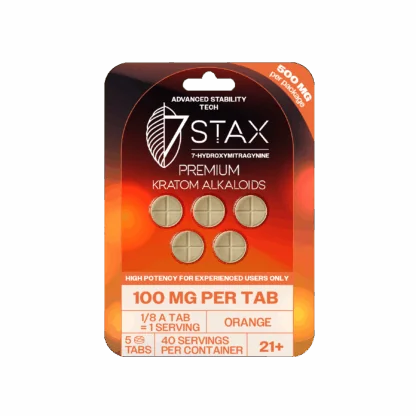
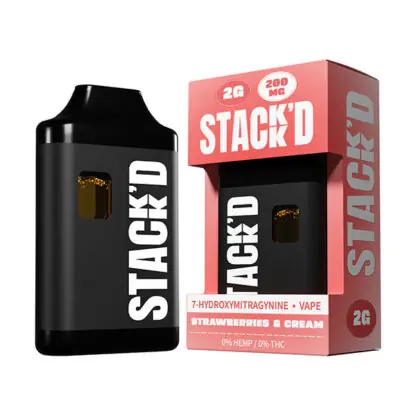
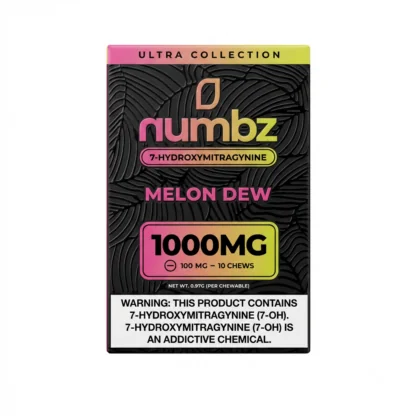
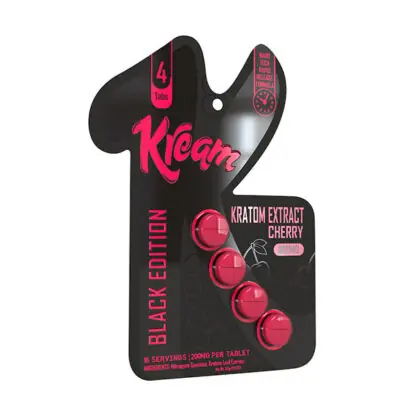
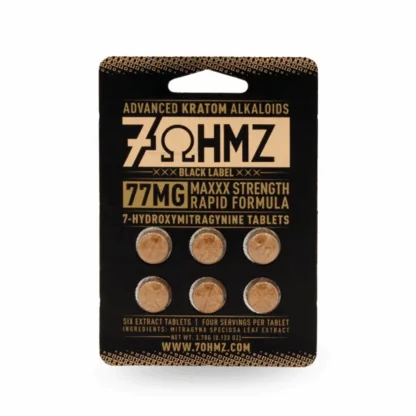
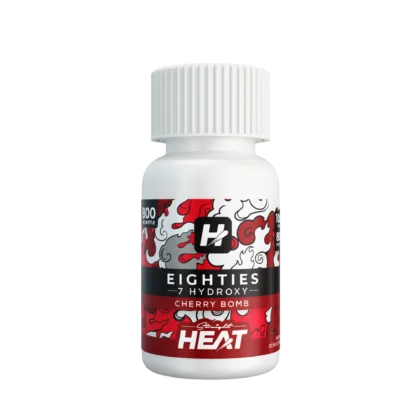
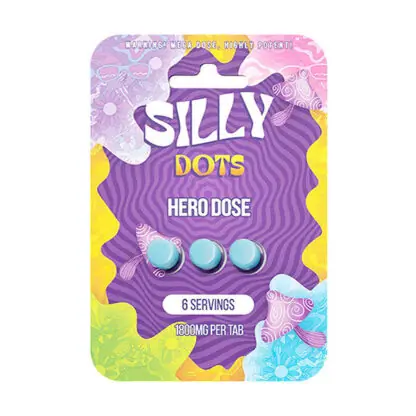
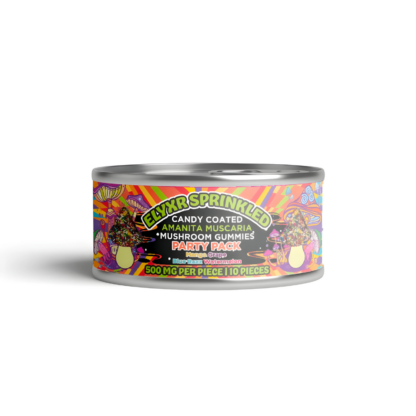
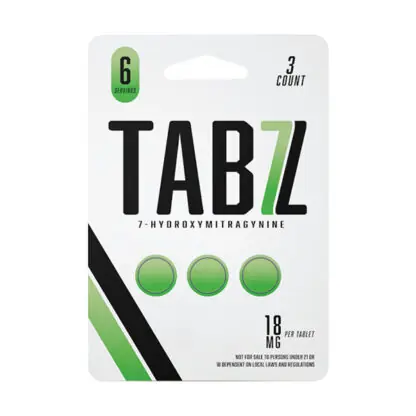
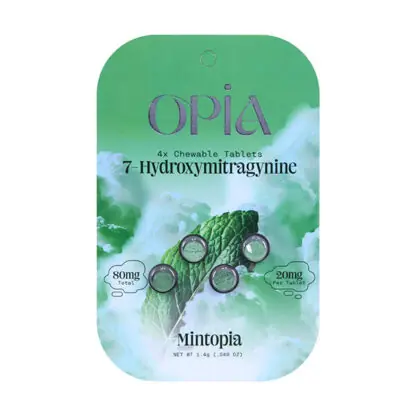
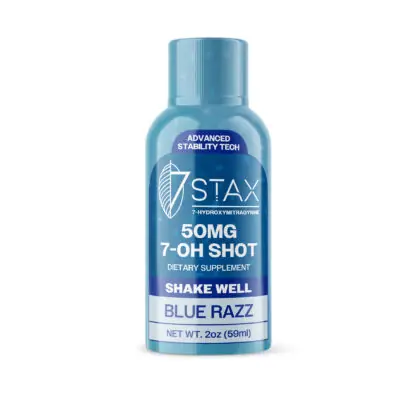
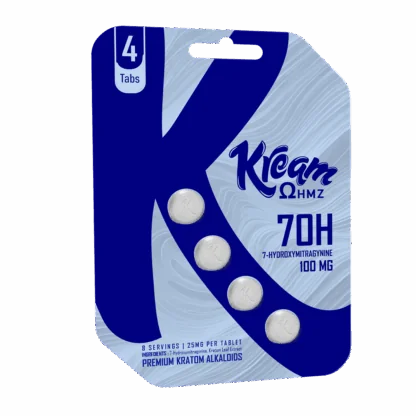
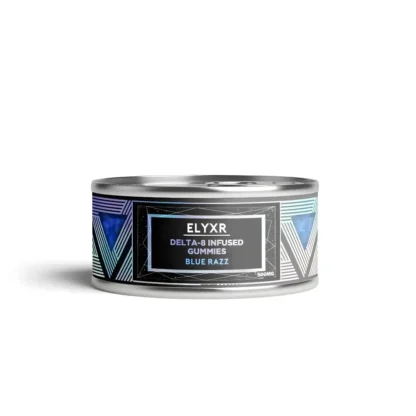
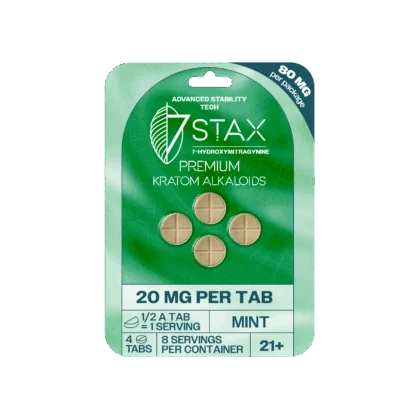
7-OH tablets are pressed preparations containing 7-hydroxymitragynine, an alkaloid found at trace levels in the leaves of Mitragyna speciosa. Because it occurs naturally in such small amounts, products in this category are made from concentrated or processed material rather than plain leaf. This is the largest single-format collection on the site, spanning more than two hundred listings across forty-plus brands. Every product is third-party tested with a batch certificate of analysis available. Federal scheduling of 7-OH is under active consideration, so check the current position before ordering.
7-hydroxymitragynine, usually written 7-OH, is one of the alkaloids present in Mitragyna speciosa leaf. It occurs naturally at well under one percent of total alkaloid content, which is why every product labeled 7-OH is made from concentrated or processed material rather than from plain leaf.
A tablet is that material compressed into a discrete unit with binders and excipients holding it together. It is the dominant format in the category by a wide margin, and the reasons are practical: a pressed unit is compact, it does not leak, it travels well, and it gives a fixed quantity per piece without the measurement step a liquid requires.
These are botanical products. They are not medicines, they are not FDA-approved dietary supplements, and nothing on this page is intended to diagnose, treat or prevent anything.
Tin Totals Versus Per-Tablet Content
This is the most useful thing on the page, and across 227 listings with inconsistent labeling it is where almost every comparison error starts.
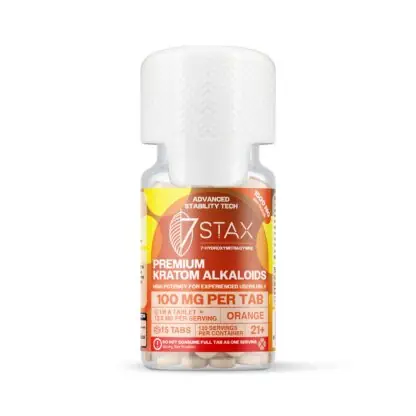
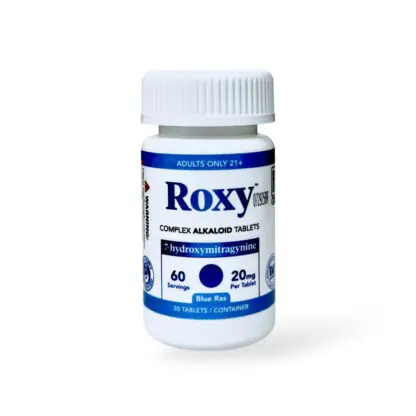
A product listed as 1500mg, 15 Count is stating the total across the whole tin. Divide by fifteen and each tablet carries 100mg. A product listed as 500mg, 5 Count carries 100mg per tablet as well, despite the headline figures differing by a factor of three. Those two products are equivalent per unit and their front labels give no hint of it.
Some brands state the per-tablet figure instead. Some state both. A few state only a total with the count buried in the variant selector. There is no convention you can rely on across forty brands.
The habit: find the count first, divide the headline figure by it, and only then compare. Do that before looking at price.
How Tablets Are Pressed, and Why Consistency Varies
A tablet is made by compressing powder in a die under force. Three things determine whether the result is any good.
Blend uniformity comes first. The active has to be distributed evenly through the powder before pressing, or individual tablets from the same batch will differ from each other. This is the failure mode that a certificate of analysis on a single sample will not reveal.
Compression force decides hardness and how the tablet breaks down. Pressed too hard and it will not disintegrate; too soft and it crumbles in the tin.
Excipients, meaning the binders, fillers and disintegrants that are not the active, make up most of the tablet by mass. They are why a 100mg tablet is not a 100mg object.
Visible signs of a poorly made tablet: crumbling edges, powder in the bottom of the tin, visible mottling or color variation between tablets in the same pack, and tablets that differ noticeably in thickness.
Working Out Cost Per Milligram Across 227 Listings
With this many products and prices from $4.99 to $198.99, headline price is close to meaningless as a comparison.
The number that works is cost per milligram: price divided by total labeled milligrams. It is one division and it makes a $37.99 8-count comparable to a $139.99 15-count in a way nothing else does.
Run it across a shortlist and the spread across this collection is wider than most buyers expect. A higher cost per milligram is not itself a quality signal, and neither is a lower one. What the figure tells you is whether you are comparing like with like, which is the necessary first step before any other consideration.
Then check the labeled figure against the batch certificate of analysis rather than taking the packaging on trust. A brand that publishes lab results and whose numbers line up with its labels is telling you something a marketing claim cannot.
Federal Status in Short
The full picture, including the scheduled-versus-unscheduled compound table and the state law breakdown, sits on our 7-OH Products hub. In summary, as of September 11, 2026:
7-hydroxymitragynine is not a scheduled controlled substance. The DEA published a notice of intent on July 6, 2026, proposing temporary Schedule I placement above a specified threshold, and the final order that issued on August 26, 2026, covered only mitragynine pseudoindoxyl, MGM-15 and MGM-16. An order for 7-OH could issue at any time. Several states restrict or prohibit 7-OH independently of federal law, and shipping restrictions are applied at checkout.
Read that alongside the date on it, and confirm the current position before ordering.
Storage and Handling
Moisture is the enemy of a compressed tablet. It will absorb humidity from the air, soften and lose integrity, and a tablet that has taken up moisture will not break down the way it was designed to.
Keep tablets sealed in the original tin or bottle at room temperature, with any desiccant packet left in place rather than discarded. Avoid bathrooms and anywhere that runs humid. Avoid decanting into another container, which separates the product from its batch number and its child-resistant closure at once.
Keep out of reach of children and pets. Sales are restricted to buyers aged 21 and over. These products have not been evaluated by the FDA.
FAQ's
What is a 7-OH tablet?
A pressed preparation containing 7-hydroxymitragynine, an alkaloid found at trace levels in Mitragyna speciosa leaf. Because it occurs naturally in such small amounts, these products are made from concentrated or processed material rather than plain leaf. They are sold as botanical products, not medicines or approved supplements.
Does the milligram figure mean per tablet or per tin?
It varies by brand and there is no reliable convention across this collection. A listing reading 1500mg, 15 Count is usually stating the tin total, which works out to 100mg per tablet. Find the count, divide the headline figure by it, and compare only after that.
How do I compare tablets across brands?
Divide the headline figure by the count to get per-tablet content, then calculate cost per milligram by dividing price by total labeled milligrams. That single figure makes a $37.99 8-count comparable to a $139.99 15-count. Then check the labeled figure against the batch certificate of analysis.
Is 7-OH scheduled?
Not as of September 11, 2026. The DEA published a notice of intent on July 6, 2026, proposing temporary Schedule I placement above a specified threshold, but the final order issued on August 26, 2026, covered only mitragynine pseudoindoxyl, MGM-15 and MGM-16. An order for 7-OH could still issue.
Why do tablets from the same tin sometimes differ?
Usually blend uniformity. The active has to be distributed evenly through the powder before pressing, and if it is not, individual tablets from one batch will differ. Visible signs include color mottling, thickness variation and powder in the bottom of the tin. A single-sample COA will not reveal it.
Why choose a tablet over a shot?
Tablets are more compact, do not leak, travel better and generally cost less per milligram. A multi-count tin also gives smaller increments than a single-serve bottle. A shot is pre-portioned with nothing to divide. Neither is better; they suit different buying patterns.
What are the other ingredients in a tablet?
Binders, fillers and disintegrants, collectively called excipients, which hold the tablet together and control how it breaks down. They make up most of the tablet by mass, which is why a 100mg tablet is not a 100mg object. The ingredient panel lists them.
How should I store 7-OH tablets?
Sealed in the original tin or bottle at room temperature, with any desiccant packet left in place. Moisture is the main risk, since a compressed tablet absorbs humidity and loses integrity. Avoid bathrooms, avoid decanting into another container, and keep the batch number with the product.