







What is Mitragynine Pseudoindoxyl?
Most people who use kratom have no idea what’s really going on inside their body after they take it. And that’s fair. You take a capsule, a shot, or a scoop, and you feel better, and that’s usually enough.
However, behind every calm focus, every bit of relief, there’s a chain reaction happening inside your body. Most conversations about kratom tend to orbit around Mitragynine and 7-hydroxy. These are the compounds most known for creating the effects kratom is used for. It gets to work. It breaks things down, reshapes them, and turns one thing into another. And sometimes, in that process, something new forms. Mitragynine pseudoindoxyl is one of those compounds.
We believe it’s important to understand the full picture of what kratom is capable of. Researchers have started looking more closely at mitragynine pseudoindoxyl because of the way it interacts with the body, especially in terms of pain relief. Let’s break it down.
What is Mitragynine Pseudoindoxyl?
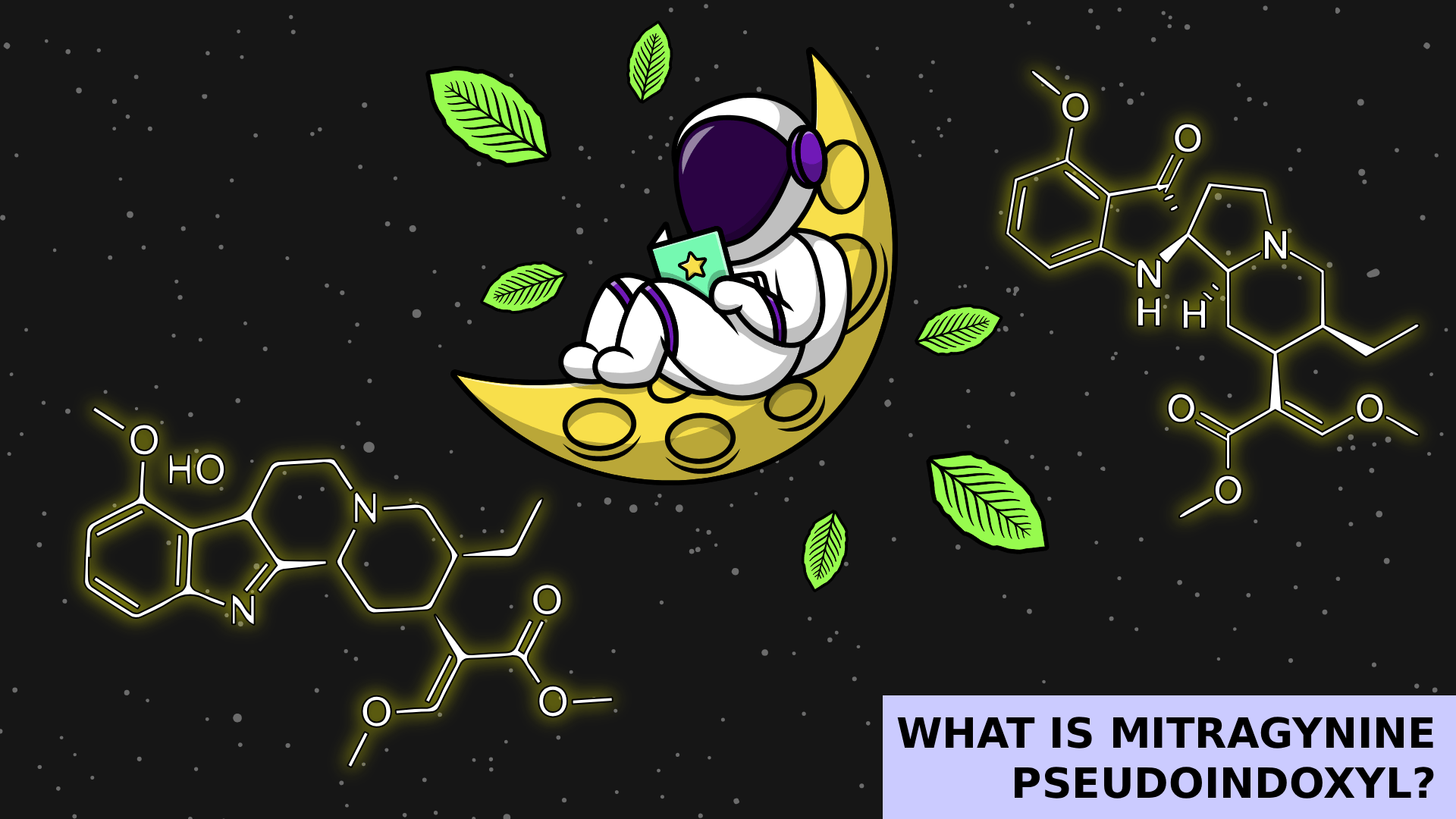
Mitragynine pseudoindoxyl, sometimes listed as VM1502 or simply Compound 3, is a compound related to kratom. Still, it’s not something you’ll find in the plant itself. It forms inside the body after kratom is consumed. That makes it a metabolite, not a natural part of the raw leaf.
When you take kratom, its main alkaloid, mitragynine, is first converted into hydroxymitragynine. This happens mostly in the liver through a process involving enzymes. From there, in human blood plasma, that 7-hydroxy form can shift again, becoming mitragynine pseudoindoxyl. Interestingly, this specific conversion seems to happen much more efficiently in humans than in lab animals, which could explain why MP plays a more active role in human kratom experiences.
Chemically, it’s complex. MP doesn’t settle into just one form; instead, it behaves as a mix of different stereoisomers, meaning it can change shape slightly depending on the environment. This structural flexibility may affect how it interacts with receptors in the body.
Related Blog Post: Comparing Kava vs Kratom: Find out the Differences and Effects
Just how strong is Mitragynine Pseudoindoxyl?
Mitragynine Pseudoindoxyl is a very potent opioid receptor agonist, far stronger than mitragynine and even more potent than morphine. It works mainly by targeting the mu-opioid receptor, which is linked to pain relief. Still, it also acts as an antagonist at the delta-opioid receptor, which might help balance its overall effects.
It also activates certain pathways in the brain that help manage pain but avoid the ones most associated with negative side effects like respiratory depression. This makes it particularly interesting for researchers looking for alternatives to traditional opioids. In lab tests with guinea pig ileum tissue (a classic way to measure how well a compound can stop pain signals), MP needed tiny amounts, we’re talking nanomolar range. It was:
- 20x more potent than morphine
- 100x more potent than mitragynine
Benefits of Mitragynine Pseudoindoxyl
As researchers look more closely at kratom’s active compounds, mitragynine pseudoindoxyl has stood out for some reasons;
Strong Pain Relief, Even in Small Amounts
MP is incredibly potent when it comes to pain relief. Compared to mitragynine and even 7-hydroxymitragynine, MP has shown stronger opioid receptor activity in lab tests. In fact, it’s been found to be far more effective than morphine in both potency and efficiency. Some tests suggest it’s over 3,000% more potent than morphine when it comes to reducing pain responses.
In studies on animals, small doses of MP were enough to trigger significant pain-relieving effects. This makes MP an especially promising compound for situations where lower doses could still deliver meaningful results, which could have a big impact on long-term use.
Fewer Side Effects Than Typical Opioids
One of the biggest challenges with traditional opioid medications is the list of side effects. However, early studies suggest that MP behaves differently. Animal research shows that MP causes less respiratory depression and has a slower rate of tolerance buildup than morphine.
A Different Way of Working
What makes MP even more interesting is how it interacts with the body’s opioid receptors. It’s what scientists call a G protein-biased agonist. This means it triggers pain-relief pathways more selectively without strongly activating the pathways that often lead to side effects like sedation or respiratory issues. This kind of targeted action is what gives MP its reputation as a cleaner pain reliever.
Support for Mood and Focus
Although still early in development, some research points to other potential effects beyond pain relief. MP may help with mood support, and some findings suggest it might aid with focus and mental clarity as well. These effects aren’t fully understood yet, but they open the door to wider therapeutic use.
Related Blog Post: Health Benefits of Kratom and Facts To Know
Side Effects of Mitragynine Pseudoindoxyl
Like any compound with strong effects on the body, mitragynine pseudoindoxyl (MP) comes with a set of side effects worth understanding. That said, what makes MP especially interesting to researchers isn’t just what it can do; it’s what it seems not to do.
- Mild nausea or drowsiness (similar to kratom at higher doses)
- Muscle tension or tremors, in some cases
- Possible withdrawal symptoms, though milder than morphine
- Unclear long-term effects in humans due to limited research
- May still cause coordination issues if overused
- Psychological effects (like confusion or irritability) are possible with chronic use.
Can Mitragynine Pseudoindoxyl be made in a Lab?
Yes, mitragynine pseudoindoxyl can be lab-made, and scientists have developed a few ways to do it.
- One method is biomimetic semisynthesis, where natural kratom compounds like 7-hydroxymitragynine are chemically transformed into MP. These reactions use heat and catalysts to mimic the way our bodies might convert these compounds, yielding MP in small but useful amounts.
- There’s also total synthesis, where MP is built entirely from scratch in a lab. This route allows for more control and the chance to develop MP analogs that might someday become next-gen pain relievers.
The ability to make MP in a lab has opened up possibilities for making kratom-based products that are more potent or targeted. However, some experts are cautious. Since these lab-made versions don’t come straight from the leaf, there’s a growing conversation about whether they should be regulated differently, possibly requiring prescriptions or tighter controls.
Related Blog Post: Should You Attempt Trying Kratom with Other Cannabinoids?
Is Mitragynine Pseudoindoxyl worth it?
Not everyone experiences mitragynine pseudoindoxyl the same way. Since it’s a metabolite, your body has to convert mitragynine into it. That conversion depends on your unique biology. For some, the effects hit hard. For others, not so much.
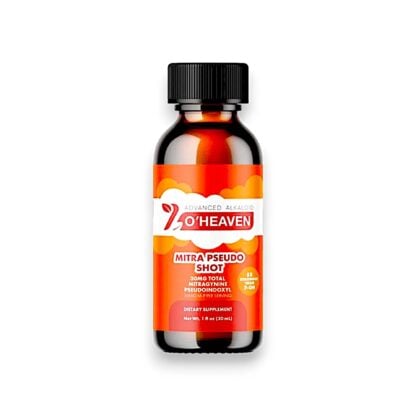
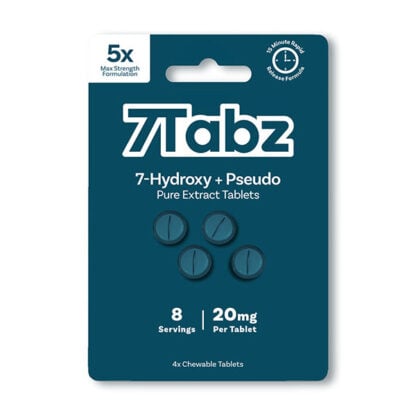
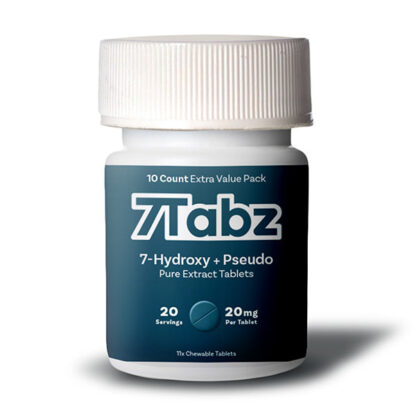
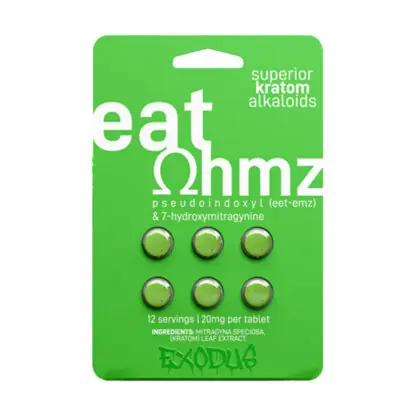
That unpredictability is part of why exploring kratom products can be helpful. You’re not just getting one isolated compound; you’re giving your system the whole spectrum to work with. In fact, the beauty of kratom lies in how your body transforms, and that’s why trying kratom in its different forms can be so insightful. Products like 7-OH tablets and 7-OH shots give you a more concentrated look at how these stronger alkaloids affect you without isolating them completely from their plant-based context.
Sometimes, the best way to figure that out is by working with the plant itself in a form that’s already consistent and clear.