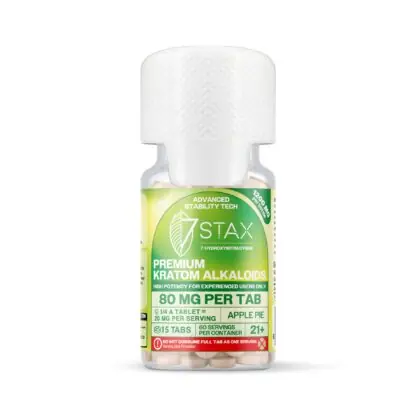
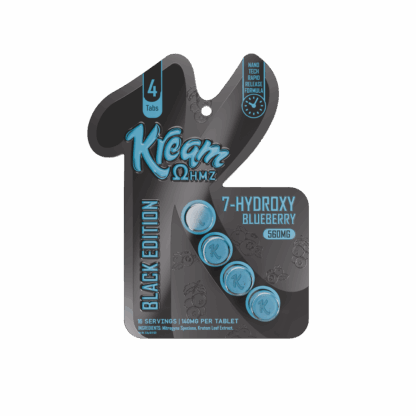
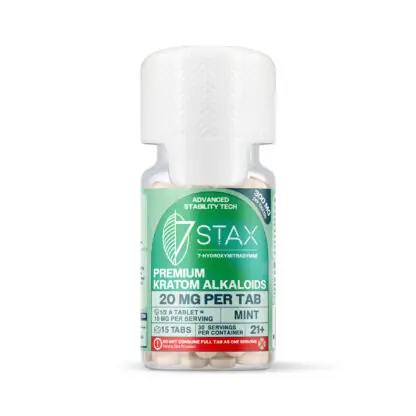
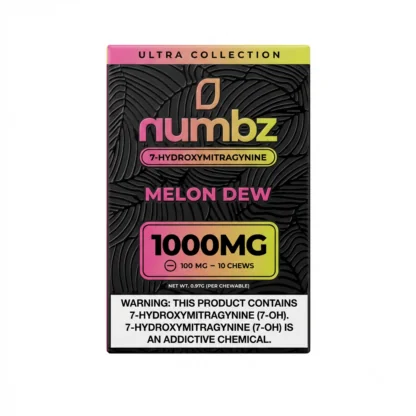
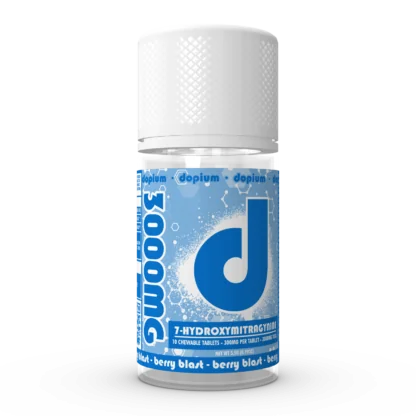
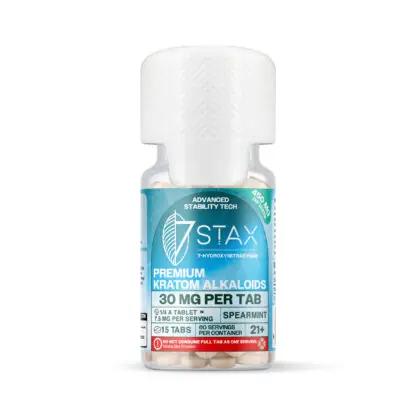
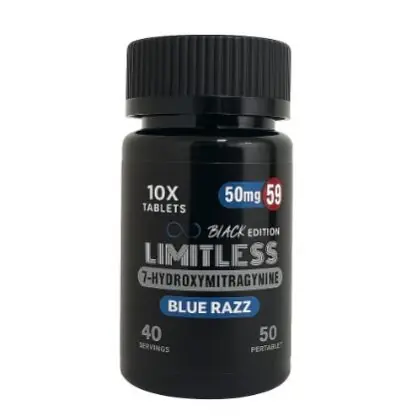
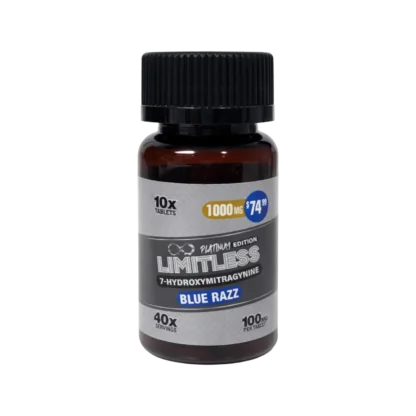
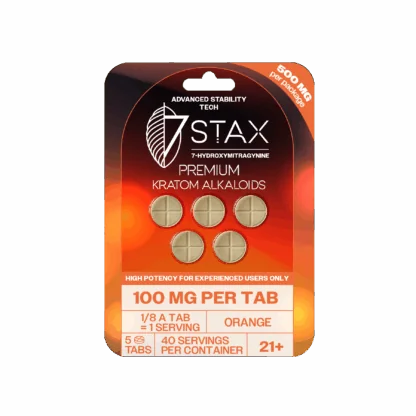
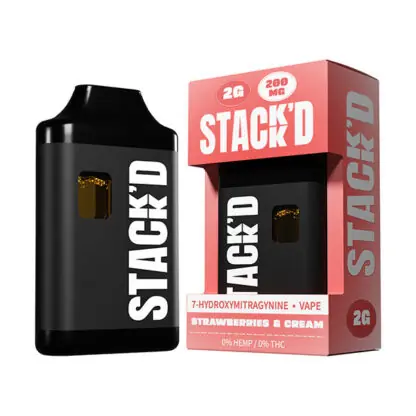
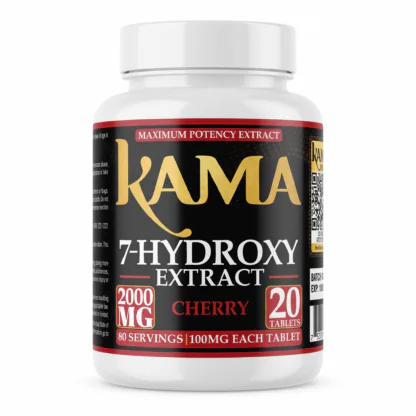
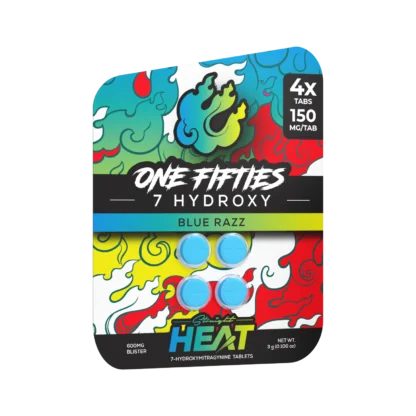
Read this before you buy anything on this page. It was rewritten on November 13, 2026 and it replaces what we said earlier about where this was heading.
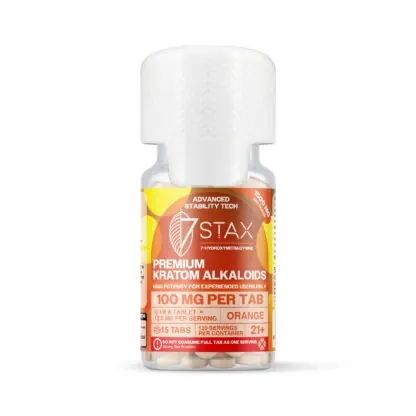
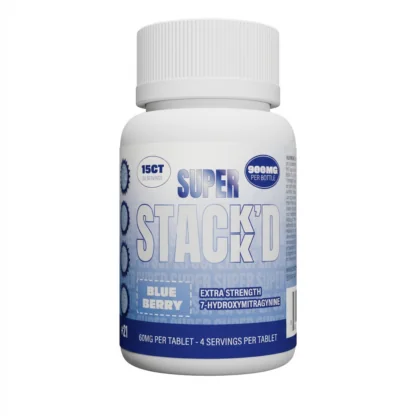
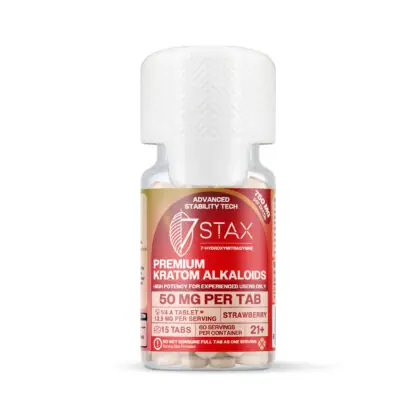
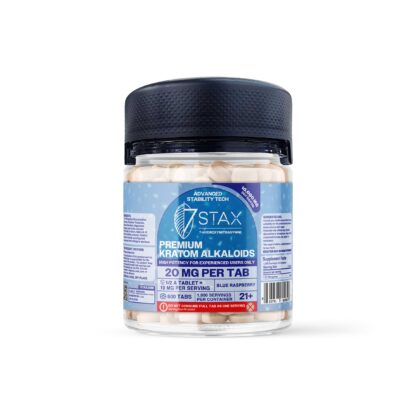
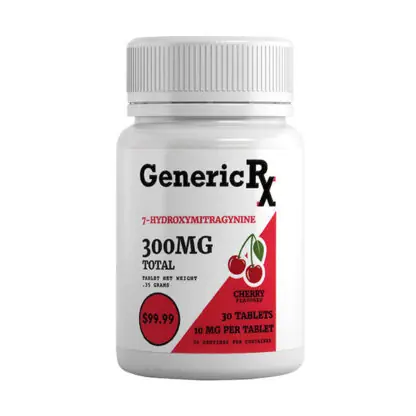
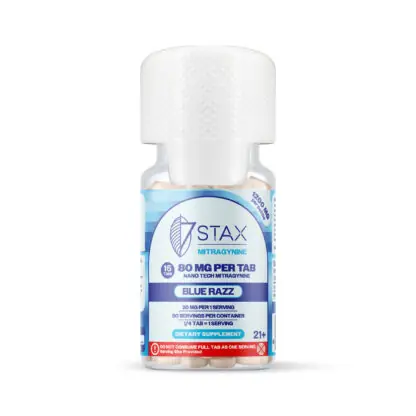
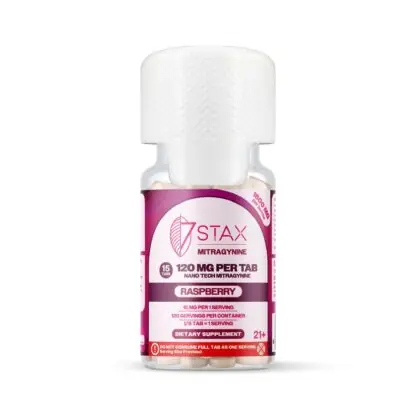
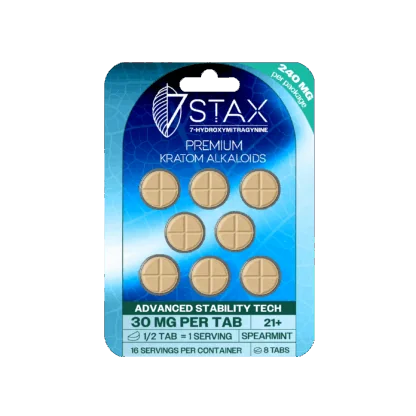
7-OH is not a federally controlled substance as of this page’s date, and that can change on any day from November 13, 2026. The July 6, 2026 notice of intent that proposed blanket Schedule I placement is being withdrawn. A threshold approach has replaced it, and the numbers are now public.
On October 14, 2026 DEA published that notice, Docket DEA-1570. It proposes Schedule I placement for 7-hydroxymitragynine and mitragynine pseudoindoxyl, alone or combined, wherever either of two tests is met. First, a concentration greater than 1 mg per gram in a solid or 1 mg per milliliter in a liquid. Second, a mitragynine to 7-OH mass ratio of less than 100, which means a product needs at least a hundred times more mitragynine than 7-OH to sit outside the test.
Both numbers are low, and the second one is decisive. A product formulated to deliver 7-OH holds more 7-OH than mitragynine by design, so its ratio sits below 1 against a required 100. Diluting a product does not change a ratio. So the ratio test reaches the commercial category as a whole rather than only its strongest end, and reading these thresholds as a quantity to stay under misreads them.
The notice states that the order will publish on or after November 13, 2026, and it takes effect when it publishes. There is no grace period and no exemption written for below-threshold material, and neither HHS nor DEA has made a finding that these substances are safe below the thresholds. The honest position on this page today is that 7-OH is federally lawful and may stop being lawful without warning. Keep the certificate of analysis for anything you buy, and read the next section whatever you decide.
We date this section and review it daily while the order is pending. Do not rely on any undated page for the status of this compound, and if this page still carries an October date anywhere, write to us before you order.