




THC-P Gummies Explained: Effects, Strength and Safety
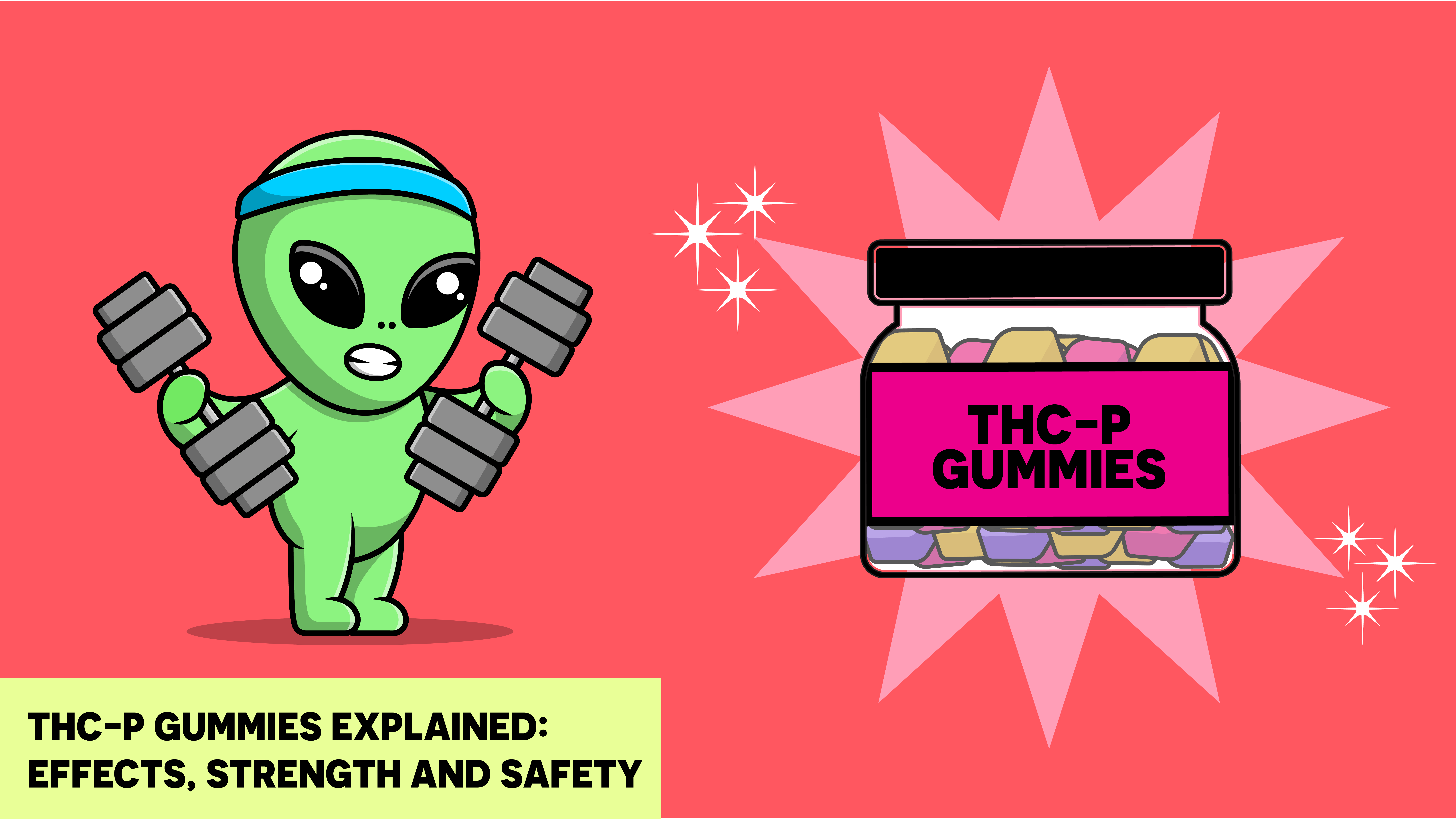
THC-P built a reputation fast in the hemp cannabinoid space, largely because of one number that gets repeated constantly: it’s reported to be dramatically more potent than the Delta-9 THC most people are familiar with. That reputation is well-earned pharmacologically, but potency isn’t the only thing worth understanding here. THC-P is also one of the cannabinoids most directly caught up in the federal hemp law changes taking effect in late 2026, which matters just as much as how strong it is.
What THC-P Actually Is
Tetrahydrocannabiphorol, THC-P, is a cannabinoid first identified in cannabis in 2019, occurring naturally in the plant but only in extremely trace amounts, far too small to extract directly at any commercial scale. Nearly every THC-P product sold today is produced through chemical conversion, typically starting with hemp-derived CBD and processing it into THC-P through a multi-step synthesis process, rather than being extracted directly from cannabis plant material.
That conversion-based production method, not the fact that trace natural THC-P exists, turns out to be the detail that matters most for its legal status going forward, which this article covers in detail below.
Why THC-P Is So Much More Potent Than Delta-9
THC-P’s potency advantage comes down to its molecular structure. It has a longer alkyl side chain than Delta-9 THC, and that structural difference allows it to bind to CB1 receptors, the primary cannabinoid receptors responsible for THC’s psychoactive effects, far more strongly than Delta-9 does. Research and industry estimates put THC-P at somewhere around thirty times more active at these receptors compared to standard Delta-9 THC.
In practical terms, this means the milligram math that applies to Delta-9 products doesn’t translate directly to THC-P. Something in the range of one to two milligrams of THC-P can produce effects comparable to twenty-five to fifty milligrams of Delta-9, which is exactly why THC-P products are formulated and dosed completely differently from standard THC gummies.
What the Effects Are Reported to Be
Users commonly describe THC-P’s effects as more body-heavy and mentally immersive than standard Delta-9 products, with stronger euphoria and more pronounced physical sedation. Reported effects include intense euphoria, heightened sensory perception, deep physical relaxation, and effects that tend to last considerably longer than a typical Delta-9 experience, with some users reporting effects extending six to eight hours or longer depending on dose.
Onset generally falls within the typical edible window, thirty minutes to two hours, but because the compound is so much more potent per milligram, the margin between a comfortable dose and an uncomfortably intense one is much narrower than with standard THC products.
Why Dosing Requires More Caution Than Standard THC Gummies
Given how potent THC-P is relative to Delta-9, the standard dosing advice that applies to regular THC gummies, start with five to ten milligrams, doesn’t apply here at all. Doses as low as half a milligram to one milligram can produce a genuinely strong effect in most users, and going in with Delta-9-sized expectations is one of the most common ways people end up with an uncomfortable experience.
For anyone trying THC-P for the first time, starting with a fraction of a full serving, sometimes as little as a quarter or half of a single gummy depending on its listed potency, and waiting the full onset window before considering more, is a meaningfully more cautious approach than how most people approach a standard THC edible. Because the delayed onset that applies to all edibles is compounded here by such a narrow potency margin, taking more before the first dose has fully arrived carries more risk with THC-P than it does with a milder cannabinoid.
The Legal Status Is Changing Fast
This is the part that can’t be left out of any current discussion of THC-P. Federal hemp legislation passed in late 2025 redefined what qualifies as legal hemp, and it specifically excludes cannabinoids that are capable of being naturally produced by the cannabis plant but are synthesized or manufactured outside the plant, which describes essentially the entire commercial THC-P market, given that virtually no THC-P product is made through direct plant extraction.
THC-P, alongside Delta-8, Delta-10, HHC, and THC-O, all cannabinoids typically produced through conversion, are excluded from the extended compliance timeline that applies to other hemp products and instead lose their federal hemp status on November 12, 2026. This is a firmer, earlier deadline than the December 11, 2026 date that applies to the broader hemp product category following the total-THC redefinition. Once a cannabinoid loses hemp status under this framework, it falls back under the Controlled Substances Act’s definition of marijuana, which is federally illegal outside of state-licensed marijuana markets.
What This Means If You’re Considering THC-P Right Now
Given this timeline, THC-P products available today are operating on borrowed time from a legal standpoint, regardless of how they’ve been marketed or sold up to this point. This isn’t a state-by-state patchwork question the way kratom or Amanita legality is. It’s a federal deadline specifically targeting conversion-produced cannabinoids like THC-P, with a firm date already set.
If potency was the main draw for you, it’s worth knowing that this entire category, not just THC-P specifically, is affected by the same provision, which significantly narrows what will remain available under the hemp framework once the deadline passes.
A Few Common Questions
Q. Is THC-P more dangerous than Delta-9 THC?
It isn’t inherently more dangerous in terms of toxicity, but its much higher potency per milligram means the risk of taking more than intended, and the resulting discomfort from an unexpectedly intense experience, is meaningfully higher if dosed carelessly.
Q. Why does THC-P lose hemp status when it occurs naturally in the plant?
The new federal hemp definition specifically excludes cannabinoids that are naturally occurring in the plant but manufactured or synthesized outside of it, which covers how virtually all commercial THC-P is actually produced, regardless of its trace natural presence.
Q. Will THC-P become fully illegal everywhere after November 12, 2026?
Once it loses federal hemp status, it falls under the Controlled Substances Act’s definition of marijuana, meaning it would be treated the same as marijuana federally, legal only within state-licensed marijuana programs rather than as a hemp-derived product sold broadly online and in stores.
Q. Is there a “natural” THC-P product that avoids this issue?
Given how vanishingly small the natural concentration of THC-P is in the cannabis plant, a commercially viable, non-converted THC-P product isn’t a realistic option, which is exactly why this provision affects essentially the entire category.
The Bottom Line
THC-P earned its reputation honestly, it really is dramatically more potent than standard Delta-9 THC, and that potency demands far more careful dosing than typical THC gummies require. But the more pressing issue heading into late 2026 isn’t how strong it is, it’s how much longer it will be available under the hemp framework at all, with a federal deadline of November 12, 2026 specifically targeting the conversion-based production method behind nearly every THC-P product on the market today.