


Is THCA Legal in North Carolina?
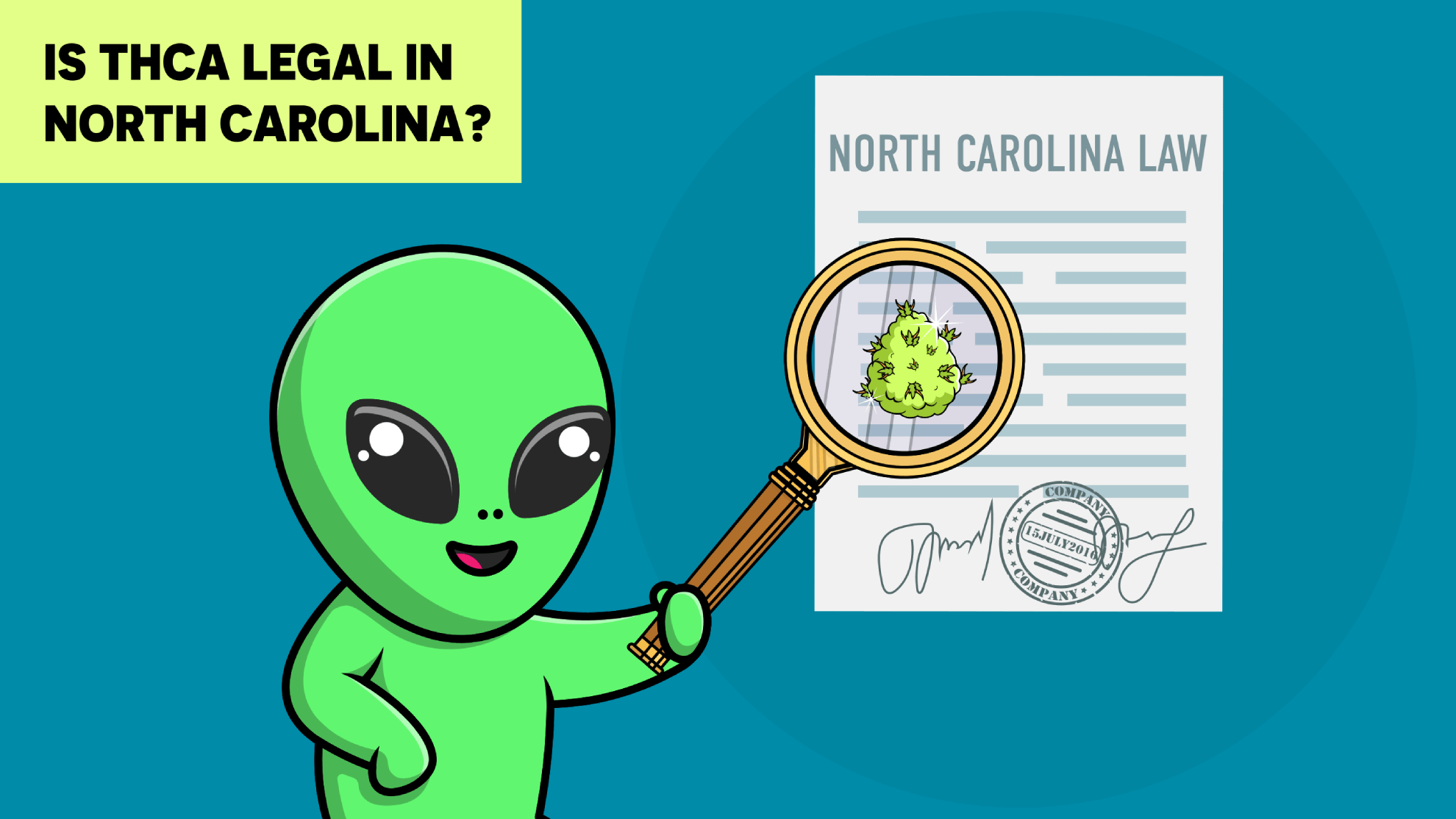
The legality of THCA (tetrahydrocannabinolic acid) is a common question in North Carolina, especially with its rising popularity in the hemp industry. While THCA is not explicitly restricted in North Carolina, the laws surrounding it can be confusing due to its potential to convert into psychoactive THC when heated. Let’s break down the current legal status of THCA in the state and how it fits within both state and federal laws.
A Short Introduction to THCA
THCA is a naturally occurring cannabinoid found in the raw cannabis plant. Unlike THC, which is psychoactive, THCA is non-psychoactive in its raw form. This makes it appealing for those seeking wellness benefits like stress relief or physical discomfort reduction without the “high” associated with cannabis.
Also Read: Is THCA Legal in Florida?
Also Read: Is THCA Legal in Georgia?
Also Read: Is THCA Legal in Texas?
Federal Legality and the 2018 Farm Bill:
The 2018 Farm Bill legalized hemp, defining it as cannabis with less than 0.3% Delta-9 THC. THCA, however, was not directly addressed in the legislation, which created a legal loophole for THCA-rich products. While these products can be sold as hemp-derived, there’s an important catch: THCA converts to THC when heated, and this conversion complicates their legality.
THCA in North Carolina
In North Carolina, the legal status of THCA follows federal guidelines, which allow hemp-derived products as long as they do not exceed 0.3% Delta-9 THC. As THCA is a precursor to THC, it remains in a legal gray area. Currently:
- THCA flower and products are available, as long as they meet the federal THC threshold.
- North Carolina law does not have a “Total THC” testing requirement (which considers THCA’s potential to convert to THC upon heating).
- Products must be hemp-derived and have COAs (Certificates of Analysis) proving compliance with the THC limit.
However, it’s crucial to stay updated on local and federal regulations as they change frequently.
The Science Behind THCA and THC Conversion
THCA itself does not produce any psychoactive effects unless it undergoes a process activated by heat (such as smoking, vaping, or cooking). When this happens, THCA converts into THC, which is the compound responsible for the typical “high.”
This conversion creates legal uncertainty, especially when products are marketed as hemp-derived THCA. While raw THCA is legal in states following the 2018 Farm Bill, once heated (in smoking or vaping), it becomes THC, and its legality could be questioned.
The Current Legal Landscape in North Carolina
While the 2018 Farm Bill allows THCA products derived from hemp, North Carolina’s laws remain vague about their use. Here’s what we know:
- THCA is not explicitly named in state law, so it falls under the same guidelines as hemp-derived products with less than 0.3% Delta-9 THC.
- Products must meet federal limits for THC content. Law enforcement often faces challenges in distinguishing between legal hemp products and illegal marijuana because of the similarity in appearance and smell.
Regulatory Changes Could Impact THCA’s Status
- Ongoing Changes: The hemp and cannabis industry is rapidly evolving. Legislative updates, including those from the FDA and DEA, may alter how THCA is regulated in the future. In 2023, Senate Bill 328 in North Carolina clarified that THCA flower is not banned, but more restrictions may emerge.
Why It’s Crucial to Understand THCA’s Legal Status in North Carolina
Navigating THCA’s legal landscape in North Carolina can be tricky. Understanding the nuances is essential because:
- THCA’s potential to convert to THC creates ambiguity, and it’s difficult to differentiate legal THCA from illegal marijuana.
- Law enforcement may not distinguish between legal THCA and illegal marijuana, leading to potential confusion and legal risk.
- Changes in laws at both the state and federal levels could impact whether THCA is viewed as a legal hemp product.
Staying informed is crucial, whether you are a consumer or a business dealing with THCA products. Here’s why:
- Regulatory Confusion: Misunderstanding THCA’s conversion to THC could unintentionally put you at legal risk, even if you’re trying to follow the law.
- Enforcement Variability: Law enforcement agencies may not have the tools to differentiate THCA products from marijuana, resulting in potential confusion or legal complications.
Key Takeaways
- THCA is currently legal in North Carolina, as long as it meets the federal guidelines of less than 0.3% Delta 9 THC.
- Consumers and businesses should be aware of ongoing regulatory changes in both state and federal law.
- Lab testing and COAs are critical to ensure that products are compliant with legal THC limits.
- THCA products are not universally legal in all states, so be mindful of both state and federal laws before purchasing or selling.
Frequently Asked Questions (FAQs)
Q1: Is THCA the same as THC?
No, THCA (tetrahydrocannabinolic acid) is the precursor to THC and is non-psychoactive in its raw form. THC becomes psychoactive when THCA is heated or decarboxylated.
Q2: Can I legally buy THCA products in North Carolina?
Yes, hemp-derived THCA products are legal in North Carolina as long as they meet the federal 0.3% Delta-9 THC limit.
Q3: Can I travel with THCA products in North Carolina?
As long as the product contains less than 0.3% Delta-9 THC and is hemp-derived, it should be legally transportable within North Carolina. However, check state laws if traveling out of state, as THCA’s legal status can vary.
Q4: Will THCA show up on a drug test?
Yes, if THCA is heated, it converts to THC, which will show up on a drug test. If you’re subject to drug testing, it’s important to be cautious with THCA products.
Q5: Are there restrictions on selling THCA in North Carolina?
While THCA flower is not banned, future regulatory changes may affect its sale, particularly in products that could convert to THC. Always check for updates in state law and ensure products are properly tested and labeled.
Q6: How should I verify the legality of THCA products in North Carolina?
Ensure that THCA products are labeled with a Certificate of Analysis (COA) confirming they meet the 0.3% Delta-9 THC limit. Stay informed about any updates in state or federal regulations to avoid legal risk.
Conclusion
THCA remains in a legal gray area in North Carolina, primarily due to its potential to convert to THC when heated. While hemp-derived THCA products with less than 0.3% Delta-9 THC are currently legal, the situation is subject to change. Always verify lab testing and stay informed about legislative developments to ensure that you’re purchasing legal products and avoiding any potential legal complications.