



Are Delta 8 Products Legal in Texas?
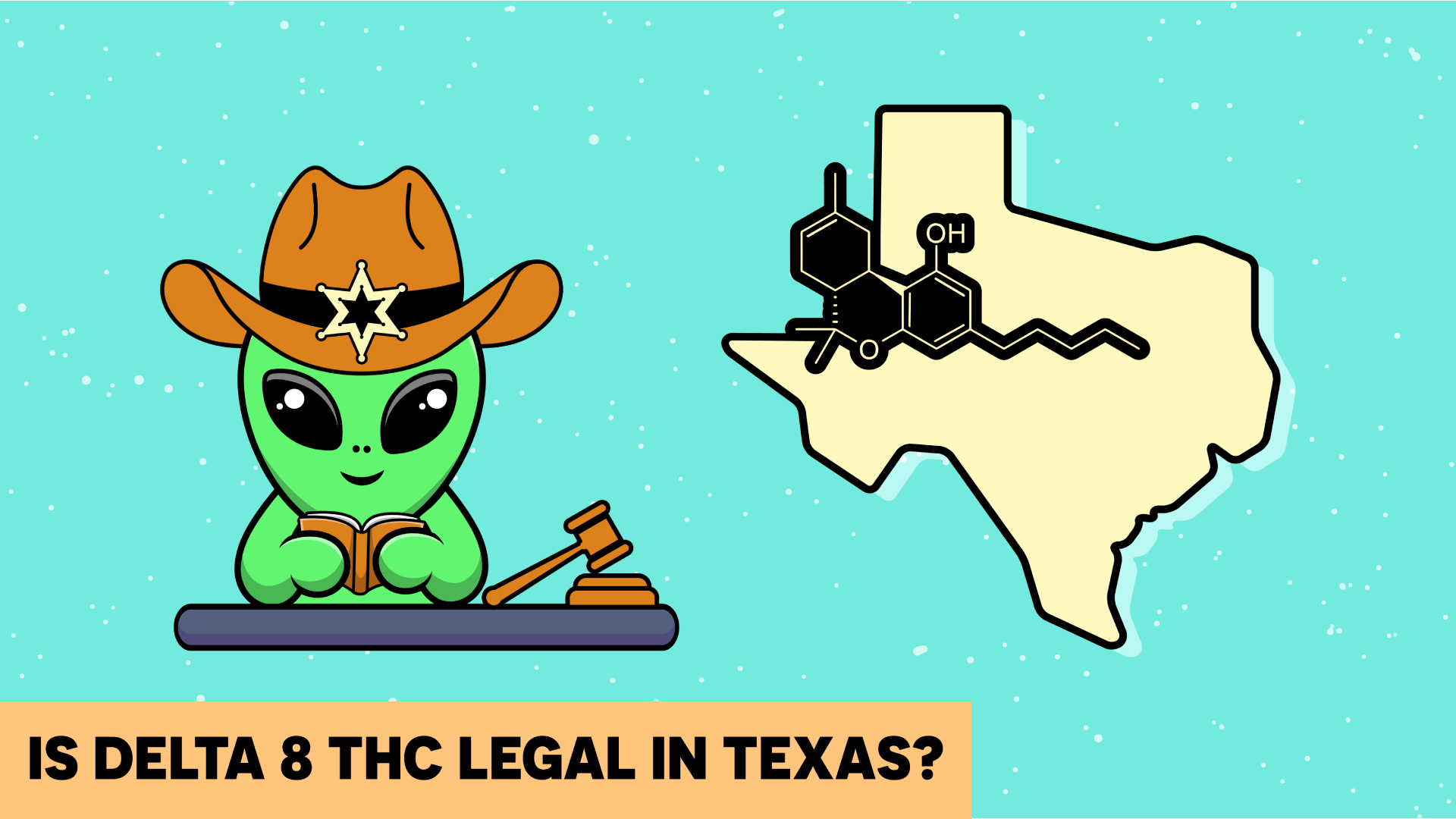
If you live in Texas, you’ve probably seen Delta 8 everywhere. Products like gummies, tinctures, and ads promising calm, relaxation, or a smoother THC experience. But then the obvious question hits: Is Delta 8 actually legal in Texas?
The answer is that Delta 8 is still available in Texas. But the legal situation is not simple. Texas allows hemp products that stay under 0.3% Delta-9 THC by dry weight, and Delta-8 is not expressly named in the hemp statute. But state regulators have tried to treat Delta 8 as illegal, and that effort is still tied up in court. Texas has also tightened rules on hemp sales, age verification, and smokable products.
So if you’re shopping for Delta 8 in Texas, the real question is not just “Can I buy it?” It’s also “Which products are still compliant, and how do I avoid buying something risky or non-compliant?”
Let’s break it down clearly.
Is Delta 8 Legal in Texas Right Now?
Sort of … but cautiously.
Texas law allows consumable hemp products as long as they contain no more than 0.3% Delta-9 THC. The Texas Department of Agriculture says House Bill 1325 authorized the production, manufacture, retail sale, and inspection of hemp crops and products in Texas, and the Texas Department of State Health Services says consumable hemp products cannot contain more than 0.3% Delta-9 THC.
At the same time, Texas health officials tried in 2021 to classify Delta 8 as a Schedule I controlled substance. Hemp retailers sued, and an injunction has kept that move from taking effect while the case continues. In January 2026, the Texas Supreme Court heard arguments in that dispute, so the issue is still unresolved.
That means Delta 8 has not been cleanly and permanently banned in Texas, but it also does not sit on perfectly settled legal ground. If you want the simplest summary, it is this:
Delta 8 remains available in Texas, but under an unsettled legal framework.
Why Texas Delta 8 Laws Feel So Confusing?
Because Texas has three different moving parts happening at once:
1. The federal hemp rule
The 2018 Farm Bill legalized hemp federally if it contains no more than 0.3% Delta-9 THC by dry weight. Texas largely mirrored that framework in House Bill 1325.
2. The Delta 8 court fight
Texas regulators attempted to classify Delta 8 as illegal, but retailers challenged that move, and the injunction remains in place while the case continues through the courts.
3. New state hemp restrictions
Texas now requires buyers of consumable hemp products to be 21 or older, with government-issued ID verification before purchase. DSHS also adopted updated hemp rules that became effective March 31, 2026, and those rules effectively ban smokable hemp products while keeping most edible hemp products on shelves under stricter rules.
So yes, the category still exists. But it is far more regulated than the “anything goes” version people sometimes assume.
What Delta 8 Products are Still Allowed in Texas?
This is where product form matters.
Texas DSHS says consumable hemp products are still allowed if they comply with state rules and stay under the Delta-9 THC limit. It also says the court ruling on smoking products does not affect consumable hemp products that are not used for smoking.
Generally safer bets under current Texas rules
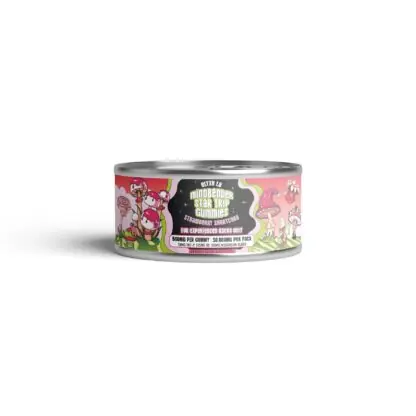
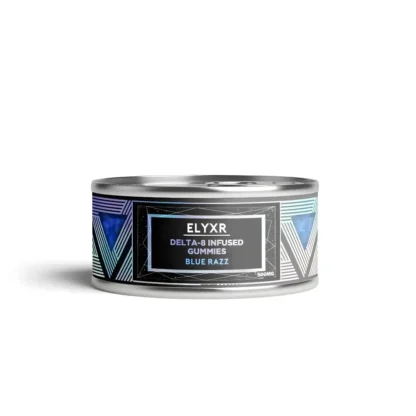
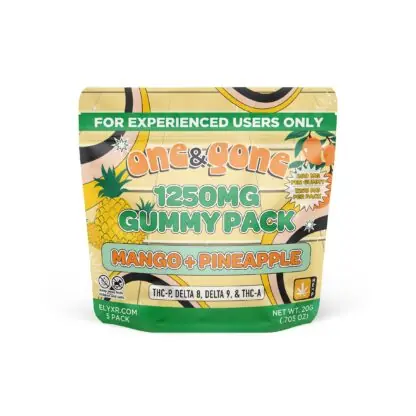
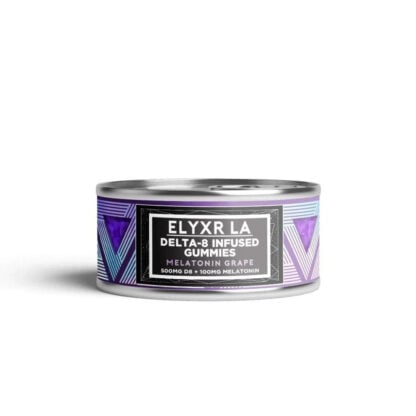
- Delta 8 gummies
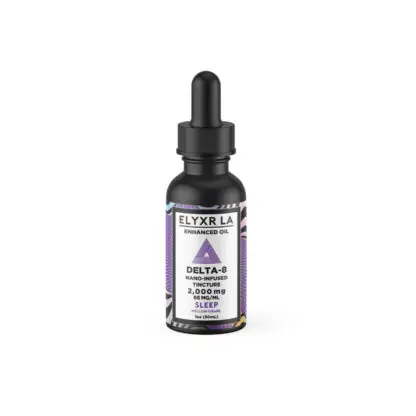
- Delta 8 tinctures
- Delta 8 capsules
- Other compliant non-smokable consumable hemp products
Higher-risk or restricted categories
- Smokable hemp products
- Products marketed for smoking
- Some extract/inhalable categories are affected by the new March 31, 2026, rules and total-THC testing changes
Think of it this way: in Texas right now, edibles are the easier lane. Smokable and inhalable products are where the legal friction is much heavier.
What Changed Recently in Texas?
A lot.
Texas DSHS says it adopted emergency rules in October 2025 to block sales of consumable hemp products to anyone under 21 and to require government-issued ID before purchase. Those violations can lead to license or registration problems for sellers.
DSHS also says adopted consumable hemp rules will be effective March 31, 2026. KUT/KERA reports that those rules effectively ban smokable hemp and impose stricter testing and packaging requirements, while most edible hemp products remain allowed.
That makes one thing very clear: Texas is regulating hemp more aggressively, not less.
How to Buy Delta 8 Products in Texas Safely?
If the market feels crowded, that’s because it is. Texas has thousands of registered hemp retail locations, which means you have options. But not all of them are equal. KUT reported more than 9,100 retail locations registered to sell consumable hemp products in Texas.
So how do you shop smart?
Look for a Certificate of Analysis (COA)
A trustworthy Delta 8 brand should make third-party lab results easy to find. You want proof that:
- The product is hemp-derived,
- The Delta-9 THC stays under the legal threshold, and the batch was screened for contaminants. Texas requires proper testing, packaging, and labeling for consumable hemp products.
Check the label carefully
A compliant product should clearly state:
- Cannabinoid content
- Ingredients
- Manufacturer details
- And batch or lot information.
If a product looks vague, sloppy, or oddly unprofessional, that’s a red flag.
Prefer non-smokable formats
Because Texas is cracking down harder on smokable hemp, gummies and tinctures are the more practical choice right now.
Only buy from transparent sellers
A reputable seller should not make you hunt for basic compliance details. If they cannot show test results, sourcing information, or clear labeling, that product is not worth the gamble.
A Simple Buyer Checklist for Texas Delta 8
Before you buy, ask:
- Is this hemp-derived?
- Does it contain less than 0.3% Delta-9 THC by dry weight?
- Is there a third-party COA?
- Is the product clearly labeled and batch-tested?
- Is it a non-smokable format?
- Am I buying from a seller that actually looks compliant with Texas hemp rules?
If the answer is “no” to any of those, that’s your sign to keep scrolling.
Final Thoughts
Delta 8 in Texas is one of those topics where the headline answer sounds simple, but the real-world answer takes more care.
Yes, Texas still allows hemp products that stay under the legal Delta-9 THC threshold, and Delta-8 products remain available. But the Delta 8 court fight is still active. Texas now requires buyers to be 21+, and the state’s newest hemp rules are tightening the market, especially for smokable products.
That means the smartest approach is not just asking whether Delta 8 exists in Texas. It’s asking whether the product in front of you is tested, transparent, compliant, and sold in a format Texas is still allowing comfortably.
If you keep that standard, shopping gets a lot simpler.
Frequently Asked Questions
Q. What is Delta 8 THC?
Delta 8 THC is a cannabinoid found in hemp and cannabis plants. It is intoxicating, but many users describe it as milder than Delta-9 THC. Texas’ legal debate has focused less on what Delta 8 is chemically and more on whether state agencies can treat it as a controlled substance.
Q. Is Delta 8 explicitly banned in Texas?
No clear statutory ban specifically naming Delta-8 is currently in effect. Texas regulators attempted to classify it as illegal in 2021, but that effort was blocked by an injunction while the case continues through the courts.
Q. Are there age restrictions for buying Delta 8 in Texas?
Yes. Texas DSHS says consumable hemp products cannot be sold to anyone under 21, and sellers must verify age using a valid government-issued ID before purchase.
Q. Are Delta 8 gummies legal in Texas?
They are generally the safer category under current Texas rules, as long as they are hemp-derived, properly labeled, properly tested, and stay under the legal 0.3% Delta-9 THC threshold. Most edible hemp products remain allowed under the new rules.
Q. Are Delta 8 vapes legal in Texas?
This is riskier. Texas’ newer rules, effective March 31, 2026, effectively ban smokable hemp and tighten how THC is measured, which makes inhalable categories much more complicated than standard edibles.
Q. Can you travel to Texas with Delta 8 products?
Travel raises separate legal and practical issues. Even if a product is hemp-derived and under the Delta-9 limit, you should keep it in its original packaging with lab documentation and be aware that state enforcement and product categories can differ. Given Texas’ evolving rules, caution is wise.
Q. Is there a difference in legality between Delta 8 and CBD in Texas?
Yes, in practice. CBD fits more comfortably inside the mainstream hemp framework, while Delta 8 has been the subject of direct regulatory and court disputes in Texas. That makes Delta 8 a higher-risk category legally, even when sold as hemp-derived.