



Does Sativa Give You Energy?
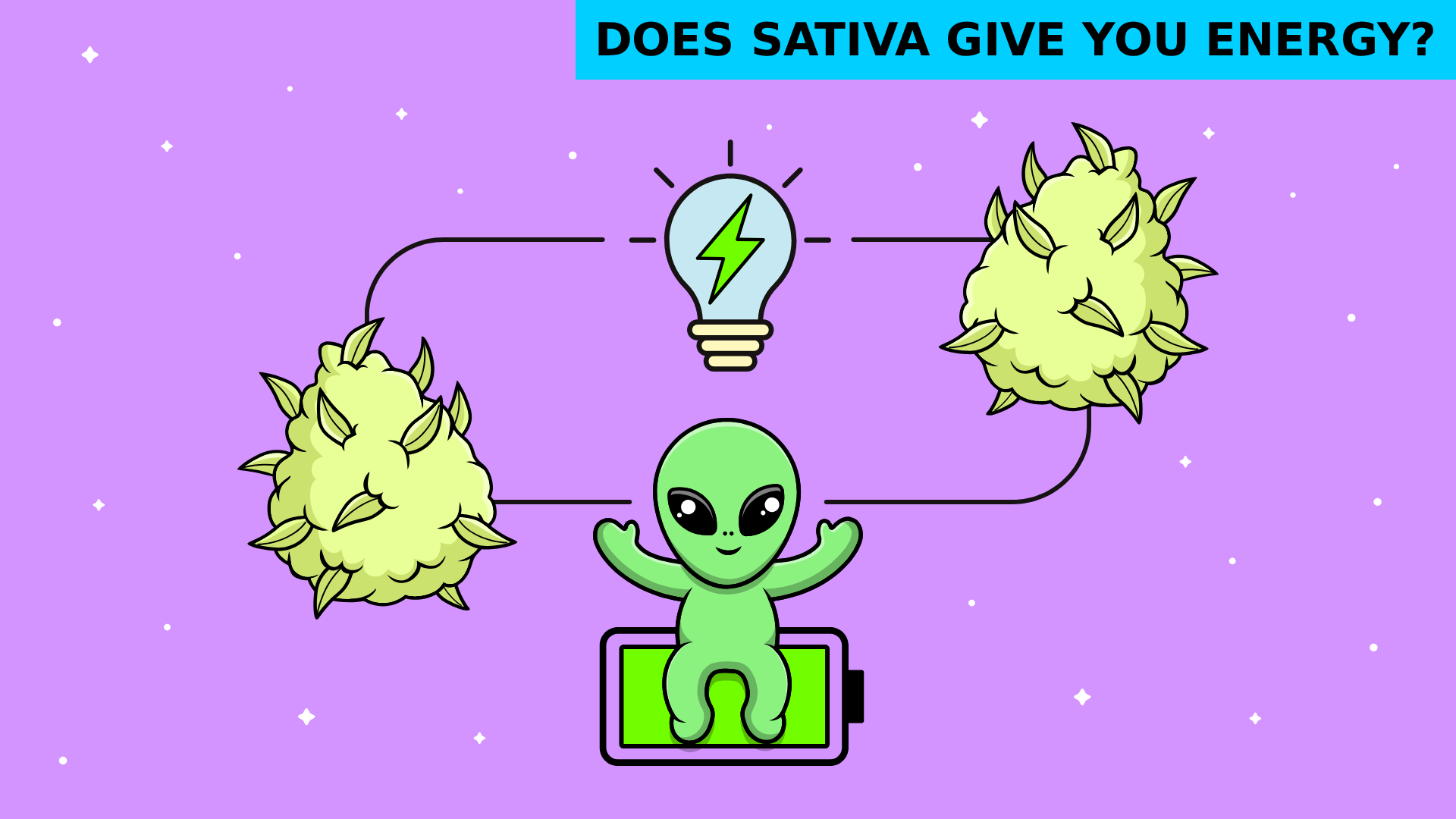
For years now, Sativa has been the go-to variant to increase alertness and productivity. Historical evidence shows that products of this variant were used for medicinal purposes. These included rheumatism, epilepsy, skin burns, pain, difficulties during childbirth, postpartum hemorrhage, and gastrointestinal activity.
Compared to its variants, sativa is what individuals seeking focus and energy choose to get through their tasks. However, most people today fear consuming such cannabis products. If you, too, are confused about the same, you are in the right place.
What is Sativa?
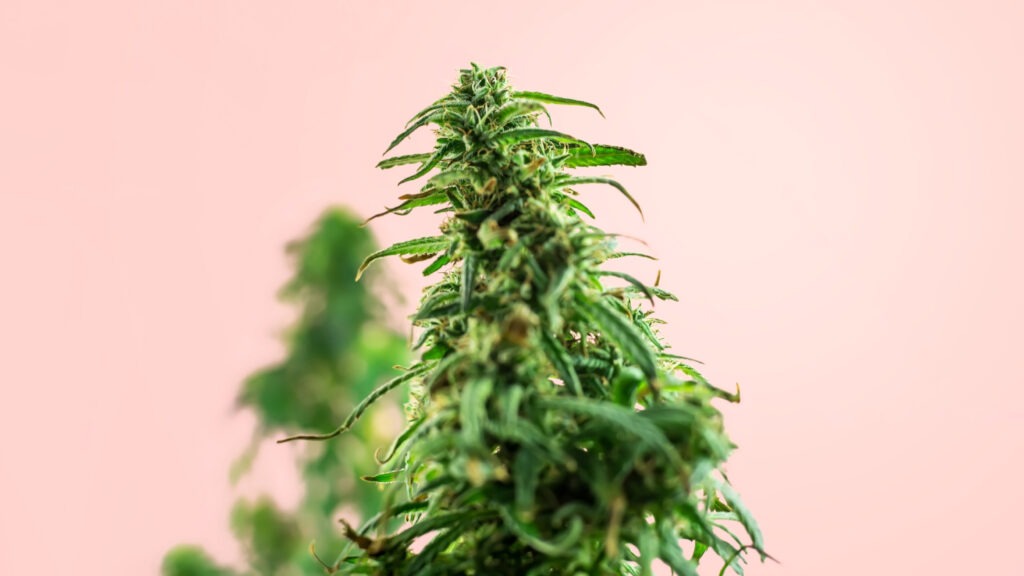
The full name of this plant species is Cannabis sativa. It is a subspecies of the cannabis family of plants, like Cannabis indica and Cannabis ruderalias. These subspecies are referred to as cannabis variants. They thrive in warm, sunny conditions, mostly found in Southeast Asia, Central America, and some parts of Africa.
According to historical evidence, Cannabis sativa species was primarily grown for both industrial and medicinal uses. The different plant parts have different uses, like the fibrous stem, which is used for hemp. While parts like the flower were used in traditional medicines and rituals. This is also the part that contains psychoactive compounds. Depending on the species of Cannabis, you will have different experiences.
The primary psychoactive compound of sativa is tetrahydrocannabinol (THC), while other compounds like cannabidiol (CBD) are found in lesser percentages. Another important and fragrant compound present in cannabis plants is terpenes. They are aromatic compounds responsible for that pungent smell and the physiological response when consumed.
What’s the Basic Difference Between Sativa and Indica?
The terms ‘Sativa’ and ‘Indica’ are used to describe two ends of a spectrum of experiences. While the first stimulates the mind, the other gives a more soothing effect.
Physical Differences: Sativa VS Indica
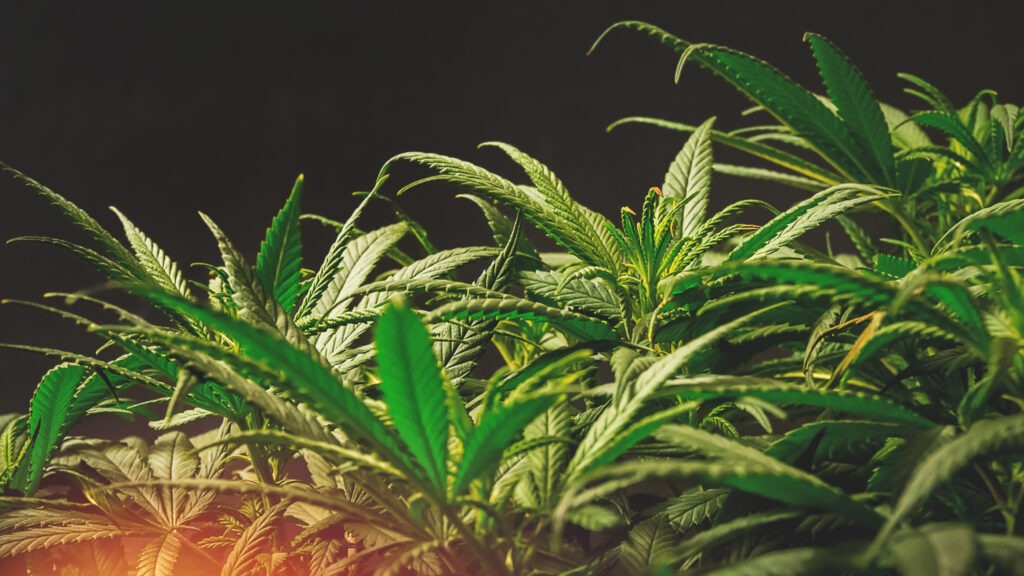
In physical form, it is easy to differentiate between the two. Sativa plants have a taller and slender stalk that can reach up to 12 feet in height. They have thinner leaves with longer flowering periods. They can thrive in warm and hot climates. This makes it ideal for outdoor cultivation and breeding.
On the other hand, Indica are bushier and shorter, with broad leaves and faster flowering periods. This makes them suitable for regions with cooler climates, like regions of Tibet and Afghanistan.
Difference in Chemical Composition and Effects
Cannabis sativa has high levels of THC and terpenes such as limonene, pinene, and terpinen-4-ol. These components are responsible for alertness, focus, and creativity. They are responsible for the ‘head high’ feeling experienced by consumers. This also causes mental stimulation and uplifts your mood.
Cannabis indica has a greater CBD content along with terpenes that have calming effects, like myrcene and linalool. These components in Indica are associated with stress relief, relaxation, and treating insomnia. They help you unwind, resulting in a ‘body high’ sense of state.
Hybrids
Years of cross-breeding and cultivation have led to a lesser distinction between the two species. The plants that were traditionally extremely distinct from one another have almost lost their distinguishing characteristics due to hybrids.
Today, most variants carry a mix of both genetic and chemical characteristics from Sativa and Indica. Due to this, these species have no guarantee of their respective effects. Sativa-dominant hybrids might give calming effects, while Indica-dominant hybrids will give a stimulating and relaxed sensation.
Related Blog: Sativa vs Indica vs Hybrid
What’s the Reason Behind Sativa’s Energizing Qualities?
The sativa variant is well known for its daytime use, social gatherings, and creative projects. This is due to its uplifting and stimulating effects on the brain. A special blend of cannabinoids and terpenes gives Sativa its energizing nature and influence on the brain.
Role of Cannabinoids
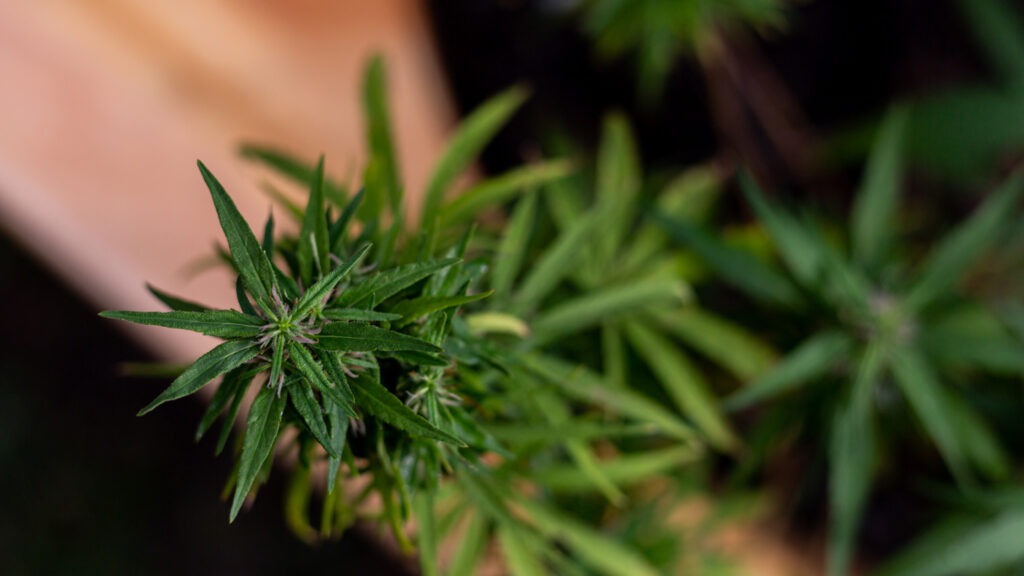
The THC levels in sativa variants are generally higher compared to indica variants. Being the primary psychoactive compound in this variant, it binds to the CB1 receptors in the brain, which triggers the release of the ‘happy hormone’, dopamine, by the neurotransmitters. This helps in enhancing positive feelings, increasing energy levels, focus, mood, and motivation. On the other hand, it has a lower CBD content. This means that the ‘sedative effect’ is less, so that you can retain alertness and engagement.
Role of Terpenes
Terpenes are the aromatic components of Sativa. They also play a unique role in determining the effects of the species on your brain. In this hybrid lot, the ‘sativa-dominant’ species have higher levels of limonene, pinene, and terpinolene. Each contributes differently to the effects of the plant.
Limonene: It increases good feelings, reduces stress levels, and gives a citrusy aroma that also helps to refresh the mind.
Pinene: It enhances the feeling of alertness and focus, which helps get rid of brain fog that is usually caused by THC.
Terpinolene: It helps uplift your mood, enhances creativity, and also has energizing effects.
Effects on the Brain
The stimulating effects of THC and terpenes encourage brain activities that support energization, creativity, and mental clarity. This is why Sativa is best suited for tasks that need focus, brainstorming, and concentration. Consumers often describe the experience as a surge of ideas, optimism, and energy.
How are the Effects Different from Indica?
The effects of the indica variant are opposite to those of the sativa variant. Indica promotes relaxation and calmness. This is due to the presence of certain terpenes —myrcene and linalool. These terpenes have contrasting effects to those in the sativa variant, making it suitable for use at night.
Effect of Sativa on the Brain and the Body
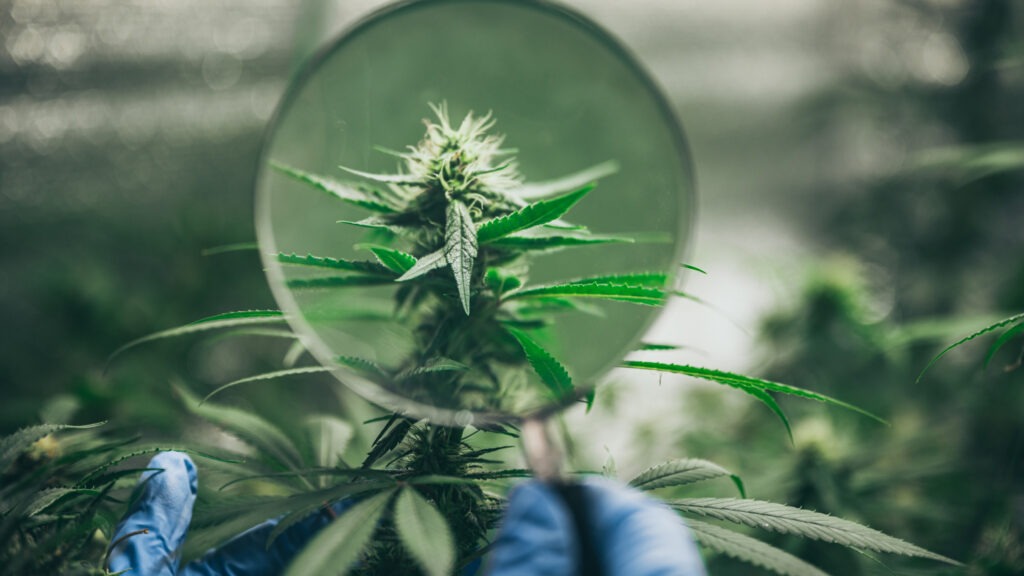
Although Sativa is known for its energizing qualities, some global users have reported feeling sleepy after consuming the plant products. Multiple biological and environmental factors could be at play in influencing the body in such a manner.
Individual Body Effects
Depending on your biology, your body will respond differently. Our endocannabinoid systems work differently for each of us. The ECS is made up of a complex system of receptors that are responsible for the regulation of sleep, cognition, and energy. It has been observed in some consumers that when initially consumed, THC is metabolized in a way that gives alertness, but in later cases, fatigue. It feels the same as having a ‘caffeine crash’.
Tolerance Levels and Dosage
Your level of consumption, that is, the dosage, also matters. Each individual has a different tolerance level to the same dosage. In some cases, larger doses could lead to overstimulation, while small doses could provide the right amount of vitality and energy. Consumers who have low tolerance or consume frequently might notice an energy dip after the initial effects.
Consumption Time
It is recommended to consume Sativa during the day so that the effects do not conflict with your natural circadian rhythm. If consumed at a later time, you might experience an odd mix of alertness and fatigue.
Researchers’ Thoughts: Sativa Gives Energy?
The sativa variant is well known for its uplifting and vitality effects on the human body. It is generally used for tasks that need creativity, intense brainstorming, focus, and energy. However, researchers have reported that it must be used with conditions and for tasks that demand a lot of energy. Let’s dive into some of these conditions.
Morning Consumption
Using Sativa to start your day with an energetic note is a good choice. Have a creative project that has to meet the deadline? Consuming a small amount could provide you with the right amount of energy and could also help with clearing brain fog. It is a good alternative if you are looking for a way to energize yourself and clear your mind without those ‘caffeine jitters’.
Consumption During Creative Activities
Feeling stuck in the line of creative work could be frustrating at times. Consumers like artists, writers, and musicians are often seen using Sativa to get rid of that block in their head, which encourages a flow of imagination and creativity.
Outdoor Activities
Before heading out for their daily activities, hikers, cyclists, and nature enthusiasts consume a small amount of Sativa to give them an energetic and uplifting start. This pairs well with the intense movements and sunlight and helps enhance sensory experiences.
Sativa VS Caffeine
While both Coffee and Sativa are known for their stimulating effects, they work in completely different ways and have different results depending on the consumer’s body. Here, we have discussed certain differentiating points between Caffeine and Sativa.
Effects on the Body
Caffeine: It blocks the chemical responsible for making you feel tired, known as adenosine receptors. It reduces fatigue and increases alertness, but can lead you to experience the typical caffeine crash once it wears off.
Sativa: On the other hand, the THC present in Sativa binds to the CB1 receptors, stimulating dopamine and serotonin release. It improves focus, mood, and creativity, along with boosting energy. It does spike your heart rate or give me any jitters.
Difference in Quality of Energy
Caffeine: Although it produces a physical alertness, it also comes with side effects such as anxiety, restlessness, and dehydration.
Sativa: While Sativa brings mental awareness that makes you feel more euphoric and creative. It encourages brainstorming, productivity, and sociability, without the feeling of being overstimulated.
How Long Does it Last?
Caffeine: The general duration for caffeine is up to 2- 4 hours, if taken in normal amounts. Too much intake could lead to health risks. After its peak duration, consumers might feel a dip in energy or become irritable.
Sativa: The effects of Sativa might last 2-6 hours, with a gradual decline in sensory enhancement. Certain variants are said to enhance alertness for an extended period of time when taken in controlled and small doses.
Impact on Health
Caffeine: Consuming too much caffeine can lead to sleep disruption, dependency, or an elevated heart rate. Consumers having problems with high blood pressure should refrain from consuming caffeine daily. Overdoses could be lethal or could lead to anxiety and digestive discomfort.
Sativa: When consumed in the right dosage, it can enhance creativity, alertness, and reduce brain fog. However, overconsumption and high doses are not recommended, as they could lead to short-term fatigue.
Best Time to Use
Caffeine: Consumers in need of a quick energy boost can consume caffeine in the early morning. This provides maximum benefits, but will also result in jitters once the effect wears off.
Sativa: It should not be consumed daily, but only for purposes that demand creativity and long working projects. It helps you stay active and focused without experiencing any crash.
Conclusion
So, coming to the claim whether Sativa provides energy, the answer is it does, but depending on the variables. Taking the right dose at the right time of the day is necessary to have maximum benefits. It is a good choice for creative projects, social gatherings, and productive work sessions. The unique and distinct terpene profile and the well-balanced THC to CBD ratio are the perfect blend to serve the purpose.
To experience the best of Sativa, purchase your products from trusted brands like Elyxr. This will allow you to maximize benefits without worrying about the source and quality of the product. Elyxr provides a potent and safe range of products that will help you stay focused, inspired, and creative.
Frequently Asked Questions
Q. Will Sativa help me feel energized?
Yes, Sativa will help you feel energized when taken in the right dosage. It is recommended that you consume it in a controlled manner, depending on how much your body can tolerate.
Q. How is Sativa better than caffeine?
Sativa is better than caffeine in many ways. The benefit that stands out is that you don’t feel fatigue or a ‘crash’ after the effects wear off. Whereas in the case of caffeine, you will experience jitters and restlessness over a period of time. Also, the effects of Sativa last longer compared to caffeine.
Q. Will Sativa make me feel sleepy?
Again, the effects of Sativa are also dependent on the way your body metabolizes the THC and terpenes. Generally, Sativa makes you feel energized or focused, but if taken in large amounts and more frequently than needed, it could lead to fatigue.