




What is Kratom’s Shelf Life? How to Tell if Your Kratom Has Gone Bad?
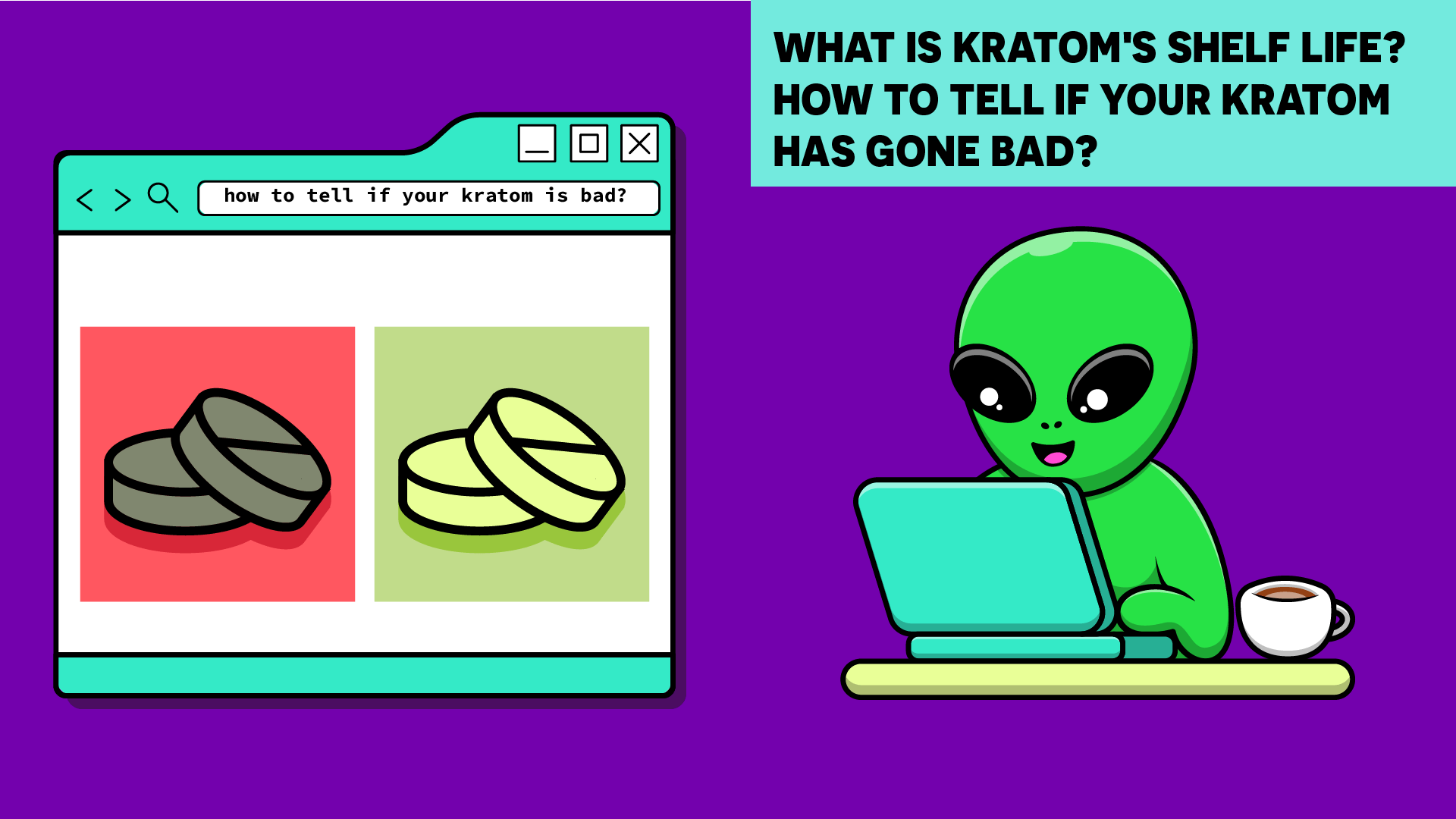
We’ve all been there. Cleaning out a drawer, finding a half-used bag of kratom, and thinking about whether to take it or not. Unlike spoiled milk or moldy bread, kratom doesn’t exactly show its expiry date, which makes it a little tricky to tell if it’s still safe or effective.
That’s why knowing kratom’s shelf life is so crucial. Especially when you’re relying on it for focus, pain relief, or just a better kind of morning, over time, kratom can lose its potency, degrade in quality, or even grow mold if stored poorly. However, with the right conditions, your kratom can stay fresh and effective for a long duration.
We’ve dealt with kratom long enough to understand the difference between fresh and faded. In this guide, we’re breaking down how long kratom really lasts, what affects its shelf life, and how to store it so you never have to guess what’s in your stash.
How Long Does Kratom Last?
Kratom is still a plant. And like anything botanical, its potency can fade if not treated properly.
Generally speaking, kratom can last anywhere from a few months to up to two years, depending on how it’s stored and the form it’s in. If you keep it in a hot kitchen cupboard or let it sit open on your desk, it’ll degrade fast, sometimes within weeks. However, when stored well, the alkaloids inside (like mitragynine and 7-hydroxymitragynine) can stay stable and effective for much longer.
Some sources suggest a 1–2 year shelf life is possible under ideal conditions, and its ingredients. We’ve seen similar results with our products, especially when the packaging is airtight and protected from light and heat. Still, we always encourage using kratom within six to twelve months for the best experience.
Different forms of kratom age differently. Here’s a quick breakdown:
- Raw Leaves – These degrade rapidly after harvest. Fresh leaves generally stay good for 1 to 3 months, especially if stored in cooler temperatures (around 15°C). Without preservation, they’ll lose potency fast.
- Kratom Powder – Powdered kratom tends to last 3 to 6 months on average. Some well-sealed batches may last up to a year or more with careful storage.
- Kratom Capsules – Capsules offer an extra layer of protection with ingredients and can often extend the shelf life to around two years, assuming they’re stored in a dry, cool place. However, capsules can break down if exposed to moisture, heat, and oxygen.
- Extracts, Shots, and Tinctures – These are more sensitive. Unopened kratom shots can last up to two years. In contrast, alcohol-based tinctures can last even longer due to their preservative content. Once opened, it’s best to use them within a few days or weeks.
- Kratom Gummies or Edibles – Refrigeration is often necessary, and shelf life can depend wildly on the ingredients blended along with kratom. Always check the label and follow storage instructions.
Kratom doesn’t have an expiration date stamped by nature, but if you store it away from heat, light, moisture, and air, you can keep its effects consistent for months, maybe even years. That’s why our packaging and small-batch production are designed to help every gram go the distance.
What Affects Kratom’s Shelf Life?
Kratom doesn’t come with an eternal freshness guarantee because it’s a natural plant product. And just like tea leaves or herbs, it reacts to the world around it. If you want your kratom to stay fresh and potent for as long as possible, you’ve got to know what makes it last and what causes it to fade.
Light Exposure (Especially UV Light)
Kratom’s most important alkaloids – mitragynine and 7-hydroxymitragynine, are light-sensitive. Prolonged exposure to direct sunlight or even bright indoor lights can cause chemical degradation, reduce potency, and change color.
7-hydroxymitragynine, in particular, breaks down significantly at 104°F (40°C), while mitragynine becomes unstable in acidic conditions at 140–176°F (60–80°C). If light and heat are teaming up against your kratom, it’s going to lose the very things that make it effective. Elyxr’s packaging is intentionally opaque and protective for exactly this reason.
Air Exposure (Oxygen)
Oxygen triggers oxidation, a slow chemical reaction that breaks down alkaloids and causes your kratom to lose color, aroma, and strength. The more often you expose your stash to air, the faster this happens. Airtight jars or vacuum-sealed bags are ideal. We always seal our products to keep oxidation to an absolute minimum.
Moisture & Humidity
Moisture is one of the fastest ways to ruin kratom. Even small amounts can lead to clumping or, worse, mold and bacterial growth. High humidity (anything over 50%) is risky, especially if you’re storing it in bathrooms or kitchens. Moist kratom is unsafe. No exceptions. If it smells funky or feels damp, toss it. Keep your kratom in a dry spot, closets or drawers are better than countertops or fridges.
Temperature Stability
Heat speeds up chemical degradation, and sudden shifts in temperature can cause condensation inside your container. Ideal storage temps hover around 50–70°F (15–20°C), cool but not cold. Avoid stashing it somewhere that gets warm during the day (like near a window or in your car) or fluctuates often.
Source Material Quality & Processing
Better kratom lasts longer. High-quality, well-dried, and cleanly processed kratom from reputable sources is less prone to early spoilage. If the product is rushed or poorly handled at any stage, its shelf life drops fast. That’s why we work with suppliers who get this right from the start. Shelf life begins before you even open the bag.
Opening Frequency
Every time you open your kratom container, you’re reintroducing air, moisture, and possible contaminants. Over time, this can add up and shorten the product’s lifespan. If you’re using kratom daily, consider splitting up your stash, use smaller jars for regular use, and leave the main supply sealed and untouched.
Strain & Vein Color
Some anecdotal evidence suggests that red vein kratom is more chemically stable over time than green or white. While all strains benefit from proper storage, reds may give you a slightly longer shelf life.
Age of Kratom
No matter how well you store it, kratom is still organic. With enough time, it will degrade. Older batches may lose aroma, develop a bitter aftertaste, or turn darker in color. If it smells off or the effects feel weaker, it’s probably time to let it go.
How to Tell If Your Kratom has Gone Bad?
Even the best-stored kratom has an expiration date. And while it won’t suddenly turn into poison the day after, however, it can become ineffective, unpleasant, or, in worst cases, unsafe. That’s why learn to spot the signs before you consume your next dose.
Faded or off-color
Kratom should have a rich, vibrant shade that varies depending on the strain. Deep greens for Green Maeng Da, earthy tones for Red Bali, or silvery brightness for White Vein varieties. But if your kratom’s color shifts into the gray zone or starts looking dull, brown, yellowish, or pale, it’s a red flag. This usually means oxidation has entered, breaking down the alkaloids and reducing potency.
Weird or flat smell
Fresh kratom smells like nature, earthy, herbal, and slightly musky. But once that scent fades or turns sour, musty, or chemically off, it’s time to let it go. A lack of aroma means those active compounds are no longer doing their job. A funky smell could also point to contamination or mold, especially if it’s paired with clumps or odd textures.
Strange taste or aftertaste
Kratom is bitter; we’re not sugar-coating that. But if it suddenly tastes more harsh, stale, or off in a way that makes you scrunch your face even more than usual, that’s not a good sign.
Texture that’s offbeat
Good kratom powder is soft, fine, and smooth. It shouldn’t feel sticky or gritty, and it definitely shouldn’t be forming wet clumps. Clumps caused by a little moisture might seem harmless, but over time, they’re a mold risk. If it sticks to your fingers or feels lumpy, it might be compromised.
Effects are just not there
This is usually the first red flag regular users notice. If your dose suddenly feels weak or doesn’t last as long, even if you’ve upped the amount, it might not be you. It’s your kratom. Degraded alkaloids mean diminished effects. Once the mitragynine and 7-hydroxymitragynine start to break down, you’ll feel the difference.
Visible mold or anything suspicious
If you spot fuzzy spots, greenish-white growth, or anything resembling mold, don’t even think about consuming it. Mold spores spread invisibly, so if there’s some on the surface, they’ve likely contaminated the entire batch. Moldy kratom is dangerous; throw it away, no exceptions. Also, watch out for foreign particles, weird residue, or anything that looks like it doesn’t belong.
Kratom won’t suddenly go bad overnight, but if your product smells weird, looks dull, feels clumpy, or doesn’t work anymore, listen to your gut. Expired kratom might be ineffective, but contaminated kratom is a health risk.
Best Practices for Storing Kratom
Proper storage is everything if you want your stash to stay fresh, potent, and safe for the long haul. We take this seriously, not just because we store in bulk but because we want every scoop you take to feel like the first. Here’s how to keep your kratom in peak condition, no matter what form you’re using.
- Store kratom in dark, opaque containers to protect it from light and UV damage.
- Keep it in a cool, dry place with temperatures between 50–70°F (15–20°C).
- Avoid storing kratom in humid rooms like bathrooms or near kitchen stoves.
- Use airtight containers like glass jars, vacuum-sealed bags, or Mylar pouches.
- Add silica gel or desiccant packs to help absorb excess moisture inside containers.
- Don’t refrigerate or freeze kratom powder or capsules due to condensation risks.
- Only refrigerate brewed kratom tea or liquids, and freeze if stored long-term.
- Portion bulk kratom into smaller containers to avoid constant air exposure.
- Always use clean, dry tools to scoop kratom and keep moisture out.
- Never mix fresh kratom with older batches to prevent contamination.
- Label containers with strain name and purchase date for easy tracking.
- Source kratom from trusted, lab-tested suppliers with GMP-compliant practices.
Where can I get fresh Kratom?
Freshness isn’t just about how recently your kratom was harvested; it’s about how well it’s been cared for since. With time, light, air, and moisture, even the best batches can start to lose their edge. That’s why how you store it matters just as much as where you get it from.
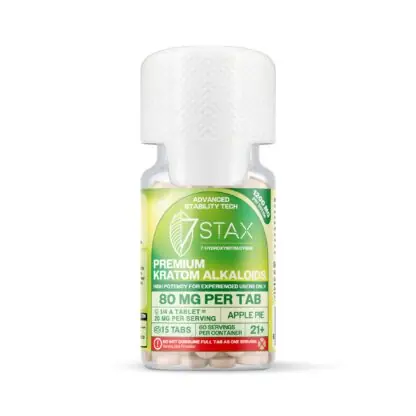
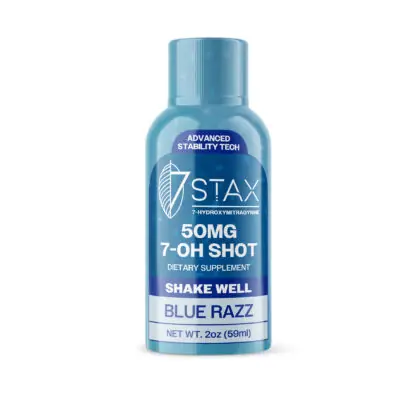
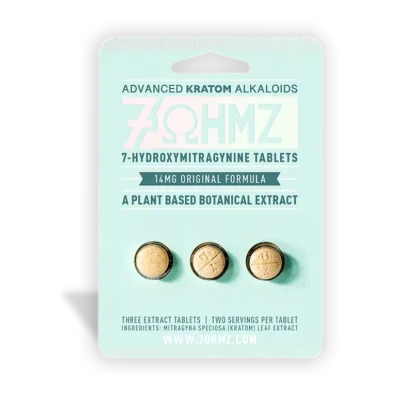
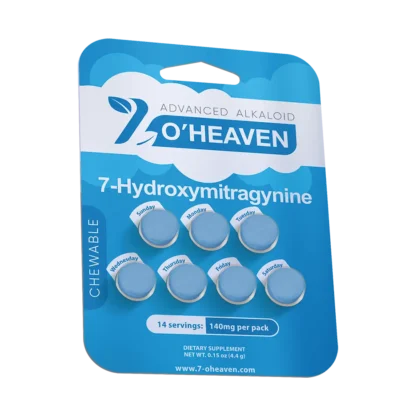
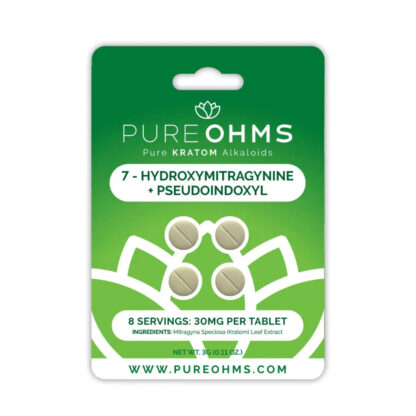
We’ve seen how proper packaging, smart habits, and even choosing more stable formats can make all the difference. Powder tends to be more sensitive, while tablets or sealed liquid shots naturally hold up better over time. It’s one of the reasons we leaned into formats like 7-OH tablets and 7-OH shots; they’re just easier to keep fresh, no matter where they land in your drawer, backpack, or cabinet.
It’s about keeping the experience consistent. That smooth onset, that familiar feeling, it all starts with quality and ends with how you take care of it. And if you’re looking for exactly that, you know where to find us.