




Cannabis Gummies 101: Types, Effects and How to Choose
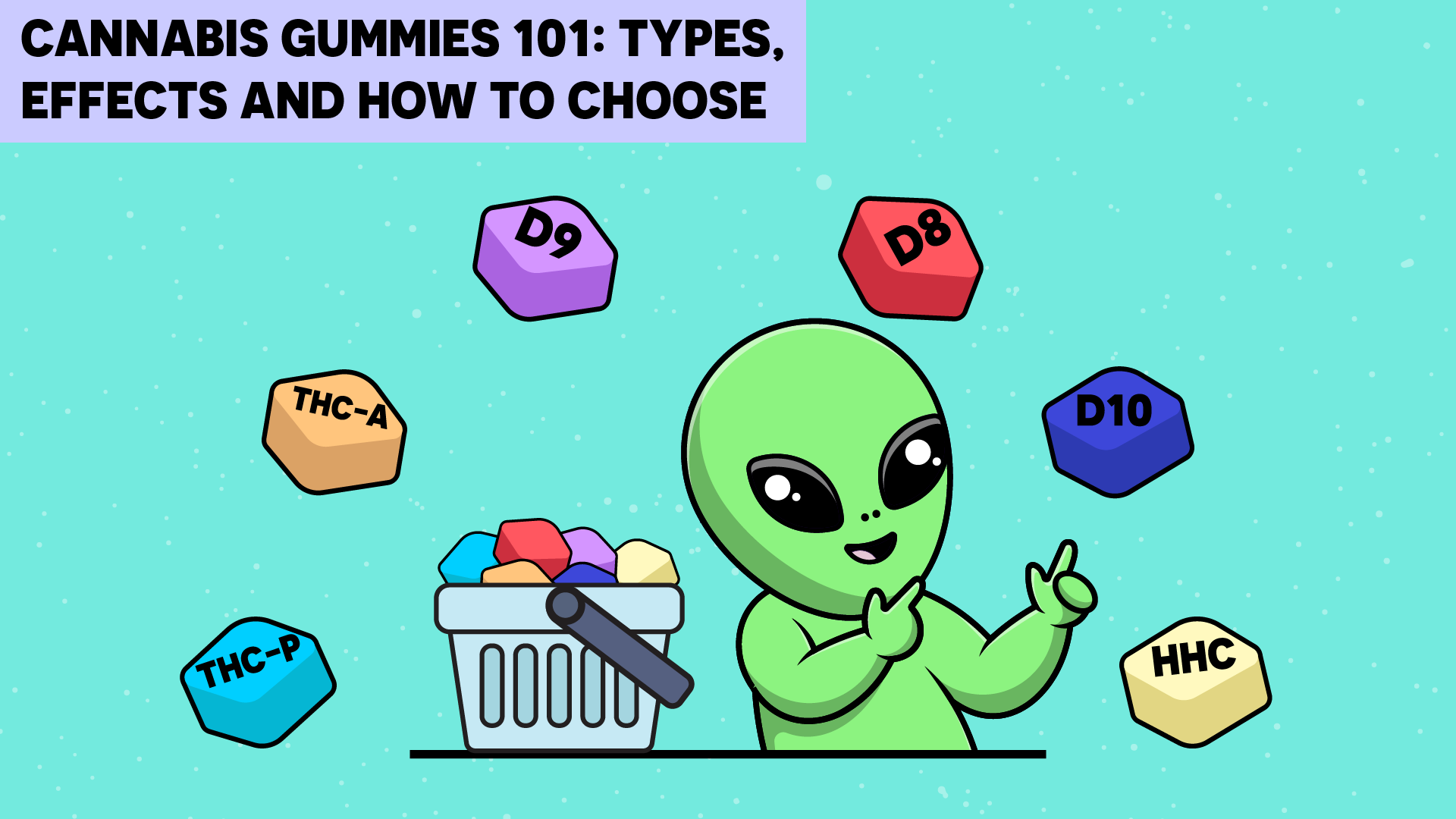
“Cannabis gummies” used to mean one thing. Now it’s an umbrella term covering at least six commercially available cannabinoids, each with its own chemical structure, potency, legal standing, and effects profile. If you’ve stood in front of a shelf or scrolled through an online store trying to figure out the actual difference between Delta-9, Delta-8, THCA, HHC, and THC-P gummies, this is the breakdown that should actually clear it up, including the major legal shift reshaping this entire category heading into December 2026.
The Basic Chemistry Behind the Differences
Most of the cannabinoids in this conversation are structurally very similar, differing by the position of a single double bond in their molecular structure. Delta-9 THC has that bond at the ninth carbon atom, Delta-8 at the eighth, and Delta-10 at the tenth. This might sound like a minor technicality, but that positional difference significantly changes how strongly each compound binds to CB1 receptors in your brain and body, which is the primary factor determining the intensity and character of the effects you feel.
Delta-9 THC: The Original and Most Studied
Delta-9 is the cannabinoid most people mean when they say “THC” without qualification. It produces the classic, full-strength cannabis high, and it’s the most extensively studied of any cannabinoid on this list by a wide margin. Hemp-derived Delta-9 products, formulated to stay within the legal 0.3 percent threshold that has defined legal hemp for years, are what most standard THC gummies on the market have been built around.
Delta-8 THC: The Milder, More Relaxed Option
Delta-8 is generally described as producing a calmer, more relaxed high with reduced intensity compared to Delta-9, roughly estimated at about half the potency. It became popular specifically as a milder alternative for users who found Delta-9 too intense or who wanted something with less risk of overwhelming anxiety at higher doses.
Delta-10 THC: Similar to Delta-8, Different Character
Delta-10 sits in a similar potency range to Delta-8 but is commonly described as producing a somewhat different character of effect, often described as milder and more uplifting compared to Delta-9’s more classic, heavier high.
THCA: The Raw, Unconverted Form
THCA is technically the raw, acidic form of THC as it exists in the fresh cannabis plant before any heat is applied. In its unheated, raw form, THCA does not produce intoxicating effects. It’s only when exposed to heat, through smoking, vaping, or baking, that it converts into Delta-9 THC through a process called decarboxylation, at which point it produces effects essentially identical to standard THC.
This conversion process is exactly why THCA gummies function as intoxicating products despite technically containing “non-intoxicating” THCA on the label, since your body’s own metabolic processes and any heat involved in manufacturing cause at least partial conversion.
HHC: A Hydrogenated Cousin of THC
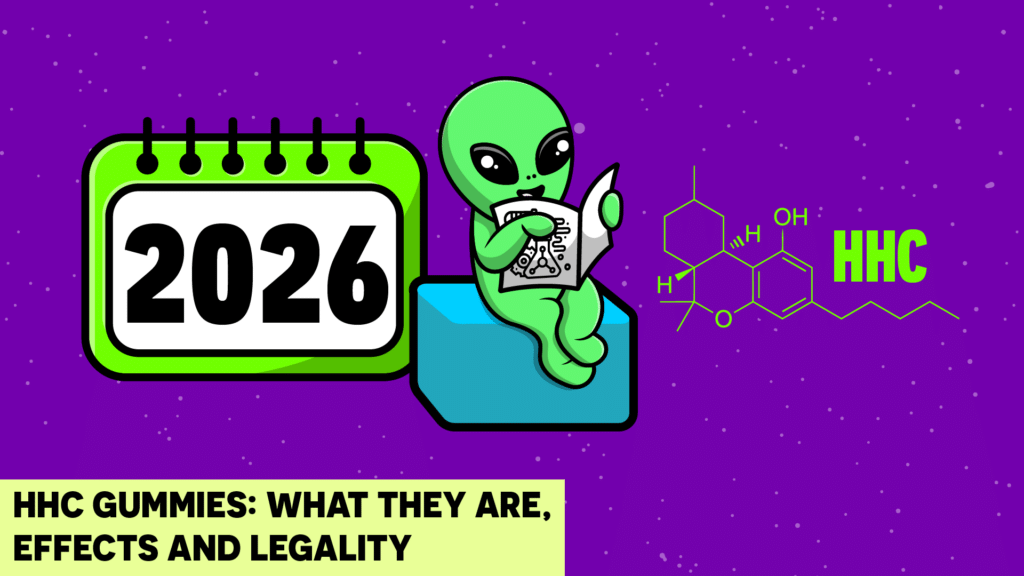
HHC is created by adding hydrogen atoms to THC’s molecular structure, producing effects historically described as somewhere between Delta-8 and Delta-9 in intensity. Importantly, HHC’s legal status has changed dramatically as of 2026, with the DEA specifically listing it under Schedule I and separate hemp legislation cutting off its hemp status entirely. This is covered in far more detail in a dedicated article on HHC specifically, but the short version is that HHC is no longer a stable, straightforward legal option the way it was in past years.
THC-P: The Potency Outlier
THC-P stands apart from the rest of this list specifically because of its potency. Structural differences allow it to bind to CB1 receptors far more strongly than Delta-9, with estimates suggesting it’s roughly thirty times more active, meaning a couple of milligrams can produce effects comparable to twenty-five or more milligrams of standard Delta-9. Like HHC, THC-P is facing its own significant legal changes as part of the 2026 hemp redefinition, discussed in detail elsewhere.
The Regulatory Shift Affecting This Entire Category
This is the section that makes 2026 a genuinely different moment for cannabis gummies than any prior year. Federal legislation enacted in late 2025 redefined legal hemp in two major ways: first, by folding THCA into the total THC calculation rather than treating it separately, and second, by excluding any cannabinoid that’s synthesized or manufactured outside the plant, even ones that occur naturally in trace amounts, which directly targets Delta-8, Delta-10, HHC, THC-O, and THC-P as they’re typically produced today.
Cannabinoids caught by that second provision lose hemp status on November 12, 2026. The broader hemp product category, including standard Delta-9 gummies, falls under a total THC cap of 0.4 milligrams per container, with compliance required by December 11, 2026. Both of these dates apply well before the end of 2026, meaning the cannabis gummy landscape described in this article is actively and rapidly changing as you’re reading it.
How to Actually Choose, Given All of This
With that regulatory backdrop in mind, a few practical principles hold up regardless of which specific cannabinoid you’re considering. Naturally occurring, directly extracted cannabinoids, Delta-9 THC specifically, sit on considerably more stable legal ground than conversion-produced cannabinoids like Delta-8, HHC, and THC-P, which are facing an imminent federal deadline. THCA, while historically popular partly because of a perceived loophole around the old Delta-9-only threshold, is now folded into the same total THC calculation as everything else, closing that particular gap.
Beyond the legal considerations, matching potency to your actual tolerance matters more than chasing the highest number on a label, and checking for genuine, batch-specific lab testing remains the single most reliable way to confirm what you’re actually buying matches what the label claims, across every cannabinoid type discussed here.
A Few Common Questions
Q. Which cannabinoid is closest to what dispensary marijuana products contain?
Delta-9 THC is the cannabinoid found in traditional marijuana as well as hemp-derived products, making it the most directly comparable in terms of effects to what’s available through state-licensed marijuana dispensaries.
Q. Are all of these cannabinoids affected equally by the 2026 hemp law changes?
No. Conversion-produced cannabinoids like HHC, THC-P, Delta-8, and Delta-10 face the earlier November 12, 2026 deadline specifically, while naturally extracted cannabinoids like Delta-9 fall under the broader December 11, 2026 total-THC cap instead.
Q. Is THCA still worth considering given the regulatory changes?
THCA’s previous appeal was partly built around a loophole that’s now closed under the new total-THC definition, so it’s worth understanding that its regulatory position has shifted meaningfully compared to how it was marketed in past years.
Q. What should I look for if I want the most legally stable option right now?
Hemp-derived Delta-9 products, formulated within the existing legal thresholds and produced through direct extraction rather than chemical conversion, currently represent the most legally stable category discussed here, though even this category faces the December 2026 total-THC cap.
The Takeaway
The cannabis gummy category has expanded well past a single product type, and each cannabinoid, Delta-9, Delta-8, Delta-10, THCA, HHC, and THC-P, comes with its own potency, effects profile, and, as of 2026, a genuinely different legal trajectory. Understanding those differences, rather than treating every gummy on the shelf as interchangeable, is the actual foundation for choosing something that matches both what you’re looking for and the legal reality this entire category is moving through right now.