




Can You Buy Delta 8 in Georgia? Here’s the Legal Rundown
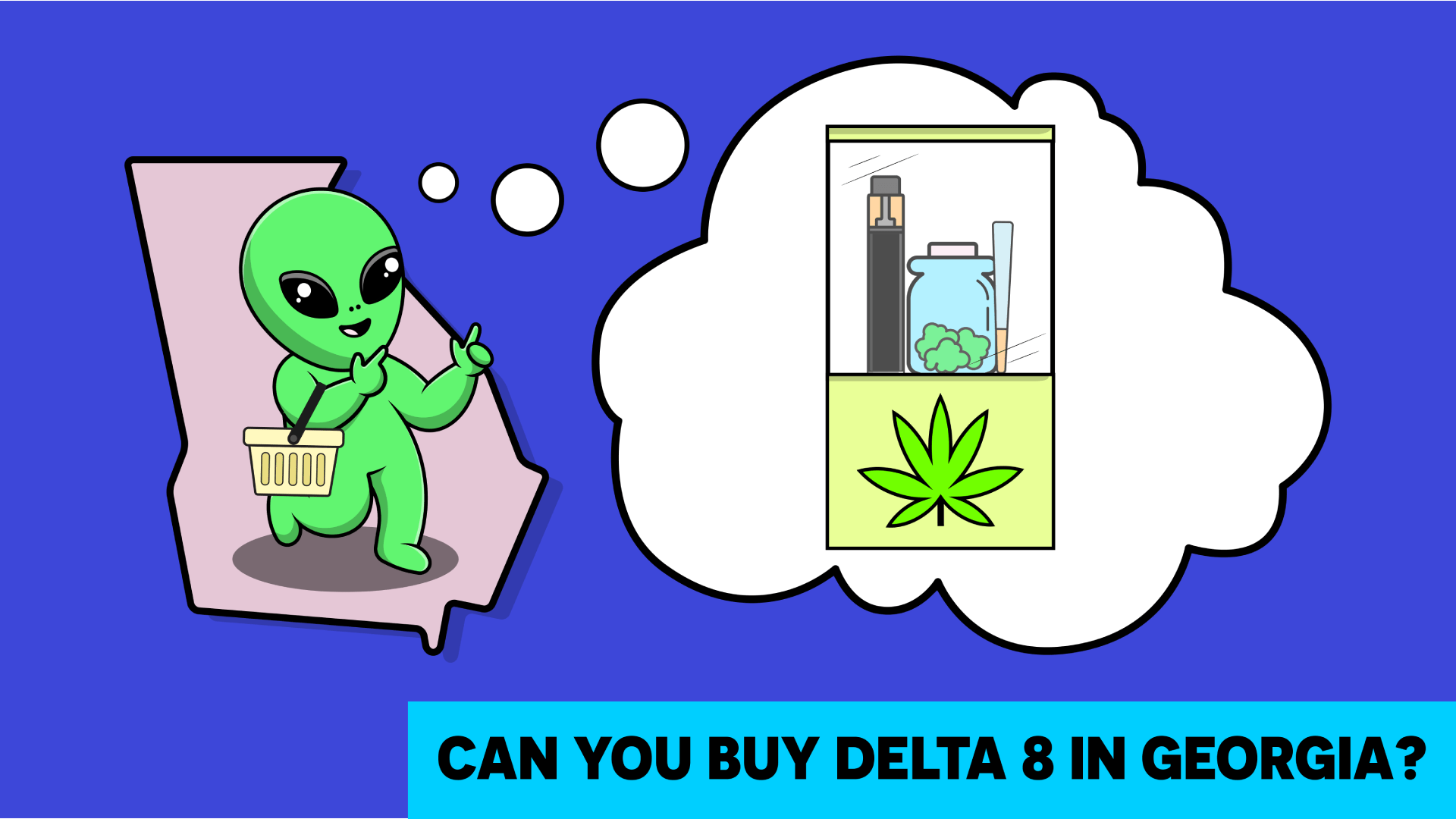
If you’ve seen Delta 8 gummies, vapes, or tinctures in Georgia and thought, Wait, is this actually legal? You’re asking the right question.
The answer is yes, Delta 8 is legal in Georgia in certain forms, but it comes with important limits. Georgia’s hemp law allows consumable hemp products that stay within the legal THC threshold. But it also sets age restrictions, packaging and labeling rules, and bans the retail sale of hemp flowers or leaves. In other words, you can buy some Delta 8 products in Georgia, but not everything you might see in the broader hemp market.
So what does that mean for you as a buyer? It means gummies, tinctures, and vape products may be available, while smokable hemp flowers are not allowed for retail sale. It also means you should pay close attention to lab reports, labels, and where you’re buying from. Let’s break it down clearly.
Is Delta 8 Legal in Georgia?
Yes, hemp-derived Delta 8 is legal in Georgia, with restrictions.
Georgia’s current hemp framework allows consumable hemp products so long as they comply with state and federal rules. That includes the rule that hemp stay at or below the legal Delta-9 THC limit. Georgia also bars sales to anyone under 21 and requires retailers to verify age.
At the same time, Georgia prohibits the retail sale of the flower or leaves of the hemp plant, regardless of THC concentration. So if you’re wondering whether a smokable hemp flower is legal to buy at retail in Georgia, the answer is no.
Why Delta 8 Feels Confusing in Georgia?
Delta 8 sits in that familiar hemp gray zone that makes cannabis laws feel harder than they should.
At the federal level, hemp became legal under the 2018 Farm Bill if it contains no more than 0.3% Delta-9 THC by dry weight. Georgia adopted a hemp structure that follows that general framework, but the state has since added more detailed rules around consumable hemp products, including who can buy them, how they must be labeled, and which forms are banned.
That’s why the question is not just “Is Delta 8 legal?” but also “What kind of Delta 8 product are you buying, how is it packaged, and does it actually meet Georgia’s rules?”
What Delta 8 Products Are Allowed in Georgia?
Georgia’s rules clearly contemplate a market for gummies, beverages, tinctures, topicals, and vape products as consumable hemp products. The state regulations include serving-size rules for gummies, beverages, tinctures, and topicals, and the packaging rules specifically reference vapes as a product category.
That means the common takeaway is:
Generally allowed in Georgia
- Delta 8 tinctures
- Other compliant consumable hemp products
Not allowed for retail sale
- Smokable hemp flower
- Loose hemp leaves or flower
Georgia’s rule on flower is especially important because plenty of shoppers assume that if a product is hemp-derived, every form of it must be legal. In Georgia, that is not the case.
Related Blogs:
What Are Georgia’s Main Delta 8 Rules?
Here are the biggest ones buyers should know.
1. You must be 21 or older
Georgia law prohibits selling or furnishing consumable hemp products to anyone under 21, and it also prohibits people under 21 from purchasing or possessing them. Retailers are expected to verify age.
2. The product must stay within the legal THC limit
Georgia defines the legal limit using total delta-9-THC concentration, with the legal cap tied to 0.3% or the applicable federal standard, whichever is lower under the statute’s wording.
3. Flowers and leaves are banned at retail
Even if the hemp flower meets the THC threshold, Georgia bars retail sale of the unprocessed flower or leaves of the hemp plant.
4. Labels and COAs matter
Georgia requires consumable hemp products to carry detailed labeling, including either the results of a full-panel certificate of analysis or a QR code linking directly to it. Labels must also include a lot of information and cannabinoid content.
5. Packaging rules are strict
Products must be tamper-evident, child-resistant, not attractive to children, and not misleading. Georgia also bars packaging that closely resembles candy or snack products.
Why Lab Testing Matters So Much?
Think of a Delta 8 label like an ingredients panel on food. You wouldn’t want mystery ingredients in what you eat, and you definitely don’t want mystery cannabinoids in what you’re taking.
Georgia’s rules put real weight on third-party testing. A proper Certificate of Analysis (COA) helps show:
- cannabinoid content, whether the product stays within the legal Delta-9 THC limit, and whether it contains contaminants like solvents or heavy metals.
That makes lab reports more than a nice extra. In Georgia, they’re one of the clearest signs that a Delta 8 product was made for a compliant market instead of just tossed onto a shelf.
So, Can You Walk Into a Store in Georgia and Buy Delta 8?
In many cases, yes. Georgia has a regulated consumable hemp market, and the Department of Agriculture oversees growing, processing, manufacturing, wholesale, and retail sale of consumable hemp products. Retail sellers and even online sellers serving Georgians need the appropriate licensing under the state’s hemp program.
But that does not mean every product you see for sale is automatically compliant. That’s why buying from reputable brands and licensed sellers matters so much.
How to Buy Delta 8 in Georgia the Smart Way?
If you want to stay on the safe side, here’s the practical checklist:
- Buy only from brands that provide a recent third-party COA
- Make sure the product is hemp-derived
- Check that the label clearly shows cannabinoid content
- Avoid any seller offering smokable hemp flower
- Confirm you’re buying from a retailer that appears to follow Georgia’s 21+ rule
- Be cautious with anything that looks poorly labeled, overly flashy, or suspiciously cheap
It’s a bit like buying supplements online: the product category may be legal, but quality and compliance still depend on who made it and how transparent they are.
Final Verdict
So, can you buy Delta 8 in Georgia?
Yes, but only in compliant forms and only if the product follows Georgia’s hemp rules. Gummies, vapes, and tinctures are generally the kinds of products Georgia’s framework allows. Smokable hemp flowers are not allowed for retail sale, and buyers must be 21+. Products also need compliant labeling, testing access, and packaging.
The simplest way to think about it is this: Delta 8 is legal in Georgia, but not lawless. If you buy smart, read labels, and stick with tested products, the landscape becomes much easier to navigate.
Frequently Asked Questions
Q. Can you purchase Delta 8 online in Georgia?
Yes. Georgia’s hemp program FAQ says you need a Retail Consumable Hemp Establishment License if you plan to sell consumable hemp products to consumers at a retail location in Georgia or to Georgians via an online platform. That means compliant online sales are contemplated under the state system.
Q. What are the age restrictions for buying Delta 8 in Georgia?
You must be 21 or older to legally purchase consumable hemp products in Georgia, and people under 21 are also prohibited from possessing them.
Q. Do you need a prescription to buy Delta 8 in Georgia?
No prescription is mentioned in Georgia’s consumable hemp rules. Delta 8 products sold under the hemp framework are regulated as consumable hemp products, not as prescription drugs.
Q. Is Delta 8 considered a controlled substance in Georgia?
Georgia’s current hemp framework allows compliant consumable hemp products, but legality depends on whether the product actually fits the state’s hemp rules, including THC limits, product form, labeling, and packaging. That is why compliance matters more than just the words “Delta 8” on a package.
Q. Can you buy Delta 8 flowers in Georgia?
No, not as a retail consumable hemp product. Georgia prohibits the sale of the flower or leaves of the hemp plant at retail, regardless of THC concentration.
Q. Can Delta 8 be shipped to Georgia from other states?
Georgia allows consumable hemp products in a licensed system, but the product still has to comply with Georgia’s rules on THC limits, labeling, packaging, and product form. For buyers, that means interstate shipping may happen in practice, but the product must still be Georgia-compliant when it arrives.