







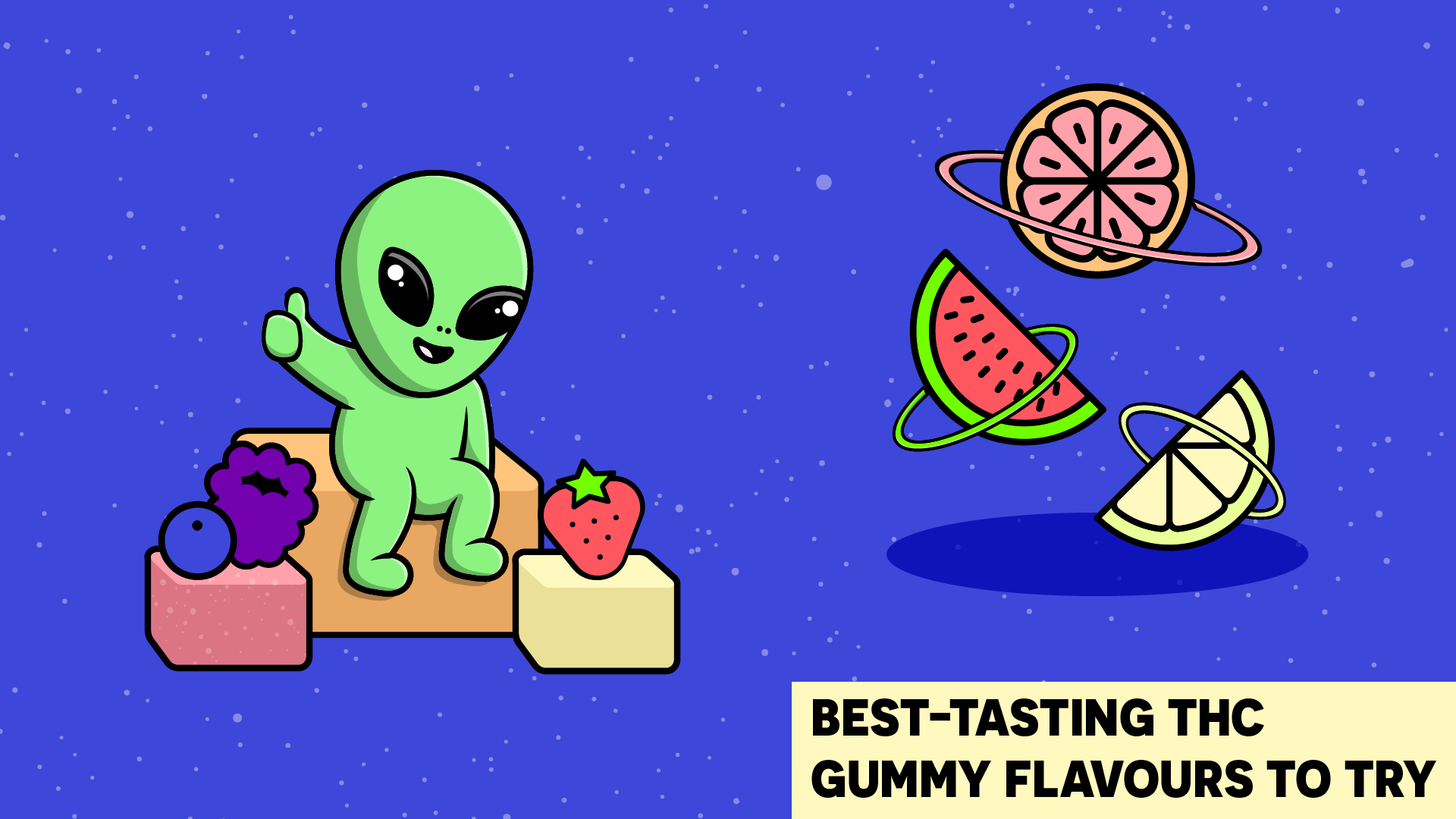
Best-Tasting THC Gummy Flavours to Try
Anyone who tried hemp-derived edibles in the early days remembers the taste problem. That distinct, slightly grassy, sometimes bitter hemp note that no amount of sugar coating seemed to fully hide. Flavor formulation in this category has come a long way since then, and understanding what actually works to mask that base flavor, rather than just picking whatever sounds appealing on the label, makes it a lot easier to find something you’ll genuinely enjoy rather than tolerate.
Why Hemp-Derived Gummies Have a Flavor Challenge to Begin With
Cannabinoid extract, regardless of which specific compound is involved, carries its own natural flavor and aroma compounds, generally described as earthy, grassy, or slightly bitter depending on the extraction method and how well-refined the final extract is. This isn’t a flaw exactly, it’s simply the natural character of the plant material the extract came from, but it does mean flavor formulation has to actively work against that base note rather than simply adding sweetness on top of a neutral canvas.
Higher-quality, more refined extracts generally carry less of this earthy undertone to begin with, which is part of why product quality and flavor quality tend to be more connected than people initially assume. A poorly refined extract is harder to fully mask, no matter how good the surrounding flavor work is.
Fruit Flavors That Tend to Work Especially Well
Bold, tart fruit flavors have generally proven most effective at masking hemp’s natural earthiness, and there’s a practical reason for that. Sour and tart flavor profiles are simply more assertive on your palate, which gives them more capacity to override a competing background note than a subtler, sweeter flavor would.
Watermelon shows up constantly across brands specifically because its bright, clean sweetness pairs well with a masking strategy, and it’s become something close to a default flavor in this category for good reason. Mixed berry blends, combining several fruit notes rather than relying on one, tend to be effective for similar reasons, since the complexity of multiple berry flavors layered together does more work covering the base flavor than a single-note fruit would.
Tropical and citrus profiles, mango, pineapple, blood orange, tend to perform well for the same fundamental reason as watermelon: bright, assertive sweetness with enough acidity to cut through and distract from any lingering earthy undertone.
Why Sour Coatings Do More Than Just Add Flavor
A lot of the best-tasting options in this category use a sour sugar coating rather than a plain sweet one, and this isn’t purely an aesthetic choice. The sharp, tart hit from a sour coating actually numbs your palate slightly on first contact, which reduces your sensitivity to subtler background flavors, including any remaining hemp note, for the first several seconds of chewing. This is part of why sour gummies in general, not just THC ones, have such a strong reputation for effectively masking unwanted background flavors in candy formulation broadly.
Flavors That Tend to Struggle More With Masking
Not every flavor category handles this challenge equally well. Subtler, more delicate flavors, certain florals, very light fruit notes, or flavors that are naturally more muted to begin with, have less room to work with when it comes to covering a competing earthy undertone. This doesn’t mean these flavors are never used successfully, but it does mean they require more refined, higher-quality extract to begin with, since there’s less flavor intensity available to mask an imperfect base.
Terpene-Infused Options Are a Different Approach Entirely
Beyond traditional fruit-forward flavor formulation, some brands take a different approach by infusing gummies with actual cannabis-derived terpenes, the aromatic compounds responsible for different cannabis strains’ distinct smells and flavors. Rather than working to mask the plant’s natural character, this approach leans into it, offering flavor profiles that taste distinctly like specific strains rather than a generic fruit flavor built to cover up the base note.
This is a genuinely different experience preference than the fruit-forward masking approach, and it tends to appeal specifically to users who actually enjoy cannabis’s natural flavor character rather than finding it something to work around.
What This Means for Choosing a Product
If hemp’s natural flavor has been a dealbreaker for you in the past, prioritizing bold, tart, fruit-forward flavors, watermelon, mixed berry, tropical and citrus blends, especially with a sour sugar coating, gives you the best chance of a genuinely pleasant experience rather than something you’re tolerating for the effects. If you’ve tried a subtler or more delicate flavor and found the hemp note distracting, that’s a formulation issue more than a sign that all THC gummies taste that way, and switching to a bolder, more assertive flavor profile from a well-regarded brand is worth trying before writing off edibles based on one underwhelming product.
Flavor Quality and Product Quality Tend to Track Together
It’s worth mentioning that flavor performance can actually serve as a rough, informal signal about a brand’s overall quality standards. A brand using well-refined extract and investing in genuine flavor development tends to produce a noticeably cleaner-tasting product than one cutting corners on extraction quality and relying purely on heavy sweetness to overpower an inferior base ingredient. This isn’t a substitute for checking actual lab testing and ingredient transparency, but a gummy that tastes distinctly harsh or chemical despite a fruity flavor name on the label is sometimes an early indicator of a lower-quality product worth scrutinizing further.
A Few Common Questions
Q. Why do some THC gummies taste noticeably worse than others even with the same flavor name?
Extract quality and refinement varies significantly between brands, and a less refined extract carries more of the natural earthy undertone that flavor work has to overcome, which is why identical flavor names can produce very different actual taste experiences.
Q. Do sour gummies mask hemp flavor better than sweet ones?
Generally yes, since the sharp, tart intensity of a sour coating tends to numb your palate slightly and override subtler background flavors more effectively than a purely sweet coating does.
Q. Are terpene-infused gummies a good option if I dislike hemp’s natural flavor?
Probably not, since terpene-infused products specifically lean into cannabis’s natural flavor character rather than masking it, making them a better fit for people who enjoy that flavor rather than those trying to avoid it.
Q. Does flavor affect how the product actually works?
No, flavor formulation is separate from cannabinoid content and effects, though a genuinely unpleasant taste can understandably make it harder to enjoy a product regardless of how well it otherwise works.
The Takeaway
Bold, tart fruit flavors, particularly watermelon, mixed berry, and tropical or citrus profiles, especially with a sour sugar coating, consistently do the best job masking hemp’s natural earthy undertone, while subtler flavor profiles require higher-quality extract to pull off successfully. If taste has kept you away from THC gummies in the past, it’s worth trying a well-regarded brand’s bold, sour, fruit-forward option before assuming every product in this category tastes the same way.