


What Kratom Strain has the Most Alkaloids?
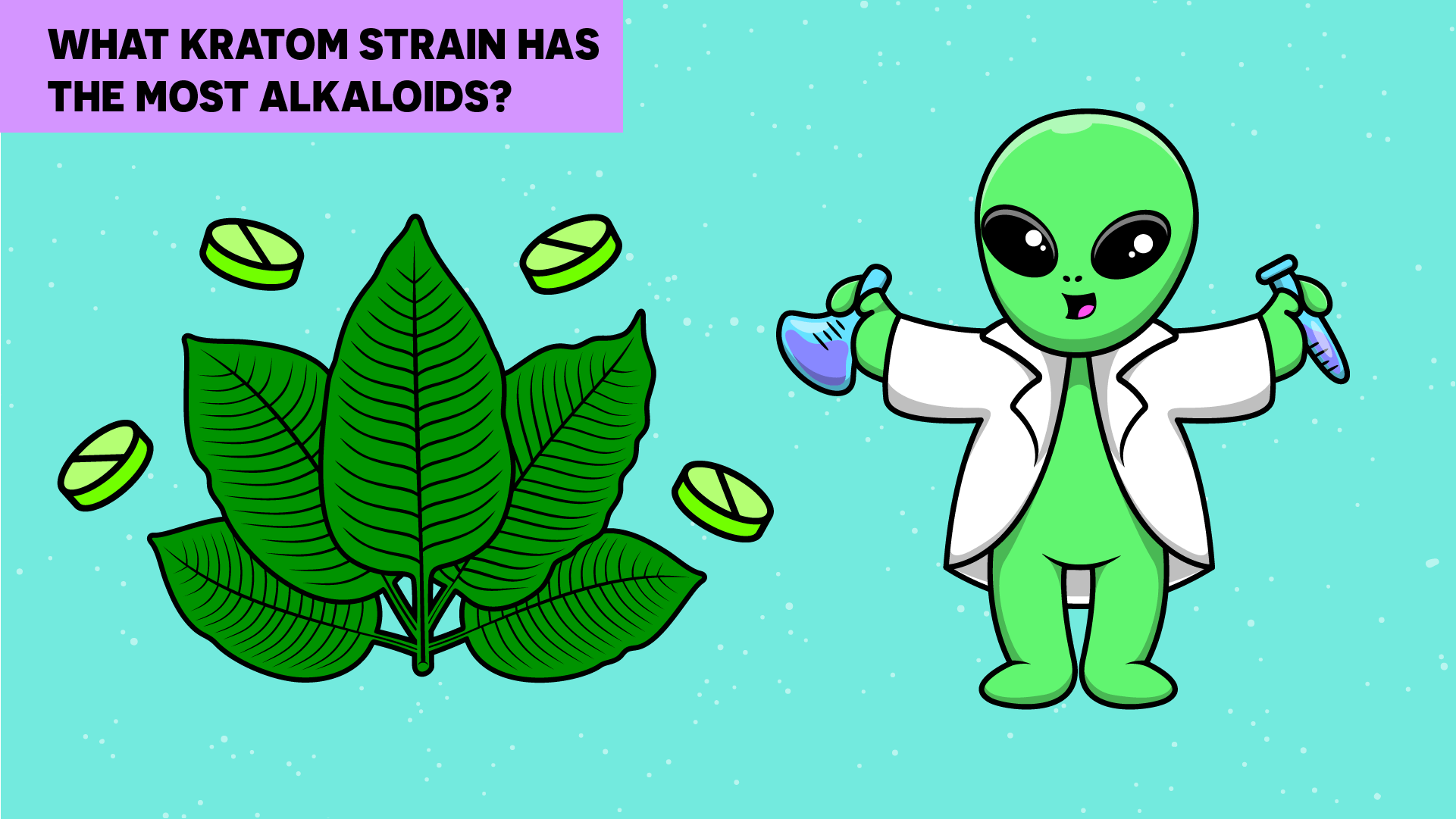
We get a lot of questions about why one batch feels uplifting while another feels more relaxed. Spoiler alert – it’s not magic; it’s the alkaloids. When the market’s flooded with different strains, flashy names, and a hundred versions of strong, it’s easy to lose track of what matters. And while color or strain names might suggest strength, they don’t always tell the whole story.
It’s all about understanding what gives kratom its power in the first place. You can’t always spot that from color, name, or even taste. That’s why we’ll help you recognize the kind of kratom that’s not just strong but honest, so you know exactly what’s in your kratom.
What are Alkaloids in Kratom?
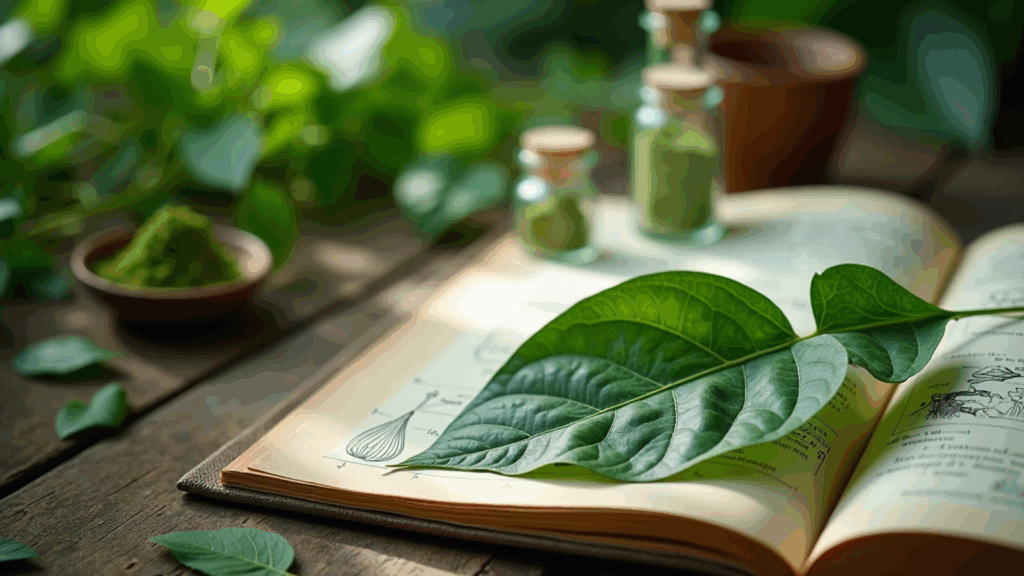
Alkaloids are the reason kratom works. They’re responsible for the way these plants interact with your body. Technically, they’re nitrogen-based molecules, sometimes joined by elements like carbon, oxygen, sulfur, or even chlorine. The way it lifts your energy, helps you focus, relaxes your body, or even dulls pain all comes down to these naturally occurring compounds hiding in its leaves.
While most of the spotlight goes to just two alkaloids, mitragynine and 7-hydroxymitragynine (7-OH), researchers have identified over 50 alkaloids in kratom leaves, with some sources citing up to 58.
However, not every kratom leaf contains the same amount or mix of alkaloids. Factors like plant age, soil quality, sunlight exposure, and how the leaves are dried or fermented all influence alkaloid levels. Even something as subtle as growing the plant in partial shade can increase its alkaloid content dramatically. That’s why one strain might feel super energizing while another from the same region puts you right to sleep. Understanding which strains have the most (and the right kind) helps you choose what actually works for your body and your needs.
Factors that Influence Alkaloid Levels in Kratom
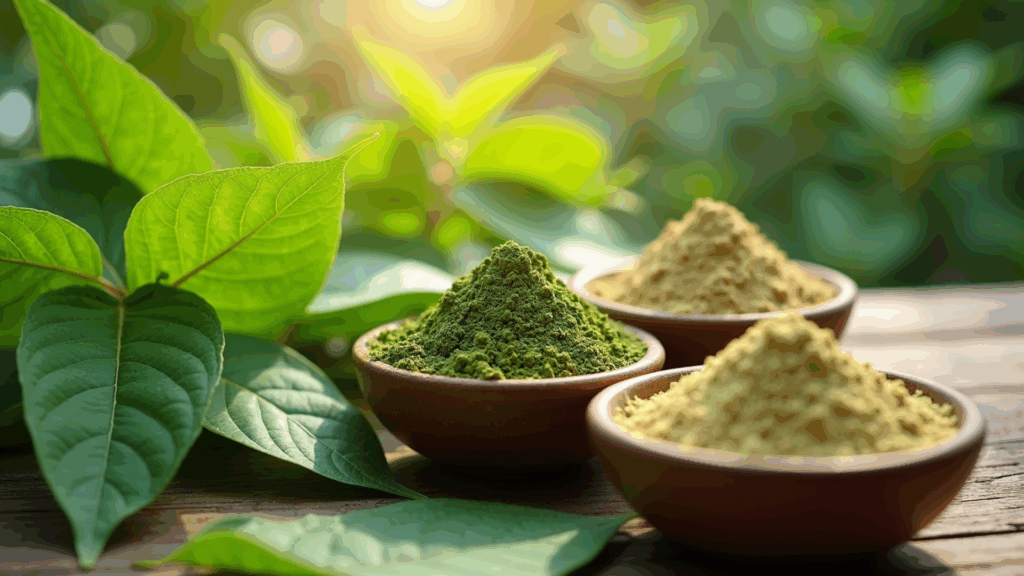
So, you’ve got the basics, but two batches of kratom from the same region can have completely different alkaloid profiles. Let’s break down the factors that influence how alkaloid-rich your kratom really is.
Strain Type & Leaf Vein Color
The color you see in kratom names, white, green, and red, is actually a sign of the maturity of the leaf when it was harvested:
- White vein: Young leaves, often higher in mitragynine, known for energizing effects.
- Green vein: Mid-maturity, balanced alkaloid content for both energy and relaxation.
- Red vein: Fully mature leaves, usually higher in 7-hydroxymitragynine (especially after specific drying processes), known for calm and pain relief.
Where It’s Grown – Kratom is picky about its environment. Altitude, soil minerals, humidity, and sunlight all change how the plant develops. That’s why:
- Maeng Da tends to have a supercharged alkaloid profile.
- Borneo strains are often richer in calming alkaloids.
- Malay strains are famous for their long-lasting, slow-release effects, which are often due to their diverse alkaloid spectrum.
Climate & Seasonal Harvesting
More sunlight and warmth can increase alkaloid production. In fact, leaves harvested during the hotter months tend to have higher mitragynine content. On the flip side, cooler seasons may boost the levels of lesser-known alkaloids that play subtle but important roles in how kratom feels. Timing also matters. Harvesting too early results in underdeveloped alkaloids, and harvesting too late results in lower potency due to natural degradation.
Drying & Fermentation Process
Post-harvest processing is where things get interesting:
- Sun-dried kratom often has more potent stimulant properties due to preserved mitragynine.
- Fermented strains (like Bentuangie or some red strains) undergo a curing process that amplifies 7-OH levels, making them more relaxing or sedative.
- Indoor drying can result in a milder alkaloid profile that is smoother but not always as potent.
Storage and Age
Even the best kratom can lose its edge if it’s sitting around in a hot, humid warehouse. Over time, alkaloids degrade, especially if exposed to light, air, or moisture. Proper packaging (think vacuum-sealed, UV-resistant bags) can preserve potency for months, but stale kratom? Not worth it.
Sunlight & Growing Environment
Light exposure plays a major role. For example, growing kratom in shaded greenhouse conditions has been shown to significantly boost mitragynine, paynantheine, and corynoxine levels. However, some mature trees in high-light environments also show elevated mitragynine.
Top Kratom Strains with the Highest Alkaloid Content
If potency is what you’re after, some kratom strains consistently show up with richer alkaloid profiles, mainly when sourced and processed right. While all kratom comes from the same Mitragyna speciosa tree, the drying method, leaf maturity, and even soil conditions can majorly influence the final strength. The real question is how rich it is in alkaloids. That can mean one of two things:
- Strain with a variety of alkaloids
- One with higher concentrations of the alkaloids.
Red Bali – Alkaloid Variety
Among the strains tested in studies, Red Bali has been noted for containing the highest number of different alkaloids as many as 24 were identified in one analysis. That variety doesn’t always mean stronger effects. Still, it does suggest a more complex profile that some users prefer for a balanced experience.
Green Malay – Highest in Mitragynine and Total Alkaloids
Among five popular strains tested (Red Bali, Red Thai, Red Malay, White Borneo, and Green Malay), Green Malay had the highest percentage of mitragynine and overall alkaloid content. Its alkaloid profile is consistently rich, making it a preferred option for users who want both energy and longevity in their experience.
Maeng Da and Thai Strains – Concentrated Alkaloid Content
If you’re after a high concentration of mitragynine, Maeng Da and Thai strains are often at the top of the list. In Thai kratom, mitragynine can make up as much as 66% of the total alkaloid content. This concentration contributes to their reputation for sharp focus, stimulation, and consistent strength. Maeng Da is also often made by blending multiple strains for a tailored alkaloid profile.
Red Vein Strains – Higher in 7-Hydroxymitragynine
Red strains, such as Red Maeng Da, go through a longer drying and fermentation process often in plastic bags for several days which boosts the presence of 7-hydroxymitragynine (7-OH). While naturally present in low amounts (around 0.01–0.04%), this alkaloid is highly potent. It contributes significantly to kratom’s calming and pain-relieving effects.
Some extracts even show 7-OH levels up to 2.8% and, in rare cases, up to 500% more than naturally occurring material, raising concerns about adulteration in unregulated markets.
Can You Really Tell By Color or Texture?
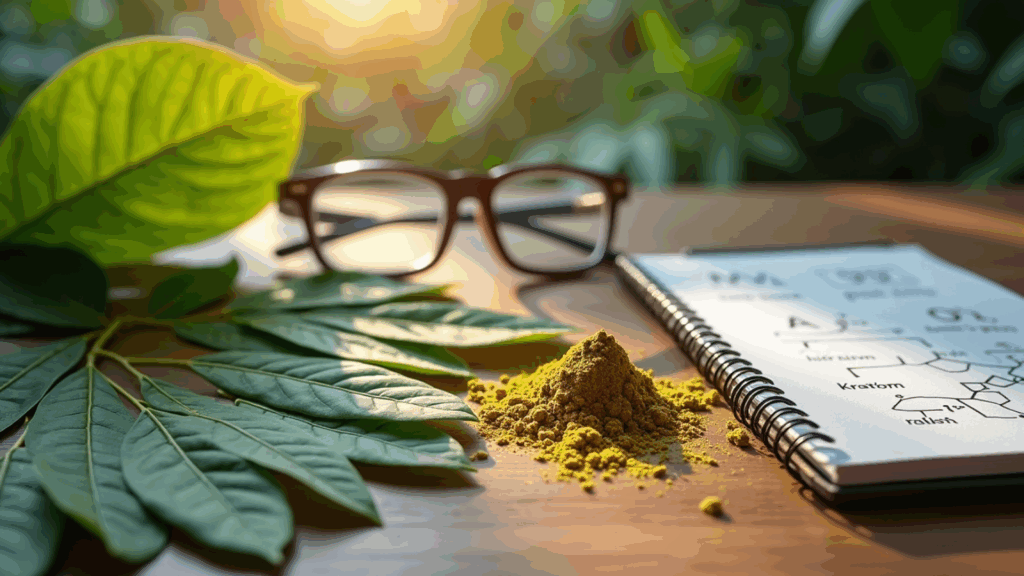
We’ve seen how misleading appearance can be. A bright green powder doesn’t always mean more potent alkaloids. We’ve learned that what really matters is how the leaf was dried, not just what it looks like. That’s why we share not just the strain but the story behind it.
- Red Veins go through a longer drying process, often fermenting slightly, naturally boosting 7-OH.
- White Veins, on the other hand, are usually dried indoors with no light to help preserve mitragynine in the white strains.
- Greens tend to be middle-ground, but adjusting drying conditions even slightly can bring out different alkaloid expressions.
How to Tell if Your Kratom Is High in Alkaloids?
In such a highly variable, unregulated market, physical characteristics alone (color, texture, strain names) aren’t enough to determine strength. Even kratom that looks potent can be adulterated or weak. The only truly reliable way to confirm alkaloid strength is third-party lab testing paired with transparent sourcing.
Check for Third-Party Lab Testing
If there’s one non-negotiable, it’s lab testing. Look for COAs that disclose:
- Exact percentages of key alkaloids (like mitragynine, 7-OH, paynantheine, etc.).
- Total alkaloid content.
- Purity and safety data (absence of heavy metals, bacteria, or synthetic additives).
- Ingredient transparency.
- Look for vendors who test their kratom for mitragynine content.
Does more Alkaloids mean a better experience?
Not always. While higher alkaloid content often means a stronger product, that doesn’t automatically translate to a better experience.
Your body has a say
Sure, a triple shot of espresso is stronger, but is that always what you want? Some users might feel energized, while others get jittery or anxious. Kratom works the same way. A product overloaded with mitragynine or 7-OH might hit hard but could also bring unwanted side effects like nausea, dizziness, or sedation if you’re not used to it.
Balance matters
Kratom has over 40 alkaloids, and how they interact can shape the experience. A balanced profile can feel smoother and more predictable than something that’s been supercharged with just one or two compounds. What feels too strong for one person might feel just right for another.
If you’re new to kratom or have a lower tolerance, high-alkaloid products might hit too hard or come with more side effects like nausea, jitters, or a crash. Pushing higher alkaloid levels doesn’t constantly improve the outcome. It can lead to tolerance, shorter duration, or just an overwhelming experience.
Choosing the Right Strain for You
When it comes to kratom, what works wonders for one person might feel completely off for another.
The key is understanding what you want out of the experience and picking a strain (and potency) that aligns with that goal. If you’re looking for energy, focus, and a mood lift, White Vein strains like White Maeng Da or Green Malay (with naturally higher mitragynine content) might be your match. Chasing relief, calm, or better sleep? Red Vein options like Red Bali, especially those with a richer 7-OH profile, could be a better fit.
That said, don’t get too caught up in the names. Strain labels are often more about processing and marketing than genetics. We make our COAs accessible on our website so you can:
- Verify exact percentages of mitragynine and 7-OH
- Confirm absence of heavy metals, pesticides, mold, and fillers
- Understand the complete composition of what you’re using
And remember, more alkaloids don’t always mean better. It’s about balance, quality, and what your body actually needs. Start slow, stay curious, and go with vendors who value transparency over trendy packaging.
We believe in giving you more than just options. We believe in giving you confidence through transparency, testing, and a focus on alkaloid quality in every batch. Because at the end of the day, the right kratom is the one that actually works for you.