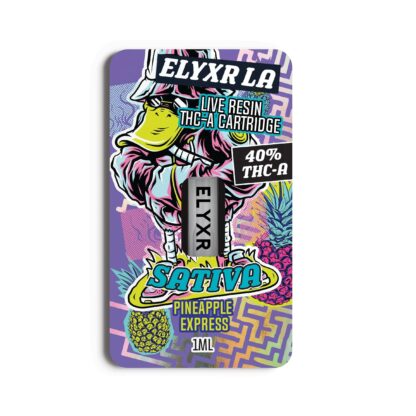
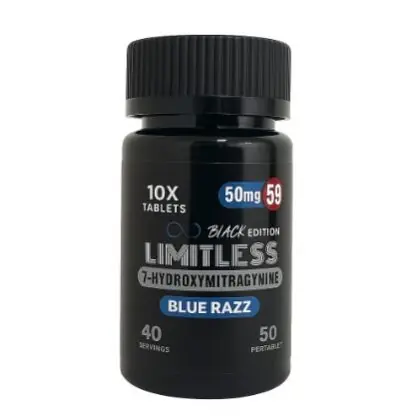
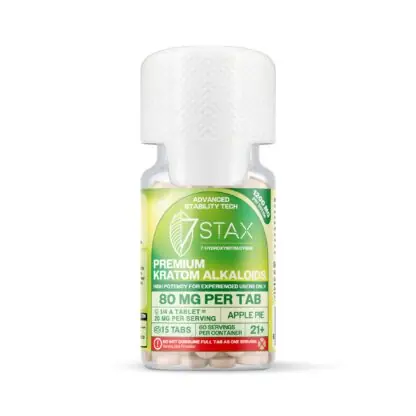
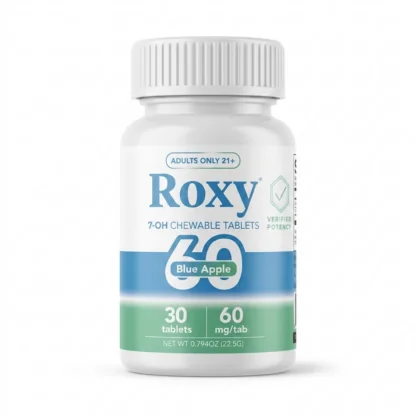
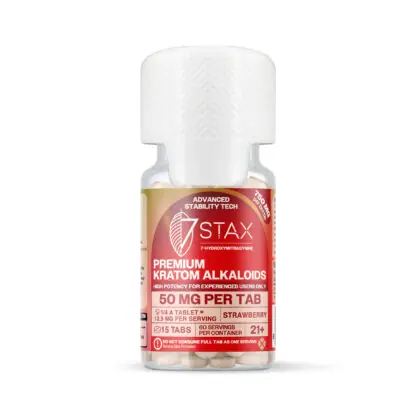
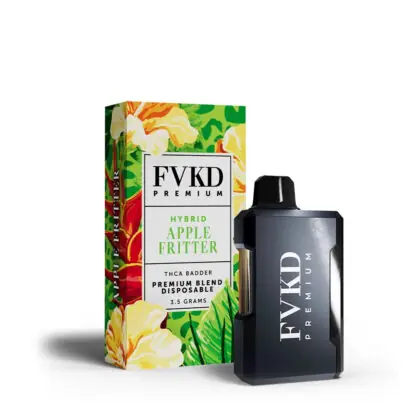
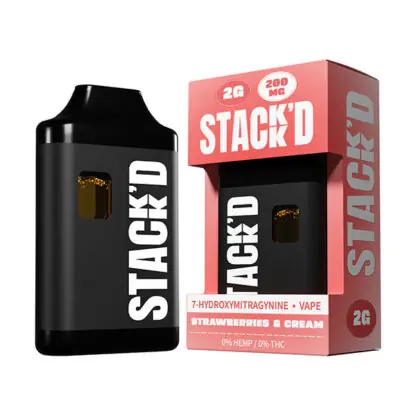
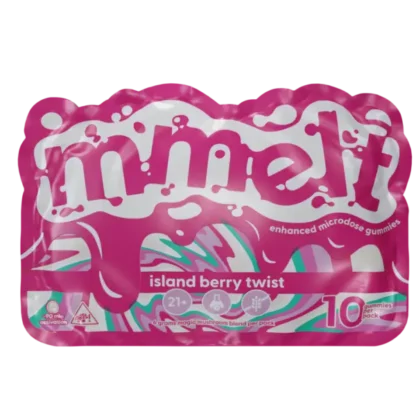
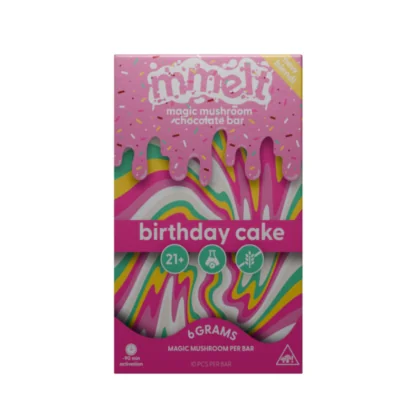
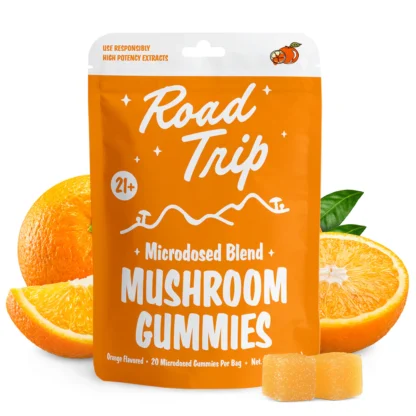
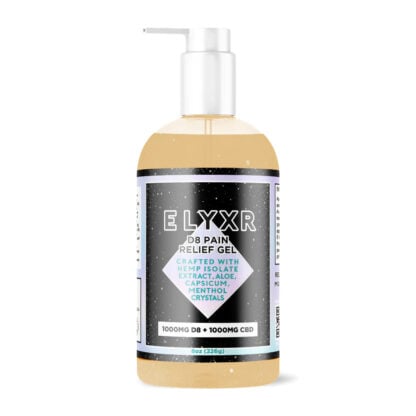
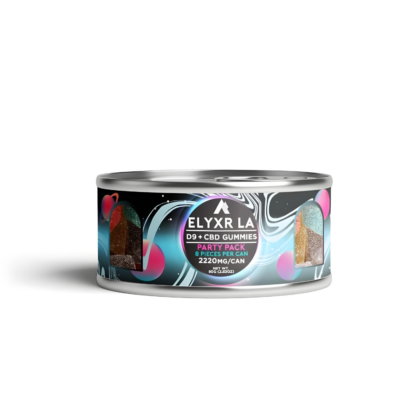
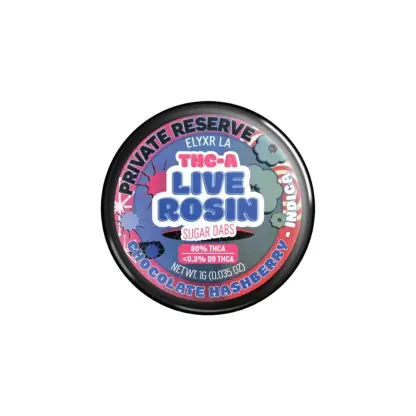
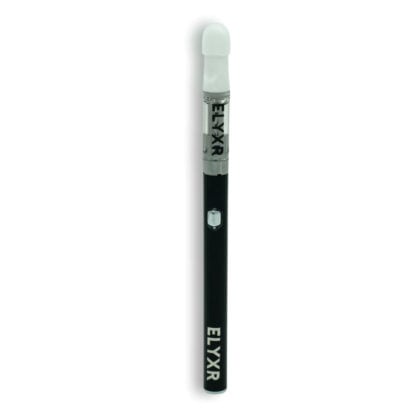
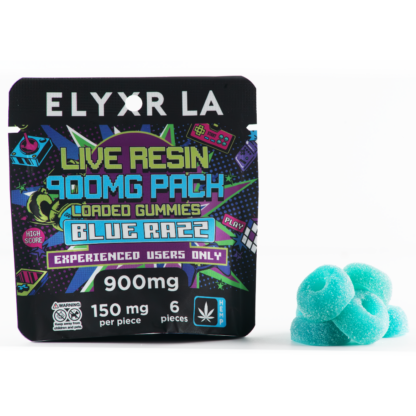
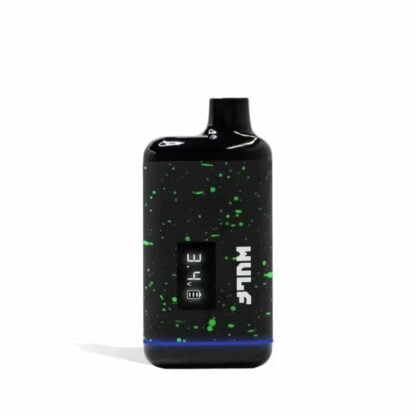
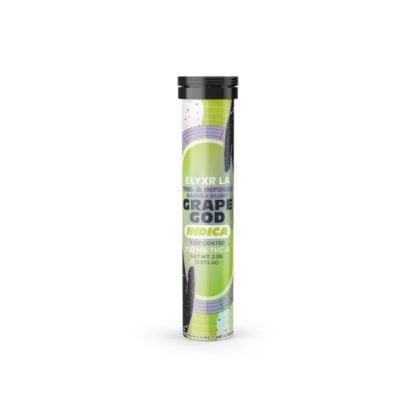
Live resin is an extraction method rather than a compound. Hemp flower is flash-frozen at harvest and processed while still frozen, which preserves volatile terpenes that would otherwise be lost during drying and curing. This collection carries live resin in cartridge and edible formats, each third-party lab tested with a batch certificate of analysis. Federal measurement of hemp products changes on November 12, 2026, and counts THCA toward total THC, which affects this category directly. Details are in the legal section below.
Live resin is a process, not a cannabinoid. The name refers to the state of the plant material going into extraction rather than to anything in the finished product. Conventional hemp extraction starts with flower that has been dried and cured, a process that takes days to weeks and drives off a large fraction of the plant’s volatile aromatic compounds. Live resin skips that entirely. The flower is flash-frozen within hours of harvest and stays frozen through extraction.
The result is an extract carrying a terpene profile much closer to the living plant than a dry-processed extract can manage. That aromatic profile is the whole point, and it is what you are paying the premium for.
How Fresh-Frozen Processing Works
The sequence has four steps and each one exists to keep temperature down. Harvested material is frozen quickly, typically to well below freezing, before any drying can begin. It is then washed with a cold solvent, usually a hydrocarbon such as butane or propane, chosen because it works at low temperature and strips terpenes efficiently. The solution passes through filtration to remove plant material and waxes. Finally the solvent is purged under vacuum at low heat.
That last step is the one that separates good live resin from mediocre live resin. Purge too hot and you drive off the terpenes you froze the plant to protect, which defeats the purpose. Purge too cool or too briefly and residual solvent stays in the product. This is exactly why the residual solvent panel on a live resin COA is worth more attention than the potency figure.
Live Resin, Live Rosin and Distillate
Three terms that get used loosely and mean genuinely different things. Live resin uses fresh-frozen material and a solvent. Live rosin also uses fresh-frozen material but no solvent at all, relying on heat and pressure instead, which makes it more expensive to produce and lower yielding. Distillate is at the other end: material is processed, refined and stripped down to a single isolated cannabinoid, with terpenes removed and often reintroduced afterward from another source.
If a cartridge lists a strain name and a distillate base, the flavor is coming from added terpenes rather than from the plant that produced the cannabinoid. That is not inherently worse, but it is a different product and it should cost less.
Terpenes, Heat and Why Storage Matters More Here
Terpenes are volatile by definition, which is why you can smell them and why they escape. In a live resin product they are the differentiator, so anything that degrades them degrades what you bought. Heat is the main enemy, followed by light and air.
Store cartridges upright, sealed, somewhere cool and dark. Upright matters because it keeps the oil away from the mouthpiece and reduces leakage as viscosity changes with temperature. A drawer indoors is fine. A glovebox is not. Live resin edibles follow the same rules as any hemp edible: cool, dark, sealed, original packaging so the batch number stays with the product.
THCA and the November 12, 2026 Measurement Change
This applies directly to the cartridge format. THCA is the acidic precursor to Delta-9 THC and converts to it when heated, which is what happens when a cartridge is used. Under the framework in force until November 12, 2026, THCA is not counted in the federal Delta-9 measurement, and that gap is the basis of the hemp THCA cartridge market.
From November 12, 2026, Section 781 of the FY2026 appropriations act measures hemp as 0.3 percent total THC on a dry weight basis inclusive of THCA, and caps finished products at 0.4 mg total THC per container. THCA products are squarely within scope. A Senate proposal to move the date to December 11, 2026, has not been enacted. Check current federal and state law before ordering.
Reading a Live Resin Certificate of Analysis
Four things to look at, in order. Batch number, matched against the packaging. Cannabinoid profile, which for a live resin product should show a spread of compounds rather than a single dominant peak, because a single-peak result on a product sold as full-spectrum suggests distillate. Terpene panel, which many brands skip on live resin and which is the one panel that actually evidences the live resin claim. Residual solvents, which matter more here than in any other hemp category because of the extraction method. Products are sold to buyers aged 21 and over, have not been evaluated by the FDA, and are not intended to diagnose, treat, cure or prevent any disease.
FAQ's
What is live resin?
Live resin is an extract made from hemp flower that was flash-frozen at harvest rather than dried and cured. Freezing preserves volatile terpenes that drying drives off, so the finished extract carries an aromatic profile closer to the living plant. The term describes the process, not a specific cannabinoid or potency level.
What is the difference between live resin and live rosin?
Both start with fresh-frozen material. Live resin uses a solvent, usually a cold hydrocarbon, to strip cannabinoids and terpenes. Live rosin uses only heat and pressure with no solvent at all. Rosin is more labor-intensive and lower yielding, which is why it costs more. Neither method is universally better; they produce different products.
Is live resin stronger than distillate?
Not necessarily, and potency is the wrong comparison. Distillate is often higher in a single cannabinoid because it has been refined down to one compound. Live resin typically shows a lower headline figure but a broader profile of cannabinoids and terpenes. The two differ in composition rather than strength, and price should reflect that difference.
How should I store live resin?
Cool, dark, sealed and upright for cartridges. Terpenes are volatile, so heat is the main thing that degrades a live resin product, followed by light and air exposure. Keeping a cartridge upright reduces leakage as the oil thins with warmth. Edible formats follow standard rules: original packaging, cool cupboard, away from windows and heat sources.
Are live resin products legal?
Hemp-derived live resin currently sits under the federal hemp framework, but that framework changes on November 12, 2026. From that date total THC inclusive of THCA is measured at 0.3 percent for plant material, with a 0.4 mg total THC per container cap on finished products. THCA cartridges are directly affected. State law varies and is often stricter.
Does THCA count as THC?
Not under the measurement in force until November 12, 2026, which is the basis of the hemp THCA market. From that date the federal definition switches to total THC on a dry weight basis and expressly includes THCA. Since THCA converts to Delta-9 when heated, the new measurement reflects what a heated product actually delivers.
How can I tell real live resin from distillate with added terpenes?
Read the certificate of analysis rather than the packaging. A genuine live resin extract shows a spread of cannabinoids and a terpene panel derived from the source material. A distillate base shows one dominant cannabinoid peak and either no terpene panel or one that reads as a clean added blend. If there is no terpene panel at all, ask why.
Why is live resin more expensive?
Three reasons stack up. Freezing at harvest requires equipment and handling that dry-curing does not. Cold extraction yields less finished product per pound of input. And the low-temperature purge that protects the terpenes takes longer than a hot purge. You are paying for a process that is deliberately slower and less efficient in exchange for aroma retention.







 Live Resin