





What are MGM-15 Tablets?
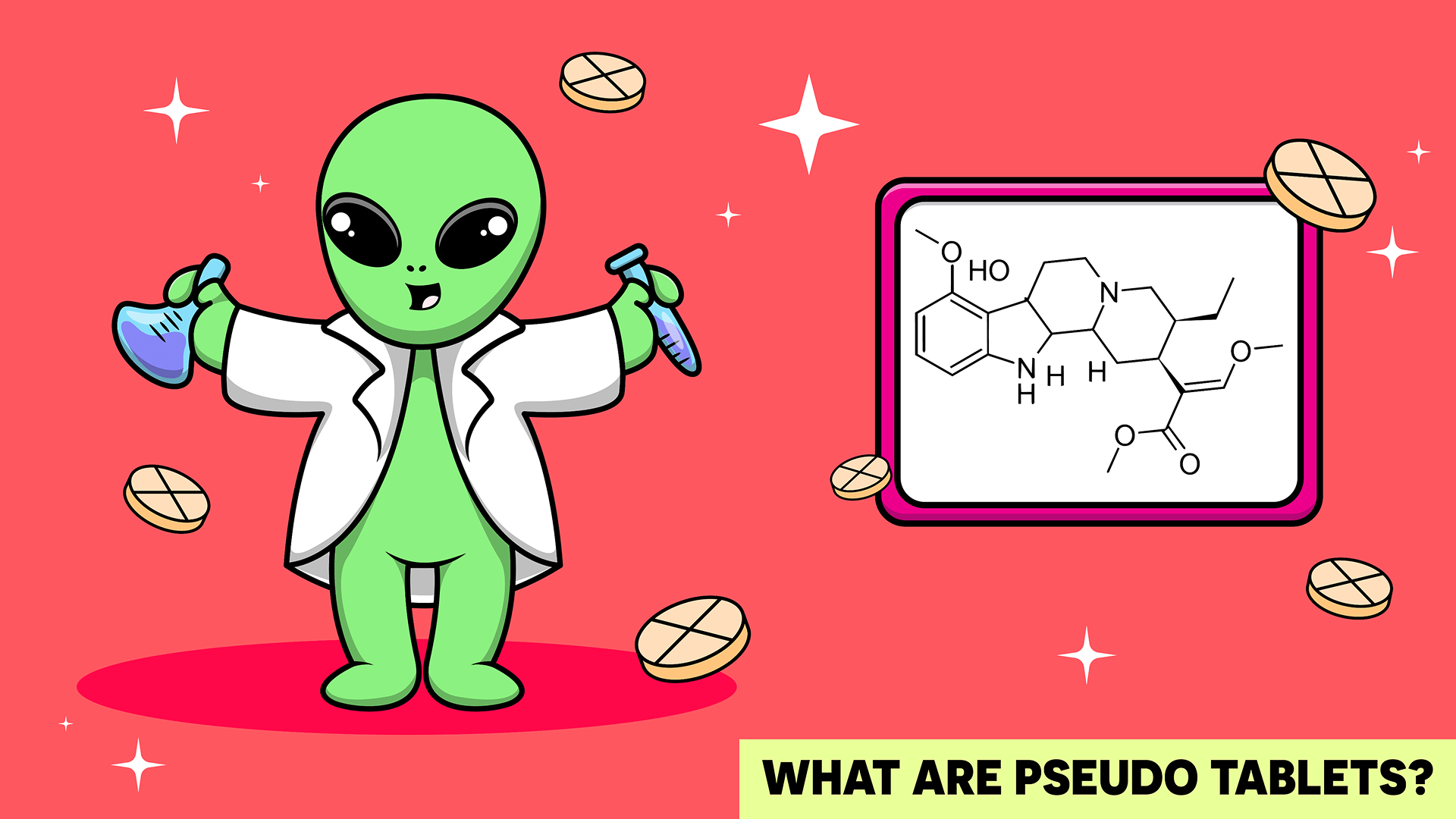
MGM-15 tablets are one of the newest and most controversial products appearing in the kratom and designer substance space.
If you have seen the name online, it may have been marketed as a strong kratom-derived tablet, an advanced alkaloid product, or a next-generation botanical compound. That wording can make MGM-15 sound like a simple upgrade from regular kratom.
It is not that simple.
MGM-15 is best understood as a semi-synthetic opioid-like compound derived from mitragynine, the main alkaloid found in kratom. It is not the same as regular kratom powder, kratom tea, or a basic mitragynine extract. It belongs to a newer class of modified kratom-derived substances that may be far more potent and much less researched.
As of April 2026, MGM-15 has become part of a wider conversation around high-potency kratom derivatives, concentrated 7OH products, and semi-synthetic alkaloids. Health officials, toxicologists, and even some kratom advocates are paying closer attention to these products because they may carry a much higher risk profile than traditional kratom leaf.
This guide explains what MGM-15 tablets are, how they differ from kratom, why they are controversial, what effects users report, and what consumers should understand about safety and legality.
Educational Disclaimer: This article is for informational and educational purposes only. MGM-15 is not FDA-approved and is not intended to diagnose, treat, cure, or prevent any disease or medical condition. Nothing in this article should be taken as medical, legal, or safety advice. Consumers should speak with a qualified healthcare professional before using any kratom-derived or opioid-like substance.
What exactly are MGM-15 Tablets?
MGM-15 tablets are products that contain, or claim to contain, MGM-15, a semi-synthetic compound derived from mitragynine-related kratom chemistry.
Mitragynine is the main alkaloid in kratom. In traditional kratom leaf, it is the dominant active compound. Kratom also contains smaller amounts of other alkaloids, including 7-hydroxymitragynine, often called 7OH. Natural kratom leaves contain 7OH only in small amounts, while mitragynine is usually much more abundant.
MGM-15 is different from both.
According to available public descriptions, MGM-15 is a designer drug that began appearing in the United States around early 2025. It is associated with modified mitragynine chemistry and has been discussed as a potent opioid agonist.
That means MGM-15 tablets should not be treated like basic kratom capsules.
A regular kratom capsule usually contains ground plant material. An MGM-15 tablet is more likely to contain a concentrated or modified compound designed to produce stronger opioid-like effects.
That distinction matters for safety, tolerance, dependence, and legality.
How MGM-15 Relates to Kratom?
To understand MGM-15, you first need to understand kratom.
Kratom comes from the leaves of Mitragyna speciosa, a plant native to Southeast Asia. Its best-known alkaloids are mitragynine and 7-hydroxymitragynine. These compounds interact with opioid receptors in the body, which is why kratom can produce stimulant-like effects at lower doses and more sedating, opioid-like effects at higher doses.
Traditional kratom products include powder, capsules, tea, and basic extracts. These products contain a broader plant profile. They are not usually built around a single modified compound.
MGM-15 changes that.
Instead of using the natural alkaloid balance of the kratom leaf, MGM-15 products appear to focus on a modified mitragynine-derived compound. This makes the product more targeted and potentially much stronger.
A useful way to think about it is this:
Regular kratom is like drinking coffee made from whole coffee beans. MGM-15 is closer to taking a lab-modified stimulant derived from caffeine chemistry. The source may trace back to a plant, but the final product is not the same as the original plant.
That is the key point many consumers miss.
Is MGM-15 the Same as Mitragynine?
No.
Mitragynine is the main naturally occurring alkaloid in kratom. It is found in the leaf itself and has been studied more than many newer kratom derivatives. It is not FDA-approved for medical use, but it is central to the traditional kratom experience.
MGM-15 is a modified compound connected to mitragynine chemistry. It is not simply raw mitragynine pressed into a tablet.
That difference is important.
Mitragynine-heavy kratom products may still carry risks, especially with heavy or frequent use. But MGM-15 products may be more potent, less studied, and more legally uncertain.
In plain language, MGM-15 appears to be much further away from traditional kratom than standard MIT products.
Is MGM-15 the Same as 7OH?
No, but they are part of the same broader conversation.
7OH, or 7-hydroxymitragynine, is another kratom-related alkaloid. It occurs naturally in kratom only in small amounts, but modern products often concentrate it or create it through processing. Public health officials have become especially concerned about concentrated 7OH products sold as tablets, gummies, shots, and drinks.
The FDA formally recommended in July 2025 that DEA classify 7OH as a controlled substance. The agency emphasized that this action was not aimed at natural kratom leaf itself, but rather at concentrated 7OH products.
MGM-15 is different from 7OH, but it raises similar concerns.
Both are part of a newer wave of high-potency kratom-related products. Both move beyond traditional leaf powder. Both may produce stronger opioid-like effects. And both may attract more regulatory attention than regular kratom.
Why MGM-15 Tablets Are Receiving Attention
MGM-15 tablets are receiving attention because they appear to be part of a newer category of high-potency kratom-derived products.
Unlike traditional kratom powder or capsules, MGM-15 products are often discussed in connection with modified mitragynine chemistry and opioid-like receptor activity. This has made them a topic of concern among consumers, public health observers, regulators, and people who follow the kratom industry.
Some consumers may encounter MGM-15 while researching stronger kratom extracts, 7OH products, or newer alkaloid-based tablets. However, interest in these products should not be confused with evidence of safety.
A smaller tablet does not necessarily mean a milder product. With newer kratom-derived compounds, the main concern is that potency, labeling accuracy, purity, and long-term safety may be unclear.
For that reason, MGM-15 should be discussed as a high-risk and poorly understood product category, not as a simple upgrade from regular kratom.
Reported Effects and Safety Concerns
Because MGM-15 is new and not well studied in humans, there is no reliable clinical profile describing its effects, safety, or risk level.
Some public discussions describe MGM-15-style products as more opioid-like than traditional kratom. However, individual reports are not the same as scientific evidence. Product strength, formulation, contamination, tolerance, and other substance use can all change the risk profile.
Possible safety concerns may include sedation, nausea, dizziness, constipation, impaired coordination, tolerance, dependence, withdrawal symptoms, and unpredictable reactions.
The lack of standardized testing and published human safety data makes MGM-15 especially concerning. Consumers should not assume that a product is safe, accurately labeled, or comparable to traditional kratom simply because it is described as kratom-derived.
How Potent Is MGM-15?
The potency of MGM-15 tablets is difficult to verify because there is no standardized, FDA-approved consumer formulation.
Different products may contain different amounts of active compounds. Some may be mislabeled, contaminated, or blended with other substances. Others may not contain the compound claimed on the label.
MGM-15 is generally discussed as part of a broader class of modified mitragynine-related compounds. These products may be more potent than traditional kratom leaf, but exact comparisons are difficult without verified laboratory testing and human clinical research.
It would be misleading to compare every MGM-15 tablet directly to morphine, 7OH, or standard kratom powder without product-specific data.
The safer takeaway is that MGM-15 may carry a higher risk profile than traditional kratom because it appears to be concentrated, modified, and less researched.
Why MGM-15 is Controversial?
MGM-15 is controversial because it sits in the gray zone between kratom and designer opioids.
Traditional kratom advocates often argue that raw kratom leaf should be treated differently from highly concentrated or chemically modified alkaloid products. They worry that compounds like MGM-15 may damage kratom’s public image and attract broader bans.
That concern is not unrealistic.
Recent reporting has highlighted rising public health concerns around kratom, including dependence, withdrawal, poisoning calls, hospitalizations, and risk from concentrated products. One report cited a major increase in poison center cases involving kratom between 2015 and 2025, with concern focused especially on concentrated 7OH and synthetic forms.
Another report noted that kratom products are often sold as natural wellness products, even though experts warn that they can be addictive and may carry serious health risks, especially when mixed with other substances.
MGM-15 fits into that concern because it appears to go even further than traditional kratom extracts.
Safety Risks of MGM-15 Tablets
The biggest risk with MGM-15 tablets is uncertainty.
There is no FDA-approved medical use for MGM-15. There is no established safe dose for consumers. There is no consistent manufacturing standard across the market. There is also limited human research.
That means users may not know exactly what they are taking.
Potential risks may include strong sedation, nausea, dizziness, constipation, tolerance buildup, dependence, withdrawal symptoms, and impaired coordination. Strong opioid-like compounds may also become more dangerous when mixed with alcohol, benzodiazepines, sleep medications, opioids, or other depressants.
This is not just a theoretical concern.
Kratom products can interact with opioid receptors. Long-term high-dose kratom use has been associated with tolerance, dependence, and withdrawal symptoms. Serious toxicity appears more likely at high doses or when kratom is combined with other substances.
MGM-15 may carry even more concern because it is not a traditional leaf kratom. It appears to be a more potent and less studied derivative.
Can MGM-15 Cause Dependence or Withdrawal?
MGM-15 may carry a risk of tolerance, dependence, and withdrawal because it is associated with opioid-like activity.
Traditional kratom products have already raised concerns around dependence and withdrawal in some users, especially with frequent or high-dose use. MGM-15 may present additional concern because it appears to be a more concentrated and less studied kratom-derived compound.
At this time, there is not enough published human research to determine how often MGM-15 dependence occurs or what withdrawal may look like.
Because of that uncertainty, MGM-15 should not be treated as a low-risk or well-understood substance.
Is MGM-15 Legal?
The legal status of MGM-15 is uncertain and may change quickly.
Kratom laws vary across the United States by state and locality. MGM-15 may face even more legal uncertainty because it appears to be a modified kratom-derived compound rather than traditional kratom leaf.
Regulators have already increased attention on concentrated kratom-related compounds. In 2025, FDA recommended scheduling action for certain concentrated 7OH products, while stating that the action was not focused on natural kratom leaf.
Even where kratom is legal, MGM-15 may still fall into a different or higher-risk legal category depending on its chemistry, labeling, marketing, and local law.
Consumers should check official state and federal sources or consult a qualified attorney before buying, possessing, selling, or traveling with MGM-15 products.
Is MGM-15 FDA-Approved?
No.
MGM-15 is not FDA-approved as a medication. It is not approved to treat pain, anxiety, opioid withdrawal, depression, or any medical condition.
The FDA has repeatedly warned consumers about kratom products more broadly. It has stated that kratom has not been shown to be safe or effective for any medical use and is not approved as a drug or dietary supplement ingredient.
That matters because some products may use wellness-style language that suggests medical benefit.
Consumers should be careful with any MGM-15 product making claims about pain treatment, anxiety relief, opioid withdrawal, or disease management.
Important Safety Considerations
MGM-15 tablets may pose serious safety concerns, especially because there is limited human research and no FDA-approved use.
People with a history of substance use disorder, opioid dependence, liver problems, respiratory conditions, mental health conditions, or sensitivity to sedating substances may face increased risk.
MGM-15 may also be especially risky when combined with alcohol, benzodiazepines, opioids, sleep medications, or other substances that affect alertness or breathing.
Anyone who is pregnant, nursing, taking prescription medication, operating machinery, driving, or managing a medical condition should speak with a licensed healthcare professional before considering any kratom-derived or opioid-like product.
How to Think About MGM-15 Tablets
The simplest way to understand MGM-15 is to place it on a spectrum.
Traditional kratom leaf sits at one end. It is botanical, less concentrated, and closest to historical use.
MIT extracts are stronger, but still centered on the main natural alkaloid.
7OH tablets move further into concentrated potency.
MGM-15 sits near the high-risk end of the spectrum. It appears to be a semi-synthetic mitragynine-derived opioid-like compound with limited human safety data.
That does not mean every product labeled MGM-15 is identical. It also does not mean every user will have the same experience.
But it does mean consumers should not treat MGM-15 like regular kratom.
Frequently Asked Questions
Q. What are MGM-15 tablets?
MGM-15 tablets are products that contain, or claim to contain, MGM-15, a semi-synthetic mitragynine-derived compound associated with opioid-like effects.
Q. Is MGM-15 the same as kratom?
No. MGM-15 is kratom-derived, but it is not the same as traditional kratom leaf, powder, tea, or basic capsules.
Q. Is MGM-15 stronger than regular kratom?
Available public descriptions suggest MGM-15 may be much stronger than traditional kratom products. Exact strength depends on formulation and product quality.
Q. Is MGM-15 the same as 7OH?
No. MGM-15 and 7OH are different compounds, although both are part of the broader discussion around potent kratom-derived products.
Q. Can MGM-15 cause dependence?
It may. Because MGM-15 appears to act through opioid-related pathways, dependence and withdrawal are serious concerns, especially with frequent use.
Q. Is MGM-15 legal?
The legal status is uncertain. It may vary by state and could face regulatory scrutiny because it appears to be semi-synthetic and more potent than traditional kratom.
Q. Is MGM-15 FDA-approved?
No. MGM-15 is not FDA-approved for any medical use.
Q. Why is MGM-15 controversial?
It is controversial because it blurs the line between traditional kratom and designer opioid-like compounds. It may carry higher risks and more legal uncertainty than standard kratom.
Final Thoughts
MGM-15 tablets are not ordinary kratom products.
They appear to belong to a newer and less understood category of modified kratom-derived compounds. Compared with traditional kratom leaf, MGM-15 may involve greater uncertainty around potency, labeling, safety, dependence risk, and legal status.
The most important takeaway is simple: MGM-15 should not be treated like regular kratom powder, capsules, or tea.
Because MGM-15 is not FDA-approved and lacks established human safety data, it should be approached with caution. Consumers should avoid relying on marketing claims and should seek guidance from qualified healthcare or legal professionals when needed.