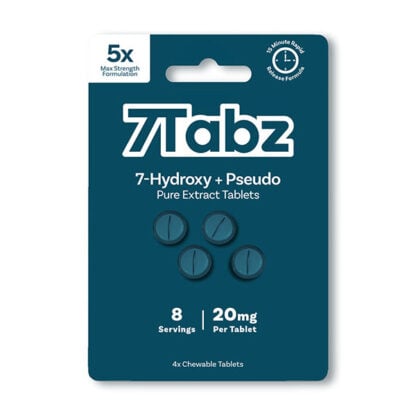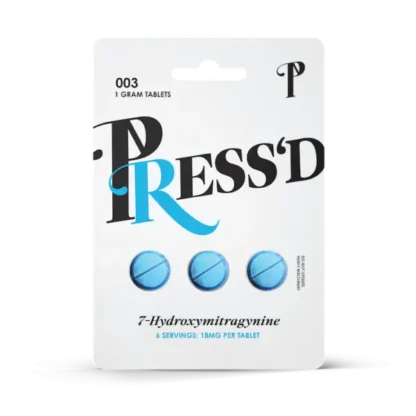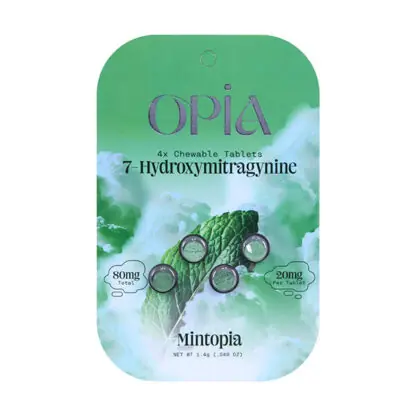




Is 7-Hydroxy Legal In My State?
Kratom has become a popular choice for many looking for alternatives to manage pain, improve mood, or boost energy. One of the important parts of kratom that makes it work is a compound called 7-hydroxymitragynine, or 7-OH for short. This chemical is one of the main reasons kratom has effects on the body and mind.
But even though 7-OH comes from a plant, it doesn’t mean it’s completely free from rules or restrictions. In fact, the legal status of 7-hydroxymitragynine can be confusing because it’s not the same everywhere. What’s allowed in one state might be restricted or banned in another. At the federal level, things are also complicated. It’s not officially banned, but it’s not fully approved or regulated either.
Because of this, it’s important to understand how 7-OH affects the body and how laws treat it. This way, anyone interested in using products that contain 7-hydroxymitragynine can stay informed and make safe, responsible choices.
Overview on 7-Hydroxymitragynine
7-Hydroxymitragynine, often shortened to 7-OH, is a compound found in the leaves of kratom plant (Mitragyna Speciosa). It is one of the primary active ingredients responsible for many of kratom’s effects.
Chemically, 7-OH is an alkaloid, and it’s known to interact with the body’s opioid receptors. This interaction produces effects similar to opioids but with some differences in potency and duration. In fact, 7-OH is considered to be more potent than mitragynine, which is the main alkaloid in kratom.
Is 7-Hydroxymitragynine Federally Legal?
Yes, 7-hydroxymitragynine is legal at the federal level in the United States. It is not a controlled substance and is officially considered unscheduled. This means there are no federal laws that ban the use, sale, or possession of it.
However, that doesn’t mean it hasn’t raised concerns. In 2016, the DEA tried to place 7-hydroxymitragynine (along with mitragynine) into Schedule I, which is the strictest category for drugs. However, after public backlash and pressure from lawmakers, the DEA backed down and canceled the plan. Even though it’s not banned, the DEA still keeps an eye on it and lists kratom (the plant it comes from) as a Drug of Concern.
The FDA has also taken action. It doesn’t ban 7-hydroxymitragynine, but it does see kratom products as potentially risky. The FDA has blocked shipments, warned companies, and advised against using it. They’re mainly focused on how these products are marketed, especially if they make health claims without proof.
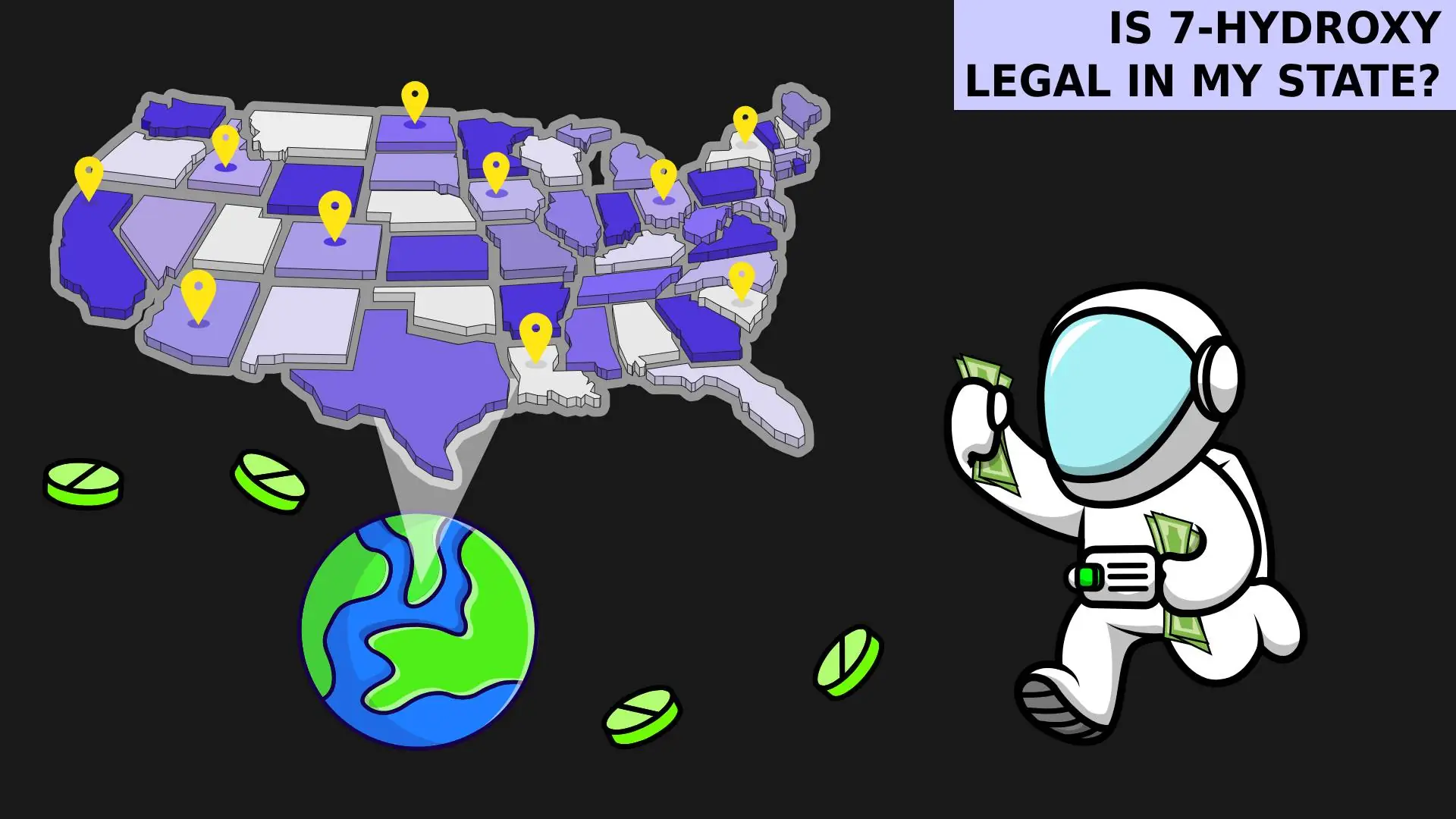
Is 7-Hydroxymitragynine Legal in My State?
Even though 7-hydroxymitragynine is legal federally, state laws can be completely different and in some places, they are. Some states have banned kratom or its active compounds, while others allow it with few or no restrictions.
How to Stay Safe and Informed as a Consumer?
If you’re considering 7-OH products, being informed is your best decision. With regulations varying across the country and not always being well enforced, it’s up to you to make smart decisions.
Check Your Local Laws
Don’t rely on assumptions. Look up the most current rules in your state, county, or city before buying or traveling with 7-hydroxy products. Just because something is legal federally and sold online doesn’t mean it’s legal where you live.
Buy from Reputable Brands
Stick with companies that clearly share ingredient information, test their products, and follow state guidelines. If a brand hides behind vague terms or avoids listing ingredients, that’s a red flag.
Watch for Mislabeled Products
Some products are marketed as not for human consumption to circumvent regulations. This tactic is often used to dodge safety standards. If a company isn’t transparent, it’s better to skip it.
Stay Updated
Laws around kratom and its compounds are still developing. What’s legal today may not be tomorrow. Following trustworthy news sources or consumer groups can help you stay ahead of any changes.
Legal doesn’t always mean risk-free. Even in states where it’s allowed, you should know how the product works and its potential effects before trying it.
What if it’s Not Legal in My State?
If 7-hydroxymitragynine or kratom is banned where you live, here’s what that actually means for you:
You likely can’t buy, possess, or use it.
When a state enforces a ban, having kratom or 7-OH products could lead to fines, confiscation, or even criminal charges, depending on the law. Some states treat it like a controlled substance, even if it’s not classified that way federally.
Shipping across state lines doesn’t make it legal.
Just because you can order it online doesn’t mean it’s legal to receive it. Some companies will still ship to banned states, but the legal responsibility falls on you, the buyer.
Enforcement varies by state and county.
In some places, laws are actively enforced. In others, they may exist on paper but aren’t a top priority for law enforcement. Still, relying on that kind of gray area is risky.
Alternatives may exist — but still require caution
Some states that restrict kratom allow similar herbal products. But these are often unregulated, too.
Advocacy is ongoing
Groups like the American Kratom Association continue to work toward reversing state bans and establishing uniform consumer protections. Some states that previously banned kratom have begun considering regulation instead.
Where Can I Get 7-OH Products From?
The legal status of 7-hydroxymitragynine isn’t as straightforward as it should be. It’s not federally banned, but state laws can differ drastically, and they’re still changing. On the other, individual states have taken things into their own hands, with some banning it completely, others regulating it lightly, and many still deciding what to do. That leaves consumers in a strange spot, trying to stay informed while laws shift in real-time. If there’s one takeaway from all of this, it’s that you have to know your state’s laws before using or purchasing anything containing 7-hydroxymitragynine.
At the same time, it’s just as important to be thoughtful about where you’re getting it from. This isn’t a space where you want to gamble on vague marketing. When you’re dealing with something that exists in a legal gray zone, having that kind of responsibility on the brand’s side can make a real difference.
That’s why we try to do things differently. We pay close attention to how these laws evolve and constantly work to stay aligned with what’s legal and responsible. That means sourcing carefully, labeling clearly, and making sure the people who shop with us know exactly what they’re getting.
Getting it right means being intentional about where your 7-OH products come from and whether or not they meet your state’s standards. So, if you’re in a state where 7-hydroxy is legal, be selective about who you get it from and protect your health (and your record).