


Is THCA Legal? Complete 50-State Guide
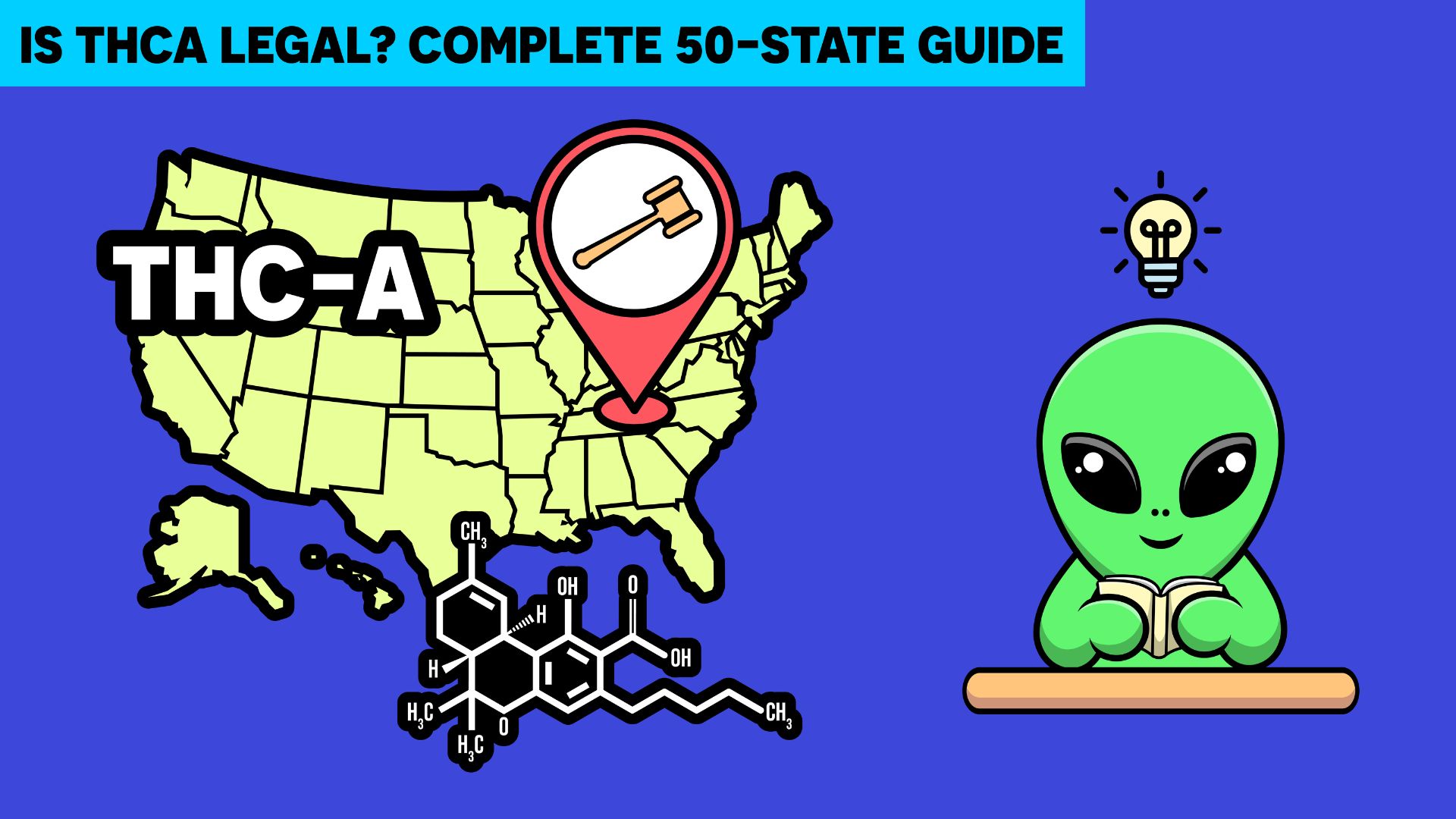
THCA is one of the most confusing cannabinoids in the hemp and cannabis market.
You may see it sold as THCA flower, THCA pre-rolls, THCA carts, THCA diamonds, THCA concentrates, or high-THCA hemp flower. Some brands call it federally legal. Some states treat it like hemp. Other states treat it much closer to marijuana.
So, is THCA legal?
The short answer is:
THCA may be legal in some states when it is hemp-derived and the product tests under the current Delta-9 THC limit. But THCA is not legal everywhere, and the legal landscape is changing fast because many states and the federal government are moving toward total THC rules.
The longer answer depends on three things:
- Whether the product is hemp-derived or marijuana-derived.
- Whether your state uses Delta-9 THC or total THC testing.
- Whether the product is flower, vape, edible, or concentrate.
This guide breaks it all down clearly.
What is THCA?
THCA stands for tetrahydrocannabinolic acid.
It is the acidic precursor to Delta-9 THC. In raw cannabis, THCA is commonly present before heat changes it into THC. When THCA is exposed to heat through smoking, vaping, baking, or cooking, it can convert into Delta-9 THC through decarboxylation. Public chemical summaries describe THCA as a cannabinoid acid that decarboxylates into THC when heated.
This is why THCA flower can be confusing.
Before heating, it may test low in Delta-9 THC. After heating, it may produce effects similar to regular THC flower.
That is the entire legal tension.
Why THCA Became Popular?
THCA became popular because of the 2018 Farm Bill.
The 2018 Farm Bill defined federally legal hemp by its Delta-9 THC concentration. Hemp was legal if it contained no more than 0.3% Delta-9 THC on a dry-weight basis. Because the law focused on Delta-9 THC, products high in THCA but low in Delta-9 THC entered the market. This is often called the hemp loophole.
In simple terms, a THCA flower product could look, smell, and behave like cannabis flower when smoked, while still testing below the Delta-9 THC limit before heating.
That made THCA flower attractive in states without recreational cannabis.
It also made regulators pay attention.
Is THCA Federally Legal?
As of May 2026, THCA remains legally complicated at the federal level.
Under the current hemp framework, a hemp-derived product may be treated as federally compliant if it contains no more than 0.3% Delta-9 THC by dry weight. THCA itself is not the same molecule as Delta-9 THC before heating, which is why THCA products have existed in a gray area.
But the federal picture is changing.
In November 2025, Congress enacted new hemp restrictions designed to close the intoxicating hemp loophole. These changes are scheduled to take effect on November 12, 2026. The new framework shifts toward a total THC standard and limits final consumer products to a very low amount of total THC per container.
That means many THCA products that rely on the current Delta-9-only reading may become much harder to sell legally after November 2026.
So the federal answer is:
THCA may still be sold under the current hemp framework in some situations, but federal law is moving toward rules that will likely restrict most intoxicating THCA products.
What is Total THC?
Total THC is a testing method that accounts for the THC potential of the product.
Instead of only measuring Delta-9 THC, total THC considers how much THC could be created when THCA converts into THC.
That matters because THCA is not just another inactive ingredient. It can become Delta-9 THC when heated.
For example, a THCA flower product may show:
- Delta-9 THC: 0.25%
- THCA: 22%
- Total THC: much higher than 0.3%
If a state only looks at Delta-9 THC, that product may appear compliant. If a state uses total THC, that same product may be treated as marijuana.
This is why state law matters so much.
Is THCA the Same as THC?
No, but they are closely related.
THCA is the acidic form. THC is the activated intoxicating form.
Raw THCA is generally not intoxicating in the same way as Delta-9 THC. But heat can convert THCA into Delta-9 THC. That means smoking or vaping THCA flower can create THC-like effects.
This is why a product can be legally marketed as THCA but still feel like marijuana when used.
From a consumer perspective, that distinction matters for legality, drug testing, impairment, and safety.
Is THCA Flower Legal?
THCA flower may be legal in some states, restricted in others, and illegal or high-risk in several.
The answer depends on whether the state uses Delta-9 THC testing or total THC testing. It also depends on whether the state restricts smokable hemp or intoxicating hemp products.
Texas is a good example of how quickly the situation can change. In 2026, Texas regulators moved toward rules that would include THCA in THC calculations and restrict smokable hemp products. Courts temporarily blocked parts of those rules, meaning the state remains legally active and uncertain.
That type of legal movement is happening across the country.
So, when someone asks whether THCA flower is legal, the safest answer is:
It depends on your state’s hemp rules, total THC rules, and smokable hemp rules.
Is THCA Legal in All 50 States?
No.
THCA is not legal in the same way across all 50 states.
Some states allow hemp-derived THCA products if they stay under the Delta-9 THC threshold. Some states use total THC, which makes high-THCA flower non-compliant. Some states ban smokable hemp. Some states allow marijuana and sell high-THCA flower through licensed dispensaries. Some states ban or restrict intoxicating hemp products.
That is why a full state-by-state view is necessary.
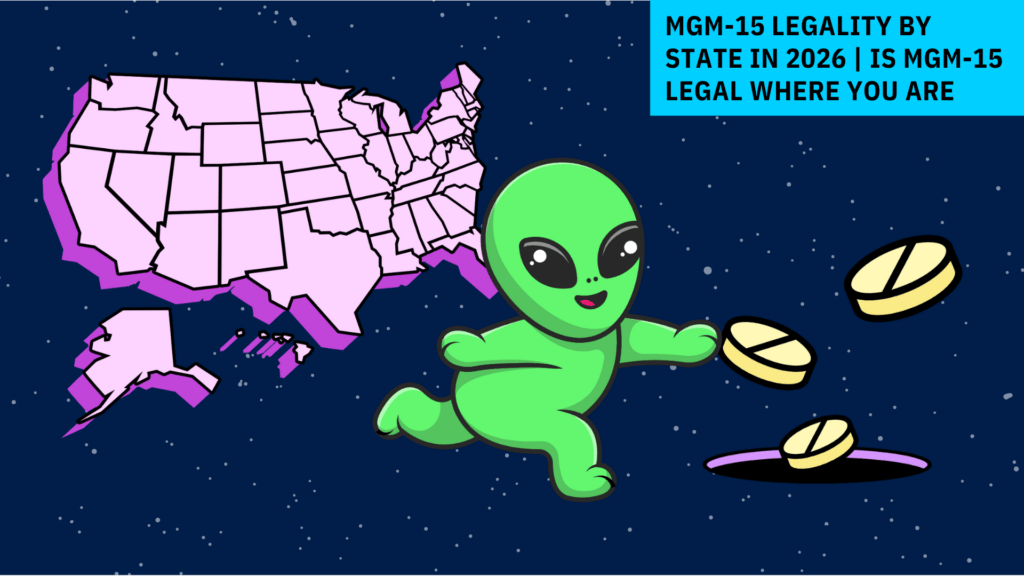
THCA Legality by State
Important note
This table is a high-level consumer guide as of May 2026. It is not legal advice.
State laws change often. The status of THCA can depend on product type, total THC calculation, hemp source, age restrictions, testing, packaging, and retail channel.
Use this as a starting point. Always verify current law before buying, selling, shipping, or traveling with THCA.
Status Key
Allowed with conditions means hemp-derived THCA products may be available if they meet state hemp rules.
Restricted or unclear means laws are changing, total THC rules may apply, or product formats may be limited.
Dispensary route means marijuana-derived THCA products may be available through licensed cannabis programs.
High-risk or prohibited means hemp-derived high-THCA products are likely banned, restricted, or legally risky.
| State | Hemp-Derived THCA | Marijuana-Derived THCA | Practical Status |
| Alabama | Restricted or unclear | Medical program developing | High caution |
| Alaska | Restricted hemp market | Adult-use dispensaries | Dispensary route safer |
| Arizona | Restricted hemp market | Adult-use dispensaries | Dispensary route safer |
| Arkansas | High-risk or prohibited | Medical dispensaries | Hemp THCA high risk |
| California | Restricted outside cannabis system | Adult-use dispensaries | Dispensary route safer |
| Colorado | Restricted or regulated | Adult-use dispensaries | Dispensary route safer |
| Connecticut | Restricted hemp rules | Adult-use dispensaries | Legal with rules |
| Delaware | Restricted or developing | Adult-use legal, retail evolving | Check current rollout |
| Florida | Allowed with conditions | Medical dispensaries | Hemp THCA possible, check rules |
| Georgia | Allowed with conditions | Low-THC medical only | Hemp THCA possible, monitor rules |
| Hawaii | Restricted or unclear | Medical dispensaries | High caution |
| Idaho | High-risk or prohibited | Illegal | Avoid THCA |
| Illinois | Restricted hemp rules | Adult-use dispensaries | Dispensary route safer |
| Indiana | Allowed with conditions | Illegal | Hemp THCA possible, check rules |
| Iowa | Restricted | Medical cannabidiol program | Very restrictive |
| Kansas | High-risk or prohibited | Limited CBD only | Avoid THCA |
| Kentucky | Restricted or regulated | Medical program active | Check product rules |
| Louisiana | Restricted | Medical dispensaries | Strict limits |
| Maine | Restricted or regulated | Adult-use dispensaries | Legal with rules |
| Maryland | Restricted | Adult-use dispensaries | Dispensary route safer |
| Massachusetts | Restricted outside cannabis system | Adult-use dispensaries | Dispensary route safer |
| Michigan | Restricted or regulated | Adult-use dispensaries | Legal with rules |
| Minnesota | Restricted or regulated | Adult-use legal | Check hemp rules |
| Mississippi | Restricted or unclear | Medical dispensaries | High caution |
| Missouri | Restricted or changing | Adult-use dispensaries | Legal with rules |
| Montana | Restricted or regulated | Adult-use dispensaries | Legal with rules |
| Nebraska | High-risk or restricted | Medical developing | Avoid broad assumptions |
| Nevada | Restricted outside cannabis system | Adult-use dispensaries | Dispensary route safer |
| New Hampshire | Restricted or unclear | Medical dispensaries | High caution |
| New Jersey | Restricted or regulated | Adult-use dispensaries | Legal with rules |
| New Mexico | Restricted or regulated | Adult-use dispensaries | Legal with rules |
| New York | Restricted hemp rules | Adult-use dispensaries | Legal with rules |
| North Carolina | Allowed with conditions | Illegal | Hemp THCA possible, legal gray area |
| North Dakota | Restricted or unclear | Medical dispensaries | High caution |
| Ohio | Restricted or changing | Adult-use dispensaries | Check current rules |
| Oklahoma | Allowed with conditions | Medical dispensaries | Hemp THCA possible, check rules |
| Oregon | Restricted outside cannabis system | Adult-use dispensaries | Dispensary route safer |
| Pennsylvania | Allowed with conditions | Medical dispensaries | Hemp THCA possible, check rules |
| Rhode Island | High-risk or restricted | Adult-use dispensaries | Dispensary route safer |
| South Carolina | Restricted or unclear | Illegal | High caution |
| South Dakota | Restricted or unclear | Medical dispensaries | High caution |
| Tennessee | Restricted hemp market | Marijuana illegal | Hemp THCA status shifting |
| Texas | Legally active and uncertain | Low-THC medical only | High caution |
| Utah | High-risk or restricted | Medical dispensaries | High caution |
| Vermont | High-risk or restricted | Adult-use dispensaries | Dispensary route safer |
| Virginia | Restricted hemp rules | Medical retail, adult possession legal | Check current retail rules |
| Washington | Prohibited outside cannabis system | Adult-use dispensaries | Dispensary route safer |
| West Virginia | Allowed with conditions | Medical dispensaries | Hemp THCA possible, check rules |
| Wisconsin | Gray area | Marijuana illegal | Hemp loophole risk |
| Wyoming | High-risk or prohibited | Illegal | Avoid THCA |
| Washington, D.C. | Gray market | Adult possession legal | Legally complex |
This table is cautious by design because THCA laws are not stable. The federal government is moving toward total THC, and several states have already tried to restrict high-THCA hemp flower or smokable hemp products.
States Where THCA Is Usually Safer Through Dispensaries
In adult-use cannabis states, THCA is usually easier to understand when purchased through licensed dispensaries.
That is because cannabis flower naturally contains THCA. Most dispensary flower is high in THCA before heating. The difference is that it is sold under a state cannabis program rather than as hemp.
States with adult-use cannabis programs generally offer a more regulated path for high-THCA cannabis products. However, hemp-derived THCA sold outside the cannabis system may still face restrictions in some of those states.
So even in legal cannabis states, the source matters.
A dispensary flower product and an online hemp THCA product may not be treated the same way.
States Where THCA Is Highest Risk
THCA is especially risky in states that restrict THC broadly, use total THC standards, ban smokable hemp, or take a strict enforcement approach.
High-risk states include Idaho, Kansas, Arkansas, Nebraska, Utah, Rhode Island, Vermont, Washington outside licensed cannabis channels, Texas because of active litigation and rule changes, and Wyoming.
Arkansas is a strong example. Courts allowed the state to enforce restrictions on psychoactive hemp-derived cannabinoids, making hemp-derived intoxicating products high risk there.
Texas is another important example. State regulators attempted to restrict smokable hemp and include THCA in total THC calculations, while courts temporarily paused enforcement. That means Texas remains one of the most active and uncertain THCA markets in the country.
If you are in a high-risk state, do not rely on a product page that says “federally legal.”
Can You Buy THCA Online?
Sometimes, but online access does not guarantee legality.
Many THCA products are sold online as hemp-derived products. Some brands ship to many states. Others block restricted states.
The buyer still needs to check the law.
A website may allow checkout even if the legal status in your state is unclear. That does not protect you. It only means the seller processed the order.
Before buying THCA online, check:
- Your state’s hemp law.
- Whether your state uses total THC.
- Whether smokable hemp is allowed.
- Whether vape products are restricted.
- Whether the COA shows Delta-9 THC and total THC.
- Whether the brand blocks restricted states.
If a website claims THCA is legal in all 50 states, be careful. That is too broad for 2026.
Are THCA Carts Legal?
THCA carts can be more legally risky than THCA flower.
Why? Because they are vape products.
Some states restrict cannabinoid vape products even if they allow other hemp products. Texas, for example, implemented a law in 2025 banning the sale, marketing, and advertising of vape pens containing cannabinoids, including THC, CBD, Delta-8, and THCA.
This is why product format matters.
A THCA gummy, THCA flower product, and THCA vape cart may all face different legal treatment.
For THCA carts, buyers should be extra cautious with state law, shipping rules, age restrictions, and lab testing.
Are THCA Diamonds Legal?
THCA diamonds are crystalline concentrates high in THCA.
Their legality depends on the same issues: source, Delta-9 THC level, total THC rules, and state law.
Even if diamonds test under 0.3% Delta-9 THC, they may fail total THC rules because the THCA content is high. They may also be treated as concentrates, which can face stricter regulation than flower.
In states with legal adult-use cannabis, THCA diamonds may be available through licensed dispensaries.
In hemp markets, they are more legally uncertain.
Does THCA Show Up on a Drug Test?
THCA products can lead to a positive drug test if they convert into THC or are consumed in a way that produces THC metabolites.
Most standard cannabis drug tests look for THC metabolites, not just the original product label.
If you smoke, vape, or heat THCA, your body may process it like THC. That can lead to a positive test.
So if you are drug tested, do not assume THCA is safe just because it is marketed as hemp.
The practical answer is simple:
THCA can create drug testing risk, especially when heated.
Is THCA Safe?
Legal status and safety are separate questions.
THCA products can be potent. When heated, they may produce intoxicating THC effects. That can impair judgment, coordination, reaction time, and perception.
THCA vapes also carry inhalation risks, especially when products are poorly tested or come from informal sources. Vape products should be checked for solvents, pesticides, heavy metals, and unsafe additives.
For any THCA product, look for a batch-specific COA.
A good COA should show:
- Delta-9 THC.
- THCA.
- Total THC.
- CBD and minor cannabinoids.
- Batch number.
- Testing date.
- Lab name.
- Pesticide testing.
- Heavy metal testing.
- Residual solvent testing.
- Microbial testing.
If a THCA product does not provide lab results, skip it.
Buying Checklist for THCA Products
Before buying THCA flower, carts, diamonds, or edibles, check the basics.
- Is the product hemp-derived?
- Does the COA show Delta-9 THC under 0.3%?
- Does the COA show total THC?
- Does your state allow high-THCA hemp?
- Does your state ban smokable hemp?
- Does your state restrict vape products?
- Is the product third-party tested?
- Does the batch number match the COA?
- Are pesticides, solvents, and heavy metals tested?
- Does the brand avoid shipping to restricted states?
If the brand cannot answer these questions, the product is not worth the risk.
Frequently Asked Questions
Q. Is THCA legal federally?
As of May 2026, THCA exists in a federal gray area under the current hemp framework if the product is hemp-derived and tests under 0.3% Delta-9 THC. However, federal rules are scheduled to shift toward total THC in November 2026, which may restrict most high-THCA products.
Q. Is THCA legal in all 50 states?
No. THCA legality varies by state. Some states allow hemp-derived THCA products, some restrict them, and some treat high-THCA products as illegal cannabis.
Q. What is the difference between THCA and THC?
THCA is the acidic precursor to THC. It is not the same as Delta-9 THC before heating, but heat can convert THCA into THC.
Q. Is THCA flower legal?
THCA flower may be legal in some states if it meets hemp rules. It may be illegal or high-risk in states that use total THC testing, ban smokable hemp, or restrict intoxicating hemp products.
Q. Can THCA get you high?
Raw THCA is not usually intoxicating like THC. But when smoked, vaped, or heated, THCA can convert into Delta-9 THC and produce psychoactive effects.
Q. Are THCA carts legal?
THCA carts are more complicated because vape products face extra state restrictions. Some states restrict or ban cannabinoid vape products even when other hemp products are allowed.
Q. Can I order THCA online?
You may be able to order THCA online in some states, but online availability does not prove legality. Always check state law and review the COA.
Q. Will THCA be banned in 2026?
Federal rules scheduled for November 2026 are expected to restrict many intoxicating hemp products by using total THC standards and a low milligram cap. This could affect most high-THCA hemp products.
Final Thoughts
So, is THCA legal?
The most accurate answer is: sometimes, but not everywhere, and the rules are changing.
THCA became popular because federal hemp law focused on Delta-9 THC. That allowed high-THCA, low-Delta-9 products to enter the market. But when THCA is heated, it can convert into THC. That made THCA flower, carts, and concentrates controversial.
Some states still allow hemp-derived THCA products under certain conditions. Others restrict them through total THC laws, smokable hemp bans, vape rules, or broader intoxicating hemp laws.
The biggest change is coming in November 2026, when federal hemp rules are scheduled to move toward total THC and a strict milligram cap.
The simplest takeaway is this:
THCA is not legal the same way everywhere. Always check the product source, Delta-9 THC, total THC, state law, format restrictions, and lab report before buying.