



Which Cannabinoid Will You Choose in 2026 – HHC or THC?
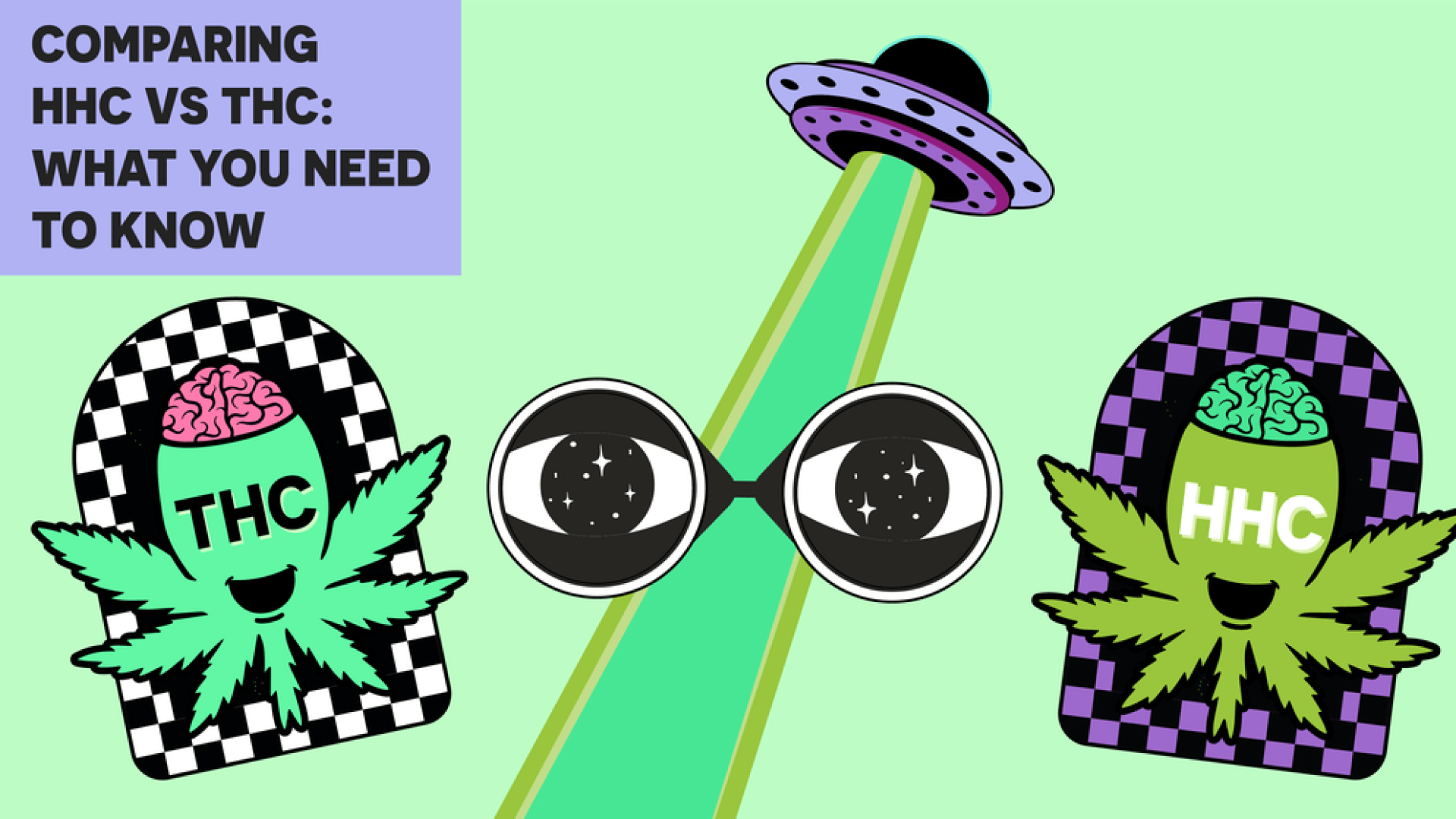
You’re standing at the dispensary counter in 2026, faced with an expanding menu of cannabinoid options. The familiar THC products line one side, while a growing selection of HHC items fills the other. Which do you choose? The decision matters more than you might think.
Why HHC vs THC Matters in 2026?
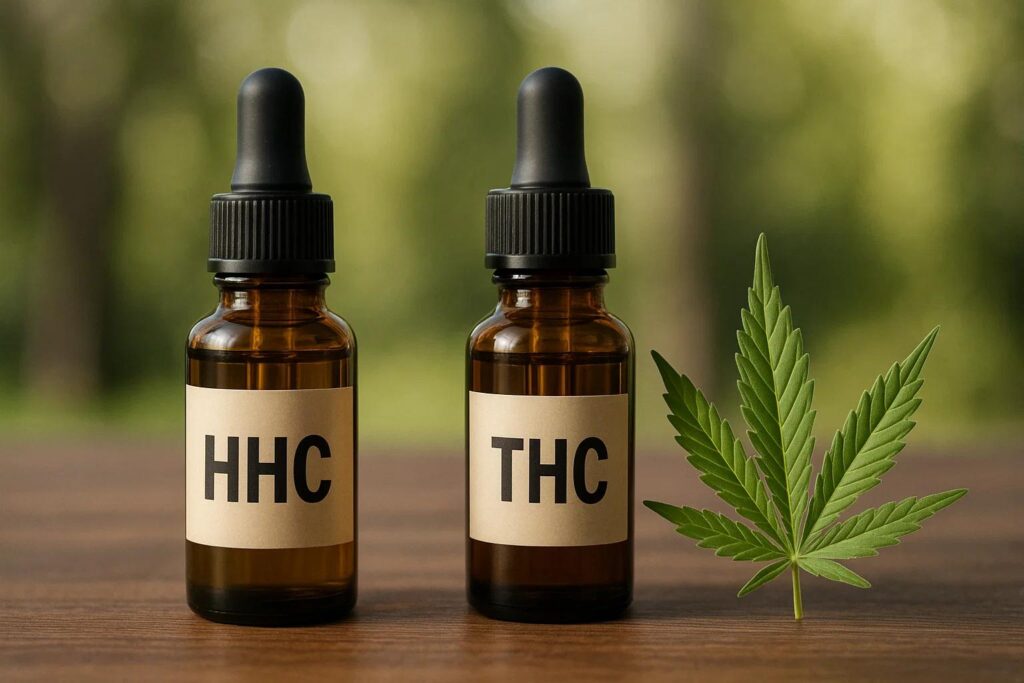
The cannabis landscape has transformed dramatically. What began as a simple choice between indica and sativa has evolved into a complex spectrum of cannabinoids, each offering distinct effects and benefits. In 2026, we’ve seen three major shifts:
-
Market expansion with HHC products growing 78% year-over-year
-
Updated regulations creating clearer legal frameworks for newer cannabinoids
-
Consumer interest moving beyond THC to more tailored experiences
This guide will help you understand the differences between HHC and THC, so you can make an informed choice based on your needs, preferences, and situation.
What Is THC? The Classic Psychoactive Cannabinoid
Delta-9-tetrahydrocannabinol (THC) remains the most recognized cannabis compound. It works by binding to CB1 receptors in your brain, creating the characteristic “high” associated with cannabis. This cannabinoid receptor binding leads to a range of psychoactive effects, contributing to the overall experience of consuming THC.
THC typically produces:
-
Euphoria and altered perception
-
Relaxation and stress reduction
-
Increased appetite
-
Pain relief
Medical benefits include managing chronic pain, reducing nausea during chemotherapy, and improving appetite in conditions like HIV/AIDS.
But THC can also cause:
-
Anxiety or paranoia (especially at high doses)
-
Short-term memory impairment
-
Coordination issues
-
Dry mouth and red eyes
In 2026, THC remains federally illegal in the US, though 38 states now permit medical use and 29 allow adult recreational use. Internationally, Canada, Mexico, and several European countries have legalized or decriminalized THC.
You can consume THC through smoking, vaping, edibles, tinctures, or topicals. Each method affects how quickly you feel effects and how long they last, influencing bioavailability and pharmacokinetics.
What Is HHC? The New Contender in the Cannabinoid World
Hexahydrocannabinol (HHC) is created through hydrogenation, a process that adds hydrogen molecules to THC or other cannabinoids. This chemical structure makes the molecule more stable and resistant to oxidation and heat. This enhanced oxidation resistance allows HHC to have a longer shelf life compared to THC, making it appealing to infrequent users or those looking for a stable product.
HHC users report:
-
A milder high than THC
-
More balanced effects between body and mind
-
Less anxiety and paranoia
-
Longer-lasting effects
Side effects appear similar to THC but often less intense, including dry mouth, red eyes, and hunger.
HHC exists in a shifting legal territory. Because it can be derived from hemp (cannabis with less than 0.3% THC), many manufacturers claim it’s legal under the 2018 Farm Bill. However, the DEA and FDA have begun scrutinizing these interpretations, and several states have specifically regulated or banned HHC.
In 2026, you can find HHC in vape cartridges, gummies, tinctures, and pre-rolls at both physical dispensaries and online retailers.
HHC vs THC: Key Differences at a Glance
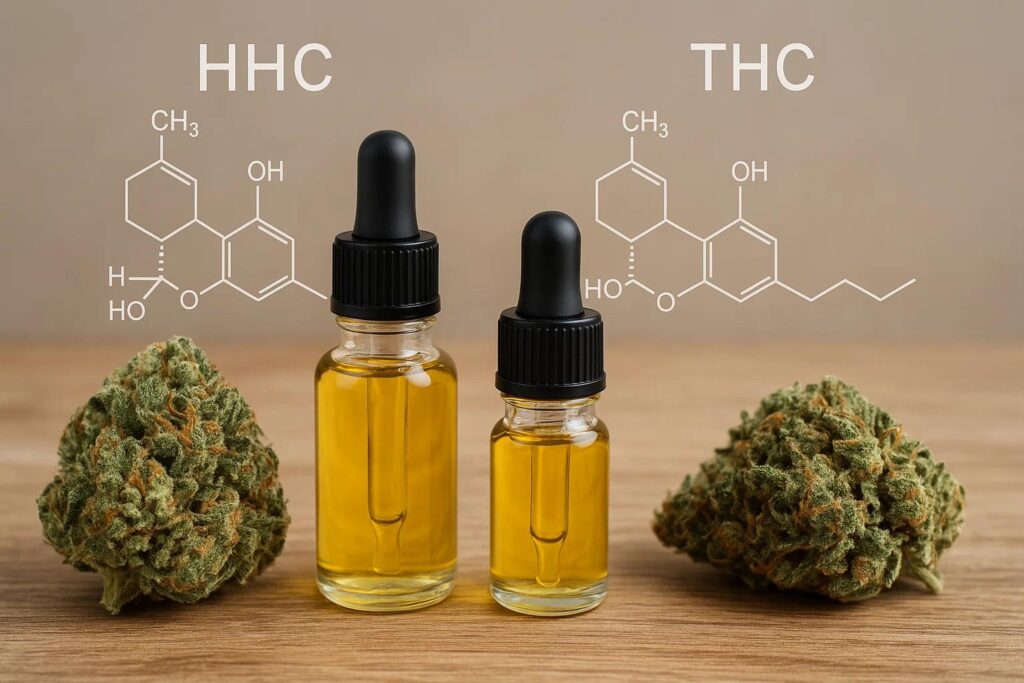
Understanding the core differences helps you make better choices:
Chemical Structure and Potency
HHC contains additional hydrogen atoms compared to THC, making it more stable but typically 70-80% as potent. This translates to a milder but still noticeable psychoactive effect. The added hydrogen makes HHC less likely to degrade over time compared to THC, affecting its metabolites and stability.
Experience Timeline
THC often hits faster but fades quicker. HHC tends to take longer to kick in but provides a more extended experience, sometimes lasting 2-3 hours longer than comparable THC doses. This extended effect is due to the slower absorption process and bioavailability differences.
Side-Effect Profile
Many users report HHC produces less anxiety and paranoia than THC. This makes it potentially better for those sensitive to THC’s mental effects, especially those who have experienced negative CB1 receptor affinity reactions from THC. HHC may also have a more balanced effect between the body and mind.
Market Factors
In 2026, HHC products cost about 15-20% more than equivalent THC products due to additional processing requirements. However, increased production has narrowed this gap from the 30-40% premium seen in 2023.
Factors to Consider When Choosing Between HHC vs THC
Desired Effects and Tolerance
Your experience level and goals should guide your choice:
-
Choose THC if you want:
-
More intense euphoria and stronger effects
-
Faster onset of effects
-
Established medical benefits backed by extensive research
-
-
Choose HHC if you prefer:
-
Milder, more manageable effects
-
Reduced anxiety risk
-
Longer-lasting experience
-
A good entry point if you’re new to cannabinoids
-
Legal and Workplace Implications
Drug testing remains a critical consideration. Standard tests detect THC metabolites for up to 30 days in regular users. The science on HHC testing is evolving, but early evidence suggests it may produce different metabolites that some tests miss.
However, don’t count on this loophole. Newer tests increasingly detect HHC metabolites, and many employers have updated their policies to include emerging cannabinoids.
Legal risk varies by location. Check your local laws before purchasing either compound.
Health and Safety Considerations
Both cannabinoids carry potential risks:
-
They may interact with medications, particularly blood thinners and psychiatric drugs
-
Neither is recommended during pregnancy or breastfeeding
-
People with heart conditions, psychosis, or substance use disorders should exercise caution
THC has decades of research behind it, while HHC studies remain limited. This knowledge gap means the potential long-term effects of HHC are less understood. Therapeutic applications for HHC are still being explored, and it’s important to understand its effects on the endocannabinoid system (ECS).
Consumption Methods and Convenience
Both cannabinoids come in multiple forms, each with pros and cons:
-
Vaping: Fast onset (2-5 minutes), moderate duration (1-3 hours), precise dosing
-
Edibles: Slow onset (30-90 minutes), long duration (4-8 hours), easy to overconsume
-
Tinctures: Medium onset (15-45 minutes), moderate duration (2-4 hours), discreet use
-
Smoking: Fast onset (2-5 minutes), shorter duration (1-2 hours), potential respiratory concerns
HHC’s greater stability gives it a longer shelf life, making it potentially better for infrequent users or emergency stashes.
HHC vs THC: User Experiences and Expert Insights
“THC hits me hard and fast, sometimes too intensely,” says Miguel, a cannabis user from Colorado. “HHC gives me a more gentle experience that I can function with.”
But Sarah from California disagrees: “HHC feels watered down to me. I prefer the full spectrum of effects from traditional THC products.”
Dr. Amelia Chen, cannabis researcher at University of California, notes: “The research suggests HHC binds less aggressively to CB1 receptors than THC, which may explain why many users report milder anxiety effects. But we need more studies to fully understand the differences.”
A 2024 survey of 2,500 cannabinoid users found that 62% preferred THC for recreational purposes, while 58% preferred HHC for daytime or functional use.
Practical Tips for Safe and Effective Use of HHC vs THC
Follow these guidelines regardless of which cannabinoid you choose:
Dosing Smart
-
Start with 5mg or less if you’re new to either compound
-
Wait at least 2 hours before taking more with edibles
-
Increase by small increments (2-3mg) when adjusting your dose
-
Remember that HHC dosing often requires 20-30% more for equivalent effects to THC
Sourcing Quality Products
-
Buy only from licensed dispensaries or reputable online retailers
-
Check for comprehensive lab reports that verify cannabinoid content and confirm absence of contaminants
-
Look for manufacturing dates and batch numbers
-
Be wary of unusually cheap products, which may contain synthetic cannabinoids or contaminants
Storage Best Practices
-
Store in cool, dark places away from direct sunlight
-
Use airtight containers to prevent oxidation
-
Keep all cannabinoid products away from children and pets
-
Label clearly, especially if you have both HHC and THC products
Conclusion: Choosing Between HHC vs THC in 2026
Your ideal cannabinoid depends on your specific situation:
THC might be your better choice if:
-
You want stronger effects and don’t mind potential intensity
-
You’re using for specific medical conditions with THC research behind them
-
You live where it’s fully legal and don’t face testing concerns
-
You value extensive research and established safety profiles
HHC might work better if:
-
You’re sensitive to THC’s anxiety-inducing effects
-
You prefer milder, longer-lasting experiences
-
You’re a beginner exploring cannabinoids
-
You need products with longer shelf stability
Many users find a place for both in their lives, using THC for evening relaxation and HHC for daytime functionality.
Talk with healthcare providers familiar with cannabinoids before starting either compound, especially if you take medications or have health conditions.